
Damage Restoration in Centralia, WA
- Damage Restoration Services Overview
- Common Damage Restoration Issues in Centralia, Washington
- Neighborhoods We Serve in Centralia
- Seasonal Damage Patterns in Centralia
- Housing Characteristics & Restoration Considerations
- Environmental Conditions & Damage Implications
- Flood-Prone Properties Near the Chehalis River: Building a Recovery Plan
Damage Restoration Services Overview
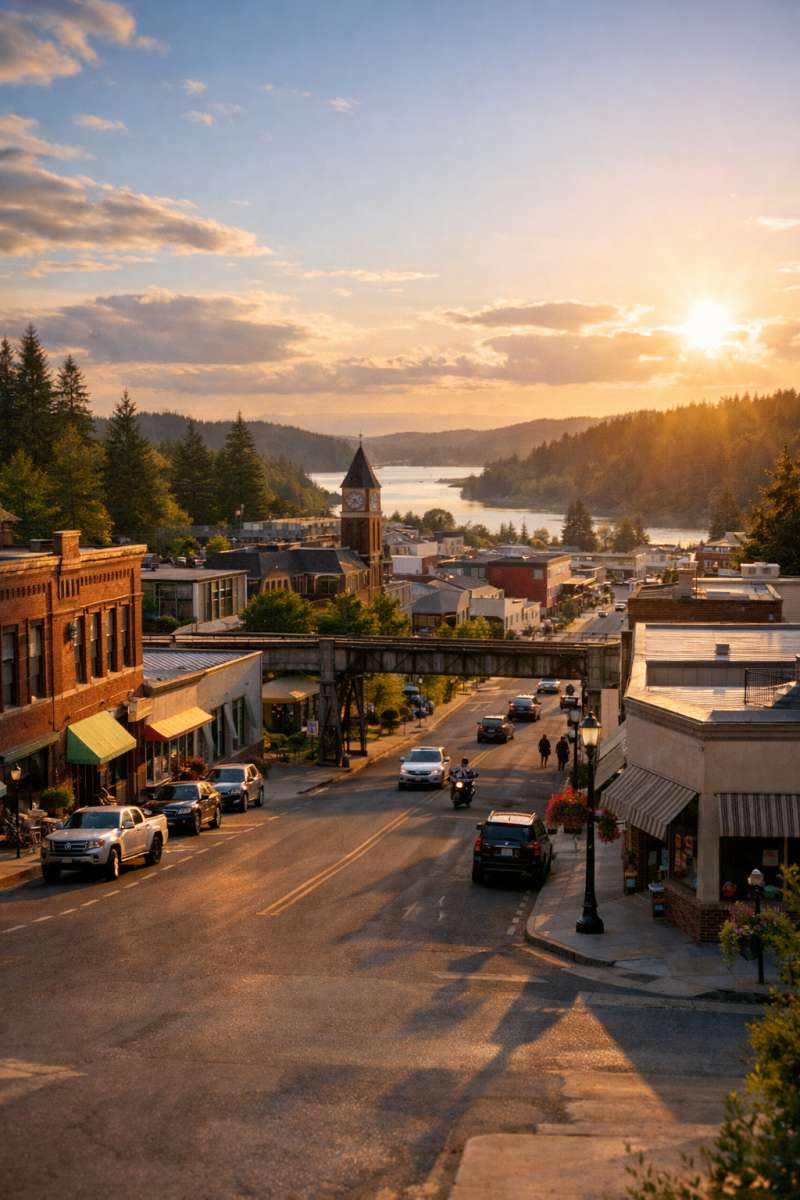
Water spreads through a Centralia home in minutes, and mold colonies can take hold within a day or two. The first hours after a burst pipe, sewer backup, or house fire shape how much of your property can be saved.
Our restoration teams work around the clock across Lewis County, arriving quickly to stop the spread and begin drying, cleaning, and rebuilding.
- Water Damage Restoration - extraction, structural drying, moisture mapping, and monitoring until materials return to normal readings
- Flooded Basement Cleanup - pump-out, sump support, saturated content removal, and dehumidification of below-grade spaces
- Sewage Cleanup - containment of Category 3 water, removal of contaminated porous materials, antimicrobial treatment, and safe disposal
- Fire Damage Restoration - board-up, debris removal, structural cleaning, and coordination of repairs
- Smoke Damage Restoration - soot removal from framing and finishes, HVAC cleaning, thermal fogging, and odor neutralization
- Mold Removal - containment barriers, HEPA filtration, affected material removal, and moisture source correction
Benefits for local property owners include documented moisture logs for insurance claims, reduced secondary damage, protection of indoor air quality, and a clear path back to a livable home.
Common Damage Restoration Issues in Centralia, Washington
Sitting at the confluence of the Chehalis and Skookumchuck rivers, Centralia deals with flooding pressures that most Washington cities never face. Add heavy winter rainfall and older housing stock, and the damage patterns become predictable.
Local Causes We See Most
- River flooding and flash runoff affecting low-lying properties near downtown and the river corridors
- Groundwater intrusion through basement walls and crawlspace vents during saturated months
- Storm-driven roof leaks from Pacific systems moving up the I-5 corridor
- Sewer and septic backups when municipal lines or drain fields become overwhelmed
- Frozen or burst supply lines during cold snaps in unheated crawlspaces
- Kitchen and chimney fires, plus wood stove and space heater incidents during winter
- Wildfire smoke infiltration during late summer haze events
Warning Signs Worth Acting On
- Musty odors in crawlspaces, closets, or near baseboards
- Cupping hardwood, bubbling paint, or staining on drywall seams
- Efflorescence or white powdery residue on concrete foundation walls
- Slow floor drains, gurgling toilets, or recurring sewer smells
- Persistent smoke odor that returns when the furnace runs
- Condensation on windows paired with allergy-like symptoms indoors
Small signs rarely stay small here. Continuous moisture from the region's wet season gives mold the conditions it needs to spread behind finished surfaces.
Neighborhoods We Serve in Centralia
Response crews cover Centralia city limits and the surrounding rural stretches of Lewis County.
- Downtown Centralia and the Historic District - brick commercial buildings, upper-floor apartments, and century-old storefronts
- Edison and Washington neighborhoods - established residential blocks with older wood-frame homes
- Seminary Hill and the east side - hillside properties with drainage and runoff concerns
- Fords Prairie and the west side - flood-prone parcels near the Chehalis River
- Borst Park area and China Creek corridor
- Cooks Hill and south Centralia toward Chehalis
- Outlying communities - Ethel (98542), Galvin, Grand Mound, Bucoda, Rochester, Napavine, Adna, and Salkum
Whether you own a farmhouse off Big Hanaford Road or a rental near Centralia College, crews carry equipment sized for both single rooms and whole-structure losses.
Seasonal Damage Patterns in Centralia
Damage calls follow the Pacific Northwest calendar closely, and knowing the pattern helps property owners prepare.
- November through February - peak season for river flooding, flooded basements, saturated crawlspaces, sewer backups, and burst pipes during freeze events. Heating-related fires also climb.
- March through May - snowmelt from the Cascades combines with spring rain. Hidden winter leaks surface as mold growth once temperatures rise.
- June through August - drier weather exposes mold that developed over winter. Air conditioning condensation, appliance failures, and outdoor burning fires increase.
- Late August through September - regional wildfire smoke drifts into the valley, leaving soot residue and odor in homes with older windows or continuously running HVAC systems.
- October - the first sustained rains reveal roof and gutter failures, driving a wave of water intrusion calls before winter arrives.
Scheduling crawlspace inspections in late summer and gutter service in early fall reduces the odds of a winter emergency.
Housing Characteristics & Restoration Considerations
Centralia's housing mix spans 1900s craftsman homes near downtown, mid-century ranches, manufactured homes on rural acreage, and newer subdivisions on the south and east edges of town.
How Construction Age Shapes the Work
- Pre-1940 homes - plaster over lath, balloon framing, and shiplap sheathing hold water and channel smoke vertically between floors
- 1950s-1970s houses - vented crawlspaces with minimal vapor barriers, a frequent source of chronic mold and wood decay
- Older materials - asbestos-containing flooring, textured ceilings, and lead paint require testing before demolition
- Manufactured homes - belly insulation traps water beneath the floor and needs specialized drying access
- Newer construction - tighter envelopes trap humidity and smoke odor, making mechanical dehumidification and air scrubbing essential
- Finished basements and daylight basements - carpet pad, framed walls, and stored belongings absorb groundwater quickly
What This Means for Your Restoration Plan
- Moisture meters and thermal imaging locate water behind plaster without unnecessary demolition
- Cavity drying systems reach wall interiors in balloon-framed structures
- Sewage losses in older homes often require removal of subfloor rather than surface cleaning alone
- Fire and smoke jobs include duct cleaning because original ductwork distributes odor throughout the house
- Historic trim, doors, and hardwood are cleaned and salvaged whenever the material allows
Environmental Conditions & Damage Implications
The Chehalis River valley holds moisture. Annual rainfall well above the national average, mild winters, and frequent fog keep outdoor humidity elevated for much of the year.
Climate and Moisture
- Extended wet seasons mean building materials rarely dry on their own between storms
- Temperatures that hover just above freezing support mold growth year-round
- Open-air drying is often ineffective - controlled dehumidification is the reliable method
Soil and Groundwater
- Silt and clay-heavy alluvial soils drain slowly and push water against foundations
- High water tables during winter cause hydrostatic pressure through basement slabs and walls
- Properties near creeks and drainage ditches face repeat intrusion without exterior grading corrections
Air Quality Factors
- Wildfire smoke seasons deposit fine particulate that settles on soft goods and inside ducts
- Wood stove use adds creosote and soot loading in winter months
- Tight, humid homes concentrate mold spores and VOCs after any water event
Water Quality Considerations
- Flood water from rivers is treated as contaminated, requiring the same protocols as sewage
- Rural septic systems on saturated ground back up more often during winter
- Well-served properties may need water testing after a flood event affecting the wellhead
Flood-Prone Properties Near the Chehalis River: Building a Recovery Plan
Centralia has a long memory of major flood events, and many property owners have experienced repeat losses. Restoration in a flood-prone area is not just cleanup - it is preparation for the next storm.
Our Approach for Repeat-Risk Properties
- Rapid response - crews mobilize 24/7 and aim to be onsite quickly to begin extraction before contaminated water migrates further
- Contamination classification - river and sewer water is handled under Category 3 protocols with full containment and PPE
- Selective demolition - flood cuts remove saturated drywall and insulation while preserving salvageable framing and finishes
- Structural drying - air movers, desiccant or refrigerant dehumidifiers, and daily moisture readings documented for your carrier
- Antimicrobial application - treatment of exposed framing, subfloor, and concrete to interrupt mold colonization
- Rebuild guidance - recommendations for flood-resistant materials in vulnerable zones
Resilience Measures Worth Considering
- Closed-cell insulation or removable panels in basement and crawlspace walls
- Tile, sealed concrete, or vinyl plank in place of carpet on lower levels
- Backwater valves to reduce sewer backup risk during high-flow events
- Battery-backup sump pumps and secondary discharge routing
- Encapsulated crawlspaces with proper vapor barriers and drainage
- Elevated mechanical equipment, water heaters, and electrical panels
The same team that dries your home also documents cause, scope, and materials affected - information that supports your claim and your long-term plan.
For water, sewage, fire, smoke, or mold emergencies anywhere in Centralia and Lewis County, call to schedule a professional assessment and get crews moving on your property.





