
Damage Restoration in Ocean Shores, WA
- Damage Restoration Services Overview
- Common Damage Restoration Issues in Ocean Shores, Washington
- Neighborhoods We Serve in Ocean Shores
- Seasonal Damage Patterns in Ocean Shores
- Housing Characteristics & Restoration Considerations
- Environmental Conditions & Damage Implications
- Protecting Vacation Rentals and Second Homes on the Peninsula
Damage Restoration Services Overview
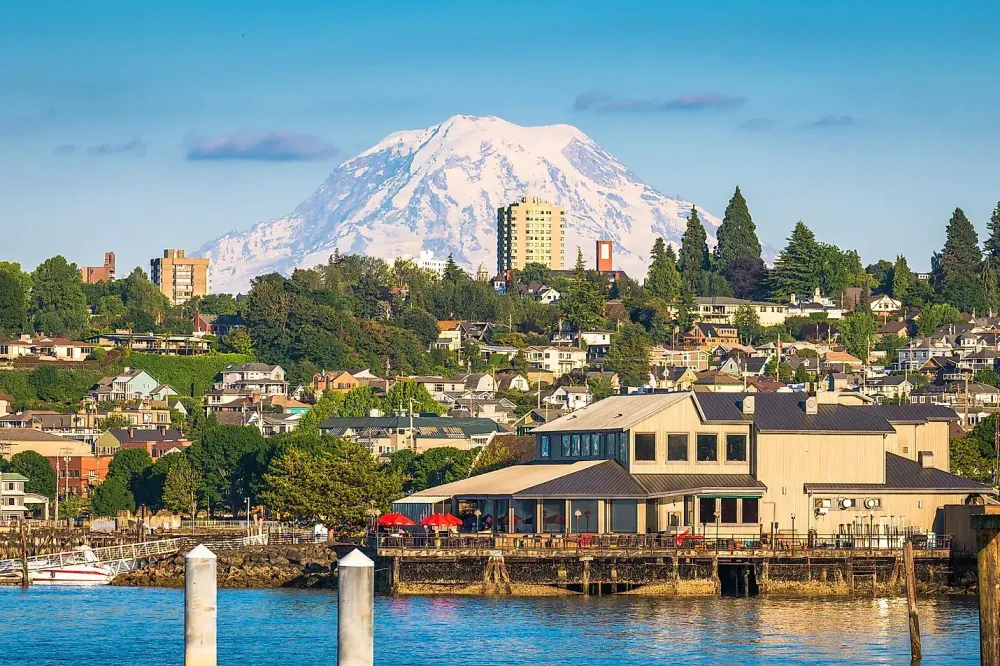
Ocean Shores sits on a narrow sand peninsula between the Pacific Ocean and Grays Harbor, where salt air, shifting dunes, and a shallow water table shape nearly every restoration job. Homes here face moisture pressure from all directions - wind-driven rain from the west, canal and freshwater lake systems inland, and groundwater that rises quickly during winter storm cycles.
Restoration work in this environment calls for methods matched to coastal construction, sandy soils, and properties that may sit vacant between visits. Services available to Ocean Shores homeowners, vacation rental owners, and business operators include:
- Water Damage Restoration - extraction, structural drying, and moisture mapping after storm intrusion, roof leaks, or plumbing failures
- Flooded Basement - pump-out, dehumidification, and sanitizing for below-grade rooms, crawl spaces, and daylight basements
- Sewage Cleanup - safe removal of contaminated material, disinfection, and odor control after septic backups or sewer line failures
- Fire Damage Restoration - debris removal, structural cleaning, content recovery, and reconstruction coordination
- Smoke Damage Restoration - soot removal from surfaces and HVAC systems, plus deodorization of textiles and framing
- Mold Removal - containment, material removal, air scrubbing, and correction of the moisture source
Acting quickly limits secondary damage. Wet materials in a marine climate rarely dry on their own, and untreated smoke residue becomes acidic and corrosive within days.
Common Damage Restoration Issues in Ocean Shores, Washington
The peninsula's exposure to Pacific weather creates predictable damage patterns. Rogue waves and storm surge have moved massive drift logs near the Ocean Shores Jetty, and the same energy pushes water into low-lying neighborhoods and canal-front lots.
Frequent Causes of Property Damage
- Wind-driven rain forced past siding laps, window flashing, and door thresholds
- Roof damage from sustained coastal gusts, lifting shingles and ridge caps
- Rising groundwater in sandy soil that saturates crawl spaces and slab edges
- Canal and lake level rises after prolonged rainfall, backing into yards and garages
- Septic system failures during saturated ground conditions, causing indoor sewage backups
- Frozen or burst supply lines in vacation homes left unheated during cold snaps
- Chimney, woodstove, and space heater fires during long, damp winters
Warning Signs Worth Investigating
- Musty odor that intensifies when the heat kicks on - often the first sign of crawl space mold
- Cupping or darkening at the edges of laminate and hardwood flooring
- Rust streaks on fasteners, hinges, and duct seams, indicating persistent humidity
- Soft drywall at baseboards, especially on west and south walls
- Slow drains or gurgling fixtures preceding a septic backup
- Yellow-brown staining on ceilings near vents, a marker of smoke residue after a small fire
Because many properties are second homes or rentals, damage can go unnoticed for weeks. A leak that would be caught in a day at an occupied residence may saturate framing and seed mold growth before anyone opens the front door.
Neighborhoods We Serve in Ocean Shores
Restoration crews cover the full peninsula and the surrounding Grays Harbor communities, including areas where canal frontage, dune proximity, and older construction each bring their own challenges.
- Ocean Shores waterfront and canal districts - Duck Lake, Grand Canal, and the interconnected freshwater canal system
- Oyhut and the Damon Point area - low-elevation lots near the harbor side
- North Bay and Ocean Lake neighborhoods - homes bordering interior lakes and wetlands
- Chinook, Marine View, and Point Brown Avenue corridors - mixed residential and commercial properties
- Sand dune and jetty-adjacent properties - the most weather-exposed structures on the peninsula
Service also reaches nearby communities such as Hoquiam, Aberdeen, Copalis Beach, Ocean City, Pacific Beach, Moclips, and Westport. Vacation rental managers, condo associations, hotels, and restaurants along the beach approach roads receive the same response as single-family homes.
Seasonal Damage Patterns in Ocean Shores
Coastal seasons drive the type of restoration work that dominates each part of the year.
- November through February - peak storm season. Expect wind-driven water intrusion, flooded basements and crawl spaces, roof breaches, and power outage-related heating fires. Septic systems struggle in saturated ground, raising sewage cleanup calls.
- March through April - lingering rain plus warming temperatures accelerate mold growth in materials wet since winter. Hidden damage from December storms often surfaces now.
- May through June - vacation homes reopen, revealing plumbing failures, appliance leaks, and musty crawl spaces that went unnoticed all winter.
- July through August - grilling, fire pit, and beach bonfire season brings structure fires and smoke damage. Marine fog keeps humidity high, so mold never fully goes dormant.
- September through October - the first Pacific systems arrive. Clogged gutters from summer neglect send water down walls and into foundations.
Rain totals here run well above the state average, and salt-laden air slows evaporation year-round. Drying that might take a few days inland often requires more aggressive dehumidification on the peninsula.
Housing Characteristics & Restoration Considerations
Ocean Shores was platted as a resort community in the 1960s, and much of the housing stock reflects that era alongside newer infill construction. That mix changes how crews approach every job.
Common Construction Features
- Wood-frame homes on post-and-pier or short stem-wall foundations with vented crawl spaces
- Original 1960s-1980s beach cabins with minimal wall insulation and single-pane conversions
- Newer builds with tighter envelopes that trap moisture when a leak occurs
- Cedar, T1-11, and vinyl siding weathered by salt spray and UV exposure
- Detached garages and outbuildings used for storage of vulnerable contents
- Condominium and multi-unit buildings near the beach approaches, where water travels between units
How Construction Affects Restoration
- Crawl spaces - sandy grade and high water tables mean standing water under floors; vapor barrier replacement and joist drying are routine parts of water damage work
- Below-grade rooms - true basements are less common, but where they exist, flooded basement recovery requires pumping plus extended structural drying
- Older galvanized and polybutylene plumbing - a leading source of sudden interior water damage in original-era homes
- Septic reliance - many parcels use on-site systems, making sewage cleanup a specialized, containment-driven process
- Open floor plans and shared attics - smoke and soot spread quickly, so smoke damage restoration includes sealing and duct cleaning
- Wood framing with limited drainage planes - mold removal often involves opening wall cavities rather than surface treatment alone
Environmental Conditions & Damage Implications
The peninsula's environment is the single biggest variable in restoration planning. Grays Harbor County studies of coastal change describe shifting dune systems, erosion, and longshore sand drift that reshape shoreline protection year after year - the same forces that put water pressure on nearby structures.
Local Conditions That Shape Restoration Work
- High annual rainfall - extended wet periods keep building materials near saturation
- Persistent relative humidity - marine air often exceeds levels where mold colonizes untreated surfaces
- Mild temperatures - little freeze-thaw, but also little natural drying, so mechanical drying does the heavy lifting
- Salt aerosol - accelerates corrosion on fasteners, HVAC coils, and electrical components, compounding both water and smoke damage
- Sandy, fast-draining soil - water moves laterally toward foundations and lifts quickly with the water table
- Shallow groundwater and canal systems - reduce natural subsurface drainage capacity during heavy rain
- Dune stability changes - vegetation loss from vehicle traffic through dunes has historically reduced the natural buffer protecting inland lots, while protected areas gained dune height
Practical Effects
- Drying equipment must run longer and in greater numbers than in drier inland climates
- Moisture readings are taken at multiple depths, since surfaces can feel dry while framing stays wet
- Mold containment is standard rather than exceptional, given ambient spore loads in coastal forest and wetland settings
- Soot cleaning uses methods that account for salt residue already present on surfaces
Protecting Vacation Rentals and Second Homes on the Peninsula
A large share of Ocean Shores property is used seasonally - weekend getaways, nightly rentals, and retirement homes occupied part of the year. Unattended structures face a different risk profile than full-time residences, and that shapes how restoration should be handled.
Why Vacant Properties Sustain Worse Damage
- A supply line failure can run for days or weeks before discovery
- Heat turned off during winter allows condensation on cold surfaces and interior framing
- Septic backups sit undetected, saturating flooring and subfloor
- Closed-up homes trap humidity, feeding mold in closets, under sinks, and behind furniture
- Storm-driven roof or window damage goes untarped, letting rain enter repeatedly
Steps Owners Can Take Between Visits
- Shut off the main water supply when the property will sit empty, and drain exterior lines.
- Keep the thermostat at a low but steady setting rather than turning heat off entirely.
- Install water leak sensors near the water heater, washer, and under sinks, with remote alerts.
- Clear gutters and downspouts before the fall storm season and verify discharge runs away from the foundation.
- Check the crawl space vapor barrier and vents each autumn for tears, pooling, or blocked airflow.
- Have the septic system inspected and pumped on schedule to reduce backup risk during saturated months.
- Arrange for a neighbor, property manager, or caretaker to walk the property after major wind events.
- Photograph rooms, contents, and the exterior annually to support any future insurance claim.
When damage does occur, coordinated response matters. A single event frequently spans multiple service lines - a storm that floods a crawl space may also trigger mold growth, while an electrical fire brings both fire and smoke damage plus water from suppression efforts. Restoration teams familiar with peninsula construction handle extraction, drying, decontamination, deodorization, and rebuild sequencing as one continuous process, coordinating documentation with insurers along the way so owners who live hours from the coast are not left managing the details alone.





