
Damage Restoration in Woodland, WA
- Damage Restoration Services Overview
- Common Damage Restoration Issues in Woodland, Washington
- Neighborhoods We Serve in Woodland
- Seasonal Damage Patterns in Woodland
- Housing Characteristics & Restoration Considerations
- Environmental Conditions & Damage Implications
- Emergency Response and the First 24 Hours in Woodland
Damage Restoration Services Overview
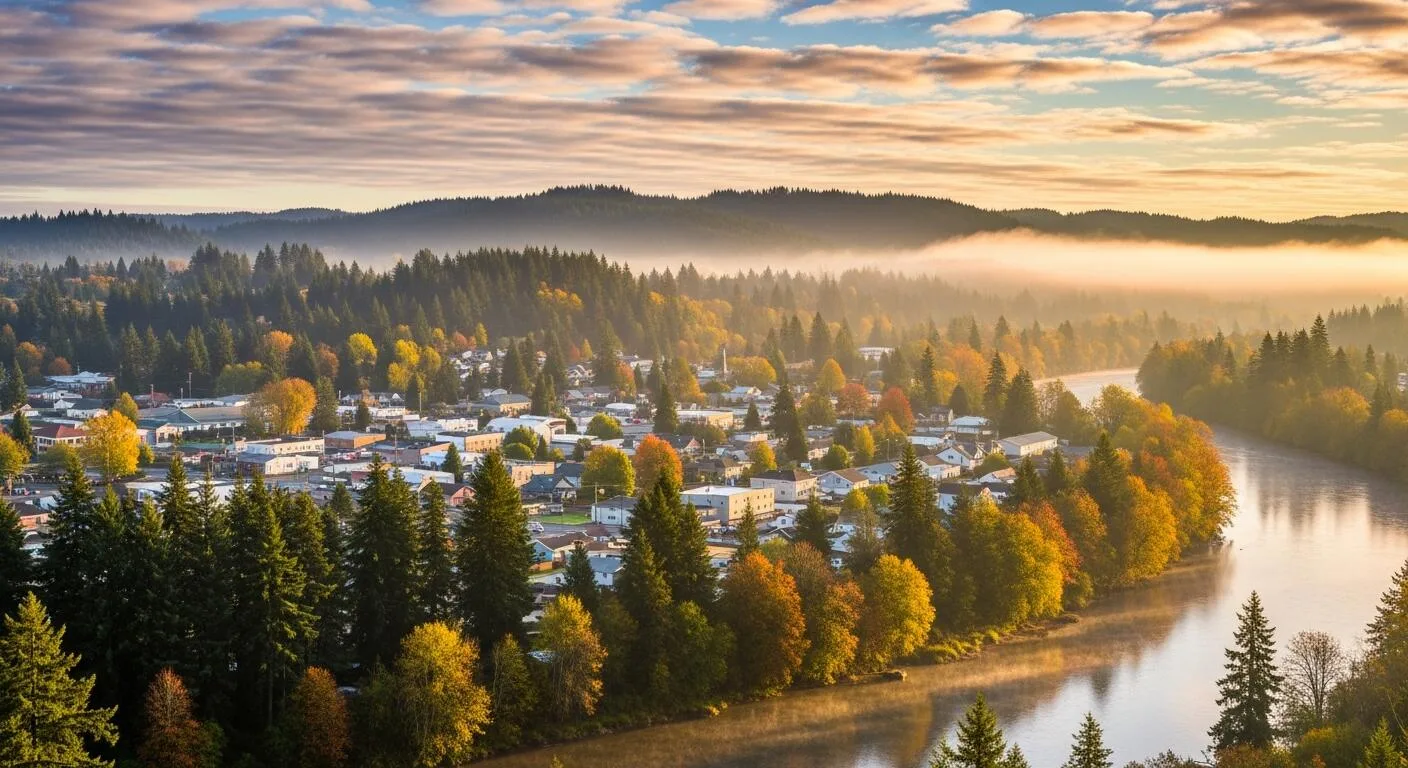
Woodland sits where the Lewis River meets the Columbia, tucked between Cowlitz and Clark counties along the I-5 corridor. That river-valley setting brings rich soil, heavy winter rainfall, and a water table that rises fast when Pacific storm systems stall over southwest Washington. Homes here face a specific mix of saturation, seepage, and smoke-season air quality challenges.
Restoration work in this community covers a full range of property emergencies:
- Water Damage Restoration - extraction, structural drying, and moisture mapping after pipe failures, appliance leaks, and storm intrusion
- Flooded Basement - pump-out, sump system evaluation, and drying of below-grade living space and crawl spaces
- Sewage Cleanup - removal of Category 3 contaminated water, antimicrobial treatment, and safe disposal of porous materials
- Fire Damage Restoration - board-up, debris removal, soot cleaning, and rebuilding of charred framing and finishes
- Smoke Damage Restoration - odor neutralization, HVAC cleaning, and treatment of surfaces affected by wildfire haze or structure fires
- Mold Removal - containment, spore control, removal of colonized materials, and correction of the moisture source
Acting quickly protects framing, drywall, flooring, and indoor air quality - and keeps a manageable loss from becoming a gut renovation.
Common Damage Restoration Issues in Woodland, Washington
Local geography drives most of the emergencies property owners here encounter. The Lewis River, Burris Creek, and the low-lying flats near Dike Road all influence groundwater behavior, while the surrounding forested hills bring wind, falling limbs, and wildfire smoke.
Frequent Causes of Damage
- Atmospheric river events that overwhelm gutters, downspouts, and hillside drainage
- Fallen tree limbs puncturing roofs during Columbia Gorge east wind events
- Sump pump failure during extended power outages in older neighborhoods
- Sewer backups when saturated ground raises pressure in municipal and septic lines
- Frozen or burst supply lines in unheated crawl spaces during January cold snaps
- Chimney and woodstove fires in rural properties that heat with wood
- Kitchen grease fires that spread soot through open floor plans
Warning Signs to Watch For
- A musty smell in the crawl space, hallway closets, or lower level
- Cupping or darkening hardwood along exterior walls
- Efflorescence or white chalky residue on foundation concrete
- Bubbling paint, soft baseboards, or drywall that feels cool to the touch
- Slow drains or gurgling toilets that hint at a main-line blockage
- Persistent smoke odor that returns when the furnace runs, signaling soot in ductwork
- Unexplained allergy symptoms that improve when occupants leave the house
Any of these signals warrants moisture testing before hidden damage spreads behind finished surfaces.
Neighborhoods We Serve in Woodland
Response teams cover the full city and the surrounding rural stretches on both sides of the county line.
- Downtown Woodland - older commercial buildings and historic homes near Davidson Avenue and Goerig Street
- Woodland Bottoms and Dike Road - low-lying agricultural properties with high groundwater exposure
- North Woodland and Whalen Road - hillside residences with slope drainage concerns
- Green Mountain and Cedar Creek areas - wooded acreage with wood-heat and well-water systems
- Horseshoe Lake vicinity - homes near standing water with elevated humidity
- Pekin Road and Lewis River Road corridors
Nearby communities served include Kalama, La Center, Ridgefield, Amboy, Yacolt, Castle Rock, and the northern reaches of Battle Ground, along with rural Cowlitz and Clark County addresses just off I-5 exits 21 and 22.
Seasonal Damage Patterns in Woodland
Late Fall and Winter (November - February)
- Sustained rainfall saturates soil and pushes water through foundation cracks, driving flooded basement and crawl space calls
- Cold snaps burst uninsulated pipes, producing sudden water damage restoration emergencies
- Heavy heating use raises the risk of chimney, furnace, and space heater fires
- Wind storms drop limbs on roofs, opening the structure to rain intrusion
Spring (March - May)
- Snowmelt from the Cascades combines with rain to keep the Lewis River high
- Sewer systems and septic drainfields struggle with saturated soil, increasing sewage cleanup needs
- Warming temperatures activate dormant mold colonies in damp crawl spaces
Summer (June - September)
- Regional wildfire smoke drifts into the valley, requiring smoke damage restoration and duct cleaning
- Dry vegetation raises brush and outbuilding fire risk on rural parcels
- Air conditioning condensate lines clog and leak into ceilings
Early Fall (October)
- First heavy rains expose clogged gutters and failing roof flashing
- Mold growth accelerates as humidity climbs and homes are closed up again
Housing Characteristics & Restoration Considerations
Woodland's housing stock spans more than a century, and each era brings distinct restoration challenges.
Pre-1940 Homes Near Downtown
- Balloon framing allows water and smoke to travel vertically inside wall cavities
- Shiplap sheathing and lath-and-plaster hold moisture long after surfaces feel dry
- Knob-and-tube remnants and old chimneys contribute to fire risk
- Possible asbestos or lead paint requires testing before demolition
1950s - 1980s Ranch and Split-Level Homes
- Vented crawl spaces with minimal vapor barrier invite chronic mold growth
- Galvanized and early polybutylene supply lines corrode and fail without warning
- Cast iron sewer laterals crack with age, leading to sewage backups
- Original fiberglass batt insulation collapses when saturated and must be replaced
Newer Construction and Subdivisions
- Tight building envelopes trap humidity when ventilation is inadequate
- Engineered wood subfloors and OSB swell quickly and permanently after flooding
- Multi-story layouts allow upstairs bathroom leaks to damage several levels
- Open floor plans let smoke and soot coat the entire main level within minutes
Manufactured homes and rural acreage properties add their own considerations - skirted underbellies that trap standing water, well and septic systems that complicate sewage cleanup, and detached shops that may lack fire separation. Documenting construction type early guides drying strategy, containment setup, and the scope of any needed reconstruction.
Environmental Conditions & Damage Implications
Southwest Washington's marine climate delivers roughly 45 to 50 inches of annual rainfall, most of it between October and April, with mild temperatures that rarely dry things out naturally during the wet season.
Climate and Humidity
- Outdoor relative humidity often exceeds 80 percent for months, so open windows will not dry a wet structure
- Mold germinates within 24 to 48 hours at these ambient conditions, making containment and dehumidification the priority
- Cool temperatures slow evaporation, requiring low-grain refrigerant or desiccant dehumidifiers rather than fans alone
Soil and Groundwater
- River-valley alluvial and silt loam soils hold water and transmit hydrostatic pressure against foundations
- Hillside clay layers perch water above the water table, sending it toward crawl spaces and daylight basements
- High groundwater limits how quickly a basement can be pumped without risking structural stress
Water and Air Quality
- Private wells on rural parcels need testing after any sewage event or flood contact
- Iron and mineral content in some local water leaves staining that complicates post-flood cleaning
- Summer wildfire smoke deposits fine particulate on HVAC filters, attic insulation, and soft furnishings
- Valley inversions trap smoke and odors, extending the time contaminants linger indoors
These conditions mean drying targets, containment plans, and clearance testing should be based on measured moisture and humidity readings, not appearance.
Emergency Response and the First 24 Hours in Woodland
When water, sewage, or fire hits a home along the Lewis River, the first day determines how much can be saved. Crews serving Woodland typically stage from the I-5 corridor between Vancouver and Longview, allowing rapid arrival to city addresses and reasonable access to rural roads toward Cedar Creek and Green Mountain.
What Happens After the Call
- Phone triage - guidance on shutting off water, electricity, or gas and whether the space is safe to occupy
- Site assessment - moisture meters, thermal imaging, and hygrometer readings map the true extent of saturation
- Water category classification - clean supply water, gray water from appliances, or black water from sewage each require different handling
- Extraction and stabilization - submersible pumps and truck-mounted units remove standing water; tarps or board-up secure fire and storm openings
- Containment - plastic barriers and negative air machines isolate mold or soot from clean areas
- Controlled drying - air movers and dehumidifiers run with daily moisture readings logged until materials reach dry standard
- Cleaning and deodorization - antimicrobial application, soot removal, HVAC cleaning, and odor treatment
- Reconstruction - drywall, flooring, trim, and paint restored to pre-loss condition
What Homeowners Can Do Before Crews Arrive
- Photograph everything - wide shots and close-ups of damaged contents and building materials
- Move undamaged furniture and valuables to a dry room on a different level
- Place foil or wood blocks under furniture legs sitting on wet carpet to prevent staining
- Stay out of any area with standing water near outlets or panels
- Avoid contact with sewage-affected water and keep children and pets away
- Do not run the HVAC system after a fire, since it spreads soot throughout the ductwork
- Notify your insurance carrier and record the claim number
Documentation collected during those first hours supports the claim and gives the restoration team a clear baseline to work from.





