
Damage Restoration in Waupaca, WI
- Damage Restoration Services Overview
- Common Damage Restoration Issues in Waupaca, Wisconsin
- Neighborhoods We Serve in Waupaca
- Seasonal Damage Patterns in Waupaca
- Housing Characteristics & Restoration Considerations
- Environmental Conditions & Damage Implications
- Sump Pumps, Septic Systems, and Basement Protection Near the Chain O' Lakes
Damage Restoration Services Overview
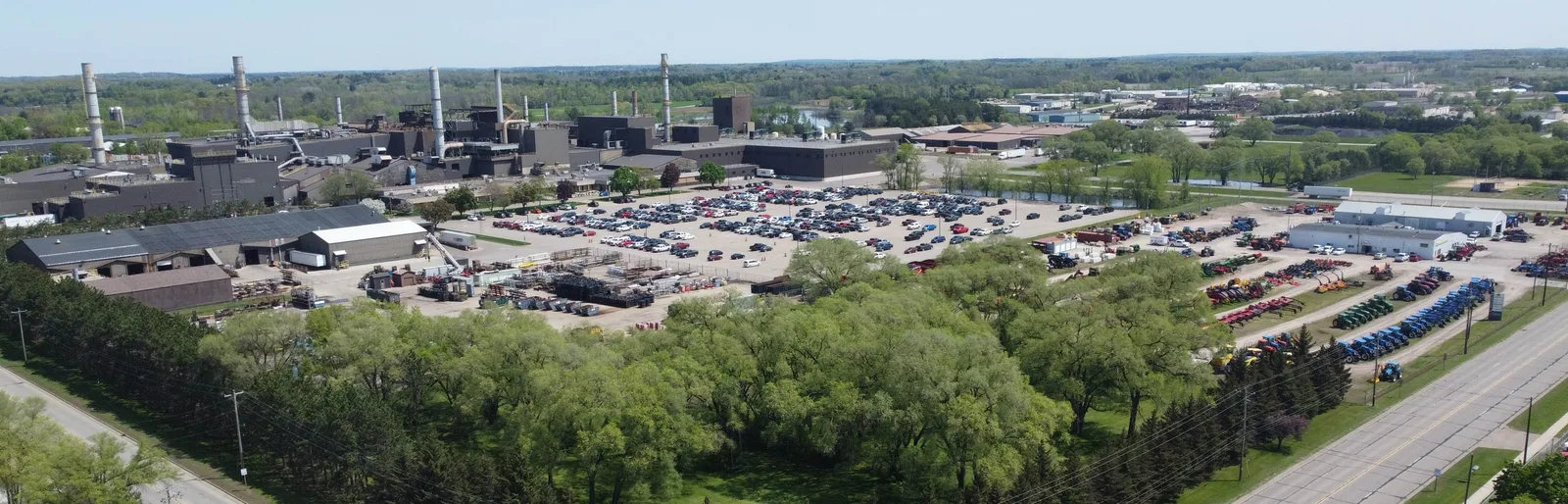
Waupaca sits at the confluence of the Waupaca River, the Crystal River, and the famous Chain O' Lakes - a 22-lake glacial system that keeps groundwater tables unusually high across much of the city. That geology is beautiful, and it also means basements here take on water more readily than in many parts of central Wisconsin.
Our team handles the full spectrum of property losses for homeowners and businesses throughout Waupaca County:
- Water Damage Restoration - burst supply lines, failed water heaters, appliance leaks, roof and window intrusion
- Flooded Basement Cleanup - sump pump failures, foundation seepage, storm surge and snowmelt intrusion
- Sewage Cleanup - floor drain backups, septic system failures, lateral line blockages treated as biohazard events
- Fire Damage Restoration - structural stabilization, debris removal, content pack-out and cleaning
- Smoke Damage Restoration - soot removal, thermal fogging, HVAC decontamination and odor neutralization
- Mold Removal - containment, controlled removal of affected materials, antimicrobial treatment
As a family-owned company with more than nine years in the industry and IICRC certifications across our mitigation processes, we follow national standards on every job. Fast arrival limits secondary damage, protects indoor air quality, and keeps repair scope - and your insurance claim - as contained as possible.
Common Damage Restoration Issues in Waupaca, Wisconsin
Waupaca properties face a specific mix of pressures: freeze-thaw cycles, sandy glacial outwash soils, aging clay sewer laterals, and a heavy heating season that runs seven months.
Frequent Causes of Loss
- Frozen and burst pipes in crawlspaces, exterior walls, and unheated garages during January and February cold snaps
- Sump pump failure or power loss during spring thaw when the water table rises near the Chain O' Lakes and river corridors
- Sewage backup through basement floor drains when heavy rain overwhelms lines or a septic drain field saturates
- Ice dams pushing meltwater under shingles and into second-floor ceilings and wall cavities
- Kitchen fires, wood stove and fireplace incidents, and furnace puff-backs that spread soot through ductwork
- Hidden mold behind finished basement paneling, under vinyl flooring, and inside bathroom wall cavities
Warning Signs Worth Acting On
- Musty odor that intensifies after rain or when the dehumidifier is off
- Staining, blistering paint, or a chalky white efflorescence line along block foundation walls
- Buckled baseboards, cupping hardwood, or carpet tack strips that feel damp underfoot
- Gurgling floor drains or slow tub drainage - often the first sign of a lateral blockage
- Yellowed film on windows and a lingering acrid smell weeks after a small fire
- Unexplained allergy symptoms that ease when family members leave the house
Moisture hides behind walls and beneath flooring, so visual inspection alone is never enough. We verify conditions with moisture meters and thermal imaging before any drying plan is finalized.
Neighborhoods We Serve in Waupaca
Our crews work out of 1043 Royalton St and reach most Waupaca addresses quickly, day or night.
- Downtown Waupaca and the historic Main Street district
- South Park and the Waupaca River corridor
- The Chain O' Lakes, Rural, and King areas
- Whispering Pines, Foxfire, and surrounding subdivisions
- Neighborhoods near Waupaca High School and the Royalton Street corridor
- Crystal River and Hartman Creek State Park vicinity
Beyond city limits, we serve Weyauwega, Fremont, Iola, Scandinavia, Manawa, Clintonville, New London, Ogdensburg, Big Falls, and rural townships across Waupaca County. Lake properties, seasonal cottages, farmsteads on private wells and septic, and downtown commercial buildings each present different challenges - and we plan for those differences before equipment ever comes off the truck.
Seasonal Damage Patterns in Waupaca
- December through February: Peak season for frozen and burst pipes, ice dams, furnace puff-backs, wood stove and holiday-related fires, and smoke damage spread by closed-up homes running heat constantly.
- March and April: Snowmelt plus rain drives the year's heaviest flooded basement volume. Sump pumps run continuously, foundation seepage appears, and saturated ground pushes water through cove joints.
- May and June: Thunderstorms and power outages create sump failures and sewage backups when lines surcharge. Mold growth accelerates as temperatures climb over materials that stayed wet through spring.
- July and August: Humidity is the dominant factor. Cool basements plus dew points near 70 degrees produce condensation, musty odors, and surface mold - often with no visible leak at all.
- September and October: Steady rainfall exposes gutter and grading problems. Septic drain fields saturate, and first-use furnace startups can release soot through registers.
- November: Early hard freezes catch unwinterized hose bibs and seasonal Chain O' Lakes cottages, producing supply line breaks that go unnoticed for days.
Housing Characteristics & Restoration Considerations
Waupaca's housing stock spans well over a century, and the construction era of a property shapes nearly every restoration decision we make.
Older Homes (pre-1950)
- Fieldstone and early block foundations with porous mortar joints that wick water during wet springs
- Plaster and lath walls that hold moisture far longer than drywall and require careful drying rather than fast demolition
- Balloon framing that lets smoke, soot, and odor travel vertically from basement to attic in a single cavity
- Cast iron and clay sewer laterals prone to root intrusion and backup
- Possible asbestos-containing floor tile or pipe wrap that must be identified before removal
Mid-Century and Modern Construction
- Poured concrete basements with cove joint seepage and slab penetrations
- Finished lower levels with carpet pad, framed walls, and fiberglass insulation - all high-risk materials in a flooded basement
- Tighter building envelopes that trap humidity and hold smoke odor in soft goods and HVAC systems
- Engineered wood flooring and MDF trim that swell irreversibly once saturated
Lake and Seasonal Properties
Chain O' Lakes cottages often sit on crawlspaces or shallow foundations and may go unoccupied for weeks. A small supply line failure can run undetected long enough to require full mold remediation. For these properties we recommend water alarms, main shutoff during vacancy, and crawlspace vapor barriers. On every structure type, we document moisture readings daily until materials reach the correct dry standard, then apply antimicrobial treatment where conditions warrant.
Environmental Conditions & Damage Implications
Central Wisconsin's climate creates a year-round moisture challenge. Waupaca averages roughly 32 inches of precipitation and more than 40 inches of snow annually, with summer dew points that regularly push indoor humidity past the 60 percent threshold where mold thrives.
Soil and Groundwater
- Sandy glacial outwash drains quickly in places but sits over a high water table near the river and lake systems
- Pockets of clay-heavy till hold water against foundations and increase hydrostatic pressure
- Springs and artesian conditions around the Chain O' Lakes keep some basements damp even in dry stretches
- Rural properties on private septic face drain field saturation after prolonged rain, a leading cause of sewage backup
Water and Air Quality Factors
- Hard, mineral-rich groundwater accelerates water heater and supply line corrosion, a common source of sudden failures
- Iron and manganese in well water leave staining that complicates cleanup after a basement flood
- Wood smoke from stoves and outdoor boilers contributes to seasonal particulate load and settles as residue indoors
- Tightly sealed winter homes concentrate soot, VOCs, and mold spores in the breathing air
These conditions influence how we scope work. Sewage losses are treated as severe biohazard situations - waste is extracted, affected areas sanitized, and heavily contaminated porous materials removed and disposed of properly. After fire and smoke events, we address HVAC systems and hidden cavities so odor does not resurface once humidity returns in summer.
Sump Pumps, Septic Systems, and Basement Protection Near the Chain O' Lakes
Living near water is the reason many people choose Waupaca - and it is also the single biggest predictor of basement loss here. Homes within the river corridors and around the Chain O' Lakes sit close enough to the water table that a sump pump is not a luxury but a primary defense system.
What We See Most Often on Local Calls
- Single sump pumps with no battery backup failing during the same storm that knocks out power
- Discharge lines terminating too close to the foundation, recycling the same water back into the drain tile
- Check valves stuck open, allowing pumped water to drain back into the pit repeatedly until the motor burns out
- Floor drains connected to older combined lines that surcharge during intense rainfall
- Septic tanks and drain fields overwhelmed after multi-day rain, pushing waste back through the lowest fixture
Practical Steps Waupaca Homeowners Can Take
- Test the sump pump quarterly by pouring water into the pit and confirming it cycles and shuts off cleanly.
- Add a battery backup or water-powered secondary pump, especially on lake-area properties.
- Extend downspouts at least six feet from the foundation and re-grade any soil sloping toward the house.
- Install a backwater valve if your basement has experienced sewage backup before.
- Have septic tanks pumped on schedule and keep records - saturated drain fields fail fastest when tanks are overdue.
- Keep a dehumidifier running in finished lower levels through summer and monitor with an inexpensive humidity gauge.
- Store valuables and photos on shelving, never directly on basement slab.
When prevention is not enough, our local crews arrive with extraction equipment, air movers, dehumidifiers, and containment materials ready. We are licensed, insured, and work directly with adjusters so documentation, moisture logs, and photos support your claim from the first day forward.





