
Damage Restoration in New London, WI
- Damage Restoration Services Overview
- Common Damage Restoration Issues in New London, Wisconsin
- Neighborhoods We Serve in New London
- Seasonal Damage Patterns in New London
- Housing Characteristics & Restoration Considerations
- Environmental Conditions & Damage Implications
- Documenting Your Loss for Insurance in New London
Damage Restoration Services Overview
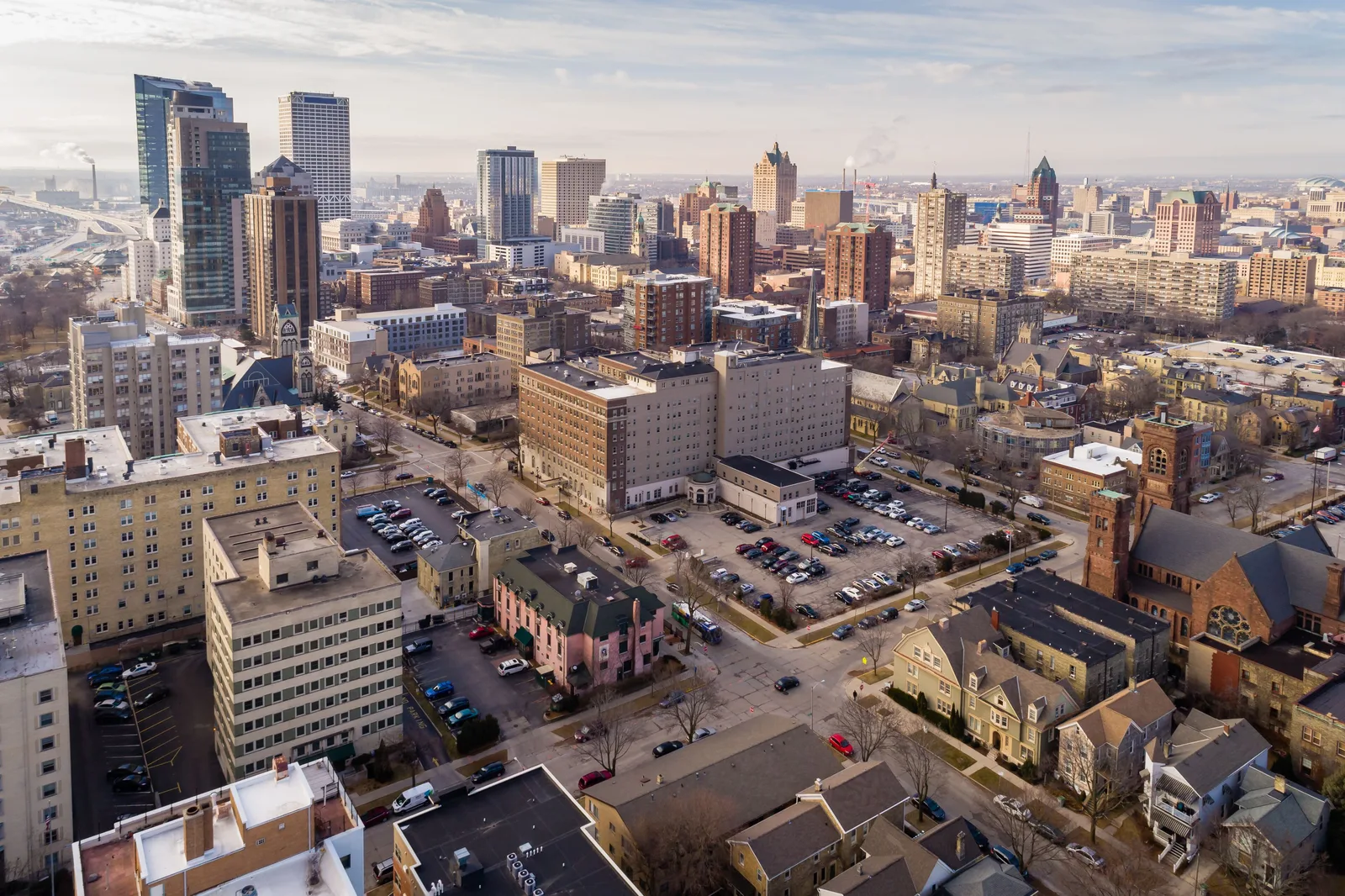
Damage spreads on its own schedule. Water wicks into drywall within hours, smoke residues turn acidic overnight, and mold colonies can establish themselves in a damp New London basement in a matter of days. The window for limiting loss is short, which is why licensed, insured restoration crews respond around the clock for homes and commercial properties throughout the area.
Midwest Restoration and other established local providers deliver full-service cleanup that covers the entire arc of a disaster - from the first extraction pass to the final rebuild.
- Water Damage Restoration - extraction, structural drying, moisture mapping, and documentation for insurance carriers
- Flooded Basement Cleanup - pump-out, contents triage, sump and drain evaluation, and dehumidification of below-grade spaces
- Sewage Cleanup - containment of Category 3 contamination, removal of porous materials, and antimicrobial treatment
- Fire Damage Restoration - board-up, debris removal, structural cleaning, and coordination with the rebuild phase
- Smoke Damage Restoration - soot removal from surfaces, HVAC cleaning, thermal fogging, and odor neutralization
- Mold Removal - containment barriers, HEPA filtration, affected material removal, and moisture source correction
The benefit for New London property owners is straightforward: faster stabilization, fewer materials lost to demolition, and clearer records when a claim is filed. Restoration of this scope often runs into tens of thousands of dollars, which makes documented, methodical work valuable to both insured and uninsured homeowners.
Common Damage Restoration Issues in New London, Wisconsin
Sitting at the confluence of the Wolf and Embarrass Rivers, New London deals with water from several directions at once - river rise, saturated ground, and aging municipal infrastructure that backs up under heavy load.
Frequent Causes of Loss
- Spring snowmelt combined with rainfall pushing river levels up and groundwater into basements
- Frozen and burst supply lines in unheated crawl spaces, garages, and older uninsulated exterior walls
- Sump pump failure or power loss during severe thunderstorms
- Sanitary sewer surcharge sending contaminated water back through floor drains and basement fixtures
- Failed water heaters, washing machine hoses, and supply valves in homes with original plumbing
- Heating-season fires from furnaces, wood stoves, space heaters, and chimney creosote buildup
- Kitchen grease fires that spread smoke and soot through the entire structure via ductwork
Warning Signs Worth Acting On
- Musty odors that intensify after rain or when the dehumidifier shuts off
- Efflorescence, chalky white staining, or hairline cracking on basement block walls
- Cupping or crowning hardwood, bubbling paint, and soft baseboard trim
- Recurring sinus irritation or asthma flare-ups that improve when occupants leave the house
- Persistent smoke odor weeks after a small fire - a sign residues remain in insulation or duct interiors
- Slow floor drains or gurgling fixtures, which often precede a full sewer backup
Small signals are worth investigating early. A stain the size of a dinner plate on a ceiling frequently indicates a saturated cavity several times larger above it.
Neighborhoods We Serve in New London
Coverage extends across both the Waupaca and Outagamie County portions of the city, plus the surrounding rural townships.
- Downtown New London and the historic North Water Street corridor
- Riverside and Wolf River-adjacent properties near Hatten Park and Pfeifer Park
- Embarrass River neighborhoods on the city's north and west sides
- Residential streets surrounding New London High School and Parkview Elementary
- Shawano Street and County Highway S commercial corridors
- Township properties in Mukwa, Lebanon, Bear Creek, and Caledonia
- Nearby communities including Hortonville, Shiocton, Clintonville, Manawa, Fremont, and Weyauwega
Rural service calls often involve private wells, septic systems, and pole buildings - each of which changes how water and sewage losses are handled. Crews arrive equipped for both in-town municipal setups and outlying properties without city utilities.
Seasonal Damage Patterns in New London
Wisconsin's swing from deep freeze to humid summer creates a predictable calendar of losses.
- December through February - burst pipes, ice dams pushing meltwater under shingles, and the peak of heating-related fire and smoke damage claims.
- March and April - snowmelt plus rain drives the heaviest volume of flooded basements and groundwater intrusion; sewer systems surcharge under combined load.
- May and June - severe thunderstorms bring wind-driven rain, roof breaches, and power outages that disable sump pumps.
- July and August - high dew points feed mold growth in basements, crawl spaces, and closets; condensation on cold surfaces creates hidden moisture.
- September and October - sustained autumn rain saturates soil; first furnace runs release dust and reveal cracked heat exchangers or chimney issues.
- November - early freezes catch outdoor spigots and unprotected lines; holiday cooking and candle use increase small fire incidents.
Mold removal calls tend to cluster in late summer, while sewage cleanup and flooded basement work spikes hardest during spring thaw and after major storm cells move through the Fox Valley.
Housing Characteristics & Restoration Considerations
New London's housing stock spans well over a century, and each era brings its own restoration challenges.
Older Homes (pre-1950)
- Fieldstone and rubble foundations that weep groundwater and hold moisture in irregular voids
- Plaster over wood lath, which dries far more slowly than modern drywall and hides moisture behind it
- Balloon framing that allows smoke and fire to travel vertically inside wall cavities
- Cast iron and clay sewer laterals prone to root intrusion and backup
- Possible asbestos-containing materials and lead paint requiring careful handling during demolition
Mid-Century and Modern Construction
- Poured concrete or block basements with finished rec rooms - carpet, paneling, and framed walls that trap water
- Slab-on-grade additions where moisture migrates laterally under flooring
- Tighter building envelopes that hold humidity and smoke odor longer without mechanical ventilation
- Manufactured and modular homes with limited cavity access, requiring targeted drying strategies
Finished basements are the single biggest variable in local water losses. A poured wall with studs set directly against concrete and fiberglass batt insulation behind vinyl-faced paneling creates a sealed pocket where mold grows unseen. Restoration in these spaces usually calls for controlled removal of the lower wall sections, cavity drying with injection systems, and moisture verification before anything is rebuilt.
Attached garages and outbuildings common on township lots also factor into fire and smoke work, since stored fuels and chemicals influence how soot residues behave.
Environmental Conditions & Damage Implications
Local climate and ground conditions shape nearly every restoration decision made in New London.
Climate
- Roughly 30-plus inches of annual precipitation with heavy spring and summer concentration
- Summer relative humidity that regularly climbs above 70 percent, sustaining mold growth without added leaks
- Winter temperatures well below zero, freezing lines and creating ice dam conditions on north-facing roofs
- Wide freeze-thaw cycling that opens foundation cracks year after year
Soil and Groundwater
- Clay-heavy and silty loam soils that drain slowly and hold water against foundation walls
- High water tables near the Wolf and Embarrass Rivers, raising hydrostatic pressure on basement floors
- Seasonal saturation that overwhelms drain tile and sump systems sized for average conditions
Water and Air Quality Factors
- Hard water with high mineral content, leaving scale that complicates cleaning of fire-affected surfaces
- Private wells in outlying areas that require testing after any sewage or flood event
- Seasonal agricultural dust and, increasingly, wildfire smoke drift that stresses indoor air filtration
These conditions mean drying targets set for a dry climate simply do not apply here. Technicians monitor ambient humidity, material moisture content, and dew point continuously, adjusting dehumidifier and air mover placement so structures actually reach a stable dry standard rather than appearing dry on the surface.
Documenting Your Loss for Insurance in New London
Because major restoration frequently reaches tens of thousands of dollars, the quality of documentation often determines how much of that cost a homeowner absorbs personally. Thorough record-keeping from the first hour protects the claim.
What Careful Documentation Includes
- Photo and video capture of every affected room before any material is removed
- Moisture readings logged by location and repeated daily throughout the drying process
- Thermal imaging to reveal water behind walls and beneath flooring that visual inspection misses
- Written classification of water category - clean, gray, or black - which drives what can be salvaged
- Itemized contents inventory separating restorable items from total losses
- Equipment logs showing dehumidifier and air mover counts, placement, and run time
- Air sampling results before and after mold remediation where testing is warranted
Steps to Take After a Loss
- Make the property safe - shut off water, kill power to affected circuits, and leave the building if fire or sewage is involved.
- Call a licensed, insured restoration contractor for emergency mitigation before the damage widens.
- Notify your insurance carrier and record the claim number and adjuster contact.
- Photograph everything yourself as a backup record, including serial numbers on damaged appliances.
- Keep receipts for temporary lodging, fans, and any emergency purchases.
- Avoid discarding damaged items until they have been inventoried and photographed.
Checking a contractor's standing through the BBB directory of restoration companies near New London gives another layer of confidence. Look for verified licensing, active insurance, IICRC-trained technicians, and reviews from customers in Waupaca and Outagamie Counties. Detailed reporting, clear scope-of-work write-ups, and direct communication with adjusters shorten the distance between a disaster and a finished repair.





