
Damage Restoration in California, PA
- Damage Restoration Services Overview
- Common Damage Restoration Issues in California, Pennsylvania
- Neighborhoods We Serve in California
- Seasonal Damage Patterns in California
- Housing Characteristics & Restoration Considerations
- Environmental Conditions & Damage Implications
- Emergency Response and the First 24 Hours in the Mon Valley
Damage Restoration Services Overview
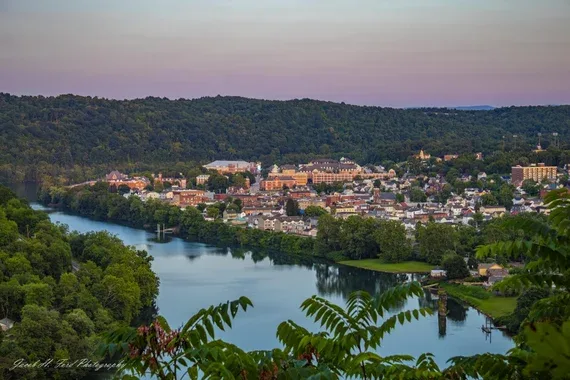
California Borough sits on a bend of the Monongahela River in Washington County, where hillside streets, century-old brick homes, and a university-driven rental market create restoration challenges you won't find in newer suburban developments. Water follows gravity down those slopes, and older basements, clay laterals, and coal-era foundations absorb the consequences.
Property owners here rely on a connected set of services rather than a single fix:
- Water Damage Restoration - extraction, structural drying, and dehumidification after pipe failures, appliance leaks, roof intrusion, and river-driven flooding
- Flooded Basement Cleanup - pump-out, content triage, and drying for stone, block, and poured foundations along Wood Street, Third Street, and the hillside neighborhoods
- Sewage Cleanup - containment and disinfection when combined sewers surcharge or floor drains back up during heavy rain
- Fire Damage Restoration - stabilization, debris removal, soot cleaning, and reconstruction support
- Smoke Damage Restoration - odor neutralization, HVAC decontamination, and surface treatment in homes with balloon framing and open chases
- Mold Removal - containment, controlled removal, and moisture-source correction
The benefit of handling these together is continuity. One moisture event can trigger sewage contamination and mold within days, and a fire almost always leaves water damage from suppression efforts. Coordinated response protects structure, indoor air quality, and documentation for insurance claims.
Common Damage Restoration Issues in California, Pennsylvania
The borough's position between the river valley floor and steep upland terrain shapes nearly every loss we see. Runoff, aging utilities, and freeze-thaw cycling do most of the damage.
Frequent Causes of Loss
- Monongahela River backwater and flash flooding along low-lying streets near the waterfront and Coal Center line
- Hydrostatic pressure pushing groundwater through block foundation joints and cove seams
- Frozen and burst supply lines in unheated crawl spaces, porches, and vacant student rentals over winter break
- Clay and cast-iron sewer laterals cracked by root intrusion or ground settlement over old mine workings
- Sump pump failure during power outages in summer thunderstorms
- Kitchen fires, space heater fires, and electrical faults in homes with legacy wiring
- Chimney and flue problems in older brick houses that push smoke through interior walls
Warning Signs Worth Acting On
- Efflorescence, chalky white residue, or blistering paint on basement walls
- A musty odor that intensifies when the HVAC system cycles on
- Slow floor drains, gurgling toilets, or sewer odor after rainfall
- Cupped hardwood, soft baseboards, or tack strips lifting near exterior walls
- Yellow-brown ceiling staining beneath bathrooms or roof valleys
- Persistent smoke odor weeks after a small fire, signaling residue in ductwork or insulation
Catching these early usually keeps a drying project from becoming a demolition and mold remediation project.
Neighborhoods We Serve in California
Response covers California Borough and the surrounding Mon Valley communities on both sides of the river.
- Downtown California and the Third Street and Wood Street corridors
- Campus-area rentals and multi-unit properties near PennWest California
- Hillside residential streets above Second Street and along Malden Avenue
- Coal Center, Roscoe, Stockdale, and Elco
- Brownsville, West Brownsville, and Daisytown
- Charleroi, North Charleroi, Speers, and Belle Vernon
- Monongahela, Donora, and Monessen
- Centerville, Beallsville, Marianna, and Long Branch
- Washington, Canonsburg, and outlying Washington County townships
Coverage extends to riverfront properties, university housing, commercial storefronts along the main business district, churches, and light industrial buildings throughout the valley.
Seasonal Damage Patterns in California
Winter (December - February)
- Burst pipes during hard freezes, especially in unoccupied campus-area rentals
- Ice damming on low-slope and older shingle roofs
- Heating-related fires and furnace puff-back smoke damage
Spring (March - May)
- Snowmelt and sustained rain raising river and groundwater levels
- Peak flooded basement volume as saturated hillsides drain toward foundations
- Sewer backups when combined systems exceed capacity
Summer (June - August)
- Fast-moving thunderstorms, wind-driven rain, and roof intrusion
- Sump pump overload and outage-related basement flooding
- Mold growth accelerating in humid, poorly ventilated cellars and attics
Fall (September - November)
- Remnant tropical systems delivering heavy rainfall to the Mon Valley
- Clogged gutters and downspouts discharging water against foundations
- Chimney and first-use furnace fires as heating season begins
Housing Characteristics & Restoration Considerations
Much of California Borough's housing stock predates World War II, built during the coal and river-commerce era. That age dictates how restoration is planned and executed.
Construction Types You'll Find Locally
- Two-story brick and wood-frame homes with stone or hollow-block foundations
- Balloon-framed structures with continuous wall cavities from sill to attic
- Plaster-and-lath interior walls over wood framing
- Converted single-family homes serving as student multi-unit rentals
- Post-war ranches and split-levels on the upper terraces
- Mixed-use commercial buildings with occupied apartments above retail
How Age Affects Each Service
- Water damage - plaster holds moisture longer than drywall, so drying plans often require cavity ventilation and extended dehumidification rather than surface air movement alone.
- Flooded basements - porous stone and block walls wick moisture upward, making perimeter drying and vapor control central to the work.
- Sewage cleanup - older laterals and floor drains without backflow prevention increase contamination risk, requiring full containment and removal of affected porous materials.
- Fire and smoke - balloon framing lets smoke and heat travel vertically, so inspection extends well beyond the visibly burned area.
- Mold removal - decades of layered finishes, added insulation, and enclosed porches trap moisture in places routine inspection misses.
Pre-1978 properties also call for lead-safe work practices, and asbestos-containing materials appear in old pipe wrap, floor tile, and mastic. Testing before demolition keeps projects compliant and safe.
Environmental Conditions & Damage Implications
Southwestern Pennsylvania's humid continental climate delivers roughly 40 inches of precipitation annually, spread fairly evenly across the year. That steady moisture load, combined with valley topography, keeps drying conditions unpredictable.
Local Conditions That Drive Restoration Decisions
- Summer humidity - dew points frequently reach the upper 60s, meaning outside air cannot be used for drying and closed-system dehumidification is required.
- River valley fog and cool air pooling - slows natural evaporation in low-lying basements and crawl spaces.
- Clay-heavy soils over glacial and alluvial deposits - drain slowly, holding water against foundation walls long after rainfall ends.
- Historic mining subsidence - contributes to foundation cracking and displaced sewer laterals in parts of Washington County.
- Freeze-thaw cycling - typically 60 to 70 cycles per season, widening masonry joints and creating new water entry points each year.
- Hard, mineral-rich water - accelerates corrosion in aging galvanized and copper supply lines.
Practical Consequences
- Mold colonization can begin within 24 to 48 hours in a saturated, unventilated basement
- Smoke odor lingers longer in humid conditions because residues stay tacky and reactive
- Sewage contamination spreads faster across slow-draining slab and dirt-floor cellars
- Drying plans need moisture mapping and daily readings rather than fixed schedules
Emergency Response and the First 24 Hours in the Mon Valley
Water does not wait, and neither should the response. In California Borough, the gap between discovering damage and starting extraction usually determines whether a property needs drying or reconstruction.
What Happens on Arrival
- Safety and source control - electrical hazards addressed, water supply shut off, structural stability checked before entry.
- Category and class assessment - clean water, gray water, or sewage determines containment, PPE, and what materials can be salvaged.
- Extraction - truck-mounted and portable units remove standing water from basements, subfloors, and carpet pads.
- Moisture mapping - thermal imaging and penetrating meters locate hidden saturation behind plaster and under flooring.
- Equipment placement - air movers and low-grain refrigerant dehumidifiers set to the affected volume and material type.
- Documentation - photos, readings, and scope notes recorded for the insurance carrier from day one.
Steps Property Owners Can Take Immediately
- Shut off the main water valve if the source is a supply line
- Avoid entering a flooded basement until power to that level is confirmed off
- Do not use household fans on suspected mold or sewage - it spreads contamination
- Move undamaged contents upstairs and photograph everything before it is disturbed
- Leave soot alone; wiping smoke residue drives it deeper into porous surfaces
- Keep receipts for temporary lodging, pumps, or emergency supplies
Why Fast Local Response Matters Here
- Narrow hillside streets and river access points require crews familiar with valley routing
- Student rental properties often sit unnoticed for days, compounding losses
- Combined sewer surcharge events affect multiple neighboring properties at once
- Early stabilization limits secondary mold growth and preserves salvageable flooring, cabinetry, and framing





