Damage Restoration in St. Mary Parish, LA
- Damage Restoration Services Overview
- Common Damage Restoration Issues in St. Mary Parish, Louisiana
- Neighborhoods We Serve in St. Mary Parish
- Seasonal Damage Patterns in St. Mary Parish
- Housing Characteristics & Restoration Considerations
- Environmental Conditions & Damage Implications
- Storm Response and Insurance Documentation in St. Mary Parish
Damage Restoration Services Overview
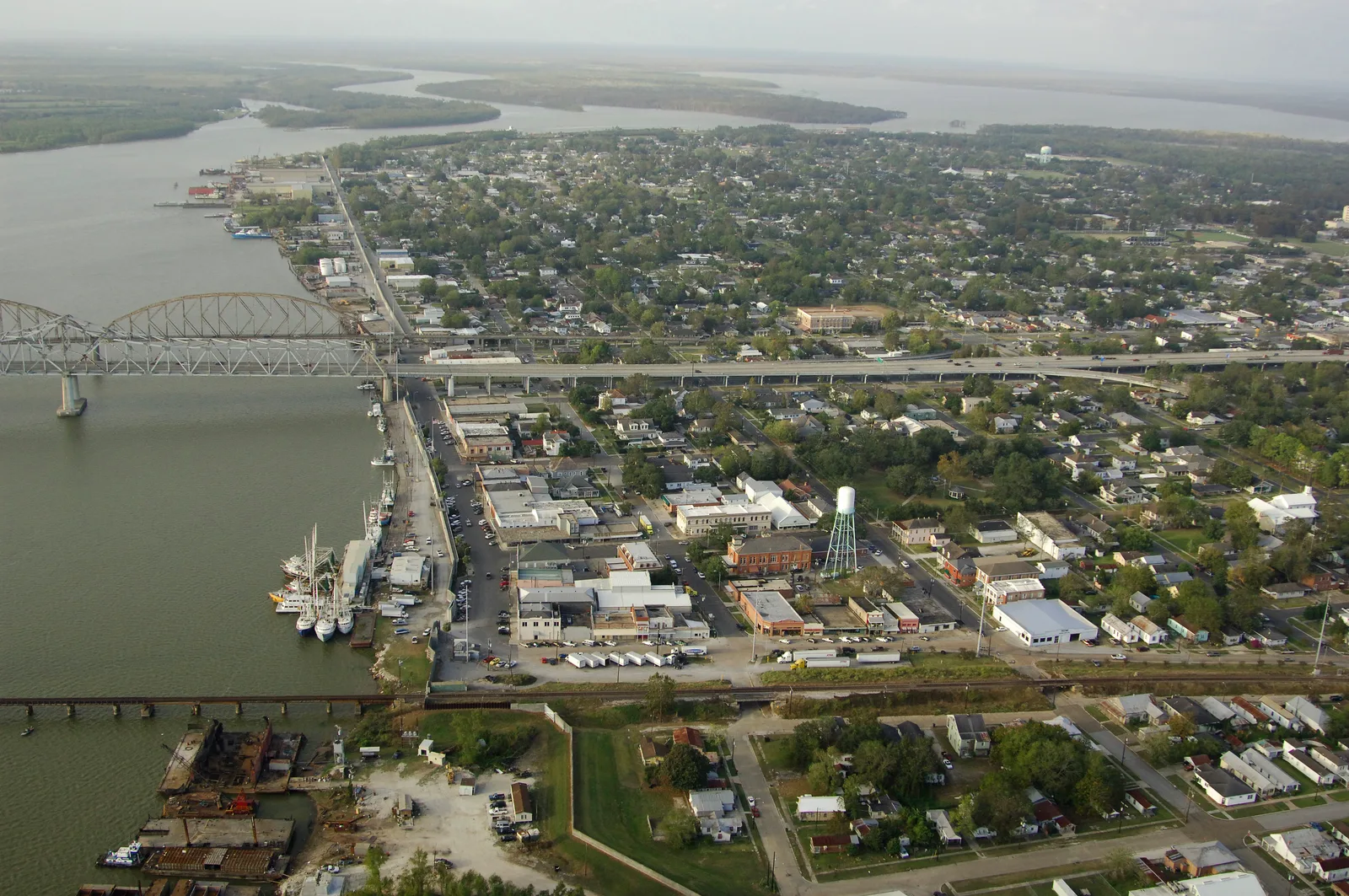
Much of St. Mary Parish sits at or below three feet above sea level, wedged between the Atchafalaya Basin, Bayou Teche, and the Gulf. That geography means water rarely drains away quickly - it lingers, seeps, and works its way into structures long after the sky clears.
Restoration work here covers a full range of property emergencies, each requiring different equipment and different sequencing:
- Water Damage Restoration - extraction, structural drying, and moisture mapping after roof leaks, plumbing failures, and storm intrusion
- Flooded Basement - pump-outs and drying for below-grade rooms, crawl spaces, sub-slab utility areas, and storm shelters
- Sewage Cleanup - removal of contaminated material after backups, ruptured lines, and lift station overflows
- Fire Damage Restoration - debris removal, structural stabilization, and content recovery
- Smoke Damage Restoration - soot removal, odor neutralization, and HVAC decontamination
- Mold Removal - containment, material removal, and humidity correction in a parish where mold rarely goes dormant
Fast response matters more here than in drier parishes. With average humidity high year-round, microbial growth can begin within a day or two of a water event, which is why extraction, drying, and mold prevention are handled as one continuous process rather than separate jobs.
Common Damage Restoration Issues in St. Mary Parish, Louisiana
Local damage patterns follow the weather, the water table, and the age of the housing stock. Hurricanes and tropical systems dominate the conversation, but everyday failures cause just as many claims.
What Causes Damage Here
- Wind-driven rain - high winds peel back roof decking and shingles, as seen when spring storms damaged parish buildings and left debris scattered across properties
- Heavy rainfall events - short, intense downpours overwhelm drainage districts and push water into slab homes
- Tornadoes - spawned from tropical systems or severe frontal lines moving through the parish
- Sewer line failures - shifting clay soils and occasional hard freezes rupture older lines, causing backups into bathrooms and laundry rooms
- Electrical fires - aging wiring in mid-century homes, plus generator and space heater misuse during outages
- Downed trees and limbs - punctured roofs that let water in for days before repairs are possible
Warning Signs Worth Acting On
- Musty odors in closets, under sinks, or near exterior walls
- Buckling or cupping floorboards and separating baseboards
- Brown staining on ceilings after a windstorm, even without visible roof damage
- Gurgling drains or slow toilets - often the first hint of a sewer main problem
- Persistent smoke odor that returns on humid days after a small kitchen fire
- Condensation on interior walls or visible growth along the base of drywall
If your property has been damaged, contact your insurance company or agent promptly, and note that the St. Mary Parish Disaster Recovery Office serves as a resource after declared events.
Neighborhoods We Serve in St. Mary Parish
Coverage extends across the parish, from the Teche corridor to the coastal communities:
- Morgan City - including the Historic District, Lake End, and areas behind the seawall
- Franklin - Main Street's historic homes, Willow Street, and surrounding rural properties
- Patterson - residential subdivisions and Kemper Williams Park area
- Berwick - riverside neighborhoods along the Atchafalaya
- Baldwin, Charenton, and Jeanerette-adjacent areas along Bayou Teche
- Amelia, Bayou Vista, and Siracusaville
- Centerville, Garden City, and Verdunville
- Ricohoc, Calumet, and Four Corners
Rural properties along Highway 90, Highway 182, and the parish's outlying bayou roads are served as well, along with commercial buildings, camps, marinas, and industrial facilities tied to the region's seafood and energy industries.
Seasonal Damage Patterns in St. Mary Parish
Winter (December - February)
- Hard freezes rupture waterlines and crack sewer lines, producing backups and sudden interior flooding
- Heating equipment and fireplace use drives kitchen and chimney fire calls
- Smoke damage from wood stoves and improperly vented heaters
Spring (March - May)
- Severe thunderstorm season brings straight-line winds, hail, and tornado risk
- Roof breaches lead to widespread water intrusion, as in the May storm damage across parish buildings
- Rising humidity restarts mold growth in materials that never fully dried over winter
Summer (June - August)
- Peak mold season - dew points stay high and air conditioning systems struggle to dehumidify
- Lightning strikes cause attic and structure fires
- Afternoon downpours overwhelm drainage, flooding low-lying and below-grade spaces
Fall (September - November)
- Height of hurricane and tropical storm activity through November
- Storm surge and sustained rainfall drive the parish's largest flooded basement and sewage cleanup volumes
- Generator-related fires and fuel spills during extended outages
Housing Characteristics & Restoration Considerations
St. Mary Parish housing spans well over a century of building practices, and each era responds differently to water, smoke, and microbial growth.
Common Construction Types
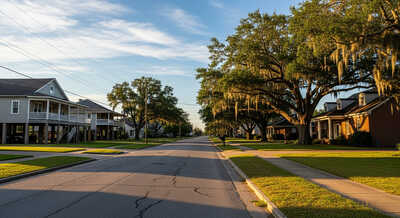
- Raised pier-and-beam cottages and Creole homes - common in Franklin and along Bayou Teche, with cypress framing, plaster walls, and open crawl spaces that trap humidity
- Post-war slab-on-grade ranch homes - vulnerable to wicking moisture through concrete and into bottom plates and drywall
- Mid-century brick veneer homes - moisture can hide between veneer and sheathing for weeks
- Manufactured and modular housing - widespread in rural areas, with belly boards that hold water and insulation that must be fully replaced
- Elevated post-flood construction - lower enclosures and utility rooms function as the practical equivalent of a basement
How This Shapes the Work
- Older homes frequently contain asbestos-era flooring and lead paint, requiring careful testing before demolition
- Plaster and lath assemblies hold water far longer than modern drywall and need injection drying or controlled removal
- Cypress and old-growth framing is worth saving - drying in place is often preferable to replacement
- Slab foundations demand moisture readings at multiple depths before flooring is reinstalled
- Balloon-framed walls let smoke and soot travel between floors, so odor treatment extends well beyond the fire room
- Tight, newer builds trap humidity, making dehumidification capacity as important as extraction capacity
Environmental Conditions & Damage Implications
The parish's environment works against drying at nearly every step, which shapes how restoration is planned and verified.
Climate and Humidity
- Relative humidity commonly sits above 70 percent for much of the year
- Outdoor air is often too moist to use for drying, so closed drying systems with commercial dehumidifiers are standard
- Mold spores are present year-round and colonize damp gypsum and cellulose quickly
Soil and Groundwater
- Alluvial clay and silty soils drain slowly and expand when saturated, stressing foundations and buried lines
- A shallow water table pushes hydrostatic pressure against slabs and below-grade walls
- Organic muck soils in coastal sections settle unevenly, cracking pipes and creating backup risk
Water Quality and Contamination
- Floodwater in the parish frequently mixes with bayou runoff, agricultural residue, and sanitary overflow - treated as Category 3 contamination
- Sewage cleanup requires antimicrobial treatment, removal of porous materials, and post-remediation verification
- Coastal salt intrusion accelerates corrosion of ductwork, fasteners, and electrical components after flooding
Air Quality After Fire
- Humid air causes soot to bond chemically with surfaces, making prompt cleaning far more effective
- Smoke odor reactivates during muggy weather when residue is left in wall cavities or HVAC systems
- Air scrubbing with HEPA filtration and thermal fogging addresses particulate that surface cleaning misses
Storm Response and Insurance Documentation in St. Mary Parish
After a named storm or severe weather outbreak, the parish moves quickly - crews focus on pumping water out, clearing debris, and restoring access. Property owners face a parallel timeline, and the actions taken in the first hours often determine how smoothly a claim resolves.
Immediate Steps After Damage
- Confirm safety first - avoid standing water near outlets or panels, and stay clear of downed lines and unstable debris
- Stop the source if it is safe - shut off water at the main, cover breached roof sections with tarp, or kill power to affected circuits
- Photograph everything before moving anything - wide shots of each room, then close-ups of damaged materials and contents
- Contact your insurance company or agent to open the claim and record the date of loss
- Reach the St. Mary Parish Disaster Recovery Office at 337-828-1960 or 337-828-4100 for assistance following declared events
- Call a restoration crew for emergency mitigation - most policies require reasonable steps to prevent further damage
Documentation That Strengthens a Claim
- Daily moisture readings recorded at fixed monitoring points throughout drying
- Equipment logs showing air mover and dehumidifier placement and run time
- Written scope of removed materials, with photos taken during demolition
- Contamination category classification for water and sewage losses
- Air sampling or surface testing results when mold is involved
- Itemized content inventories for fire and smoke losses, including salvageable versus non-salvageable items
Coordinating With Adjusters
Flood coverage and wind coverage are often separate policies in this parish, and the distinction between rising water and wind-driven rain determines which carrier pays. Detailed documentation of entry points - a peeled roof section versus a water line at the baseboard - keeps that determination clear. Restoration crews who work storms here regularly build files with adjusters in mind, so mitigation can begin without waiting for an in-person inspection that may be delayed across a hard-hit parish.