Damage Restoration in St. John the Baptist Parish, LA
- Damage Restoration Services Overview
- Common Damage Restoration Issues in St. John the Baptist Parish, Louisiana
- Neighborhoods We Serve in St. John the Baptist Parish
- Seasonal Damage Patterns in St. John the Baptist Parish
- Housing Characteristics & Restoration Considerations
- Environmental Conditions & Damage Implications
- Storm Response, Insurance Documentation, and Clear Communication in the River Parishes
Damage Restoration Services Overview
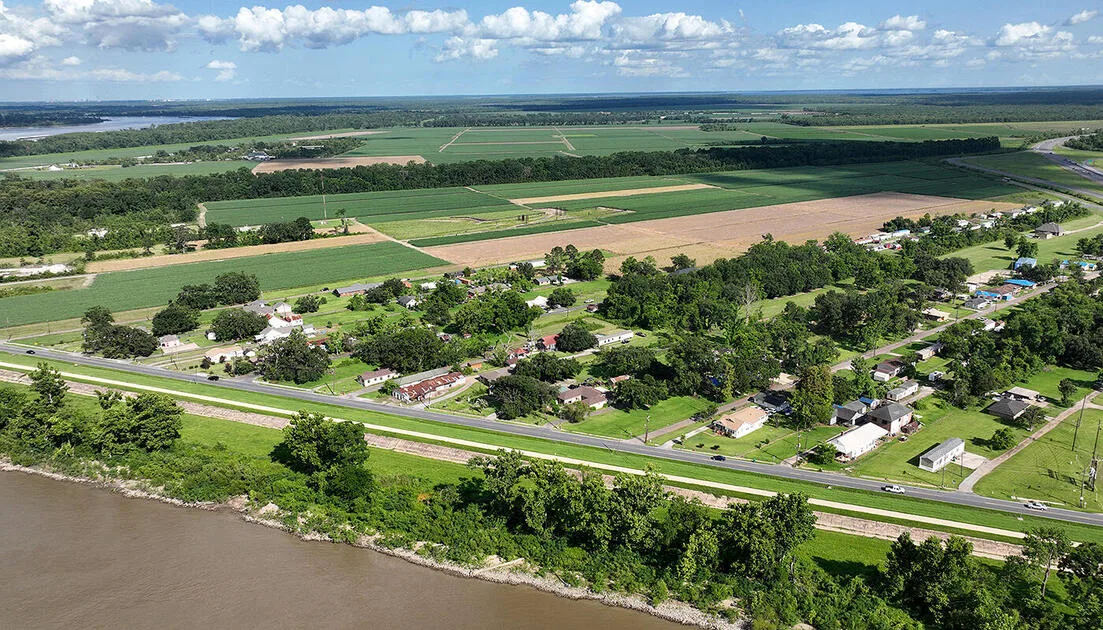
When water rises, smoke settles, or mold takes hold, the fastest path back to normal is a trained crew with the right drying, cleaning, and rebuilding equipment. St. John the Baptist Parish homes and businesses sit between the Mississippi River and Lake Pontchartrain, which means moisture is a constant companion and small problems escalate quickly.
Professional restoration covers the full range of property emergencies experienced along the River Parishes:
- Water Damage Restoration - extraction, structural drying, moisture mapping, and documentation for insurance claims after storms, roof leaks, or plumbing failures.
- Flooded Basement - pump-out, sanitizing, and dehumidification for below-grade areas, crawl spaces, and slab-level storage rooms.
- Sewage Cleanup - removal of contaminated water, disposal of porous materials, and antimicrobial treatment after backups or septic overflow.
- Fire Damage Restoration - securing the structure, debris removal, soot cleaning, and coordinated reconstruction.
- Smoke Damage Restoration - odor neutralization, HVAC cleaning, and surface-specific soot removal from walls, fabrics, and contents.
- Mold Removal - containment, air filtration, removal of colonized materials, and correction of the moisture source.
The benefit for parish residents is simple: contained damage, preserved belongings, healthier indoor air, and a clear paper trail for the insurance adjuster.
Common Damage Restoration Issues in St. John the Baptist Parish, Louisiana
Geography drives most of the damage claims here. A high water table, flat terrain, and heavy subtropical rainfall combine so that a single afternoon storm can push water into homes that have never taken on water before.
Local Causes We See Most Often
- Tropical systems and hurricane bands pushing rain through wind-damaged roofs and window seals
- Extended power outages - Entergy crews working substation repairs after storms - that shut down sump pumps, dehumidifiers, and air conditioning
- Storm surge and drainage backup near LaPlace, Reserve, and low-lying canal-adjacent lots
- Sanitary sewer backups when lift stations lose power or rainfall overwhelms lines
- Slab moisture wicking into flooring and baseboards during humid stretches
- Electrical fires from generator misuse, space heaters, and aging panel wiring
- Grease and kitchen fires that spread smoke odor through ductwork within minutes
Warning Signs Worth Acting On
- Musty odor in closets, laundry rooms, or under-stair storage
- Buckled laminate, cupped hardwood, or tile that sounds hollow underfoot
- Staining along the bottom four inches of drywall
- Condensation on supply vents or interior walls
- Soot film reappearing on surfaces days after a small fire
- Gurgling drains or slow toilets, often the first hint of a sewer line problem
Even in seasons when the community avoids severe flooding and sees only isolated downed trees, hidden moisture behind walls continues working. Quiet damage is still damage.
Neighborhoods We Serve in St. John the Baptist Parish
Coverage spans both the east and west banks of the river, with crews familiar with local street flooding patterns and access routes after storms.
- LaPlace - including Belle Terre, Cambridge, Woodland, and Airline Highway corridor properties
- Reserve - older river-road homes and newer subdivisions off Highway 44
- Garyville - historic district residences and industrial-adjacent commercial buildings
- Mount Airy and Lions - rural lots with septic systems and crawl-space construction
- Edgard, Wallace, and Pleasure Bend - west bank communities along River Road
- Ruddock and Frenier - lakeside properties exposed to Lake Pontchartrain surge
Surrounding areas including St. Charles Parish, St. James Parish, and the Kenner-Metairie side of the Interstate 10 corridor are also within regular service range.
Seasonal Damage Patterns in St. John the Baptist Parish
Restoration demand here follows a predictable rhythm tied to the Gulf climate.
- January - February: Cold snaps burst exposed pipes and hose bibs. Space heater and fireplace fires spike, bringing smoke damage calls. Closed-up houses trap humidity, feeding mold behind furniture.
- March - May: Spring thunderstorm lines drive roof leaks, water intrusion, and flooded low-lying garages. Rising temperatures accelerate mold growth in anything left damp over winter.
- June - August: Peak humidity plus early hurricane season. Air conditioning condensate line clogs are a leading cause of ceiling and closet water damage. Sewage backups increase during heavy rain events.
- September - October: The most active stretch for tropical systems. Expect wind-driven rain, flooded basements and crawl spaces, extended outages, and generator-related fires.
- November - December: Holiday cooking fires, candle incidents, and heating system startups produce smoke and soot damage. Cooler nights create condensation on ducts and windows.
Scheduling gutter checks, sump pump tests, and dryer vent cleaning ahead of each shift lowers the odds of an emergency call.
Housing Characteristics & Restoration Considerations
The parish housing stock is a mix of mid-century river-road homes, 1970s - 1990s subdivision builds in LaPlace and Reserve, and post-storm reconstruction that raised many structures on piers. Each build type responds differently to water and fire.
Construction Types and Their Impact
- Slab-on-grade homes: Common throughout LaPlace. Water spreads horizontally under flooring and wicks up drywall, so extraction plus targeted structural drying matters more than surface mopping.
- Pier-and-beam and elevated homes: Crawl spaces trap standing water and humidity, creating ideal mold conditions on floor joists and subfloor insulation.
- Older homes with plaster and shiplap: Layered wall assemblies hide moisture and hold smoke odor, often requiring partial removal rather than surface cleaning.
- Brick veneer over wood frame: Water travels behind the veneer and stays hidden until sheathing softens.
- Manufactured and modular housing: Vinyl-backed drywall and particleboard subfloors deteriorate quickly and typically need replacement after saturation.
Practical Restoration Notes
- Below-grade or partially sunken storage areas need pump-out before any drying equipment is staged.
- Homes with septic systems require added caution during sewage cleanup, including containment and protective equipment.
- Older ductwork spreads soot and mold spores parish-wide; HVAC cleaning is often part of a complete job.
- Renovation and repair permits are handled through parish offices, and crews can coordinate documentation for rebuild work.
Environmental Conditions & Damage Implications
St. John the Baptist Parish sits on soft alluvial soil with a shallow water table, wrapped in humidity that rarely drops for long. Those conditions change how restoration must be performed.
Climate and Air
- Average relative humidity stays high year-round, so passive air drying rarely works - commercial dehumidification is required to pull materials back to dry standard.
- Long warm seasons mean mold can colonize damp drywall within a couple of days.
- Industrial corridor activity along the river adds particulate load, which combines with soot and makes post-fire air scrubbing more important.
Soil and Water
- Clay-heavy alluvial soil drains slowly and holds water against foundations after rain.
- Soil settlement creates slab cracks and separations where groundwater enters.
- Flat topography limits natural runoff, leaving standing water in yards and crawl spaces for days.
- Storm-driven floodwater frequently mixes with sewer overflow, so intrusions are treated as contaminated until proven otherwise.
What This Means for Your Property
- Moisture readings should be taken at multiple depths, not just surface level.
- Antimicrobial application is standard practice, not an upsell, in this climate.
- Post-drying verification protects against callbacks and repeat mold growth.
- Contents affected by smoke often need off-site cleaning because ambient humidity slows on-site deodorization.
Storm Response, Insurance Documentation, and Clear Communication in the River Parishes
After a major storm, the difference between a smooth claim and a frustrating one usually comes down to documentation and honest updates. Parish residents already juggle outage information lines, permit offices, and adjuster calls - restoration should reduce that load, not add to it.
How a Transparent Restoration Project Runs
- Emergency contact and triage: Describe what happened, what you see, and whether power and water are on. Safety hazards and standing water get priority.
- On-site inspection: Technicians map moisture, categorize water contamination, and photograph every affected room before anything is moved.
- Written scope: You receive a plain-language explanation of what is being removed, what is being dried in place, and why.
- Mitigation: Extraction, pump-out, soot removal, containment barriers, and equipment placement begin immediately.
- Daily monitoring: Moisture logs and equipment readings are recorded and shared, so progress is measurable rather than assumed.
- Clearance and rebuild planning: Drying verification, mold clearance where applicable, and coordination with permitting for reconstruction.
What to Expect From Your Restoration Team
- Photo and moisture documentation formatted for insurance carriers
- A named point of contact rather than a rotating call center
- Explanation of which materials can be saved and which cannot, with the reasoning behind each call
- Notice before any change in scope or additional demolition
- Guidance on what you can safely handle yourself versus what needs professional equipment
Steps You Can Take Before Crews Arrive
- Shut off water or electricity at the source if it is safe to do so
- Photograph damage from multiple angles before moving belongings
- Move small valuables and documents to a dry, elevated area
- Avoid running HVAC after a fire, which spreads soot through the whole house
- Stay out of areas with sewage contamination until cleanup is complete