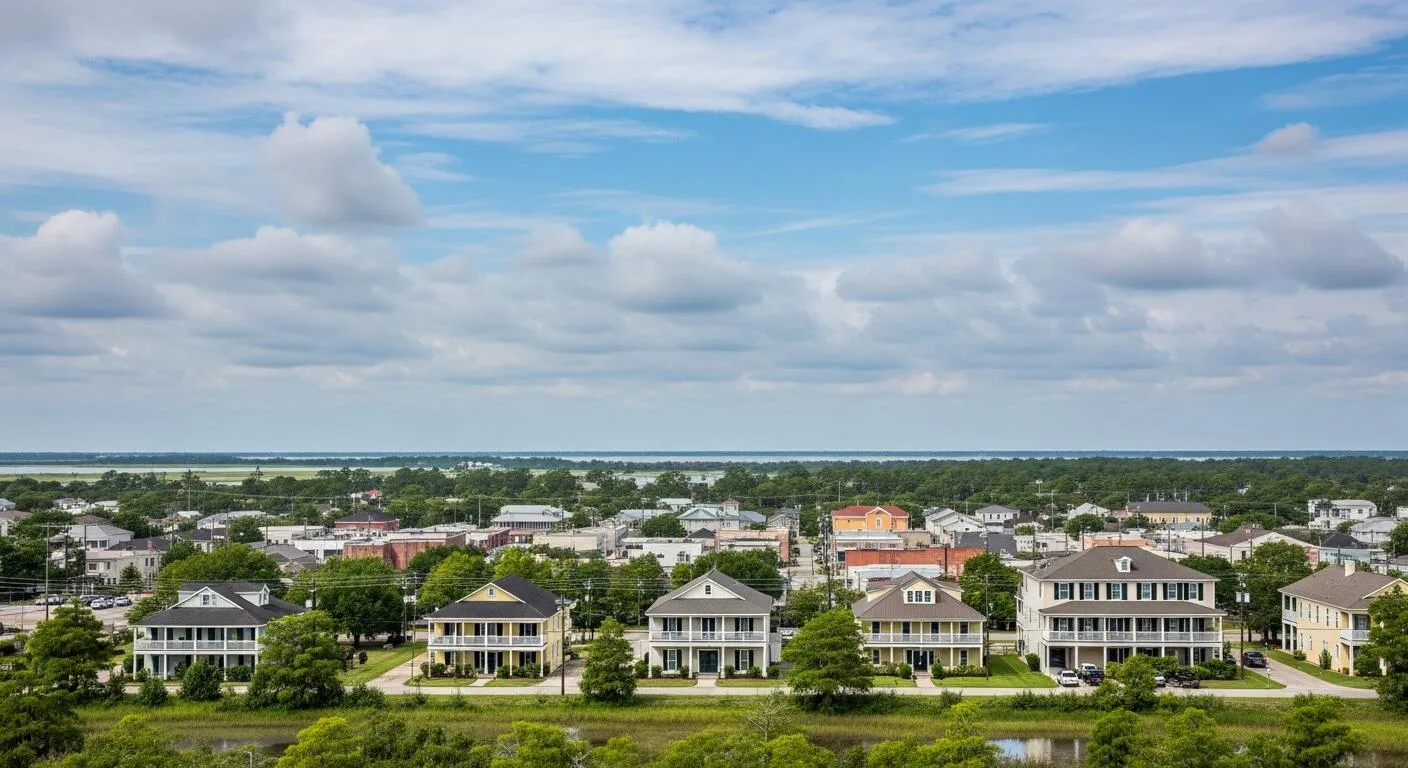
Damage Restoration in St. Bernard Parish, LA
- Damage Restoration Services Overview
- Common Damage Restoration Issues in St. Bernard Parish, Louisiana
- Neighborhoods We Serve in St. Bernard Parish
- Seasonal Damage Patterns in St. Bernard Parish
- Housing Characteristics & Restoration Considerations
- Environmental Conditions & Damage Implications
- Rebuilding Lessons: Why Documentation Matters for St. Bernard Homeowners
Damage Restoration Services Overview

What happens in the first few hours after water pushes past your threshold, or after a kitchen fire fills every room with acrid smoke? In St. Bernard Parish, where the water table sits high and storm season is a yearly fact of life, that answer often decides whether a home is dried and saved or gutted to the studs.
Restoration work here spans a full range of emergencies, and most properties eventually see more than one:
- Water Damage Restoration - extraction, structural drying, and moisture mapping after pipe breaks, roof leaks, and rising water
- Flooded Basement - pumping and drying of below-grade rooms, crawl spaces, sunken dens, and slab-level living areas
- Sewage Cleanup - containment and disinfection after backups from overwhelmed lines and lift stations
- Fire Damage Restoration - debris removal, structural stabilization, and contents recovery
- Smoke Damage Restoration - soot removal, thermal fogging, HVAC cleaning, and odor neutralization
- Mold Removal - containment, controlled demolition, and remediation verified by independent hygienist testing
Benefits for parish residents are practical: faster drying reduces microbial growth, documented moisture readings support insurance claims, and IICRC-certified methods keep the repair scope honest rather than inflated.
Common Damage Restoration Issues in St. Bernard Parish, Louisiana
Geography drives most of the damage calls here. The parish sits low, ringed by levees and marsh, with humidity that rarely drops enough to let a wet wall dry on its own.
Local Causes We See Repeatedly
- Tropical systems and heavy rain bands that overwhelm drainage canals and pump stations
- Storm surge and backwater flooding along the Forty Arpent and MRGO corridors
- Sewer line backups when saturated soil and rainfall infiltrate aging collection systems
- Slab moisture wicking into flooring after prolonged saturation
- Roof and soffit damage from wind, allowing slow leaks into attics and wall cavities
- Electrical fires in homes with older or hastily rebuilt post-Katrina wiring
- Kitchen grease fires that spread smoke and soot through open floor plans
Warning Signs Worth Acting On
- Musty odor in closets, under sinks, or near exterior walls
- Baseboards that feel soft, swollen, or separated from the wall
- Tile or vinyl plank lifting at seams months after a rain event
- Persistent condensation on ductwork or supply registers
- Dark speckling on drywall paper behind furniture
- Soot film reappearing on walls weeks after a small fire was cleaned
- Slow drains parish-wide during heavy rain, a precursor to backup
Summer heat accelerates everything. A wall that stays damp for two days in January may show visible mold growth in three days in August.
Neighborhoods We Serve in St. Bernard Parish
Crews respond across the parish and into neighboring communities, with familiarity for how each area drains and floods.
- Chalmette - including Village Square, Buccaneer Villa, and the Judge Perez corridor
- Arabi - older housing stock near the river and the Orleans Parish line
- Meraux - subdivisions off Bayou Road and Palmisano
- Violet and Poydras - properties near the canal and pump stations
- St. Bernard village, Toca, and Verret
- Braithwaite-adjacent and lower parish properties toward Delacroix, Reggio, and Yscloskey
- Shell Beach and Hopedale camps and elevated homes
We also serve adjacent areas of the Lower Ninth Ward, Holy Cross, and eastern Orleans Parish when storms cross parish lines and demand a wider response.
Seasonal Damage Patterns in St. Bernard Parish
Restoration demand follows a fairly predictable calendar along the lower Mississippi.
- January - February: Occasional hard freezes burst exposed pipes on raised homes and camps, producing sudden water damage. Heating equipment and space heaters raise fire and smoke risk.
- March - May: Spring squall lines bring wind-driven rain, roof leaks, and the season's first flooded basement and crawl space calls. Rising humidity restarts dormant mold colonies.
- June - August: Peak heat and daily thunderstorms. Sewage backups spike during downpours, condensation damage appears around underperforming HVAC systems, and mold removal requests climb sharply.
- September - October: Hurricane season peak. Surge, prolonged power loss, and multi-day saturation drive large-scale water damage restoration and post-flood mold remediation.
- November - December: Cooking and holiday-season fires increase, along with smoke damage that travels through ductwork into untouched rooms.
Year-round, high groundwater means any water intrusion dries more slowly here than in drier climates - which is why dehumidification capacity matters more than extraction speed alone.
Housing Characteristics & Restoration Considerations
St. Bernard's building stock tells the story of two eras: mid-century construction and the enormous rebuild that followed Hurricane Katrina. More than 92% of Road Home properties in the parish suffered damage exceeding their pre-storm value, and the rebuilding that followed varied widely in quality and material choice.
Typical Construction Traits
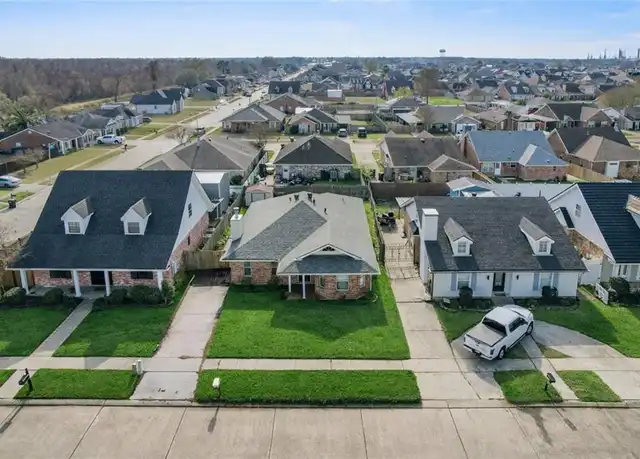
- Slab-on-grade brick veneer ranch homes from the 1950s through 1970s
- Raised and elevated homes built or rebuilt after 2006 to updated flood standards
- Shotgun and Creole cottage styles in Arabi and near the river
- Crawl spaces, sunken dens, and below-grade utility rooms that behave like basements
- Mixed-vintage wiring and plumbing where partial rebuilds met original framing
How That Shapes Restoration
- Slab homes: water travels laterally under flooring; drying often requires floor removal or injection systems rather than surface air movement
- Post-2006 rebuilds: spray foam and tight envelopes trap moisture, making mold removal more likely if drying stalls
- Older plaster and shiplap: holds soot deeply, so smoke damage restoration needs cleaning methods matched to porous surfaces
- Elevated homes: under-house utilities freeze and leak, and sewage lines beneath are exposed to storm intrusion
- Layered flooring: tile over vinyl over original slab hides saturated adhesive that reads dry at the surface
Documenting these layers with meters and thermal imaging prevents the common mistake of closing walls over moisture that has not left the structure.
Environmental Conditions & Damage Implications
The parish sits within a humid subtropical climate on deltaic soils, and both conditions shape how damage develops and how restoration must be handled.
Climate and Air
- Average relative humidity frequently above 70%, slowing evaporative drying
- Long warm season keeps indoor temperatures in the range where mold thrives
- Industrial corridor along the river contributes particulates that mix with soot residues
- Smoke odor lingers longer in humid air because moisture reactivates residues
Soil and Water
- Soft alluvial clay and organic soils with a shallow water table
- Subsidence causing slab cracks and separation, giving groundwater entry points
- Drainage dependent on canals and pumping rather than natural runoff
- Floodwater that mixes stormwater with sewage, canal, and marsh contamination
Practical Consequences
- Nearly all parish flooding should be treated as Category 3 water until proven otherwise
- Dehumidification, not just fans, drives structural drying to completion
- Mold remediation should be verified by independent hygienist testing rather than a visual pass
- Contents exposed to sewage or floodwater need separate handling from clean-water losses
- HVAC systems require inspection after both flood and fire events to stop recontamination
These conditions are why drying plans built for drier regions underperform here and why local calibration of equipment counts.
Rebuilding Lessons: Why Documentation Matters for St. Bernard Homeowners
Few communities in the country have learned more about the gap between damage suffered and damage covered. More than 76% of St. Bernard homeowners had losses that were not fully covered by Road Home grants, insurance, and FEMA assistance combined - the highest share in Louisiana. Lower pre-storm property values meant even well-kept homes received less than the cost to rebuild. As Parish President Louis Pomes noted, families here remain focused on repairing damage and getting properties back to normal.
That history changes how restoration should be approached. Thorough documentation is not paperwork for its own sake; it is leverage.
What Strong Documentation Includes
- Pre-mitigation photos and video of every affected room before anything is moved or removed
- Moisture maps and daily readings showing where water traveled and how drying progressed
- Thermal imaging of wall cavities, ceilings, and subfloors
- Category and class determination for the water source, which drives scope and coverage
- Independent hygienist testing before and after mold removal, kept separate from the remediation contractor
- Contents inventory distinguishing salvageable, cleanable, and total-loss items
- Equipment logs recording dehumidifier and air mover placement and run time
How Local Knowledge Helps
- Familiarity with parish permitting and elevation requirements during repairs
- Understanding which subdivisions historically take water first during pump strain
- Experience with slab drying on delta soils where standard timelines fall short
- Awareness of how post-Katrina rebuild materials respond to soot, water, and humidity
- 24/7 response so mitigation begins before contamination spreads through HVAC
Working with certified crews who know St. Bernard's building history gives homeowners a clearer, better-supported claim and a repair scope grounded in what actually happened inside the walls.