Damage Restoration in Lincoln Parish, LA
- Damage Restoration Services Overview
- Common Damage Restoration Issues in Lincoln Parish, Louisiana
- Neighborhoods We Serve in Lincoln Parish
- Seasonal Damage Patterns in Lincoln Parish
- Housing Characteristics & Restoration Considerations
- Environmental Conditions & Damage Implications
- Start-to-Finish Storm and Disaster Recovery in Ruston and Lincoln Parish
Damage Restoration Services Overview
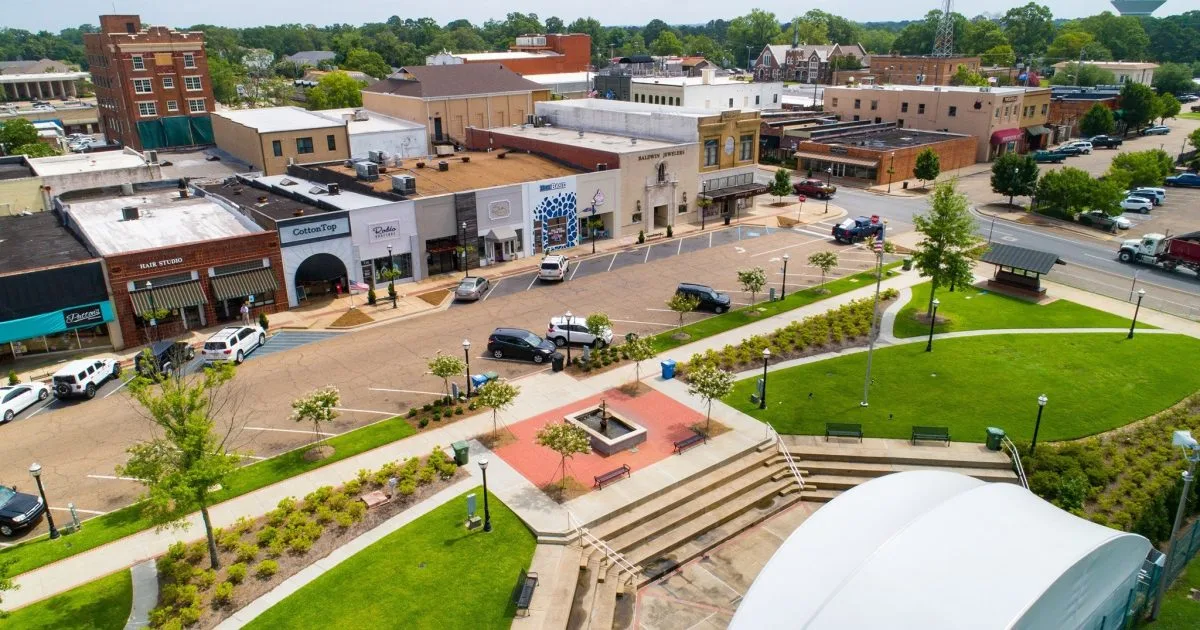
Lincoln Parish sits roughly 300 feet above sea level, yet it still floods - proof that elevation offers no protection when 6 inches of rain falls on clay-heavy soil in a single afternoon. Ruston, Grambling, and the surrounding communities have learned that lesson repeatedly, from the 2019 tornado to hurricane remnants that push inland from the Gulf.
Restoration work in North Louisiana covers a wide spectrum of property emergencies, and most homeowners face more than one at a time. A roof breach lets in rain, the rain saturates insulation, and mold follows within days.
- Water Damage Restoration - extraction, structural drying, and moisture mapping after roof leaks, pipe failures, and storm intrusion
- Flooded Basement - pump-out, dehumidification, and treatment of below-grade spaces, crawlspaces, and storm cellars
- Sewage Cleanup - containment and sanitizing after septic backups, main line failures, and lift station overflows
- Fire Damage Restoration - board-up, debris removal, structural cleaning, and rebuild coordination
- Smoke Damage Restoration - soot removal from surfaces, HVAC decontamination, and odor neutralization
- Mold Removal - containment, HEPA filtration, affected material removal, and humidity correction
The benefit of handling all six under one roof is simple: no gaps between contractors, no finger-pointing over who dries what, and a single documented file for your insurance carrier.
Common Damage Restoration Issues in Lincoln Parish, Louisiana
Most Lincoln Parish damage claims trace back to three sources - severe weather, aging plumbing, and humidity that never really goes away.
Local Causes We See Repeatedly
- Wind-driven rain and roof failures - tarp-over needs spike after every major system; the Lincoln Parish Sheriff's Office has distributed tarps to residents after past storms
- Hurricane remnants - Gulf systems weaken but still deliver sustained rain and tree fall across Ruston and Choudrant
- Septic and rural sewer backups - saturated clay soil prevents drain fields from absorbing, forcing waste back into homes
- Pier-and-beam crawlspace saturation - standing water under older homes feeds mold in subfloors
- Space heater and fireplace fires - January and February bring the highest structure fire volume
- Kitchen grease fires - the leading cause of smoke damage that spreads through every room via HVAC returns
Warning Signs Worth Acting On
- Musty odor in closets, hallways, or near floor vents - often mold behind drywall before any stain appears
- Cupping or buckling hardwood, especially near exterior walls
- Slow drains throughout the house at once, which points to a main line or septic issue rather than a single clog
- Yellow-brown ceiling rings that reappear after painting
- Soot film on the cold side of walls or on light switch plates after any fire, even a contained one
- Condensation on ductwork or windows during humid stretches
Hurricane-related losses in Louisiana carry filing deadlines, so documenting damage early protects your claim.
Neighborhoods We Serve in Lincoln Parish
Coverage extends across the entire parish and into surrounding North Louisiana communities.
- Ruston - downtown historic district, Tech-area rentals, Cooktown, and newer subdivisions along Highway 33
- Grambling - campus-adjacent housing and residential streets off Highway 80
- Choudrant - rural properties and homes near Bayou D'Arbonne
- Dubach - older frame homes and outbuildings in northern Lincoln Parish
- Simsboro - along the I-20 corridor
- Vienna and Hico - unincorporated communities with septic-dependent properties
Service also reaches nearby areas in Union, Jackson, Bienville, and Ouachita Parishes, including West Monroe and Monroe. Multifamily properties, Louisiana Tech-area rental housing, churches, restaurants, and small commercial buildings receive the same response as single-family residences.
Seasonal Damage Patterns in Lincoln Parish
Each season brings a different mix of calls, and knowing the pattern helps property owners prepare.
- December - February: Fire and smoke damage peak with heating equipment, fireplaces, and candles. Hard freezes split supply lines and outdoor spigots, producing sudden water damage when temperatures rebound.
- March - May: Severe thunderstorm and tornado season. Hail and wind strip shingles, roof leaks flood attics and interiors, and flooded basements and crawlspaces follow heavy rainfall.
- June - August: Humidity above 80 percent drives mold growth. Air conditioning condensate line clogs cause ceiling and closet water damage. Septic systems struggle in saturated ground, leading to sewage backups.
- September - November: Hurricane remnants arrive from the Gulf, bringing sustained rain, tree strikes, and widespread tarp-over needs. Late fall burn season contributes smoke odor complaints, and the first heater use of the year ignites dust in dormant furnaces.
- Inspect roofing and flashing in early spring and again in late summer
- Flush AC condensate lines monthly during cooling season
- Have chimneys and heating systems serviced before December
- Keep gutters clear ahead of tropical systems
Housing Characteristics & Restoration Considerations
Lincoln Parish housing stock skews older than the national average, with a large share of homes built before 1980 - and that construction era dictates how restoration must be performed.
Common Construction Types
- Pier-and-beam frame homes - common in older Ruston and Dubach neighborhoods; vented crawlspaces trap moisture and require subfloor drying rather than surface-only extraction
- Slab-on-grade ranch homes - 1960s through 1990s builds where water wicks into bottom plates and baseboards, hidden until mold appears
- Historic homes near downtown Ruston - plaster walls, shiplap, and original millwork that need controlled drying to avoid loss of irreplaceable materials
- Student rental properties - high-turnover units near Louisiana Tech and Grambling State where deferred plumbing maintenance produces supply line and water heater failures
- Newer subdivisions - engineered flooring and blown insulation that hold water invisibly and demand thermal imaging to locate
How Age Affects Each Service
- Pre-1978 homes require lead-safe practices during fire and water demolition
- Pre-1980 buildings may contain asbestos in floor tile, mastic, and pipe wrap - testing precedes mold or fire demolition
- Cast iron and galvanized drain lines in older homes fail gradually, raising sewage backup risk
- Knob-and-tube or aging aluminum wiring increases electrical fire likelihood and complicates rebuild
- Original single-pane windows and uninsulated walls encourage condensation and hidden mold
Environmental Conditions & Damage Implications
North Louisiana's climate is the single largest variable in how fast damage spreads. Average annual rainfall exceeds 55 inches, and relative humidity stays high nearly year-round.
Climate and Moisture
- Warm, humid air means untreated water damage can support visible mold growth within 24 to 48 hours
- Summer dew points regularly stay high enough that opening windows to "air out" a wet structure makes conditions worse
- Dehumidification, not fans alone, is what actually dries a Lincoln Parish structure
Soil and Drainage
- Heavy clay soils across the parish drain slowly, holding water against foundations and crawlspace piers
- Poor percolation stresses rural septic drain fields, contributing to backups after prolonged rain
- Rolling terrain around Ruston channels runoff toward low-lying properties and below-grade spaces
- Expansive clay movement cracks slabs and foundation walls, creating entry points for groundwater
Air Quality Effects
- Smoke particulate from structure fires bonds tightly to surfaces in humid air, making professional cleaning agents necessary rather than general cleaners
- Seasonal pollen and agricultural dust load HVAC systems, and contaminated ductwork recirculates both soot and mold spores
- Well water is common outside city limits, and iron or sulfur content can complicate cleaning and leave staining after flooding
Moisture readings, thermal imaging, and post-remediation verification account for these regional conditions rather than relying on generic drying standards.
Start-to-Finish Storm and Disaster Recovery in Ruston and Lincoln Parish
The most costly mistake after a Lincoln Parish storm is treating recovery as a series of separate jobs. A single event usually creates water damage, mold risk, and structural loss at once, and each handoff between contractors adds days of drying time you do not have.
How the Process Runs
- Emergency contact and assessment - crews evaluate structural safety, electrical hazards, and contamination category before anything is moved
- Board-up and roof tarp-over - stopping further intrusion comes first, especially after wind damage or fire department entry
- Water extraction and sewage containment - standing water is removed, and Category 3 losses are isolated with containment barriers and negative air
- Controlled demolition - unsalvageable drywall, insulation, carpet pad, and charred framing come out, with pre-testing on older homes
- Structural drying - air movers plus commercial dehumidifiers, with daily moisture logs until materials reach dry standard
- Mold remediation - HEPA filtration, antimicrobial application, and clearance verification where growth is found
- Soot and odor treatment - surface cleaning, HVAC decontamination, thermal fogging or hydroxyl treatment for smoke odor
- Content cleaning and storage - salvageable furniture, textiles, and documents handled off-site while work proceeds
- Reconstruction - drywall, flooring, trim, paint, and roofing returned to pre-loss condition
Insurance Documentation Support
- Photo and video records captured before any material is removed
- Daily moisture and equipment logs adjusters expect to see
- Detailed scope and line-item estimates written in industry-standard formats
- Direct communication with your adjuster so you are not relaying technical details
- Awareness of Louisiana claim filing windows, which matter greatly after named storms
One team, one file, one point of contact - from the first tarp on the roof to the last coat of paint.