Damage Restoration in Rapides Parish, LA
- Damage Restoration Services Overview
- Common Damage Restoration Issues in Rapides Parish, Louisiana
- Neighborhoods We Serve in Rapides Parish
- Seasonal Damage Patterns in Rapides Parish
- Housing Characteristics & Restoration Considerations
- Environmental Conditions & Damage Implications
- Hurricane Recovery, Insurance Documentation, and the First 72 Hours
Damage Restoration Services Overview

Walking into standing water, smelling smoke in your walls, or spotting black speckling along a baseboard puts a knot in your stomach. Property damage in Rapides Parish rarely announces itself politely - it arrives with a tropical system, a burst supply line, or a backed-up sewer main at 2 a.m.
Restoration work exists to shorten that emergency and return your home to a safe, dry, sanitary condition. The services most often needed across central Louisiana include:
- Water Damage Restoration - extraction, structural drying, moisture mapping, and controlled dehumidification after leaks, roof breaches, or flooding.
- Flooded Basement and below-grade cleanup - pump-out, sanitizing, and drying of crawlspaces, sunken slabs, and basements where they exist.
- Sewage Cleanup - removal of Category 3 black water, contaminated porous materials, and full antimicrobial treatment.
- Fire Damage Restoration - board-up, debris removal, structural cleaning, and rebuild coordination.
- Smoke Damage Restoration - soot removal, thermal fogging, HVAC decontamination, and odor neutralization.
- Mold Removal - containment, HEPA filtration, material removal, and moisture-source correction.
The benefit for Rapides Parish homeowners is straightforward: faster mitigation means fewer materials thrown in the dumpster, less structural repair, and stronger documentation when the insurance adjuster arrives.
Common Damage Restoration Issues in Rapides Parish, Louisiana
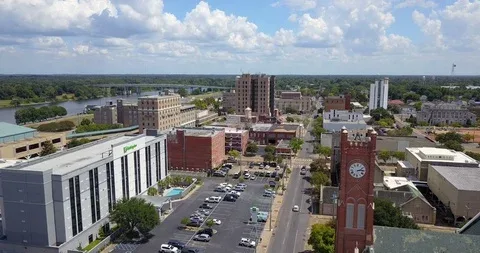
Rapides Parish sits along the Red River with heavy clay soils, a high water table, and a subtropical climate that keeps humidity elevated most of the year. That combination creates predictable damage patterns.
Local Causes We See Most
- Hurricane and tropical storm remnants pushing rain through damaged roofs and soffits in Alexandria and Pineville.
- Flash flooding from stalled thunderstorms overwhelming ditches and storm drains.
- Red River and bayou backwater rises saturating crawlspaces and low-lying slabs.
- Sanitary sewer surcharges during heavy rain, pushing black water into tubs, floor drains, and laundry rooms.
- Winter pipe ruptures during hard freezes in homes with uninsulated exterior wall plumbing.
- Electrical and kitchen fires, plus space heater incidents during cold snaps.
Warning Signs Worth Acting On
- Musty odor that intensifies when the air conditioning kicks on - often mold inside ductwork or wall cavities.
- Cupping or crowning hardwood, or vinyl plank lifting at seams.
- Tape joints separating and nail pops appearing along ceilings after a storm.
- Persistent smoke smell that returns on humid days, indicating soot residue still in porous materials.
- Gurgling drains or slow tubs, a common precursor to a sewage backup.
- Condensation on supply registers and elevated indoor humidity above roughly 60 percent.
A hurricane loss here really is a 90-day window. What happens in the first week determines whether the structure dries in place or whether the lower four feet of wall assembly has to come out.
Neighborhoods We Serve in Rapides Parish
Coverage extends across the parish and into surrounding communities, with response teams familiar with the layout of older and newer subdivisions alike.
- Alexandria - downtown, Garden District, Bolton Avenue corridor, and the MacArthur Drive area.
- Pineville - Kingsville, Ball Cutoff, and neighborhoods near Louisiana College.
- Ball, Tioga, and Rapides Station - newer slab construction and rural acreage properties.
- Boyce, Lecompte, Cheneyville, Woodworth, Glenmora, and Forest Hill - smaller communities with a mix of pier-and-beam and modern builds.
- Deville, Elmer, Gardner, and Hot Wells - rural routes where septic and well systems complicate water losses.
Neighboring parishes including Avoyelles, Grant, Vernon, Allen, Evangeline, and Natchitoches are also within the service footprint, which matters when a regional storm stretches every crew thin.
Seasonal Damage Patterns in Rapides Parish
Winter (December - February)
- Hard freezes rupture exposed hose bibs and attic supply lines, producing sudden water damage.
- Heating equipment, fireplaces, and space heaters drive fire and smoke damage calls.
- Puffback events from oil and gas furnaces leave soot film across entire interiors.
Spring (March - May)
- Severe thunderstorms, hail, and tornado activity open roofs to rain intrusion.
- Saturated clay soils push groundwater into crawlspaces and below-grade spaces.
- Sewer surcharges rise as combined rainfall overwhelms municipal lines.
Summer (June - August)
- Peak mold season - humidity, undersized AC systems, and closed-up vacation homes accelerate growth.
- Condensate line clogs flood hallways and closets around air handlers.
- Lightning strikes trigger attic fires and electrical losses.
Fall (September - November)
- Hurricane season peak brings wind-driven rain, flooded interiors, and widespread power loss.
- Post-storm mold blooms appear one to three weeks after a wetting event.
- Generator misuse and candle use during outages raise fire risk.
Housing Characteristics & Restoration Considerations
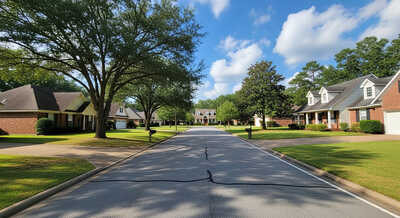
Rapides Parish housing spans more than a century of building practice, and each era dries differently.
Common Construction Types
- Pre-1950 pier-and-beam cottages in Alexandria's older districts - shiplap sheathing, plaster walls, and open crawlspaces that trap humidity and harbor mold.
- Mid-century ranch homes with hardwood or asbestos-containing tile that requires testing before demolition.
- 1980s-2000s slab-on-grade builds in Tioga, Ball, and Woodworth - wicking concrete slabs and tack-strip carpet that hold moisture invisibly.
- Manufactured and modular homes across rural routes - belly wrap holds water and rarely dries without removal.
- Newer energy-tight construction that resists air exchange, meaning trapped humidity lingers after a loss.
How Age Affects the Work
- Older lath-and-plaster walls need injection drying or careful cavity access rather than blanket demolition.
- Homes with knob-and-tube or aluminum wiring require electrical clearance before equipment is energized after a fire or flood.
- Slab foundations demand moisture meter readings at multiple depths, since surface dryness misleads.
- Ductwork in unconditioned attics collects soot and mold spores and often needs cleaning or replacement.
- Sewage losses in pier-and-beam homes usually require subfloor removal and insulation replacement underneath.
Environmental Conditions & Damage Implications
Central Louisiana averages roughly 58 to 62 inches of rain per year with relative humidity frequently above 70 percent. Those numbers shape every drying plan.
Climate and Moisture
- Long warm seasons keep indoor dew points high, so open-window drying often makes conditions worse.
- Closed drying systems with desiccant or LGR dehumidifiers are the practical standard here.
- Mold can colonize damp materials within roughly 24 to 48 hours in summer conditions.
Soil and Groundwater
- Expansive clay soils swell and shrink, cracking slabs and creating entry points for groundwater.
- Poor percolation means yard water pools against foundations after storms.
- A shallow water table near the Red River and area bayous keeps crawlspaces damp year-round.
Water and Air Quality Factors
- Rural septic systems can surcharge during saturation, turning a plumbing issue into a Category 3 sewage cleanup.
- Flood water may carry agricultural runoff, fuel, and bacteria - it is never treated as clean water.
- Pollen, pine soot, and post-fire particulates load HVAC filters, worsening indoor air quality for asthma and allergy sufferers.
Correcting the moisture source - grading, gutters, vapor barriers, sump systems - is what keeps mold from returning after remediation.
Hurricane Recovery, Insurance Documentation, and the First 72 Hours
Storm season is when Rapides Parish homeowners face the hardest decisions, usually without power and with adjusters weeks out. What happens immediately after the water stops rising carries more weight than anything done later.
Priority Steps After a Storm Loss
- Confirm safety first - shut off power to affected circuits and avoid standing water near energized equipment.
- Photograph and video everything before moving contents, including serial numbers and flooring transitions.
- Stop the source - tarp the roof, board openings, cap broken lines, and isolate sewer backflow.
- Extract standing water and remove saturated carpet pad, which holds moisture longer than almost any other material.
- Establish containment and set drying equipment with documented moisture readings.
- Perform controlled demolition only where materials fail to dry, typically flood cuts above the water line.
- Verify dryness against unaffected reference materials before rebuild begins.
Standards That Guide the Work
- IICRC S500 for water damage restoration and structural drying.
- IICRC S520 for mold remediation, including containment and HEPA filtration protocols.
- IICRC S700 for fire and smoke restoration, covering soot classification and odor neutralization.
- EPA guidance on mold containment sizing and personal protective equipment.
Working With Your Insurance Carrier
- Daily moisture logs and equipment records support the drying portion of the claim.
- Line-item estimates using industry-standard software reduce back-and-forth with adjusters.
- Flood coverage and wind coverage are separate - clear documentation of water entry point matters.
- Contents inventories with photos speed personal property settlements.
Emergency response is available around the clock across Rapides Parish, because the difference between a dryable structure and a gutted one is often measured in hours.