
Damage Restoration in Alexandria, LA
- Damage Restoration Services Overview
- Common Damage Restoration Issues in Alexandria, Louisiana
- Neighborhoods We Serve in Alexandria
- Seasonal Damage Patterns in Alexandria
- Seasonal Damage Patterns in Alexandria
- Housing Characteristics & Restoration Considerations
- Environmental Conditions & Damage Implications
- Why Documented Drying and Detailed Scoping Matter for Alexandria Insurance Claims
Damage Restoration Services Overview
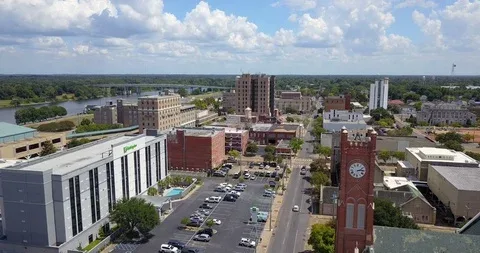
When water pours through a ceiling or smoke fills a hallway, the difference between a manageable repair and a gutted home often comes down to how quickly trained help arrives. Professional restoration in Alexandria gives property owners a clear path forward - documented, methodical, and built around drying and cleaning standards rather than guesswork.
Central Louisiana properties face a wide mix of damage scenarios, and each one calls for different equipment, chemistry, and sequencing.
- Water Damage Restoration - extraction, structural drying, and moisture mapping after burst supply lines, appliance failures, roof leaks, and storm intrusion.
- Flooded Basement - pumping standing water from below-grade rooms, crawl spaces, and sunken slab areas, then treating saturated framing and finishes.
- Sewage Cleanup - safe removal of Category 3 black water from backed-up mains, failed lift stations, and septic overflows, with full disinfection.
- Fire Damage Restoration - debris removal, structural stabilization, soot cleaning, and coordination of rebuild work.
- Smoke Damage Restoration - odor neutralization, HVAC cleaning, and content treatment for residues that travel far beyond the burn area.
- Mold Removal - containment, controlled removal of colonized materials, and correcting the moisture source that fed growth.
The benefit for Alexandria homeowners and business owners is simple: less demolition, fewer replaced materials, cleaner insurance documentation, and a property that is genuinely dry rather than dry on the surface.
Common Damage Restoration Issues in Alexandria, Louisiana
Alexandria sits along the Red River in a humid subtropical belt where heavy rainfall, high dew points, and aging infrastructure combine to create damage that spreads quickly. Most emergency calls in the area trace back to a short list of repeat offenders.
- Heavy rain events and flash flooding that overwhelm yard drainage and push water under thresholds and garage doors.
- Sewer backups when saturated ground and stormwater surcharge municipal lines, sending contaminated water into low fixtures and floor drains.
- Burst or corroded supply lines in older homes, especially during rare hard freezes when uninsulated pipes in crawl spaces split.
- Roof and flashing leaks after wind-driven storms, often hidden in attic insulation for weeks.
- Air conditioner condensate overflows during long, humid summers when drain lines clog with biofilm.
- Kitchen and electrical fires that leave acidic soot on cabinetry, drywall, and ductwork.
- Persistent humidity that keeps indoor moisture high enough for mold to colonize baseboards, closets, and HVAC returns.
Warning signs worth acting on right away include cupping wood floors, a musty smell that returns after cleaning, staining along the bottom of drywall, peeling paint near exterior walls, sudden spikes in the water bill, gurgling drains before a backup, and lingering smoke odor that grows stronger on humid days. Catching any one of these early usually keeps a small drying project from becoming demolition and reconstruction.
Neighborhoods We Serve in Alexandria
Restoration crews respond throughout Alexandria and the surrounding Rapides Parish communities, adapting to everything from historic in-town homes to newer subdivisions and commercial corridors.
- Downtown Alexandria and the Garden District
- Bolton Place, Lower Third, and the Jackson Street corridor
- Sugar House Road and MacArthur Drive commercial areas
- Cottingham and neighborhoods near England Airpark
- Pineville, Ball, and Tioga to the north
- Woodworth, Forest Hill, and Lecompte to the south
- Boyce, Deville, and outlying Rapides Parish addresses
Each area brings its own quirks. Older in-town streets often have clay sewer laterals and pier-and-beam foundations, while newer developments outside the city rely on slab construction and shared drainage easements that can back up during sustained rain. Knowing those local patterns shortens diagnosis time on water, sewage, and mold calls alike.
Seasonal Damage Patterns in Alexandria
Seasonal Damage Patterns in Alexandria
Damage in Central Louisiana follows a fairly predictable annual rhythm, which helps property owners plan inspections before problems start.
- December through February - occasional hard freezes split exposed pipes in crawl spaces and outbuildings. Space heaters, fireplaces, and holiday cooking drive a seasonal rise in fire and smoke damage calls.
- March through May - the wettest stretch. Thunderstorms, hail, and saturated soil produce roof leaks, flooded basements and crawl spaces, and sewer surcharges.
- June through August - relentless heat and humidity push mold growth indoors, while AC condensate lines clog and overflow into ceilings and closets.
- August through October - tropical systems and remnant storms bring wind-driven rain, extended power outages, and large-scale water intrusion. Sewage backups spike when systems are overwhelmed.
- November - falling leaves clog gutters and yard drains, setting up water entry points just before winter.
Mold remediation requests trail major water events by two to six weeks, which is why documented drying at the time of loss matters far more than cleanup after the fact.
Housing Characteristics & Restoration Considerations
Alexandria's housing stock spans more than a century, and building age dictates almost every restoration decision made on site.
- Pre-1950 homes near downtown and the Garden District - pier-and-beam foundations, shiplap sheathing, plaster walls, and original hardwood. Water travels through open crawl spaces and wicks into floor joists, so drying often requires subfloor access and cavity ventilation.
- Mid-century ranch homes - slab-on-grade construction with wood paneling and older wiring. Water spreads laterally across the slab under carpet and tile, and dated electrical systems raise fire risk.
- 1970s through 1990s builds - larger footprints, attached garages, and ducted HVAC in attics where condensation and leaks stay hidden.
- Newer subdivision homes - tight envelopes and engineered materials that hold moisture and lose structural integrity faster once saturated.
Few Alexandria homes have true full basements, so "flooded basement" work here usually means sunken dens, storage areas below grade, and encapsulated or vented crawl spaces. Those spaces have limited airflow, which makes them prime mold territory when standing water is not fully removed.
Older properties may also contain asbestos-era flooring adhesives or lead paint, requiring careful testing before demolition. Original woodwork, mantels, and built-ins are frequently salvageable with controlled drying and soot cleaning rather than replacement - a distinction that preserves both value and character in historic districts.
Environmental Conditions & Damage Implications
Local climate and ground conditions shape how quickly damage escalates and how long full drying takes.
- High annual rainfall - Alexandria receives well over 55 inches most years, keeping soil saturated and raising hydrostatic pressure against foundations and crawl space walls.
- Persistent humidity - summer dew points in the 70s mean outside air cannot be used to dry a structure. Dehumidification equipment must do the work while the building stays closed.
- Clay-heavy soils - Red River floodplain clays drain slowly, expand and contract with moisture, and stress slabs and plumbing lines. Cracked laterals contribute to sewage backups and slab leaks.
- Shallow water table in low-lying areas - contributes to seepage in crawl spaces and below-grade rooms even without visible flooding.
- Pollen, wildfire smoke drift, and industrial particulates - already burden indoor air, so smoke residue and mold spores compound respiratory issues for sensitive occupants.
These conditions mean drying targets must be verified with moisture meters and thermo-hygrometers, not assumed. A floor that feels dry in August can still hold enough moisture in the subfloor to support mold within days. Sewage events carry added risk because warm, humid conditions accelerate bacterial growth on porous materials, making prompt removal and antimicrobial treatment non-negotiable. After fire, high humidity also drives acidic soot deeper into metal, glass, and finishes, which is why stabilization and cleaning begin before rebuilding.
Why Documented Drying and Detailed Scoping Matter for Alexandria Insurance Claims
Most Alexandria property owners are not paying out of pocket for a full restoration - they are working through an insurance claim, and the quality of documentation determines how smoothly that process goes. Water damage projects in the area commonly range from roughly $1,500 for a contained clean-water loss to $10,000 and beyond when Category 3 sewage, structural saturation, or mold colonization are involved. What separates those outcomes is often how thoroughly the first responding crew scoped the damage.
A detailed approach on Alexandria losses typically includes:
- Initial assessment and water categorization - identifying clean, gray, or black water, which drives whether materials can be dried in place or must be removed.
- Moisture mapping - thermal imaging and penetrating meters used to trace migration into wall cavities, under cabinets, and across slabs, then recorded on floor plans.
- Extraction and stabilization - standing water removed, contaminated porous materials cut back to defined lines, and containment established for sewage or mold work.
- Controlled drying - air movers and dehumidifiers sized to the affected cubic footage, with daily readings logged until materials reach documented dry standards.
- Cleaning and treatment - antimicrobial application, soot and smoke residue removal, HVAC and duct cleaning, and odor neutralization.
- Clearance and rebuild coordination - post-remediation verification where appropriate, followed by drywall, flooring, paint, and finish work.
Photographs, meter logs, and material inventories submitted alongside the estimate give adjusters what they need without repeated site visits. For homeowners in Pineville, Ball, or downtown Alexandria, that level of detail usually means fewer disputes, less unnecessary demolition, and a property returned to pre-loss condition with the moisture source actually corrected.





