Damage Restoration in Acadia Parish, LA
- Damage Restoration Services Overview
- Common Damage Restoration Issues in Acadia Parish, Louisiana
- Neighborhoods We Serve in Acadia Parish
- Seasonal Damage Patterns in Acadia Parish
- Housing Characteristics & Restoration Considerations
- Environmental Conditions & Damage Implications
- Working With Insurance and Understanding Your Restoration Scope in Acadia Parish
Damage Restoration Services Overview
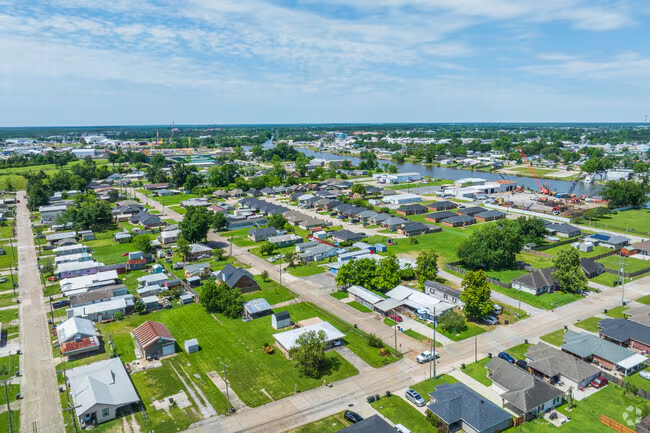
Acadia Parish sits roughly 20 to 35 feet above sea level on coastal-prairie soils - high enough to escape the worst coastal surge, yet still projected to face millions in expected annual storm-flood damage over the next 50 years without further protection work. That gap between "we're inland" and "we still flood" catches a lot of homeowners off guard.
Restoration here covers far more than pumping out water. Property owners in Crowley, Rayne, Church Point and Branch call for a full range of emergency and remediation work:
- Water damage restoration - burst supply lines, roof leaks, appliance failures and rising water intrusion
- Flooded basement and sub-grade cleanup - crawl spaces, storm cellars, sunken utility rooms and slab-adjacent voids
- Sewage cleanup - backups from overwhelmed lines, septic failures and Category 3 contamination
- Fire damage restoration - structural stabilization, debris removal, contents recovery
- Smoke damage restoration - soot removal, odor neutralization, HVAC decontamination
- Mold removal - containment, air filtration, antimicrobial treatment and rebuild prep
The benefit of acting fast is straightforward: contained losses, preserved framing and flooring, fewer insurance disputes, and a home that dries correctly the first time rather than hiding moisture behind fresh drywall.
Common Damage Restoration Issues in Acadia Parish, Louisiana
The rice corridor's flat prairie landscape drains slowly. Water that falls fast tends to sit, and sitting water finds its way into homes through slab edges, crawl-space vents and door thresholds.
Local Causes We See Repeatedly
- Heavy convective rainfall overwhelming shallow prairie drainage ditches and coulees
- Tropical systems tracking inland from the Gulf, dumping rain long after wind subsides
- Irrigation canals and rice-field runoff raising the local water table during flood-up season
- Sewer and septic backups when saturated soils reduce drain-field capacity
- Crawl-space humidity feeding mold growth under raised homes
- Electrical fires during summer HVAC load peaks and winter space-heater use
- Kitchen grease fires that push smoke and soot through entire duct systems
Warning Signs Worth Acting On
- Musty odor that returns each time the air conditioning cycles on
- Baseboards that feel soft, cupped hardwood, or tile that sounds hollow underfoot
- Staining along the bottom two feet of drywall after a heavy rain event
- Slow drains parish-wide during storms, followed by gurgling toilets
- Soot film on window sills or a persistent smoke smell weeks after a small fire
- Allergy symptoms that improve when family members leave the house
Small clues rarely stay small in this climate. A pinhole leak behind a vanity can support visible mold colonization in a matter of days when indoor humidity stays elevated.
Neighborhoods We Serve in Acadia Parish
Coverage spans the whole parish, from the rice mills of the county seat to the small rural communities strung along the highways.
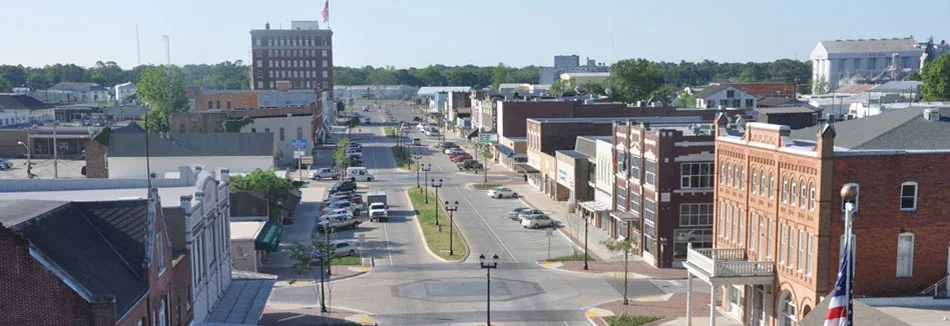
- Crowley - historic downtown, older neighborhoods near Parkerson Avenue, and newer subdivisions on the north side
- Rayne - slab and crawl-space homes across the prairie ridge, plus commercial corridors along I-10
- Church Point - rural residential and agricultural properties
- Branch, Mire and Bosco - unincorporated communities with septic systems and well water
- Iota, Estherwood, Mermentau, Morse and Egan - small-town residential and farm structures
- Duson and Midland - properties along the parish edges
Crews also respond to surrounding Acadiana communities in Lafayette, Jefferson Davis, Vermilion, Evangeline and St. Landry parishes when regional storms stretch resources thin.
Seasonal Damage Patterns in Acadia Parish
Winter (December - February)
- Hard-freeze events splitting exposed pipes under raised homes and in unheated utility rooms
- Space heater and fireplace fires driving smoke damage calls
- Water heater failures after temperature swings
Spring (March - May)
- Severe thunderstorm lines producing roof damage and rapid interior water intrusion
- Rice field flood-up raising groundwater and pushing moisture into crawl spaces
- First round of mold complaints as humidity climbs
Summer (June - August)
- Peak mold remediation season - warm, saturated air plus long AC runtimes
- Condensate line clogs flooding ceilings and closets from attic air handlers
- Electrical fires tied to overloaded circuits and aging service panels
Fall (September - November)
- Height of tropical season - flooded basements, crawl spaces and sewage backups
- Post-storm generator misuse causing fires and carbon monoxide incidents
- Field burning and outdoor smoke infiltrating homes with leaky envelopes
Housing Characteristics & Restoration Considerations
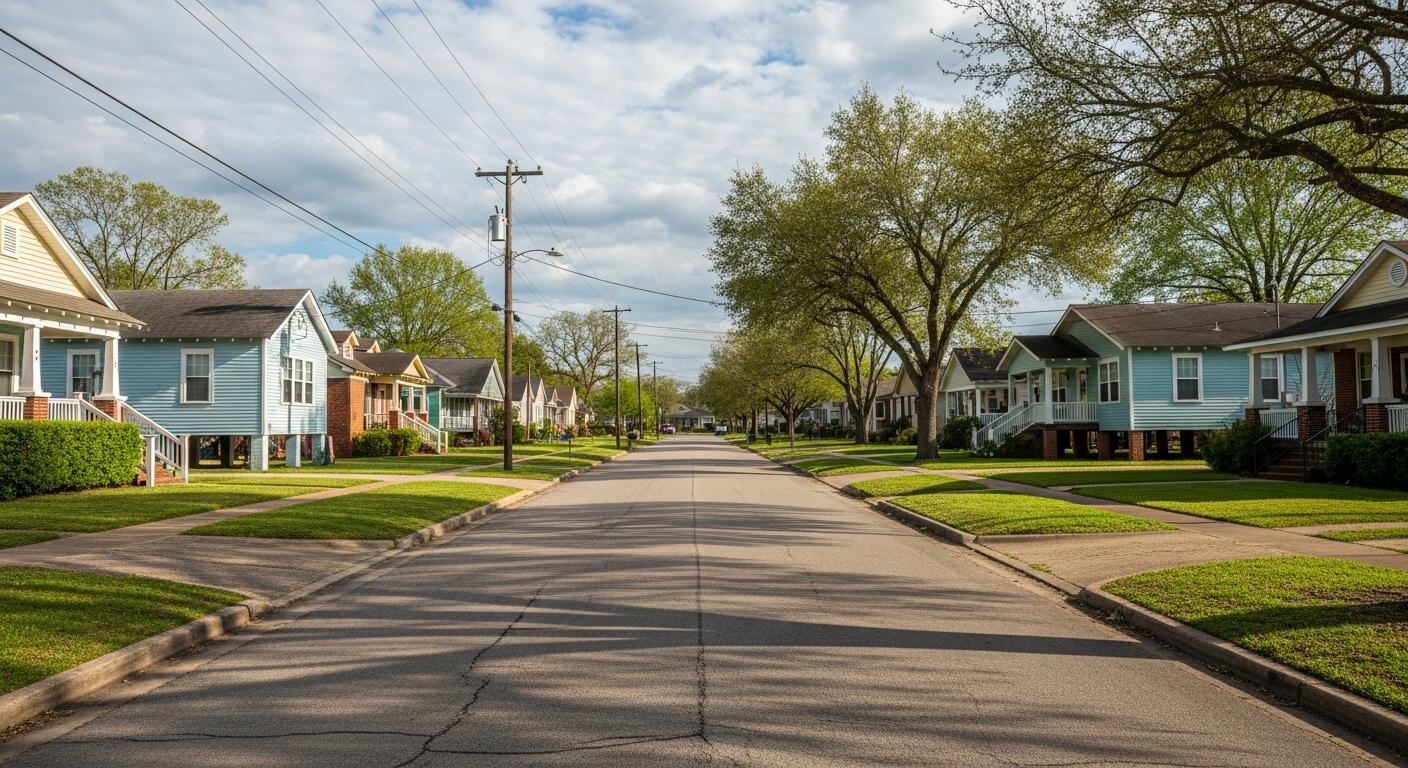
Acadia Parish housing stock is a genuine mix. Rayne alone shows the pattern clearly - slab-on-grade construction sitting alongside older pier-and-beam homes with open or partially enclosed crawl spaces.
How Construction Type Shapes the Work
- Slab-on-grade homes - water travels laterally under flooring and wicks up drywall; drying often requires flooring removal and specialized mat systems
- Pier-and-beam and crawl-space homes - subfloor insulation holds moisture long after standing water clears, making it a common hidden mold source
- Mid-century homes - lath-and-plaster, original wood windows and older wiring change both fire risk and demolition approach
- Historic downtown Crowley properties - masonry walls, tall ceilings and legacy plumbing require slower, more selective drying and cleaning
- Manufactured and modular homes - tight cavities and vinyl-backed wall panels trap moisture behind the surface
Details That Affect Every Job
- Ductwork routed through attics or crawl spaces spreads smoke residue and mold spores building-wide
- Older homes may contain asbestos-bearing flooring or plaster, requiring testing before demolition
- Lead-safe practices apply to pre-1978 painted surfaces during fire and water repairs
- Septic-served properties need drain-field evaluation after any sewage event
- Additions built at different times often have mismatched vapor barriers and drainage paths
Documenting these conditions up front keeps the scope honest and gives insurance adjusters what they need without back-and-forth delays.
Environmental Conditions & Damage Implications
The parish sits in a humid subtropical belt with heavy annual rainfall, mild winters and long stretches of dew points in the 70s. That combination is exactly what mold needs.
Soil and Groundwater
- Coastal-prairie soils carry high clay content, so infiltration is slow and surface water lingers
- Clay shrink-swell cycles crack slabs and shift piers, creating new water entry points
- Shallow water tables during irrigation season keep crawl-space soil damp year-round
Climate and Air Quality
- Indoor relative humidity commonly exceeds the 60 percent threshold where mold accelerates
- Agricultural dust and seasonal field burning add particulate load that bonds with smoke residue
- Warm temperatures speed bacterial growth in sewage-contaminated materials within hours
What This Means for Restoration
- Dehumidification is not optional - open windows make drying worse in this climate
- Containment barriers and negative air machines prevent cross-contamination during mold and fire cleanup
- Moisture meters and thermal imaging locate water inside wall cavities before it becomes a mold claim
- Antimicrobial application follows extraction on every Category 2 and 3 loss
- Post-remediation verification confirms the structure reached dry standard, not just dry to the touch
Regional coastal protection projects are projected to reduce expected annual storm damage over coming decades, but property-level readiness still carries the load for individual homeowners today.
Working With Insurance and Understanding Your Restoration Scope in Acadia Parish
The most common frustration after a loss is not the damage itself - it is not knowing what is happening inside your own home. Clear documentation and plain-language explanation change that.
What a Transparent Process Looks Like
- Emergency response - 24/7 dispatch, source containment, water extraction or board-up and tarping
- Documented assessment - moisture mapping, photo and video record, category and class determination for water losses
- Written scope - line-by-line explanation of what gets dried, what gets removed and why
- Daily monitoring - readings logged each visit so drying progress is measurable, not assumed
- Verification - clearance testing on mold jobs, odor confirmation on smoke jobs
- Reconstruction handoff - clear boundary between mitigation and rebuild
Questions Worth Asking Any Restoration Company
- Are technicians IICRC-certified in water restoration, applied structural drying and mold remediation?
- Will I receive moisture readings and photos I can share with my adjuster?
- Who communicates with my insurance carrier, and how often?
- What specific materials are being removed, and what is being saved?
- How is contents handling documented for fire and smoke losses?
Flood Coverage Realities
Standard homeowners policies generally exclude rising surface water. Many Acadia Parish claims involve both covered and non-covered water sources in the same event, which makes source identification a genuinely important part of the first inspection.
- Sudden pipe breaks and appliance overflows typically fall under homeowners coverage
- Storm surge and rainfall flooding usually require separate flood insurance
- Sewage backup often needs a specific endorsement
- Mold coverage is frequently capped, which makes prompt drying financially significant
Companies like United Fire & Water have built local reputations across Acadia by explaining these distinctions before work begins rather than after the invoice arrives. Ask for that clarity - a reputable contractor will offer it without being pressed.