
Damage Restoration in Rayne, LA
- Damage Restoration Services Overview
- Common Damage Restoration Issues in Rayne, Louisiana
- Neighborhoods We Serve in Rayne
- Seasonal Damage Patterns in Rayne
- Housing Characteristics & Restoration Considerations
- Environmental Conditions & Damage Implications
- Insurance Documentation and the Drying Log Adjusters Trust
Damage Restoration Services Overview
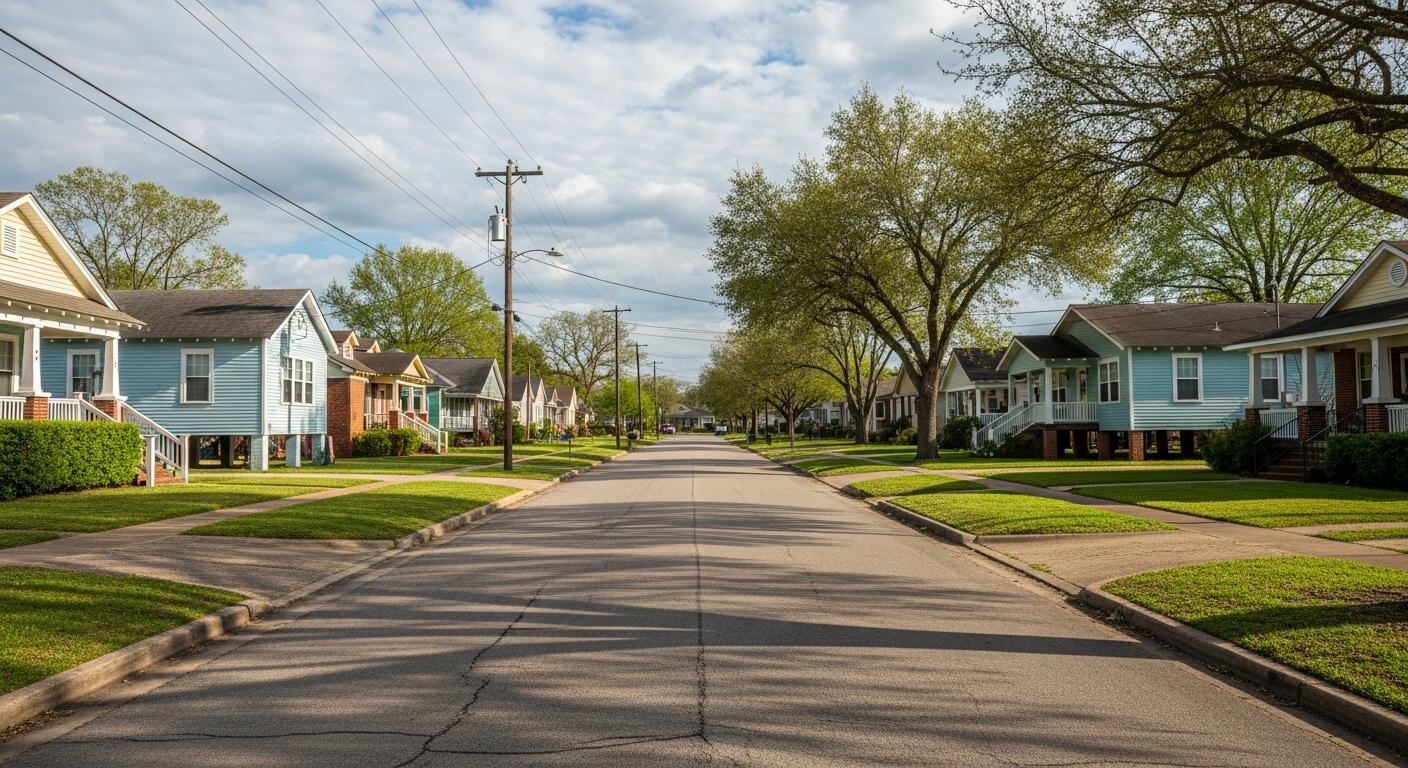
Rayne sits roughly 20 feet above sea level on the Acadiana prairie - low enough that a single stalled thunderstorm can push water across yards, under door thresholds, and into slab-built living rooms before the rain gauge even fills. That elevation, paired with Louisiana's humidity, is why property damage here rarely stays a small problem.
Our crews handle the full range of losses that hit Rayne homes and businesses, with dispatch available around the clock:
- Water Damage Restoration - burst supply lines, roof leaks, appliance failures, and storm intrusion, extracted and dried to IICRC standards.
- Flooded Basement - cleanup for below-grade areas, crawlspaces, sunken slabs, and storm shelters where water collects and lingers.
- Sewage Cleanup - Category 3 losses from backed-up mains, failed lift stations, and septic surcharge, handled with containment and PPE.
- Fire Damage Restoration - structural stabilization, debris removal, and rebuild coordination after kitchen, electrical, or lightning-related fires.
- Smoke Damage Restoration - soot removal, thermal fogging, HVAC decontamination, and odor neutralization.
- Mold Removal - containment, HEPA filtration, affected-material removal, and post-remediation verification.
The benefit for Rayne property owners is simple: one call brings a crew that scopes the loss, bills your carrier directly, and documents every moisture reading so the claim moves without argument.
Common Damage Restoration Issues in Rayne, Louisiana
Flat prairie topography, heavy clay soil, and a rice-country drainage network built for fields rather than subdivisions combine to create predictable damage patterns across Acadia Parish.
What Causes Losses Here
- Slow-draining coulees and roadside ditches that surcharge during tropical downpours
- Sanitary sewer backups when infiltration overwhelms parish lines during prolonged rain
- Air conditioning condensate lines clogging during long, humid summers
- Aging galvanized and polybutylene supply lines in mid-century homes
- Space heaters, fryers, and holiday cooking driving winter fire calls
- Lightning strikes from spring squall lines igniting attic wiring
Warning Signs Not to Ignore
- A musty odor that returns each time the AC cycles - often mold growing on ductwork or wall cavities.
- Baseboards that feel cool or spongy, or paint that bubbles a few inches above the floor.
- Buckling laminate or tile that suddenly sounds hollow underfoot.
- Gurgling toilets or slow floor drains, an early signal of a sewage backup building in the line.
- Yellow-brown staining on ceilings after a storm, indicating trapped attic moisture.
- Lingering smoke smell weeks after a small kitchen fire, meaning soot residue is still in the HVAC system.
Catching any of these early shortens drying time and keeps a Category 1 clean-water loss from degrading into a Category 2 or 3 event that requires demolition.
Neighborhoods We Serve in Rayne
Crews respond throughout Rayne and the surrounding Acadiana corridor, typically within a short drive of Interstate 10.
- Downtown Rayne and the historic district along The Boulevard and Adams Avenue
- Older residential blocks near Rayne High School and Myrtle Avenue
- Newer subdivisions off Highway 35 and North Adams
- Rural properties along Bayou Plaquemine Brule and surrounding rice acreage
- Nearby communities including Duson, Church Point, Branch, Estherwood, and Mermentau
- Crowley, Scott, Egan, and the greater Lafayette area, including service points near J B Road
Farm outbuildings, commercial storefronts, rental duplexes, and single-family homes all receive the same scoping process. Knowing which streets flood first during a stalled system lets dispatch stage equipment before the call comes in.
Seasonal Damage Patterns in Rayne
Damage in Acadia Parish follows the calendar closely, and knowing the pattern helps property owners prepare.
- January - February: Hard freezes crack exposed hose bibs and attic supply lines. Space heater and fireplace fires spike, bringing smoke damage restoration calls.
- March - May: Severe squall lines and hail damage roofs. Lightning-related attic fires and wind-driven rain intrusion peak.
- June - August: Peak humidity fuels mold growth behind vinyl wallpaper and inside duct chases. Condensate overflows and AC failures cause slow, hidden water damage.
- August - October: Tropical systems dominate. Flooded basements, crawlspace saturation, and Category 3 sewage backups follow the heaviest rainfall totals.
- November - December: Kitchen fires rise with holiday cooking, and the first cold snaps stress plumbing that has run all summer.
Post-storm windows are the highest risk period for mold. Materials left wet more than 48 hours in Rayne's climate begin colonizing quickly, so extraction and structural drying should start the same day water is discovered.
Housing Characteristics & Restoration Considerations
Rayne's housing stock spans century-old Acadian cottages downtown to slab-on-grade brick ranches built from the 1970s onward, plus newer construction along the highway corridors. Each type reacts differently to water and fire.
How Construction Affects the Work
- Pier-and-beam cottages: Open crawlspaces trap humidity and standing water. Subfloor drying often requires dedicated equipment beneath the structure, and older joists show rot before the finish floor does.
- Slab-on-grade homes: Water wicks laterally under flooring and up drywall. Tack strips, carpet pad, and baseboard usually come out; slab moisture readings drive the drying plan.
- Plaster and shiplap walls: Common in the historic district and slow to release moisture, sometimes needing controlled demolition rather than in-place drying.
- Post-1990 construction: Tighter envelopes hold humidity longer, which raises mold risk when a leak goes unnoticed behind cabinetry.
- Brick veneer with wood framing: Water travels behind the veneer, so wall cavities are inspected with meters and borescopes, not by appearance alone.
Other Local Factors
- Asbestos-containing floor tile and mastic in pre-1980 homes require testing before removal.
- Cast iron drain lines in older properties fail gradually, causing recurring sewage cleanup needs.
- Attic-mounted air handlers create ceiling-collapse risk when condensate pans overflow.
- Knob-and-tube or aluminum branch wiring in older houses raises fire damage restoration complexity.
Environmental Conditions & Damage Implications
The environment around Rayne works against dry buildings almost year-round, which shapes every restoration decision our technicians make on site.
Climate and Air
- Relative humidity frequently sits above 75 percent, so open windows and box fans do not dry a structure - they add moisture load.
- Refrigerant dehumidifiers work well in warm months; LGR units are deployed when temperatures or grain-depression readings demand it.
- Field burning and agricultural dust in the rice belt add particulate that complicates post-fire air scrubbing.
- Annual rainfall well above the national average means saturated ground conditions are the norm, not the exception.
Soil and Water
- Heavy prairie clay expands and contracts, cracking slabs and creating entry points for groundwater.
- A shallow water table keeps crawlspaces and below-grade areas damp long after surface water recedes.
- Poor percolation means yard water sits and finds the lowest interior opening.
- Floodwater from bayous and ditches is treated as Category 3 - contaminated - regardless of how clear it looks.
These conditions mean containment barriers, HEPA filtration, and antimicrobial application are standard rather than optional. They also mean dry-standard verification matters: a home that feels dry to the touch can still hold enough moisture in the subfloor to seed mold within two weeks.
Insurance Documentation and the Drying Log Adjusters Trust
The most common frustration Rayne homeowners describe is not the water itself - it is a claim stalled because nobody documented the loss properly. We solve that by treating documentation as part of the job from the first phone call.
How a Restoration Project Moves Start to Finish
- Dispatch and arrival: A crew is sent 24/7, day or night, with extraction and drying equipment already loaded.
- Scoping and category determination: Technicians classify the loss as Category 1 (clean supply line, refrigerator line, sprinkler), Category 2 (washing machine, dishwasher, sump backup), or Category 3 (sewage, storm or bayou water, prolonged stagnation). PPE, containment, and disposal decisions all follow from that call.
- Extraction: Truck-mounted extraction removes standing water, followed by portable extraction for residual moisture in carpet pad, subflooring, and wall cavities. Extracting first is what keeps drying costs down.
- Controlled demolition: Non-salvageable materials - saturated pad, swollen baseboard, contaminated drywall - are cut out and bagged.
- Structural drying: Air movers paired with refrigerant or LGR dehumidifiers, monitored daily with moisture-meter readings at fixed reference points.
- Dry-standard verification: Readings are compared against unaffected areas until the structure meets the documented dry standard.
- Remediation or reconstruction: Mold removal, soot and odor treatment, or rebuild work follows once the structure is verified dry.
What Your Adjuster Receives
- Timestamped moisture logs shared in real time, not weeks later
- Photo documentation of pre-existing conditions and affected materials
- Equipment placement records and daily atmospheric readings
- Category and class justification supporting every line item
- Direct billing to the carrier, reducing out-of-pocket paperwork
The same file structure supports fire and smoke losses, where soot mapping and odor testing replace moisture readings, and mold projects, where post-remediation verification closes the file. Rayne property owners get one accountable team from the first extraction pass through final clearance.





