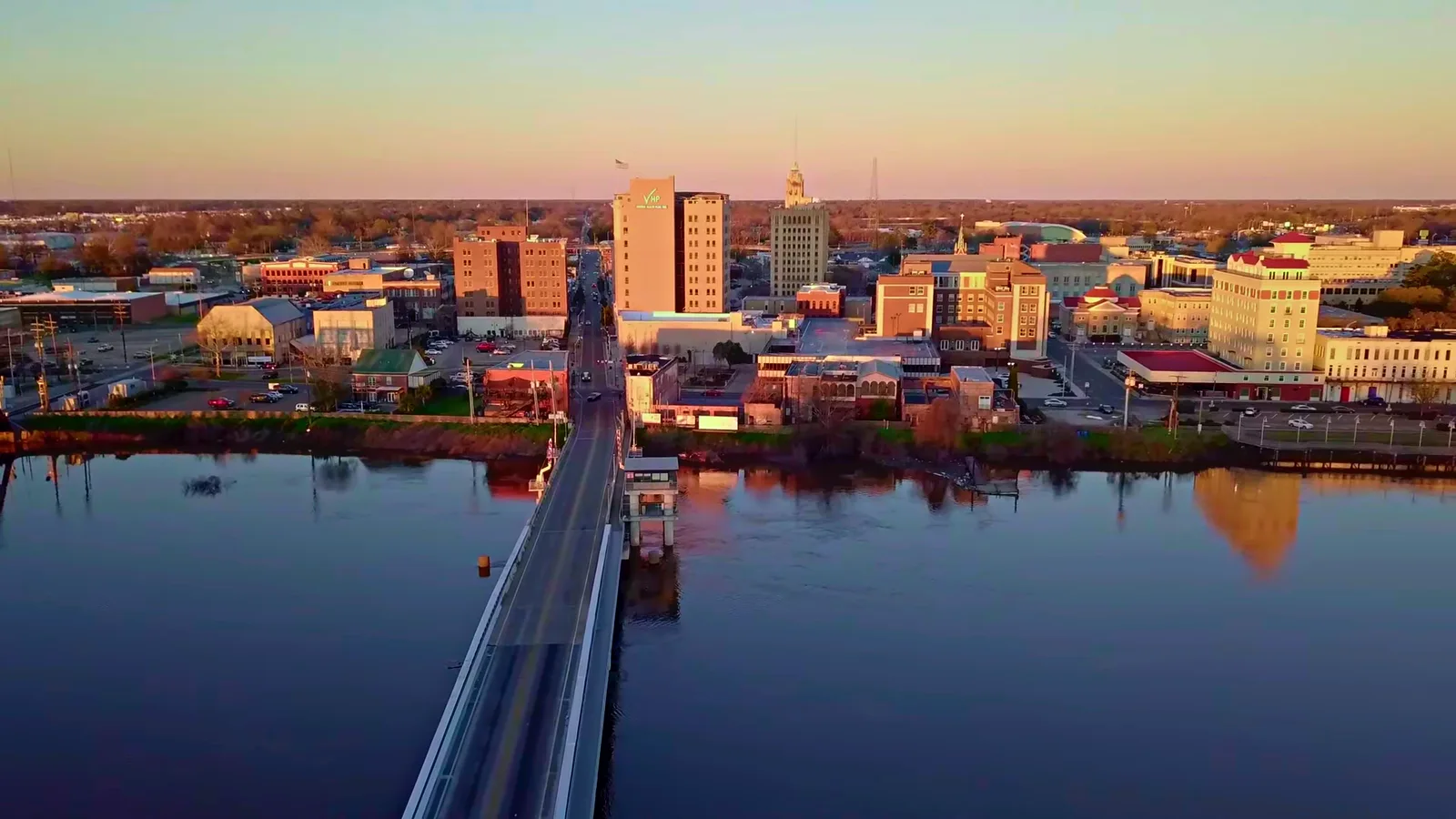
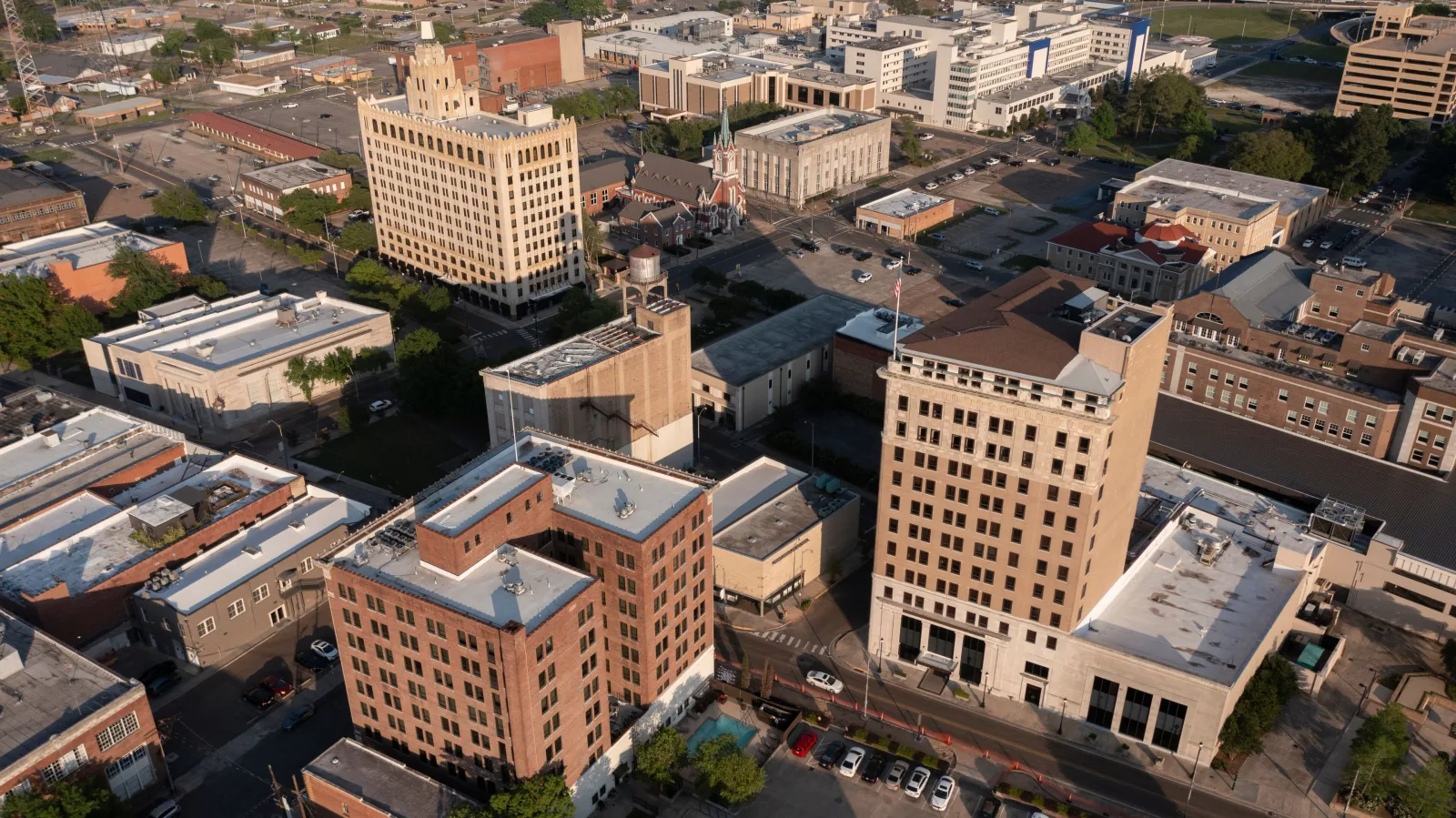
Damage Restoration in Ouachita Parish, LA
- Damage Restoration Services Overview
- Common Damage Restoration Issues in Ouachita Parish, Louisiana
- Neighborhoods We Serve in Ouachita Parish
- Seasonal Damage Patterns in Ouachita Parish
- Housing Characteristics & Restoration Considerations
- Environmental Conditions & Damage Implications
- Working Through Flood and Fire Insurance Claims in Ouachita Parish
Damage Restoration Services Overview

Ouachita Parish sits in the floodplain of the Ouachita River, where humid subtropical air, clay-heavy soils, and a mix of century-old homes and newer slab construction create restoration challenges you won't find in drier parts of the country. After record-breaking March rainfall left more than 4,500 homes across the parish needing repair, many owners found themselves on long contractor waiting lists - a reminder that fast, organized response matters more here than almost anywhere in north Louisiana.
Restoration work in Monroe, West Monroe, and the surrounding communities covers a connected set of services, each addressing a different stage or type of loss:
- Water Damage Restoration - extraction, structural drying, and moisture mapping after roof leaks, burst supply lines, or river backwater
- Flooded Basement - pump-out and drying for basements, crawlspaces, and below-grade storage areas that hold standing water
- Sewage Cleanup - containment, removal, and disinfection after septic failures and municipal line backups
- Fire Damage Restoration - debris removal, structural stabilization, and content recovery
- Smoke Damage Restoration - soot removal, thermal fogging, and odor neutralization in walls, ducts, and fabrics
- Mold Removal - containment barriers, HEPA filtration, affected material removal, and humidity correction
The benefit for parish residents is straightforward: faster drying means fewer materials lost, lower mold risk, and a cleaner path through the insurance process.
Common Damage Restoration Issues in Ouachita Parish, Louisiana
Local damage rarely arrives from a single cause. Geography, aging infrastructure, and swings between hard freezes and heavy rain stack problems on top of each other.
What Drives Damage Here
- Riverine and flash flooding - the Ouachita and Bayou DeSiard systems back up during sustained rain, pushing water into low-lying neighborhoods
- Freeze-related pipe bursts - severe winter weather has caused widespread power outages across the parish, and unheated homes lose pipes within hours
- Sewer and septic overload - saturated clay soil prevents drain fields from absorbing, forcing wastewater back through floor drains and tubs
- Space heaters and generators - outage-driven improvisation is a leading cause of residential fire and smoke loss
- Chronic humidity - dew points stay high much of the year, feeding mold behind baseboards, under vinyl flooring, and in attic sheathing
Warning Signs Worth Acting On
- Musty odor that intensifies when the HVAC cycles on
- Cupping, crowning, or dark seams in hardwood and laminate
- Bubbling paint or soft, chalky drywall near the floor line
- Slow drains, gurgling toilets, or standing water around cleanouts
- Yellow-brown staining on ceilings after a storm
- Lingering smoke odor weeks after a small kitchen or electrical fire
- Visible growth on closet walls, behind furniture, or on exterior-wall corners
Catching these early keeps a water event from becoming a mold project and keeps a smoke event from permanently scenting soft goods.
Neighborhoods We Serve in Ouachita Parish
Coverage spans the full parish, from riverfront districts to rural acreage on septic systems.
- Monroe - Garden District, Old Natchitoches Road area, Frenchman's Bend, Bayou DeSiard corridor, Tower Drive, and downtown near the riverfront
- West Monroe - Cheniere, Claiborne, Wossman Park, Antique Alley district, and Thomas Road commercial corridor
- Sterlington - lakefront and Bayou Bartholomew properties
- Richwood, Brownsville-Bawcomville, Calhoun, and Swartz
- Bosco, Cheniere Lake, Lakeshore, and Bawcomville outskirts
- Surrounding regions - portions of Morehouse, Union, Lincoln, Richland, and Caldwell parishes
Each community brings its own patterns. Older Monroe neighborhoods carry pier-and-beam crawlspaces prone to standing water, while newer Sterlington and Calhoun subdivisions face slab moisture wicking and post-freeze plumbing failures.
Seasonal Damage Patterns in Ouachita Parish
Winter (December - February)
- Hard freezes burst supply lines in attics, crawlspaces, and exterior walls
- Power outages push residents toward space heaters and fireplaces, raising fire and smoke damage calls
- Frozen well pumps and septic lift stations trigger sewage backups
Spring (March - May)
- Peak flooding season - March rainfall records have overwhelmed thousands of parish homes
- Flooded basements, crawlspaces, and saturated slabs dominate service requests
- Sewer surcharging follows sustained rain on already-saturated clay
Summer (June - August)
- Mold growth accelerates as indoor humidity climbs and HVAC systems run continuously
- Condensation line clogs cause slow, hidden ceiling and wall leaks
- Lightning strikes from afternoon storms spark attic and electrical fires
Fall (September - November)
- Tropical remnants push inland with wind-driven rain and roof breaches
- Clogged gutters send water against foundations
- Season's first furnace runs release dust and smoke odor from dormant systems
Housing Characteristics & Restoration Considerations
The parish housing stock spans well over a century, and each construction era responds differently to water, fire, and humidity.
Common Construction Types
- Pre-1950 pier-and-beam homes - common in Monroe's Garden District and older West Monroe blocks; shiplap sheathing, plaster walls, and open crawlspaces that trap floodwater
- 1950s-1970s ranch homes - slab-on-grade with asbestos-era flooring adhesives and original galvanized plumbing prone to freeze failure
- 1980s-2000s brick veneer subdivisions - fiberglass batt insulation and vented attics that hold moisture after roof leaks
- Recent slab construction - engineered flooring and tight envelopes that dry slowly without directed airflow
- Manufactured housing - widespread in rural Ouachita; underbelly insulation retains water and demands full removal
How Construction Shapes the Work
- Plaster and lath hold moisture far longer than modern drywall, so drying plans extend and moisture readings are taken through multiple depths
- Crawlspace homes require vapor barrier replacement and subfloor drying, not just surface extraction
- Slab homes need flooring lifted so trapped moisture beneath vinyl or tile does not feed hidden mold
- Older knob-and-tube or cloth-wrapped wiring found during fire assessments calls for electrical evaluation before reconstruction
- Smoke residue penetrates unsealed wood framing in pre-war homes, making sealing and encapsulation part of odor control
- Sewage contamination in porous materials means removal rather than cleaning in nearly every case
Environmental Conditions & Damage Implications
North Louisiana's environment is the single largest variable in how quickly a small problem becomes a large one.
Climate and Air
- Humid subtropical classification with high dew points from May through September
- Annual rainfall well above the national average, often delivered in intense multi-day events
- Indoor relative humidity frequently exceeds the 60 percent threshold where mold colonizes
- Seasonal pollen and agricultural dust load HVAC filters, which then trap and recirculate smoke particulate after a fire
Soil and Water
- Heavy alluvial clay expands when wet and shrinks in drought, cracking slabs and foundation walls
- Poor percolation means yards, crawlspaces, and septic drain fields stay saturated for days
- Shallow water tables in river-adjacent areas keep below-grade spaces damp year-round
- Floodwater from the Ouachita often carries agricultural runoff and sewage, classifying it as contaminated Category 3 water
What This Means for Restoration
- Drying equipment must include dehumidification sized for ambient humidity, not just air movers
- Mold remediation includes correcting the moisture source - crawlspace encapsulation, drainage grading, or HVAC adjustment
- Any floodwater intrusion is treated as potentially contaminated until the source is verified
- Soot and smoke cleanup includes full duct evaluation because humid air bonds residue to interior surfaces
- Post-remediation moisture and air sampling confirms the structure is genuinely dry, not merely dry to the touch
Working Through Flood and Fire Insurance Claims in Ouachita Parish
After a large-scale event, the hardest part for many parish homeowners is not the damage itself - it is the waiting, the paperwork, and the uncertainty about what is actually covered. Long contractor backlogs following major rainfall events have made clear documentation and honest scheduling more valuable than any sales pitch.
How Documentation Protects You
- Photo and video record - conditions captured before any material is removed
- Moisture mapping - readings logged daily so drying progress is verifiable, not assumed
- Line-item scope - written breakdown of affected materials, categorized water class, and planned methods
- Contents inventory - separate listing for salvageable versus non-salvageable items after fire and sewage losses
- Air quality and clearance data - sampling results for mold projects, shared directly with the homeowner
A Clear Sequence From Call to Completion
- Initial contact and safety assessment, including power, structural, and contamination hazards
- On-site inspection with written findings and photos shared the same visit
- Containment and emergency mitigation - extraction, board-up, or tarping to stop further loss
- Scope review with the homeowner before equipment is placed, so expectations are set upfront
- Insurance coordination, with documentation formatted for adjuster review
- Structural drying, cleaning, deodorization, or remediation depending on loss type
- Verification readings and clearance testing before reconstruction discussion begins
Questions Worth Asking Any Restoration Provider
- Will I receive daily moisture logs during the drying period?
- Is flood damage separate from my standard homeowners policy, and how does that change the claim?
- What materials are you removing, and why can't they be cleaned instead?
- Who handles communication with my adjuster, and will I see every document sent?
Straight answers to those questions - given before work starts - are what separate a manageable recovery from a frustrating one.