
Damage Restoration in West Monroe, LA
- Damage Restoration Services Overview
- Common Damage Restoration Issues in West Monroe, Louisiana
- Neighborhoods We Serve in West Monroe
- Seasonal Damage Patterns in West Monroe
- Housing Characteristics & Restoration Considerations
- Environmental Conditions & Damage Implications
- Industry Standards Applied to Ouachita Parish Restoration Projects
Damage Restoration Services Overview
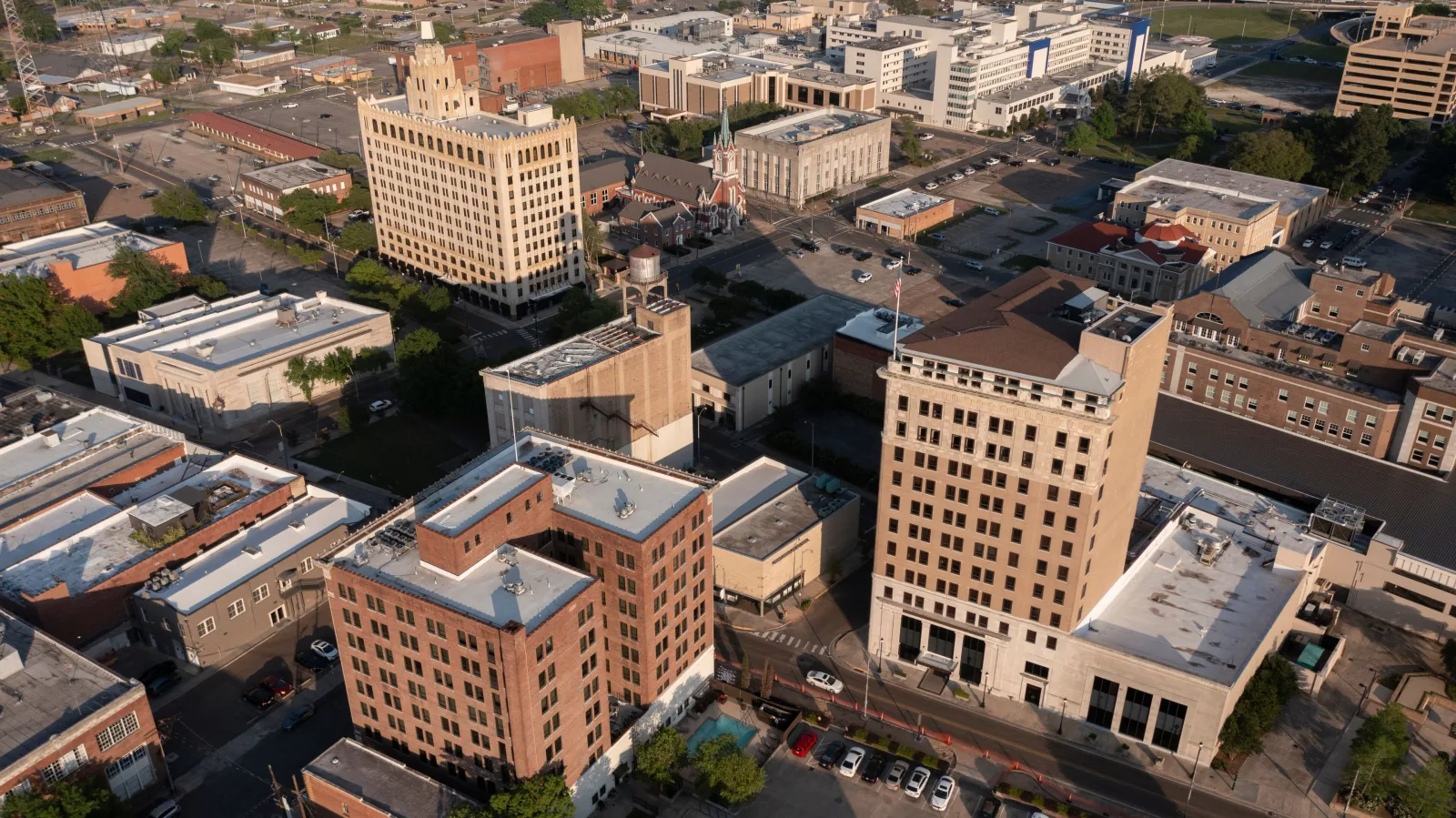
West Monroe sits in the Ouachita River basin, where humid subtropical air, heavy rainfall, and a high water table combine to create conditions that punish buildings year-round. Moisture rarely leaves on its own here - it lingers in crawl spaces, wall cavities, and under flooring long after the visible water is gone.
Restoration work in Ouachita Parish covers a wide spectrum of emergencies, and most property owners face more than one at a time. A storm that floods a lower level can also back up a sewer line; a kitchen fire leaves both charring and smoke residue that travels through ductwork.
- Water Damage Restoration - extraction, structural drying, and moisture mapping after burst pipes, roof leaks, or appliance failures
- Flooded Basement - pump-out, dehumidification, and treatment of below-grade spaces where groundwater intrudes
- Sewage Cleanup - removal of contaminated material, antimicrobial application, and disinfection of Category 3 losses
- Fire Damage Restoration - debris removal, soot cleaning, structural stabilization, and content recovery
- Smoke Damage Restoration - odor neutralization, HVAC cleaning, and treatment of porous surfaces
- Mold Removal - containment, HEPA filtration, and removal of colonized materials
The benefit for local residents is straightforward: faster drying limits secondary damage, reduces the chance of mold taking hold, and keeps repair scope from expanding.
Common Damage Restoration Issues in West Monroe, Louisiana
Local geography drives most of the calls restoration crews answer in West Monroe. Flat terrain, clay-heavy soil, and proximity to bayous and the Ouachita River mean water has nowhere fast to go after a downpour.
Frequent Causes of Loss
- Heavy spring and summer thunderstorms overwhelming gutters, yard drains, and municipal storm systems
- Tropical remnants pushing inland from the Gulf with sustained rainfall and wind-driven roof leaks
- Sewer main surcharges during saturation events, sending wastewater back through floor drains and low fixtures
- Slab plumbing failures in older homes with aging copper or galvanized supply lines
- Winter pipe bursts during the occasional hard freeze, often in uninsulated exterior walls or attics
- Electrical and cooking fires, plus space heater incidents during cold snaps
Warning Signs Worth Acting On
- Musty odor in closets, crawl spaces, or along baseboards - often the first indicator of hidden mold
- Cupping or buckling hardwood, or grout lines that darken and stay damp
- Staining on ceiling tiles beneath bathrooms or roof valleys
- Gurgling drains or slow toilets that hint at a partial main line blockage
- Lingering smoke smell that returns when the air conditioning cycles on, pointing to residue in ductwork
- Condensation on supply vents and interior walls during humid stretches
Because humidity stays elevated much of the year, small leaks in West Monroe escalate into mold problems faster than they would in drier climates. Documenting the source and drying to measurable standards matters more than surface appearance.
Neighborhoods We Serve in West Monroe
Restoration coverage spans West Monroe proper and the surrounding communities across Ouachita Parish, including older established districts and newer subdivisions.
- Downtown West Monroe and the Antique Alley / Cottonport district
- Cheniere and the Cheniere Lake area
- Claiborne and Claiborne Creek neighborhoods
- Brownlee Road, Thomas Road, and Well Road corridors
- Calhoun, Sterlington, and Swartz to the north and east
- Richwood, Bawcomville, and Bosco
- Riverside areas along the Ouachita, including neighborhoods bordering Monroe
- Rural properties in West Ouachita Parish toward Downsville and Choudrant
Each area brings its own patterns. Riverside and low-lying properties see more flooding and sewage backup, while older in-town homes with pier-and-beam construction deal with crawl space moisture and mold. Newer slab-built subdivisions more often report supply line failures and HVAC condensation issues.
Seasonal Damage Patterns in West Monroe
Damage types shift predictably through the year in northeast Louisiana, which helps property owners plan inspections and maintenance.
- January - February: Freeze events, though brief, cause burst pipes in attics, garages, and exterior walls. Heating equipment and fireplace use drives fire and smoke damage calls.
- March - May: Peak severe weather season. Straight-line winds, hail, and torrential rain produce roof leaks, flooded basements and crawl spaces, and sewer backups when systems surcharge.
- June - August: Extreme humidity and heavy AC use create condensation problems, drain pan overflows, and rapid mold growth in poorly ventilated spaces. Lightning strikes also spark structure fires.
- September - October: Tropical systems moving inland bring wind-driven water intrusion and extended power outages that stall dehumidification efforts.
- November - December: Cooking fires increase around holidays, and smoke residue spreads through closed-up homes. Leaf-clogged gutters send water against foundations.
Mold remediation requests never truly stop here - they simply follow whatever water event came before, usually surfacing two to six weeks later.
Housing Characteristics & Restoration Considerations
West Monroe's housing stock spans well over a century, and building age dictates a great deal about how restoration is approached.
Common Construction Types
- Pre-1960 pier-and-beam homes - vented crawl spaces, original wood flooring, plaster walls, and often minimal vapor barriers
- 1960s - 1980s brick veneer ranch homes - slab-on-grade with cast iron or galvanized drain lines nearing end of life
- 1990s - present subdivisions - engineered lumber, drywall throughout, and tightly sealed envelopes that trap moisture
- Manufactured and modular housing - common in rural Ouachita Parish, with belly board insulation that holds water invisibly
How Age Affects the Work
- Homes built before 1980 may contain asbestos-bearing flooring, mastic, or textured ceilings that require testing before demolition
- Lead-based paint protocols apply to pre-1978 structures during fire and water repairs
- Crawl space properties need separate drying strategies - subfloor moisture readings, ground vapor barriers, and targeted dehumidification
- Slab homes trap water beneath flooring and inside wall bases, requiring cavity drying equipment rather than surface fans
- Older knob-and-tube or aluminum branch wiring raises fire risk and complicates post-fire electrical assessment
- Plaster and shiplap absorb smoke odor deeply, often calling for sealing after cleaning
Below-grade spaces are less common here than in northern states, but where they exist, hydrostatic pressure against clay soil makes recurring seepage a real concern rather than a one-time event.
Environmental Conditions & Damage Implications
The humid subtropical climate of northeast Louisiana shapes every stage of restoration - from how quickly mold appears to how long structural drying takes.
Climate and Moisture
- Annual rainfall well above the national average, distributed across all four seasons
- Relative humidity frequently exceeding 70 percent, limiting the effectiveness of open-window drying
- Long warm season that keeps surface temperatures in the range where mold colonizes within 24 to 48 hours
- Dew points high enough in summer that outside air introduced into a structure adds moisture rather than removing it
Soil and Groundwater
- Expansive clay soils that swell and shrink, stressing foundations and creating cracks water follows
- Slow percolation rates that keep yards saturated for days after storms
- Shallow water tables near the Ouachita River and adjoining bayous, feeding crawl space and slab moisture
- Saturated ground that raises the odds of septic system failure and sewage surfacing on rural properties
Air Quality Considerations
- Elevated outdoor pollen and mold spore counts through much of the year, adding to indoor spore load after water losses
- Smoke residue that combines with humidity to form acidic films, accelerating corrosion on metal and electronics
- HVAC systems that recirculate contaminants unless cleaned as part of the restoration scope
These conditions make closed-drying systems with commercial dehumidification the standard approach rather than an upgrade.
Industry Standards Applied to Ouachita Parish Restoration Projects
Effective restoration in West Monroe follows established protocols rather than guesswork. Recognized industry standards - particularly the IICRC S500 for water damage and S520 for mold remediation - define how losses are categorized, dried, and verified.
Water Classification Matters
- Category 1 - clean water from supply lines, safe to dry in place if addressed promptly
- Category 2 - gray water from appliances or overflow, requiring cleaning and antimicrobial treatment
- Category 3 - sewage, river floodwater, or water that has sat long enough to degrade, demanding removal of porous materials
Storm flooding along the Ouachita and sewer backups both fall into Category 3, which is why carpet, pad, and lower drywall are typically removed rather than salvaged.
A Structured Process
- Emergency response, safety assessment, and identification of the water or fire source
- Moisture mapping with meters and thermal imaging to find hidden saturation behind walls and under flooring
- Extraction and controlled demolition of unsalvageable materials, with containment where mold or contamination exists
- Placement of air movers and dehumidifiers sized to the affected cubic footage, with daily readings logged
- Soot and smoke residue cleaning matched to residue type - dry chem sponge, wet cleaning, or abrasive methods
- Odor neutralization through thermal fogging, hydroxyl, or ozone treatment where appropriate
- Post-remediation verification and clearance before reconstruction begins
Documentation for Insurance
- Photographic records of pre-existing conditions and progressive drying
- Daily moisture logs demonstrating that materials reached dry standard
- Detailed scope notes that support claim submissions to Louisiana carriers
- Air sampling results when mold remediation is part of the project
Proper documentation protects property owners during claims review and demonstrates that work met accepted benchmarks - not simply that surfaces looked dry.





