
Damage Restoration in Meraux, LA
- Damage Restoration Services Overview
- Common Damage Restoration Issues in Meraux, Louisiana
- Neighborhoods We Serve in Meraux
- Seasonal Damage Patterns in Meraux
- Housing Characteristics & Restoration Considerations
- Environmental Conditions & Damage Implications
- Hurricane Season Readiness and Insurance Documentation in St. Bernard Parish
Damage Restoration Services Overview
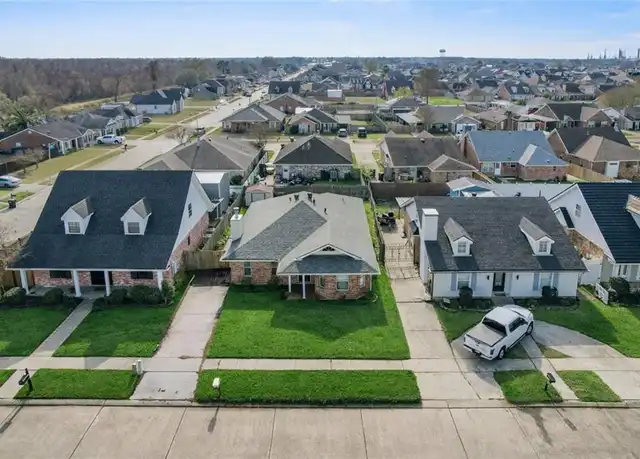
What would you do if you walked into your Meraux home tomorrow morning and found two inches of standing water across the living room floor? In St. Bernard Parish, that scenario is not hypothetical - it is a recurring reality shaped by hurricane season, aging drainage infrastructure, and a water table that sits close to the surface.
Restoration work in Meraux covers a connected set of emergencies, and most property owners end up needing more than one service at the same time:
- Water Damage Restoration - extraction, structural drying, and moisture mapping after pipe failures, roof leaks, appliance breaks, and storm intrusion
- Flooded Basement - pump-out and drying for below-grade areas, sunken slabs, crawlspaces, and elevated-home undercrofts
- Sewage Cleanup - Category 3 contamination removal, disinfection, and safe disposal of porous materials
- Fire Damage Restoration - structural stabilization, debris removal, and rebuild coordination
- Smoke Damage Restoration - soot removal, thermal fogging, HVAC cleaning, and odor neutralization
- Mold Removal - containment, HEPA filtration, antimicrobial treatment, and moisture-source correction
The benefit of acting quickly is measurable: faster drying limits secondary damage, reduces material loss, and produces the documentation insurance adjusters expect when reviewing a St. Bernard Parish claim.
Common Damage Restoration Issues in Meraux, Louisiana
Meraux sits between the Mississippi River levee and the Forty Arpent canal system, and that geography drives most of the damage patterns local crews see year after year.
Local Causes of Property Damage
- Tropical storm and hurricane rainfall overwhelming parish pump stations
- Wind-driven rain forcing water past shingles, ridge vents, and window flashing
- Sanitary sewer surcharging during heavy rain events, backing waste into floor drains and tubs
- Slab settlement and shifting soils cracking supply lines beneath foundations
- Aging galvanized and polybutylene plumbing in homes rebuilt in the mid-2000s
- Electrical fires from overloaded circuits, window units, and generator misuse during outages
- Persistent 70-90% relative humidity feeding mold growth inside wall cavities
Warning Signs Meraux Property Owners Should Not Ignore
- Baseboards that feel soft, swollen, or separated from the wall
- A musty odor that intensifies when the air conditioner cycles on
- Discoloration or bubbling on ceilings beneath second-floor bathrooms
- Slow drains throughout the house, which often precede a full sewage backup
- Cupping or crowning in wood and laminate flooring
- Lingering smoke odor weeks after a small kitchen fire, indicating soot in ductwork
- Condensation on interior walls or visible growth behind furniture pushed against exterior walls
Because contaminated floodwater and sewage often arrive together during storm events, cleanup in this area is treated as a biohazard job rather than a simple water extraction.
Neighborhoods We Serve in Meraux
Crews respond throughout Meraux and the surrounding St. Bernard Parish communities, including subdivisions built along the East Judge Perez Drive and Bayou Road corridors.
- Meraux residential blocks off Judge Perez Drive, Palmisano Boulevard, and Guerra Drive
- Docville and the neighborhoods near Docville Farm and Val Riess Park
- Chalmette, including areas near the Chalmette National Battlefield and Paris Road
- Arabi and the older housing stock closest to the Orleans Parish line
- Violet, Poydras, and St. Bernard along the Highway 39 corridor
- Braithwaite and the lower-lying properties on the east bank
- Toca, Verret, and the fishing communities toward Delacroix
Coverage extends to homes, rental properties, churches, medical offices, restaurants, and industrial support businesses tied to the refinery and shipping economy along the river.
Seasonal Damage Patterns in Meraux
Winter (December - February)
- Hard freezes crack exposed pipes, hose bibs, and lines in unconditioned attics
- Space heaters and fireplace use drive a rise in fire and smoke damage calls
- Sudden thaws produce supply-line bursts that flood entire slabs overnight
Spring (March - May)
- Heavy convective rainfall saturates yards and pushes water toward door thresholds
- Sewer surcharging increases as the parish system takes on stormwater
- Rising humidity reactivates dormant mold in attics and wall cavities
Summer (June - August)
- Peak mold season, with dew points staying high day and night
- Condensate line clogs flood hallways and closets where air handlers sit
- Lightning strikes cause attic and electrical fires during afternoon storms
Fall (September - November)
- Statistical peak of hurricane activity for the central Gulf Coast
- Combined wind and water intrusion affecting roofs, soffits, and gable ends
- Generator-related fires and carbon fouling during extended power outages
- Post-storm sewage cleanup as pump stations recover
Housing Characteristics & Restoration Considerations
Meraux housing splits into distinct eras, and each one responds differently to water, smoke, and microbial growth.
Common Construction Types
- 1950s-1970s slab-on-grade ranch homes - low elevation, original wood subfloor trim, and cast-iron drain lines prone to failure
- Post-2005 rebuilds - elevated on piers with enclosed undercrofts, modern framing, and tighter envelopes that trap moisture
- Raised piling homes in lower-lying blocks, where ductwork and plumbing run under the floor and are exposed to flood water
- Brick veneer over wood frame - a common assembly that wicks water upward and hides saturation behind the veneer
- Commercial metal buildings along the service corridors, where insulation holds water long after surfaces look dry
How Construction Shapes the Restoration Plan
- Slab homes require flood-cut inspections, because water travels laterally under flooring and up into drywall.
- Elevated homes need underfloor drying and insulation removal - saturated batt insulation between joists is a frequent mold source.
- Homes with ductwork in the crawlspace or attic often need full HVAC cleaning after any smoke or sewage event.
- True basements are rare in Meraux, so "flooded basement" work usually means sunken utility rooms, mechanical pits, elevator shafts, or below-grade storage that needs pumping and disinfection.
- Older plaster and lath walls demand slower, controlled drying to prevent cracking and delamination.
Environmental Conditions & Damage Implications
The environment around Meraux works against fast, natural drying, which is why mechanical dehumidification is standard on nearly every job.
Climate and Air
- Humid subtropical conditions with average annual rainfall well above 60 inches
- Summer dew points in the mid-70s, meaning outdoor air cannot be used to dry interiors
- Industrial and refinery activity nearby contributes particulates that combine with soot after fires
- Mild winters allow mold spores to remain viable year-round
Soil, Water, and Elevation
- Deltaic clay and organic soils with poor percolation - yards hold water for days
- Ground elevation near or below sea level, keeping the water table close to slab depth
- Subsidence that tilts slabs, opens joints, and channels water into living space
- Brackish influence from surrounding waterways, adding salt loading to flood residue that accelerates metal corrosion
Practical Effects on Restoration Work
- Drying goals are set with a moisture meter against dry-standard readings from unaffected materials, not by appearance.
- Closed drying systems with LGR dehumidifiers are used rather than open-window ventilation.
- Flood water is presumed contaminated, triggering antimicrobial application and removal of porous materials.
- Salt and soot residues on framing are cleaned before any rebuild to prevent recurring odor and rust bleed.
- Post-remediation verification confirms that humidity has been brought back to a level that will not support regrowth.
Hurricane Season Readiness and Insurance Documentation in St. Bernard Parish
Storm recovery in Meraux rarely involves a single type of damage. A hurricane can bring wind-driven rain through a compromised roof, flood a mechanical room, back sewage into fixtures, and knock out power long enough for mold to take hold - all in the same week.
What a Coordinated Storm Response Looks Like
- Emergency stabilization - roof tarping, board-up, and shutting off water or gas sources
- Safety and contamination assessment - classifying water as Category 1, 2, or 3 and identifying electrical hazards
- Bulk extraction - truck-mounted and portable units removing standing water from slabs and below-grade areas
- Controlled demolition - flood cuts, insulation removal, and disposal of unsalvageable porous materials
- Structural drying - air movers and dehumidifiers set to an engineered drying plan with daily moisture logs
- Cleaning and deodorization - antimicrobial treatment, soot and residue removal, HVAC cleaning, and odor sealing
- Verification and rebuild - documented dry standard, clearance testing where mold was present, then reconstruction
Documentation That Supports Your Claim
- Time-stamped photos of pre-mitigation conditions in every affected room
- Moisture maps showing the full extent of migration, including areas not visibly wet
- Daily atmospheric readings - temperature, relative humidity, and grains per pound
- Equipment logs listing type, count, and placement duration
- Line-item scopes written in the estimating format adjusters use
Work follows recognized industry standards for water restoration and mold remediation, including containment protocols, negative air pressure, and HEPA filtration. That structure matters in a parish where hurricane claims are scrutinized closely and where hidden moisture behind a brick veneer can turn into a mold claim months later. Keeping a pre-season photo record of your property, knowing where your water shutoff sits, and calling for extraction within the first day of an event remain the three most effective things a Meraux property owner can do.





