
Damage Restoration in Chalmette, LA
- Damage Restoration Services Overview
- Common Damage Restoration Issues in Chalmette, Louisiana
- Neighborhoods We Serve in Chalmette
- Seasonal Damage Patterns in Chalmette
- Seasonal Damage Patterns in Chalmette
- Housing Characteristics & Restoration Considerations
- Environmental Conditions & Damage Implications
- Sewage Backups and Storm Surcharge: What Chalmette Homeowners Should Know
Damage Restoration Services Overview
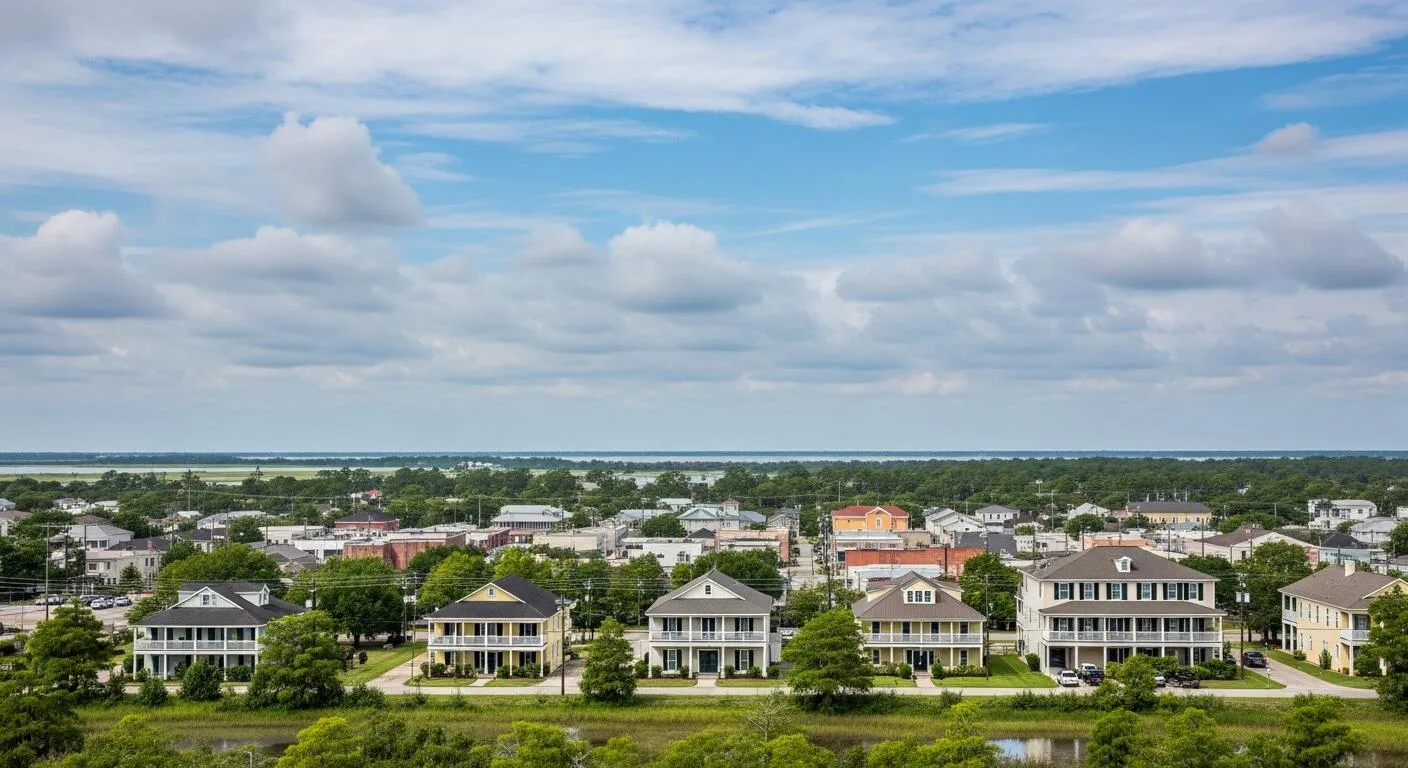
You come home to St. Bernard Highway after a summer downpour and hear the hum of a sump pump losing the battle. Water is spreading across the slab, the baseboards are darkening, and the air already smells damp. In Chalmette, that scenario plays out more often than most homeowners expect - and how quickly it's handled determines whether you're drying materials or replacing them.
Our restoration services cover the full range of disasters that affect St. Bernard Parish properties:
- Water Damage Restoration - extraction, structural drying, and moisture mapping after plumbing failures, roof leaks, and storm intrusion
- Flooded Basement - cleanup for below-grade areas, crawl spaces, and sunken slab rooms where groundwater collects
- Sewage Cleanup - Category 3 contamination response, including backflow events tied to parish drainage surcharge
- Fire Damage Restoration - structural stabilization, debris removal, and reconstruction after kitchen, electrical, and lightning-related fires
- Smoke Damage Restoration - soot removal, thermal fogging, HVAC decontamination, and odor neutralization
- Mold Removal - containment, remediation, and air quality restoration in Louisiana's persistently humid conditions
Benefits for Chalmette residents include faster material salvage, documented moisture readings for insurance carriers, and remediation that addresses hidden moisture behind walls rather than only what's visible on the surface.
Common Damage Restoration Issues in Chalmette, Louisiana
Chalmette sits below sea level behind the levee system, with a high water table, heavy clay soils, and a drainage network that relies on pumps rather than gravity. That combination creates damage patterns that differ from inland Louisiana communities.
Local Causes We Respond To Most
- Torrential rainfall overwhelming parish pump stations, backing water into low-lying streets and slab homes
- Tropical systems and hurricane bands driving wind-driven rain through roof decking, soffits, and window flashing
- Sanitary sewer surcharge pushing wastewater up through floor drains and ground-floor fixtures
- Aging copper and galvanized supply lines in mid-century homes failing at joints
- HVAC condensate line clogs - a year-round issue given how long air conditioning runs here
- Electrical fires in older panels and refinery-adjacent power fluctuations
Warning Signs Worth Acting On
- Musty odor that returns whenever the AC cycles - often mold growth inside ductwork or wall cavities
- Cupping or crowning of wood flooring over a slab
- Tannin staining or bubbling paint low on interior walls
- Gurgling drains or slow toilets before heavy rain
- Yellowish film on windows and lingering acrid smell weeks after a small kitchen fire - unresolved smoke residue
- Persistent condensation on supply vents or windows
Because Chalmette humidity rarely drops low enough for passive drying, saturated materials that would air-dry elsewhere continue holding moisture here. Mold colonization can begin within roughly a day or two, which is why extraction alone is never the finish line.
Neighborhoods We Serve in Chalmette
We respond throughout Chalmette and the surrounding St. Bernard Parish communities, including:
- Old Arabi and the Arabi corridor along North Peters and Friscoville
- Chalmette Vista and the neighborhoods bordering Judge Perez Drive
- Buccaneer Villa North and South
- Lexington Place and Jumonville
- Villere and the areas near the Chalmette National Historical Park and Battlefield
- Neighborhoods along Paris Road, Palmisano Boulevard, and East Judge Perez
- Meraux, Violet, Poydras, and Arabi
- Nearby St. Bernard, Toca, and the Braithwaite side of the parish
Crews also cover adjacent New Orleans neighborhoods such as Holy Cross and the Lower Ninth Ward, along with Lakeview and Gentilly when parish-wide storms stretch resources. Knowing which streets flood first, which subdivisions sit on fill, and where sewer surcharge tends to concentrate lets us stage equipment intelligently instead of reacting block by block.
Seasonal Damage Patterns in Chalmette
Seasonal Damage Patterns in Chalmette
Restoration demand in Chalmette follows a fairly predictable annual rhythm.
- January - February: Hard freezes, though infrequent, burst uninsulated pipes in carports, exterior walls, and slab penetrations. Space heater and fireplace fires spike during cold snaps, bringing smoke damage calls.
- March - May: Spring thunderstorm season delivers intense rainfall bursts. Flooded basement and crawl space calls climb, along with sewage backups when the drainage system surcharges.
- June - August: Peak humidity and heat. Mold removal requests dominate, HVAC condensate overflows saturate ceilings and closets, and early tropical systems begin producing roof-leak water damage.
- September - October: Hurricane season peak. Wind-driven rain, roof failures, prolonged power outages that disable dehumidification, and widespread flooding drive the heaviest restoration volume of the year.
- November - December: Holiday cooking and decorative lighting increase kitchen and electrical fire incidents. Cooler air brings condensation issues inside poorly ventilated attics.
Mold never truly goes dormant here - it simply accelerates in summer. Any water event, in any month, should be treated as a potential mold event if drying stalls.
Housing Characteristics & Restoration Considerations
Chalmette's housing stock is heavily weighted toward mid-century construction, with a large share of homes built between the 1950s and 1970s during the parish's refinery and shipyard growth. A second wave of rebuilding followed Hurricane Katrina, leaving a mix of original and post-2006 structures - sometimes on the same block.
Construction Types and What They Mean for Restoration
- Slab-on-grade ranch homes: Water spreads laterally under flooring and wicks up drywall. Requires flood cuts, cavity drying, and careful subfloor assessment rather than surface extraction alone.
- Raised piers and elevated post-Katrina builds: Undersides and utility chases trap humid air, creating mold conditions even when interiors stay dry.
- Brick veneer over wood frame: Moisture hides behind the veneer, so cladding-side drying and thermal imaging matter.
- Original plaster and mid-century paneling: Absorbs water and smoke residue deeply; often requires removal instead of cleaning.
- Pre-1980 homes: May contain asbestos-bearing floor tile, mastic, or lead paint - demolition after fire or flood needs proper handling.
- Rebuilt drywall over older framing: Mixed material ages dry at different rates, so uniform drying targets do not apply.
Detached garages, sheds, and converted carport rooms are frequently overlooked after flooding. So are ductwork runs beneath slabs in older homes - a common reservoir for both sewage contamination and mold growth. Documenting these areas early strengthens insurance claims and prevents repeat damage.
Environmental Conditions & Damage Implications
Chalmette's environment shapes nearly every restoration decision made here.
Climate
- Humid subtropical conditions with average relative humidity often sitting well above the level where mold thrives
- Roughly five feet of annual rainfall, much of it in short, intense bursts
- Long, hot summers that keep indoor dew points elevated even with air conditioning running
- Tropical storm exposure from June through November
Soil and Water Table
- Alluvial clay and organic silt soils that hold water and drain slowly
- A shallow water table that keeps below-grade spaces damp between storms
- Soil movement from wet-dry cycling, which opens slab cracks and foundation gaps where water enters
Air Quality and Contamination Factors
- Proximity to industrial and refinery operations along the river corridor, adding particulate load that combines with smoke residue
- Floodwater in the parish frequently carries sewage, fuel, fertilizer, and street runoff - treated as Category 3
- Salt-laden air near the river and MRGO corridor that accelerates corrosion on fire-damaged metal and electrical components
These conditions mean dehumidification must run longer, antimicrobial application is standard rather than optional, and post-fire cleaning has to address both soot and ambient particulates. Drying goals are set against local baselines - not a generic national target - so materials reach genuinely stable moisture content.
Sewage Backups and Storm Surcharge: What Chalmette Homeowners Should Know
Few restoration situations are misjudged as often as a sewage backup. In Chalmette, where sanitary lines and stormwater infrastructure both depend on pumping, heavy rainfall can surcharge the system and push wastewater back through the lowest fixture in a home - typically a shower drain, floor drain, or ground-floor toilet.
Why Sewage Cleanup Is Not DIY Territory
- Category 3 water carries bacteria, viruses, and parasites that survive on surfaces long after visible material is gone
- Porous materials - carpet, pad, drywall, particleboard cabinetry, insulation - generally cannot be disinfected and must be removed
- Contaminated aerosols spread through HVAC returns if the system isn't shut down and sealed
- Improper handling can turn a contained room into a whole-house contamination event
The Response Sequence
- Containment and safety: Isolate the affected area, shut down HVAC, establish negative air pressure, and address electrical hazards.
- Bulk removal and extraction: Remove solids and standing wastewater with dedicated equipment.
- Controlled demolition: Cut out unsalvageable porous materials to a defined line above the contamination height.
- Cleaning and antimicrobial treatment: Apply products matched to contamination level on all remaining surfaces and framing.
- Structural drying: Place dehumidifiers and air movers, monitoring daily until moisture readings stabilize.
- Verification and documentation: Confirm acceptable conditions with meters, then assemble the moisture log, photos, and scope for your carrier.
- Reconstruction: Rebuild flooring, drywall, trim, and cabinetry, followed by a final walkthrough.
Reducing Future Risk
- Install a backwater valve on the sanitary lateral
- Keep sump pumps tested and add battery backup for outage periods
- Clear gutters and grade soil away from the slab before hurricane season
- Photograph finished spaces annually for claim documentation
Handled correctly, a sewage event ends with a clean, dry, verified structure - not a lingering odor that returns every humid afternoon.





