
Damage Restoration in Patterson, LA
- Damage Restoration Services Overview
- Common Damage Restoration Issues in Patterson, Louisiana
- Neighborhoods We Serve in Patterson
- Seasonal Damage Patterns in Patterson
- Housing Characteristics & Restoration Considerations
- Environmental Conditions & Damage Implications
- Hurricane Season Preparation and Insurance Claim Support in St. Mary Parish
Damage Restoration Services Overview
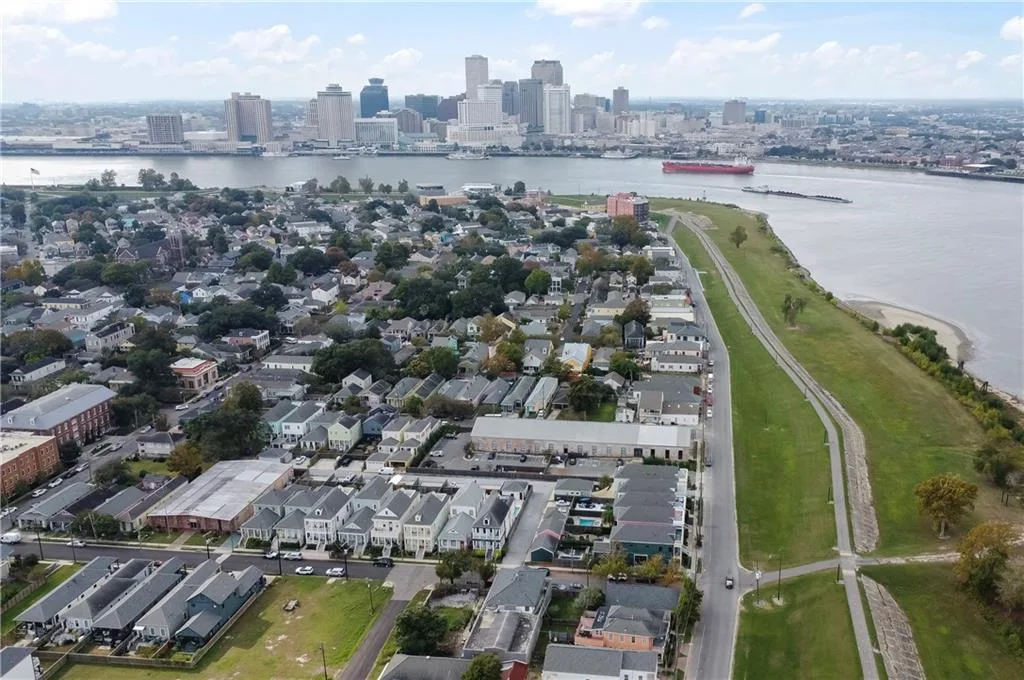
What happens to a Patterson home in the hours after a pipe bursts, a storm pushes water under the door, or a kitchen fire fills every room with smoke? The answer usually depends on how fast trained help arrives. Sitting between Bayou Teche and the Atchafalaya Basin, properties here face moisture pressure that homes farther north never experience.
Restoration work in St. Mary Parish covers a connected group of services, each addressing a different stage of loss:
- Water Damage Restoration - extraction, structural drying, and moisture mapping after plumbing failures, roof leaks, or rising water
- Flooded Basement - pump-out and drying for below-grade rooms, sunken garages, crawlspaces, and slab-level living areas that take on water
- Sewage Cleanup - removal of contaminated material, disinfection, and safe disposal after backups or septic failures
- Fire Damage Restoration - debris removal, board-up, structural cleaning, and reconstruction
- Smoke Damage Restoration - soot removal from surfaces and contents, plus odor neutralization inside ductwork and porous materials
- Mold Removal - containment, removal of colonized materials, and correction of the moisture source
Benefits for local homeowners include faster drying before secondary damage sets in, documentation that supports an insurance claim, and a single crew handling mitigation through repair.
Common Damage Restoration Issues in Patterson, Louisiana
Patterson sits at low elevation with a shallow water table, which shapes nearly every loss we respond to. Heavy Gulf rainfall, tropical systems moving up from Atchafalaya Bay, and aging drainage infrastructure combine to push water into structures from several directions at once.
Frequent Local Causes
- Tropical storms and hurricanes driving wind-blown rain through roof seams, soffits, and window frames
- Sheet flooding when bayou levels rise and street drainage backs up during sustained downpours
- Sewer surcharges that force wastewater back through floor drains and shower pans
- Failed sump pumps, water heaters, supply lines, and washing machine hoses
- Electrical fires in older wiring, plus grease and appliance fires
- Lightning strikes during summer thunderstorm season
Warning Signs Worth Acting On
- A musty smell near baseboards, closets, or under-sink cabinets
- Cupped or lifting wood flooring and bubbling paint on lower walls
- Dark staining on ceiling tiles or around ceiling fixtures
- Slow drains, gurgling toilets, or standing water near cleanouts
- Sooty film on window glass, or lingering smoke odor that returns on humid days
- Condensation on ductwork, registers, or interior walls
Because humidity here rarely drops, materials that stay damp for even a day or two can begin supporting mold growth. Early inspection prevents a small water event from turning into a demolition project.
Neighborhoods We Serve in Patterson
Crews cover the full city and the surrounding St. Mary Parish communities along the U.S. 90 corridor.
- Downtown Patterson and the Main Street district
- Neighborhoods along Catherine Street, Cotten Road, and Kemper Street
- Residential areas bordering Bayou Teche and the Patterson boat landings
- Subdivisions near Patterson High School and the municipal airport
- Calumet, Bayou Vista, and Bayou L'Ourse
- Berwick and Morgan City across the Atchafalaya
- Centerville, Franklin, and Baldwin to the west
- Amelia, Gibson, and the Highway 182 communities
Response covers single-family homes, camps, rental properties, churches, seafood and marine businesses, and small commercial buildings throughout the parish.
Seasonal Damage Patterns in Patterson
Loss types shift predictably through the year in south Louisiana.
- January - February: Occasional hard freezes crack exposed supply lines and hose bibs, producing sudden water damage. Heating equipment and space heaters raise fire risk.
- March - May: Spring frontal rain and rising basin water bring flooded below-grade spaces, crawlspace saturation, and the first mold calls of the year.
- June - August: Peak humidity and daily thunderstorms. Mold removal requests climb sharply, air conditioning condensate lines clog and overflow, and lightning-related fires appear.
- August - October: Hurricane season peak. Wind-driven rain, roof loss, widespread flooding, and sewage backups when lift stations lose power.
- November - December: Holiday cooking fires, fireplace and chimney smoke damage, and lingering odor issues in closed-up homes.
Mold never fully goes dormant here - warm, damp shoulder seasons keep spore activity steady year-round.
Housing Characteristics & Restoration Considerations
Patterson's housing stock blends early- and mid-twentieth-century construction with newer post-storm rebuilds, and each type dries differently.
Common Construction Types
- Raised pier-and-beam homes - older cottages and Creole-influenced houses with wood floor systems, open crawlspaces, and shiplap or plaster walls
- Slab-on-grade ranch homes - postwar and later builds where water spreads laterally under flooring and wicks up drywall
- Elevated post-flood construction - homes raised on piers or fill, often with enclosed ground-level storage that floods first
- Manufactured and modular housing - vulnerable to wind, belly-board water retention, and rapid mold growth in insulation
How Age and Materials Affect the Work
- Older homes may contain asbestos-bearing floor tile, mastic, or textured ceilings requiring testing before demolition
- Lead-based paint in pre-1978 homes changes how surfaces are cleaned after fire and smoke events
- Original heart-pine flooring and beadboard often warrant careful drying rather than replacement
- Slab foundations trap moisture beneath vinyl and laminate, so flooring removal is frequently unavoidable
- Crawlspaces with poor vapor barriers stay damp long after visible water is gone, feeding recurring mold
- Knob-and-tube or aluminum branch wiring in older houses increases fire risk and complicates reconstruction
- Smoke residue penetrates deeply into aged plaster and open wall cavities, requiring sealing before repainting
Environmental Conditions & Damage Implications
The environment around Patterson works against drying at nearly every step, which is why local method matters more than generic procedure.
Climate and Air
- Humid subtropical conditions with average relative humidity often above 75 percent
- Annual rainfall commonly exceeding 60 inches, concentrated in summer storms and tropical systems
- Warm temperatures nine months a year that accelerate microbial growth on damp materials
- Regional industrial and marine traffic contributing to particulate loading that combines with soot after fires
Soil and Water
- Alluvial clay and silty soils that drain slowly and hold water against foundations
- A shallow water table that limits how much groundwater can move away from a structure
- Seasonal soil expansion and contraction that opens slab cracks and separates plumbing joints
- Proximity to Bayou Teche and the Atchafalaya, where floodwater is presumed contaminated and treated as Category 3
What This Means for Restoration
- Dehumidification loads are heavier than published averages suggest, requiring more equipment per square foot
- Open windows rarely help - outdoor air often adds moisture instead of removing it
- Sewage and floodwater cleanup demands full antimicrobial treatment and disposal of porous contents
- Post-fire cleaning must address humidity, since moisture bonds soot to surfaces and worsens odor
- Mold prevention depends on controlling crawlspace and slab moisture, not just drying the visible area
Hurricane Season Preparation and Insurance Claim Support in St. Mary Parish
Living between the Gulf and the Atchafalaya Basin means storm readiness is part of homeownership. The households that recover fastest are the ones that prepared before the watch was issued and documented carefully afterward.
Before the Season
- Have the roof inspected for lifted shingles, failed flashing, and loose ridge caps
- Clear gutters, downspouts, and yard drains so water moves away from the foundation
- Test sump pumps and battery backups, and confirm check valves on sewer lines work
- Photograph every room, including closets, appliances, and serial numbers
- Store your policy, agent contact, and flood coverage details somewhere accessible offline
- Trim limbs overhanging the roof and secure outbuildings
After Water, Fire, or Sewage Enters
- Confirm the structure is safe - shut off power to affected areas and avoid contact with contaminated water
- Call for emergency mitigation so extraction and drying begin before secondary damage develops
- Photograph and video everything before moving or discarding items
- Allow the crew to place tarps, board-ups, and containment to stop ongoing loss
- Keep damaged materials available for adjuster review when practical
- Track moisture readings, equipment logs, and daily progress notes for the claim file
Claim Realities Local Owners Should Know
- Standard homeowner policies typically exclude rising floodwater - separate flood coverage handles that peril
- Sewage backup often requires a specific endorsement
- Mold coverage is frequently capped, which makes fast drying financially meaningful
- Smoke odor claims benefit from written scope detail covering contents, ductwork, and sealing
Restoration teams familiar with St. Mary Parish adjusters can document scope, moisture data, and cleaning protocols in the format carriers expect, keeping the repair moving instead of stalling in review.





