
Damage Restoration in New Richmond, WI
- Damage Restoration Services Overview
- Common Damage Restoration Issues in New Richmond, Wisconsin
- Neighborhoods We Serve in New Richmond
- Seasonal Damage Patterns in New Richmond
- Housing Characteristics & Restoration Considerations
- Environmental Conditions & Damage Implications
- Spring Thaw Basement Flooding: What New Richmond Homeowners Should Know
Damage Restoration Services Overview
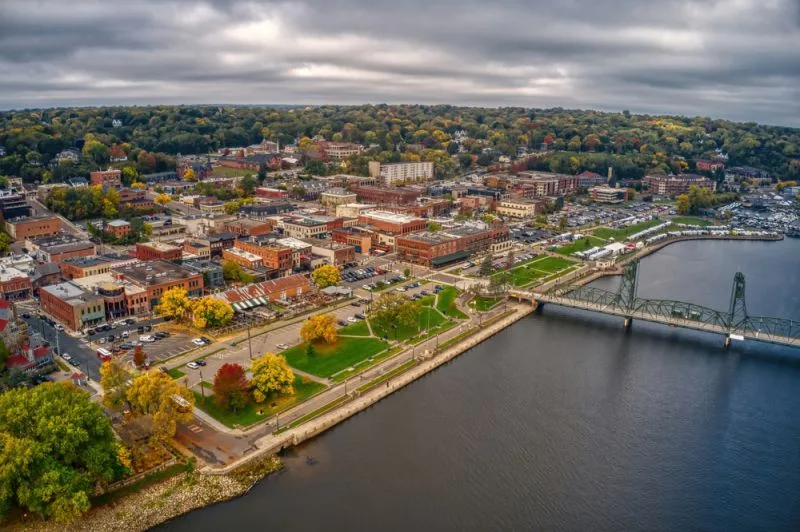
New Richmond sits along the Willow River in St. Croix County, where the ground freezes to depths that can exceed five feet in a hard winter - and that frozen soil is exactly why so many local basements take on water when the spring thaw arrives. Meltwater has nowhere to go but sideways, straight toward foundation walls.
Property damage rarely arrives as a single problem. A burst supply line floods a finished basement, saturated drywall breeds mold within days, and a sump failure during heavy rain can back sewage into a floor drain. Full-service restoration addresses the whole chain of events.
- Water Damage Restoration - extraction, moisture mapping, and structural drying after pipe breaks, appliance failures, and roof leaks
- Flooded Basement Cleanup - pump-out, contents handling, and drying of below-grade spaces after seepage or sump pump failure
- Sewage Cleanup - containment and disinfection of Category 3 water from backups, overflows, and septic issues
- Fire Damage Restoration - debris removal, structural stabilization, and rebuild of affected areas
- Smoke Damage Restoration - soot removal from surfaces, odor neutralization, and HVAC decontamination
- Mold Removal - containment, controlled removal, and correction of the moisture source feeding growth
Benefits for New Richmond homeowners include faster drying that limits secondary damage, documentation that supports insurance claims, and certified technicians who understand how Wisconsin's freeze-thaw cycles and humid summers behave inside a building envelope.
Common Damage Restoration Issues in New Richmond, Wisconsin
Local geography and climate drive predictable patterns. Cold wet winters give way to warm humid summers, and buildings absorb the stress of both extremes.
Leading Causes of Damage
- Frozen and split supply lines in exterior walls, crawlspaces, and unheated garages during January and February cold snaps
- Spring snowmelt saturating soil around foundations, pushing water through cracks, cove joints, and window wells
- Sump pump failure or discharge line freezing during a rapid thaw
- Sanitary sewer and floor drain backups when heavy rain overwhelms lines or a septic drainfield saturates
- Ice dams along roof edges forcing meltwater under shingles and into ceilings and attic insulation
- Heating equipment, wood stove, and fireplace fires during long heating seasons
- Kitchen grease fires that spread smoke and soot far beyond the room of origin
- Summer humidity condensing on cool basement walls and cold-water lines, feeding mold on stored contents and framing
Warning Signs Worth Acting On
- Musty odor in a basement, crawlspace, or closet that returns after airing out
- Efflorescence, chalky white staining, or dark tide lines on block foundation walls
- Flooring that cups, buckles, or feels soft near dishwashers, water heaters, and washing machines
- Ceiling stains that darken after rain or reappear each spring
- Gurgling floor drains or slow-draining basement fixtures - often the first hint of a sewer issue
- Lingering smoke odor that intensifies when the furnace or air conditioning runs
- Recurring allergy symptoms that ease when occupants leave the house
Neighborhoods We Serve in New Richmond
Response covers the city and the surrounding rural townships of St. Croix County, including older and newer housing stock alike.
- Downtown and the Willow River corridor - historic homes and commercial buildings near the riverbank
- Knowles Avenue and North Side neighborhoods - mid-century single-family homes with block basements
- South New Richmond and Highway 65 corridor - newer subdivisions and light commercial properties
- Freedom Park and school district neighborhoods - established residential streets
- Golf course and east-side developments - newer construction with walkout and lookout basements
- Rural townships - Star Prairie, Erin Prairie, Stanton, Richmond, and Somerset areas served by private wells and septic systems
Nearby communities including Somerset, Star Prairie, Roberts, Deer Park, Hammond, and Hudson fall within the same service region, along with acreage properties where outbuildings, pole barns, and detached shops also need attention after fire or flooding.
Seasonal Damage Patterns in New Richmond
Winter (December - February)
- Frozen pipe breaks during subzero stretches, often discovered after a thaw
- Ice dam leaks staining upper-floor ceilings and soaking attic insulation
- Peak season for furnace, space heater, chimney, and wood stove fires
- Smoke odor circulating aggressively through closed-up, tightly sealed homes
Spring (March - May)
- Snowmelt over still-frozen ground driving basement seepage and flooding
- Sump pumps running continuously - and failing under the load
- Sewer backups when rain and melt combine
- Mold appearing in basements and crawlspaces wet since March
Summer (June - August)
- Thunderstorms, wind-driven rain, and hail creating roof and window intrusions
- High dew points feeding condensation-driven mold growth below grade
- Power outages disabling sump pumps mid-storm
- Septic drainfield saturation after prolonged rainfall
Fall (September - November)
- Clogged gutters and downspouts redirecting water to foundations
- First heating-season fires from equipment that sat idle all summer
- Ideal window for sump pump testing, grading correction, and mold inspection before freeze-up
Housing Characteristics & Restoration Considerations
New Richmond's housing spans more than a century of construction, and each era responds differently to water, smoke, and mold.
Pre-1950 Homes Near Downtown
- Stone or unreinforced block foundations that wick moisture and seep at the cove joint
- Plaster over wood lath, which holds water far longer than drywall and requires extended drying
- Balloon framing that lets smoke, soot, and odor travel from a basement fire to the attic
- Possible asbestos-containing materials and lead paint requiring careful handling during demolition
- Original hardwood floors that often respond well to specialty drying rather than replacement
Mid-Century and 1970s - 1990s Homes
- Poured or block basements with finished rec rooms - paneling, carpet, and framing trap moisture behind them
- Original cast iron and galvanized drain lines prone to backups and slow failures
- Insulated wall cavities that hide saturation until mold appears at the baseboard
Newer Construction and Subdivisions
- Tight, energy-efficient envelopes that hold humidity and smoke odor inside
- Walkout and lookout basements finished as living space, raising contents loss after flooding
- PEX and manifold plumbing, plus second-floor laundry rooms that can flood multiple levels
- Attached garages and open floor plans that allow rapid fire and smoke spread
Rural Properties
- Private wells requiring testing and disinfection after flooding or sewage contamination
- Septic systems whose backups introduce Category 3 water indoors
- Crawlspaces with exposed soil and inadequate vapor barriers - persistent mold sources
Environmental Conditions & Damage Implications
St. Croix County's environment shapes how damage develops and how long drying takes.
Climate
- Winter lows well below zero create deep frost and heavy pipe-freeze risk
- Summer dew points in the 60s and 70s push indoor humidity high enough for mold without any leak at all
- Roughly 30 - 35 inches of annual precipitation, much of it in intense summer storms
- Snowpack that melts fast during warm spells, overloading drainage in a matter of days
Soil and Groundwater
- Glacial till and clay-heavy pockets that drain slowly and hold hydrostatic pressure against foundation walls
- Sandier soils near the Willow River that transmit water quickly toward below-grade spaces
- Seasonally high water tables in low-lying and river-adjacent lots
- Freeze-thaw movement that opens hairline foundation cracks a little wider each year
Indoor Air and Water Quality
- Homes sealed for months at a time concentrate mold spores, soot particulate, and combustion odors
- Smoke residue is acidic and continues etching metal, glass, and finishes until removed
- Well water in outlying areas may carry elevated nitrates or hardness, relevant after any contamination event
- Radon mitigation systems and sump pits interact with basement moisture control and should be evaluated together
These conditions mean drying targets must be verified with meters rather than assumed, and mold remediation has to correct the moisture source or growth returns with the next humid season.
Spring Thaw Basement Flooding: What New Richmond Homeowners Should Know
No single event floods more New Richmond basements than the March and April thaw. Understanding the mechanics helps homeowners act before water reaches the finished space.
Why Thaw Flooding Happens Here
- Deep frost seals the soil, so meltwater cannot percolate downward
- Water migrates laterally along the surface and follows backfill down to the foundation
- Hydrostatic pressure builds against block walls and the cove joint where wall meets floor
- Water enters through cracks, tie rod holes, window wells, and around penetrations
- Sump pumps run continuously - and a discharge line still frozen at the outlet sends water right back in
Prevention Steps Before the Thaw
- Clear snow at least six feet away from foundation walls, especially on the sunny south side
- Test the sump pump by filling the pit and confirming the check valve holds
- Verify the discharge line is clear, pitched, and terminating well away from the house
- Keep a battery backup or water-powered backup pump ready for outages
- Extend downspouts and repair negative grading before the ground freezes each fall
- Move stored contents off basement floors and onto shelving or pallets
The Restoration Response
- Extraction of standing water and removal of saturated carpet pad and unsalvageable materials
- Moisture mapping with meters and thermal imaging to find water inside wall cavities
- Controlled demolition - flood cuts in drywall and paneling to expose wet framing and insulation
- Antimicrobial application to inhibit mold growth on exposed materials
- Structural drying with air movers and dehumidifiers until verified safe moisture levels are reached
- Post-remediation testing where mold was present, confirming clearance before containment comes down
- Reconstruction of removed drywall, trim, flooring, and finishes
Acting within the first day or two keeps a clean-water event from becoming a mold remediation project later in the summer.





