
Damage Restoration in Hudson, WI
- Damage Restoration Services Overview
- Common Damage Restoration Issues in Hudson, Wisconsin
- Neighborhoods We Serve in Hudson
- Seasonal Damage Patterns in Hudson
- Housing Characteristics & Restoration Considerations
- Environmental Conditions & Damage Implications
- Modern Drying Technology and the Restoration Process in the St. Croix Valley
Damage Restoration Services Overview
You head downstairs on a March morning in Hudson to grab something from the storage room, and your sock hits standing water. The sump pump quit sometime overnight, and snowmelt found its way through the block wall. Situations like this move fast - and so should the response.
Property damage in the St. Croix Valley rarely announces itself politely. A frozen supply line, a grease fire on the stove, a backed-up floor drain, or a slow leak behind a vanity can each turn a normal week upside down. Restoration work exists to stop the spread, dry the structure, and rebuild what was lost.
- Water Damage Restoration - extraction, structural drying, and moisture mapping after leaks, burst pipes, and appliance failures
- Flooded Basement - pump-outs, saturated content handling, and drying of block, poured concrete, and finished lower levels
- Sewage Cleanup - removal of contaminated material, antimicrobial treatment, and safe disposal after backups
- Fire Damage Restoration - debris removal, soot cleaning, and structural stabilization following flame damage
- Smoke Damage Restoration - odor neutralization, HVAC decontamination, and surface cleaning of residues
- Mold Removal - containment, remediation, and correction of the moisture source feeding growth
The benefit for Hudson homeowners is simple: faster stabilization means fewer materials torn out, less disruption, and a property returned to a healthy, livable condition.
Common Damage Restoration Issues in Hudson, Wisconsin
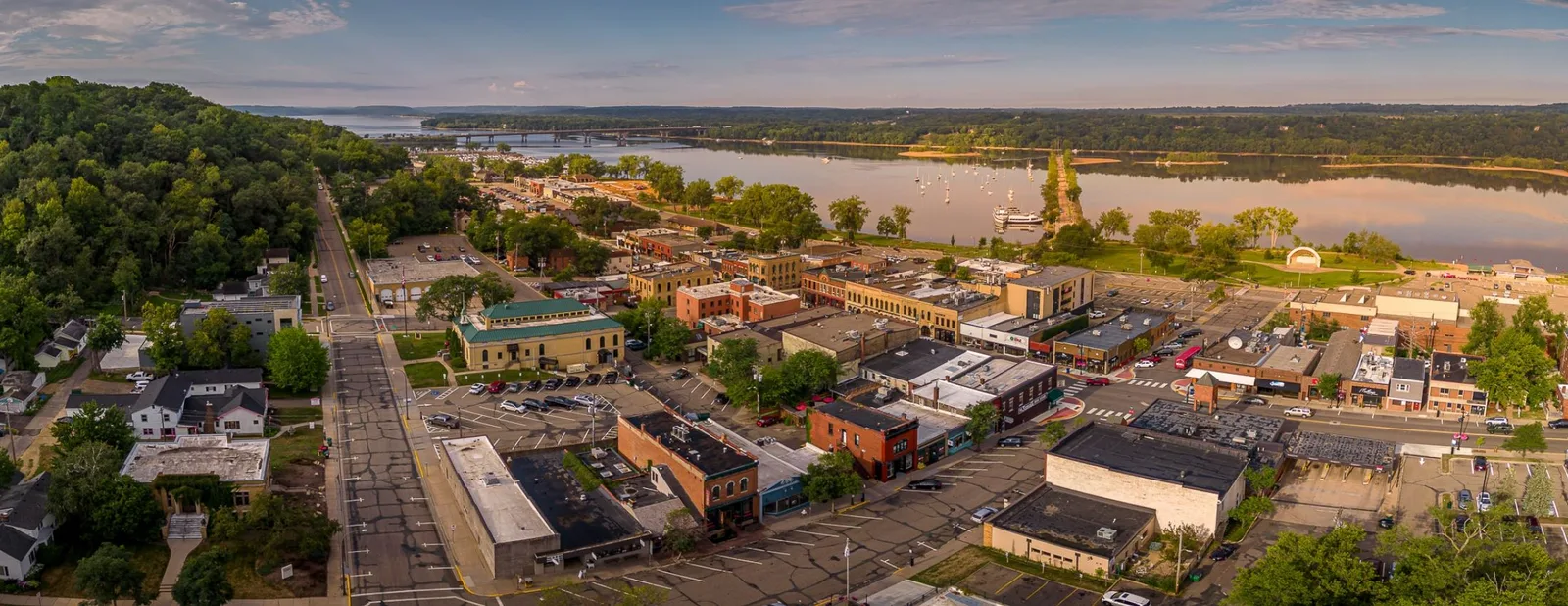
Hudson sits along the St. Croix River in western St. Croix County, with terrain that drops sharply toward the water. That topography, combined with Wisconsin winters and heavy clay-influenced soils, creates recurring patterns in the calls restoration crews receive.
Local Conditions That Trigger Damage
- Deep frost lines that stress water supply lines in unheated crawl spaces, garages, and exterior walls
- Rapid spring thaw combined with rainfall, saturating soil and pushing hydrostatic pressure against foundation walls
- Summer thunderstorms that overwhelm gutters, window wells, and municipal drainage
- Aging cast iron and clay lateral lines in older neighborhoods near downtown, prone to root intrusion and sewage backups
- Heavy heating-season use of furnaces, fireplaces, and wood stoves, raising fire and smoke risk from October through March
- Tightly sealed newer construction that traps humidity when ventilation is inadequate
Warning Signs Worth Acting On
- Musty odors in lower levels, closets, or near HVAC returns
- Efflorescence - white chalky deposits - on basement block walls
- Bubbling paint, warped baseboard, or soft drywall near floor level
- Slow floor drains, gurgling toilets, or sewer odor after heavy rain
- Persistent smoke smell that returns on humid days after a small kitchen or chimney fire
- Visible staining on ceilings below bathrooms or roof valleys
Catching these early often keeps a water event from becoming a mold remediation project weeks later.
Neighborhoods We Serve in Hudson
Coverage spans the city and the surrounding townships throughout the St. Croix Valley, with each area presenting its own restoration challenges.
- Historic Downtown and Third Street - century-old homes with stone and rubble foundations, plaster walls, and original wood trim
- Willow River and North Hudson - riverside properties with elevated groundwater and walkout lower levels
- Bayport and Lakefront areas - homes near the water where humidity control matters year-round
- South Hudson and Carmichael Road corridor - newer subdivisions with finished basements and complex HVAC systems
- Troy and St. Joseph Townships - rural properties on private wells and septic systems
- Surrounding communities - River Falls, Somerset, Roberts, Houlton, New Richmond, and Star Prairie
Commercial spaces along Coulee Road, Vine Street, and the I-94 business corridor also receive service, including offices, restaurants, and multi-tenant buildings where downtime carries real cost.
Seasonal Damage Patterns in Hudson
Restoration demand in Hudson follows a predictable annual rhythm shaped by Wisconsin's temperature swings.
- December through February - frozen and burst pipes lead the call volume, alongside furnace puffbacks, chimney fires, and holiday cooking fires driving fire and smoke damage restoration work
- March and April - snowmelt plus spring rain produces the year's heaviest concentration of flooded basement calls, sump pump failures, and foundation seepage
- May and June - rising humidity activates mold growth in areas that stayed damp through the thaw; storm-driven water intrusion increases
- July and August - severe thunderstorms overwhelm drainage systems, causing sewage backups when sanitary lines take on excess flow; air conditioning condensate leaks appear
- September and October - hidden mold from summer humidity surfaces as homes close up; first furnace runs release smoke odors and dust
- November - early freezes catch outdoor spigots and unwinterized lines; wood stove and fireplace season begins
Scheduling sump pump checks in February and gutter clearing in October addresses two of the largest seasonal risk categories before they escalate.
Housing Characteristics & Restoration Considerations
Hudson's housing stock spans more than 150 years, and building era heavily influences how a restoration project unfolds.
Older Homes - Pre-1940
- Stone, brick, or rubble foundations that wick moisture and dry slowly
- Lath and plaster walls requiring different drying strategies than modern drywall
- Balloon framing that lets smoke and fire travel vertically between floors
- Original hardwood floors that may be salvageable with controlled drying rather than replacement
- Knob-and-tube or early wiring that adds complexity after fire events
Mid-Century Homes - 1950s to 1980s
- Concrete block basements prone to lateral seepage and efflorescence
- Cast iron drain lines nearing the end of service life, raising sewage backup risk
- Limited insulation in rim joists, creating condensation and hidden mold pockets
- Wood paneling and drop ceilings that absorb smoke residue and hold odor
Newer Construction - 1990s to Present
- Finished lower levels with carpet, framing, and mechanical rooms - high loss value in a flood
- Engineered flooring and OSB subfloor that swell quickly and permanently when saturated
- Tight building envelopes that trap humidity and smoke odor without proper ventilation
- Complex ductwork that distributes soot and mold spores throughout the home
Assessment always begins with identifying construction type, because the drying plan for plaster over lath differs sharply from the plan for a modern finished basement.
Environmental Conditions & Damage Implications
Hudson's location on the St. Croix River bluffs shapes moisture behavior in ways that directly affect restoration outcomes.
Climate
- Humid continental climate with roughly 32 inches of annual precipitation and substantial winter snowfall
- Summer dew points frequently in the 60s, pushing indoor relative humidity above the 60 percent threshold where mold thrives
- Winter temperatures well below zero, driving freeze-thaw cycles that crack foundations and split pipes
Soil and Groundwater
- Glacial till and clay-heavy soils that hold water against foundation walls instead of draining
- Sandy pockets near the river where groundwater sits close to the surface
- Bluff areas with runoff concentration that overwhelms grading and window wells during downpours
Water and Air Quality
- Hard, mineral-rich water that accelerates wear on water heaters, valves, and supply lines
- Rural properties on private wells and septic systems, where backups introduce added contamination concerns
- Regional wildfire smoke events in recent summers, layering outdoor particulate onto indoor air quality problems
- Radon-prone geology, meaning basement work often coincides with sub-slab and ventilation considerations
These factors explain why drying a Hudson basement takes a different approach than drying a home in a dry climate - ambient humidity works against evaporation for much of the year, making dehumidification equipment central rather than supplemental.
Modern Drying Technology and the Restoration Process in the St. Croix Valley
Restoration has moved well beyond fans and shop vacuums. Certified crews serving Hudson rely on measurement-driven methods that document conditions from the first hour through final clearance.
Equipment in Use
- Thermal imaging cameras - locate moisture behind walls and under flooring without demolition
- Penetrating and non-invasive moisture meters - track drying progress in wood, drywall, and concrete
- Low-grain refrigerant dehumidifiers - pull moisture from air even in cool basement conditions
- Desiccant dehumidifiers - handle dense materials like plaster, hardwood, and masonry
- Air movers and injection drying systems - direct airflow into wall cavities and under cabinets
- HEPA air scrubbers and negative air machines - contain spores and soot particles during mold and fire work
- Truck-mounted extraction units - remove standing water from flooded basements at high volume
- Hydroxyl generators and thermal fogging - neutralize smoke odor at the molecular level rather than masking it
How a Project Typically Progresses
- Emergency contact and dispatch, with crews arriving to stop the active source
- Inspection and damage assessment, including moisture mapping and category classification for water or sewage
- Water extraction or debris and soot removal, depending on the loss type
- Controlled drying with daily moisture readings logged for insurance documentation
- Cleaning, antimicrobial application, and sanitizing of affected surfaces and contents
- Odor treatment and HVAC decontamination where smoke or biological contamination is present
- Repairs and reconstruction to return the property to pre-loss condition
Sewage and mold projects add containment barriers and personal protective protocols, keeping contaminants isolated from clean areas of the home. Documentation throughout the process gives homeowners and insurance adjusters a clear record of what was affected, what was dried, and what was replaced.





