
Damage Restoration in Sheboygan Falls, WI
- Damage Restoration Services Overview
- Common Damage Restoration Issues in Sheboygan Falls, Wisconsin
- Neighborhoods We Serve in Sheboygan Falls
- Seasonal Damage Patterns in Sheboygan Falls
- Housing Characteristics & Restoration Considerations
- Environmental Conditions & Damage Implications
- Emergency Response and Insurance Documentation for Sheboygan Falls Property Owners
Damage Restoration Services Overview
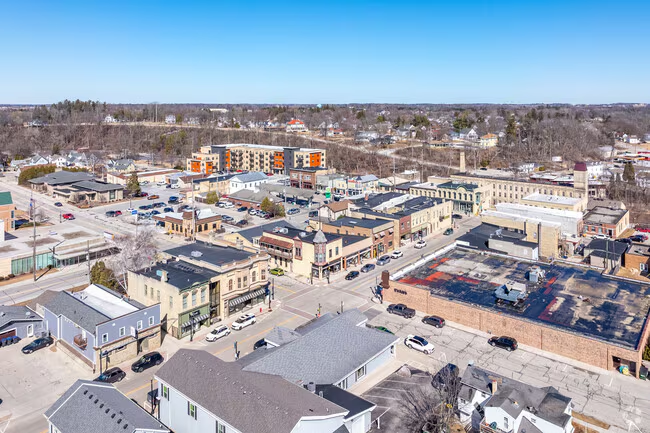
The Sheboygan River runs straight through the middle of Sheboygan Falls, and the community's namesake falls sit less than a mile from the historic downtown district. That proximity to moving water, combined with Wisconsin freeze-thaw cycles, means basement seepage and pipe failures are far more routine here than most homeowners expect.
Sheboygan Restoration has been restoring properties in Sheboygan Falls and surrounding Sheboygan County communities for years. This is our home, not just a service area - we know the local building stock, the soil, and the water damage patterns that repeat year after year.
Our full range of restoration work includes:
- Water Damage Restoration - extraction, structural drying, and moisture mapping after burst pipes, appliance failures, and roof leaks
- Flooded Basement Cleanup - pump-out, content handling, and drying for the deep basements common in older Falls homes
- Sewage Cleanup - hazmat-trained response to backups, with pathogen containment and disinfection
- Fire Damage Restoration - stabilization, debris removal, and structural repair after fire
- Smoke Damage Restoration - soot removal, thermal fogging, and odor neutralization in porous materials
- Mold Removal - containment, spore-source elimination, and correction of the moisture problem feeding growth
Water damage restoration in the Sheboygan area typically ranges from $1,500 to $10,000+ depending on severity, water category, and area affected. Call for a free quote with detailed, upfront pricing before any work begins.
Common Damage Restoration Issues in Sheboygan Falls, Wisconsin
Sheboygan Falls sits inland from Lake Michigan but still catches coastal weather systems that stall over the county. Heavy rain bands and lake-effect snow both put pressure on basements and roofs.
What Causes Most Local Damage
- Spring snowmelt and river rise - saturated ground pushes water through foundation cracks and window wells
- Frozen and burst pipes - uninsulated lines in crawl spaces and older stone foundations fail during January cold snaps
- Sump pump failure - power outages during storms leave basements defenseless within hours
- Municipal sewer surcharge - intense rainfall overwhelms combined lines and backs contaminated water into floor drains
- Heating equipment fires - furnaces, wood stoves, and space heaters run hard from November through March
- Storm and wind damage - broken windows and lifted shingles let rain into attics and wall cavities
Warning Signs Worth Acting On
- Musty or earthy odors in basements, closets, or behind finished walls
- Efflorescence - white chalky residue on concrete block foundations
- Tannin staining on ceilings, bubbling paint, or soft drywall near baseboards
- Gurgling floor drains or slow toilets during heavy rain
- Persistent smoke odor that returns on humid days after a small kitchen or furnace fire
- Warped hardwood, cupping planks, or lifting vinyl seams
Visible mold or a musty smell means spores are already spreading. Floodwater carries contaminants that require professional remediation - and raw sewage should never be handled without hazmat training and proper containment.
Neighborhoods We Serve in Sheboygan Falls
We respond across the full Sheboygan Falls footprint and the surrounding townships.
- Downtown Historic District - Broadway and Monroe Street commercial buildings and century-old residences
- River Park and riverfront properties along the Sheboygan River corridor
- Giddings Avenue and Pine Street residential blocks
- Falls Road and Highway 32 corridor homes and businesses
- Newer subdivisions on the north and west edges of the city
- Town of Sheboygan Falls rural properties on private wells and septic systems
We also serve nearby Kohler, Sheboygan, Plymouth, Howards Grove, Kiel, Cedar Grove, Oostburg, Random Lake, and Elkhart Lake. Familiar local routes mean crews arrive fast, and familiarity with Sheboygan County permitting keeps repair work moving without administrative delays.
Seasonal Damage Patterns in Sheboygan Falls
Winter (December - February)
- Frozen and burst supply lines in crawl spaces, garages, and exterior walls
- Ice damming on low-slope roofs, pushing meltwater into attics and ceilings
- Peak furnace, chimney, and space heater fires - with heavy smoke and soot spread through ductwork
Spring (March - May)
- Snowmelt plus rain saturates clay soils and floods basements
- Sump pumps run continuously and burn out
- Sewer backups spike during multi-day rain events
- Mold begins germinating in materials that stayed damp all winter
Summer (June - August)
- Thunderstorms, hail, and straight-line winds open roofs and windows
- High humidity accelerates mold growth in unconditioned basements
- Air conditioning condensate line clogs cause slow, hidden ceiling leaks
- Grilling and outdoor fire incidents increase
Fall (September - November)
- Clogged gutters and downspouts route water against foundations
- First furnace start-up creates puff-back soot and smoke odor
- Pre-freeze pipe checks and sump pump testing prevent winter emergencies
Housing Characteristics & Restoration Considerations
Sheboygan Falls carries one of the better-preserved historic housing stocks in the county, with cream city brick and Greek Revival homes dating to the 1800s standing alongside postwar ranches and modern subdivisions.
Older Homes (pre-1940)
- Stone and rubble foundations that wick moisture and hide saturation behind finished basement walls
- Plaster and lath that holds water far longer than drywall and demands slower, controlled drying
- Balloon framing that lets fire, smoke, and odor travel vertically through wall cavities to the attic
- Cast iron and clay sewer laterals prone to root intrusion and backups
- Knob-and-tube remnants and old wiring that raise fire risk
Mid-Century and Newer Construction
- Poured concrete or block basements with finished rec rooms - carpet, pad, and paneling trap water fast
- Tighter building envelopes hold humidity and concentrate smoke odor
- Attached garages and multi-zone HVAC systems that spread soot quickly
- Engineered flooring and MDF trim that swell permanently with minimal exposure
How This Shapes Our Work
- We test moisture behind finishes rather than removing materials by default
- Historic trim, hardwood, and millwork are dried and salvaged when readings allow
- Containment barriers protect unaffected rooms during mold and sewage work
- Repairs are matched to Sheboygan Falls building codes and historic district expectations
Environmental Conditions & Damage Implications
Local ground and climate conditions drive nearly every restoration decision we make in the Falls.
Soil and Groundwater
- Heavy glacial clay and till hold water at the surface instead of draining it away
- Hydrostatic pressure builds against basement walls during extended wet stretches
- Proximity to the Sheboygan River raises seasonal groundwater tables in low-lying lots
- Clay expansion and contraction opens hairline foundation cracks over time
Climate and Humidity
- Summer dew points regularly climb into the 60s and 70s, pushing indoor humidity past the mold threshold
- Lake Michigan moderates temperatures but adds moisture to incoming air
- Roughly 30 inches of annual precipitation plus significant snowfall concentrated in short events
- Deep frost lines drive pipe freezing and slab heave
Water and Air Quality Effects
- Hard, mineral-heavy water accelerates corrosion in supply lines and water heaters, a frequent cause of sudden failures
- Rural properties on septic systems face saturation-driven backups after heavy rain
- Smoke particulate settles into porous plaster, insulation, and HVAC systems and reactivates with humidity
- Floodwater from river overflow or sewer surcharge is treated as Category 3 - full disinfection, not just drying
Our drying plans account for outdoor dew point, not just indoor readings. Dehumidification targets are set so materials reach dry standard and stay there after equipment comes out.
Emergency Response and Insurance Documentation for Sheboygan Falls Property Owners
The first 24 to 48 hours determine whether a water loss stays a cleanup or becomes a mold remediation project. Response speed matters more here than in warmer, drier regions because humid Wisconsin summers and closed-up winters both favor microbial growth.
What Happens When You Call
- Immediate phone triage - we walk you through shutting off water, power, or gas safely before crews arrive
- On-site assessment - moisture meters, thermal imaging, and water category classification
- Containment and extraction - truck-mounted or portable extraction, plus containment barriers for sewage and mold
- Structural drying - air movers, dehumidifiers, and daily documented moisture readings
- Cleaning and treatment - antimicrobial application, soot removal, HVAC cleaning, and odor neutralization
- Reconstruction - drywall, flooring, trim, and paint returning the space to pre-loss condition
Documentation That Supports Your Claim
- Photo and video record of conditions before any material is removed
- Daily moisture logs showing drying progress across all affected materials
- Detailed scope and line-item estimate written in the format adjusters expect
- Written water category classification supporting the removal decisions made
- Direct communication with your carrier so you are not relaying technical details
What Sheboygan Falls Owners Should Do Before We Arrive
- Shut off the water main if the source is a supply line
- Stay out of flooded basements until power to that level is cut
- Do not enter or touch sewage-affected areas - pathogens are the real hazard
- Photograph everything, but move only what is safe and dry
- Open interior doors to unaffected rooms only after containment is in place
Knowing the local sewer system, the river's behavior, and the way century-old cream brick homes hold moisture lets our crews make faster, better calls on site. That local knowledge is the difference between a drying plan that works and one that leaves a problem behind the wall.





