
Damage Restoration in Sheboygan, WI
- Damage Restoration Services Overview
- Common Damage Restoration Issues in Sheboygan, Wisconsin
- Neighborhoods We Serve in Sheboygan
- Seasonal Damage Patterns in Sheboygan
- Seasonal Damage Patterns in Sheboygan
- Housing Characteristics & Restoration Considerations
- Environmental Conditions & Damage Implications
- Basement Water and Sewer Backup Solutions for Sheboygan Homes
Damage Restoration Services Overview
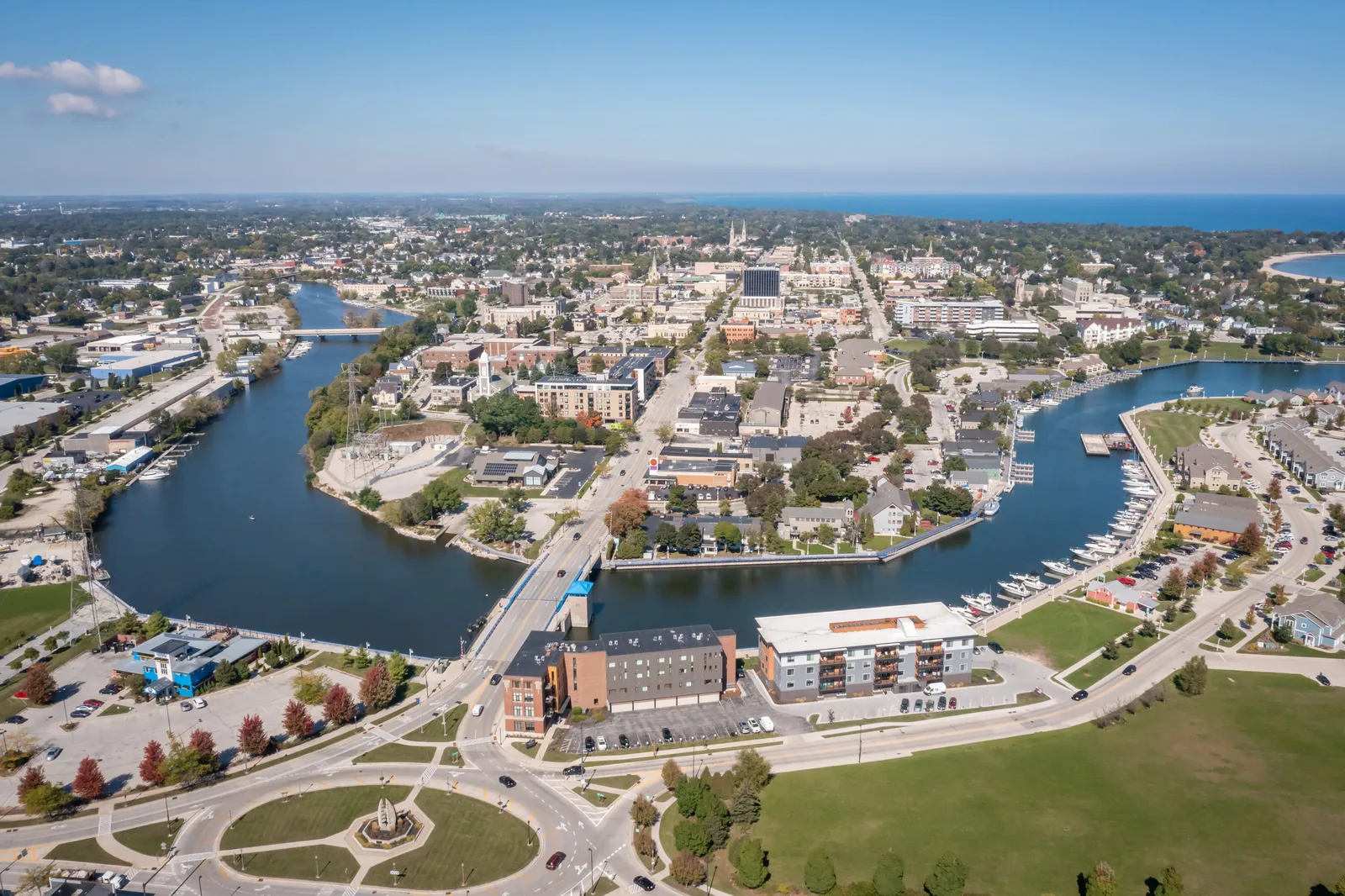
Sheboygan sits directly on the Lake Michigan shoreline, where lake-effect snow can dump more than 40 inches in a single winter - and every inch of it eventually becomes water pressing against basement walls. That geography, combined with a housing stock full of century-old homes and clay-heavy soil, keeps property damage a year-round reality here rather than a rare emergency.
Property owners in Sheboygan County rely on a full spectrum of restoration work, including:
- Water Damage Restoration - extraction, structural drying, and moisture mapping after burst pipes, appliance failures, and roof leaks
- Flooded Basement Cleanup - sump pump failures, foundation seepage, and storm surge intrusion in older lower levels
- Sewage Cleanup - sanitizing black water backups from municipal main surcharges and failed laterals
- Fire Damage Restoration - structural stabilization, debris removal, and rebuilding after kitchen, furnace, and electrical fires
- Smoke Damage Restoration - soot removal, thermal fogging, and odor neutralization in walls, ductwork, and contents
- Mold Removal - containment, remediation, and prevention in damp basements, attics, and crawl spaces
The benefit of addressing these issues quickly goes beyond appearance. Fast response limits secondary damage, protects indoor air quality, preserves belongings, and keeps insurance claims straightforward with proper documentation from the first hour on site.
Common Damage Restoration Issues in Sheboygan, Wisconsin
Local conditions drive predictable damage patterns. Freeze-thaw cycles, lake-driven humidity, and aging infrastructure combine to create the calls restoration crews see most often.
Leading Causes of Property Damage
- Frozen and burst supply lines in uninsulated exterior walls, crawl spaces, and unheated garages
- Sump pump failure or power loss during heavy spring rain and rapid snowmelt
- Sanitary sewer surcharges that push contaminated water through basement floor drains
- Ice damming along steep older rooflines, forcing meltwater under shingles and into ceilings
- Kitchen grease fires and furnace or wood stove malfunctions during long heating seasons
- Chronic humidity and condensation feeding mold growth behind finished basement paneling
Warning Signs Worth Acting On
- Musty odors that intensify when the HVAC system runs
- Efflorescence, chalky white staining, or bubbling paint on foundation walls
- Cupping or darkening hardwood near dishwashers, refrigerators, and water heaters
- Gurgling floor drains or slow-draining fixtures, an early hint of sewer line trouble
- Yellow-brown ceiling rings appearing after a thaw or a heavy rain event
- Lingering smoke odor weeks after a small fire, indicating soot trapped in ducts and insulation
Ignoring any of these allows Category 1 clean water to degrade into gray or black water within days, which raises both the scope of work and the cost of restoration.
Neighborhoods We Serve in Sheboygan
Restoration crews respond throughout the city and the wider county, adapting methods to the construction style of each area.
- Downtown and the Harbor Centre district - mixed-use masonry buildings and upper-floor apartments
- North Side and Indiana Avenue corridor - early 1900s homes with stone and block foundations
- South Side and Indian Mound area - post-war bungalows and finished lower levels
- Riverfront and Pigeon River neighborhoods - properties with elevated flood exposure
- Sheboygan Falls, Kohler, and Howards Grove - a blend of historic and newer subdivision homes
- Plymouth, Oostburg, Cedar Grove, and Random Lake - rural properties on private wells and septic systems
- Elkhart Lake and Kiel - seasonal and lakeside residences prone to unattended water loss
Coverage extends across Sheboygan County and into neighboring Manitowoc, Ozaukee, and Fond du Lac communities.
Seasonal Damage Patterns in Sheboygan
Seasonal Damage Patterns in Sheboygan
Each season brings its own restoration workload along the lakeshore.
- December through February: Frozen pipe breaks peak during subzero stretches. Heating equipment, space heaters, and fireplaces drive fire and smoke damage calls. Ice dams begin forming on north-facing roofs.
- March and April: Snowmelt over still-frozen ground sends water toward foundations. Flooded basements and sump pump failures spike, followed closely by sewer backups when the system runs at capacity.
- May and June: Thunderstorms and wind-driven rain cause roof intrusion and window leaks. Mold colonies from spring flooding become visible as temperatures climb.
- July and August: Lake-driven humidity keeps basements damp. Mold removal and dehumidification requests dominate. Air conditioning condensate line clogs cause hidden ceiling damage.
- September and October: Heavy fall rains test aging gutters and drain tile. Furnaces fire up for the first time, releasing dust burn-off odors and occasionally revealing cracked heat exchangers.
- November: Early freezes catch outdoor spigots and unwinterized seasonal properties, producing extensive undetected water losses.
Housing Characteristics & Restoration Considerations
Sheboygan's housing stock skews older than the national average, with a large share of homes built before 1960 and a notable cluster of pre-1940 construction near the lake and downtown. Age shapes every phase of restoration.
Construction Types and What They Mean
- Stone and rubble foundations: Porous and irregular, they wick moisture and complicate basement drying. Cavity drying and injection systems often replace surface-only methods.
- Balloon-framed walls: Common in pre-1930 homes, they allow water - and fire and smoke - to travel vertically between floors unchecked.
- Plaster and lath interiors: Hold moisture longer than drywall and require careful drying to avoid unnecessary demolition of original finishes.
- Cream city brick and masonry veneers: Absorb smoke residue deeply, calling for specialized cleaning agents rather than standard wipe-down.
- Finished basements with paneling and carpet: Trap moisture behind surfaces, making them the most frequent mold removal sites in the city.
- Newer subdivisions in Kohler and Sheboygan Falls: Tighter envelopes dry quickly but concentrate humidity and odor when ventilation is limited.
Older properties also carry material concerns. Asbestos-containing tile, pipe wrap, and lead-based paint appear regularly in mid-century homes, so testing precedes demolition. Knob-and-tube or early electrical panels raise fire risk and influence how a rebuild is scoped after fire damage restoration.
Environmental Conditions & Damage Implications
The lake defines the local environment, and it shapes restoration strategy from the first moisture reading.
Climate Factors
- Annual precipitation near 32 inches, with heavy spring and early summer rainfall
- Lake-effect snowfall that melts unevenly and refreezes against foundations
- Summer relative humidity frequently above 70 percent, slowing natural drying
- Winter lows well below freezing for extended stretches, keeping pipe risk elevated
Soil and Groundwater
- Dense glacial clay and till drain slowly, holding water against basement walls
- High seasonal water tables near the Sheboygan and Pigeon Rivers increase hydrostatic pressure
- Clay expansion and contraction opens foundation cracks that become seepage paths
Air Quality and Health Implications
- Damp basements support Aspergillus, Penicillium, and Stachybotrys growth within 24 to 48 hours of wetting
- Sewage backups introduce bacteria and viruses that demand antimicrobial treatment and controlled removal of porous materials
- Smoke particulate migrates into HVAC systems and insulation, requiring duct cleaning and hydroxyl or ozone treatment
- Tight winter homes recirculate contaminants, making containment and negative air machines standard practice
Because clay soil and lake humidity work against passive drying, effective restoration here depends on commercial dehumidification, air movers sized to the space, and daily moisture documentation rather than assumptions.
Basement Water and Sewer Backup Solutions for Sheboygan Homes
Basements are where most Sheboygan restoration projects begin. Many were dug for coal storage and laundry, never intended as living space, and later finished with materials that fail the moment water arrives. Add a municipal sewer system that carries both storm and sanitary flow in certain older sections, and backups become a recurring seasonal issue.
How a Flooded Basement Project Progresses
- Assessment and safety check - power isolation, water category classification, and identification of the intrusion point
- Extraction - truck-mounted or portable units remove standing water, including trapped water beneath carpet pad and behind baseboards
- Controlled demolition - saturated paneling, insulation, and carpet come out when they cannot be salvaged, with cuts kept as tight as conditions allow
- Sanitizing - EPA-registered antimicrobials applied to all contacted surfaces, mandatory for any Category 3 sewage event
- Structural drying - dehumidifiers and air movers positioned to pull moisture from block cores, sill plates, and subfloor
- Monitoring and verification - daily meter readings until materials return to documented dry standards
- Reconstruction - rebuilding with moisture-tolerant materials that perform better through the next wet spring
Custom Solutions That Reduce Repeat Losses
- Backwater valve recommendations for homes with a history of sewer surcharge
- Battery backup or water-powered secondary sump systems for storm-season power outages
- Closed-cell insulation and inorganic wall assemblies in place of wood studs and paper-faced drywall
- Exterior grading, downspout extension, and window well drainage adjustments
- Dedicated basement dehumidification sized to Sheboygan's summer humidity load
Every property gets a documented moisture map and photo record, which supports the insurance claim and gives owners a clear picture of what was dried, what was replaced, and why.





