Damage Restoration in Muskegon County, MI
- Damage Restoration Services Overview
- Common Damage Restoration Issues in Muskegon County, Michigan
- Neighborhoods We Serve in Muskegon County
- Seasonal Damage Patterns in Muskegon County
- Housing Characteristics & Restoration Considerations
- Environmental Conditions & Damage Implications
- Advanced Drying and Odor Technology for Lakeshore Properties
Damage Restoration Services Overview
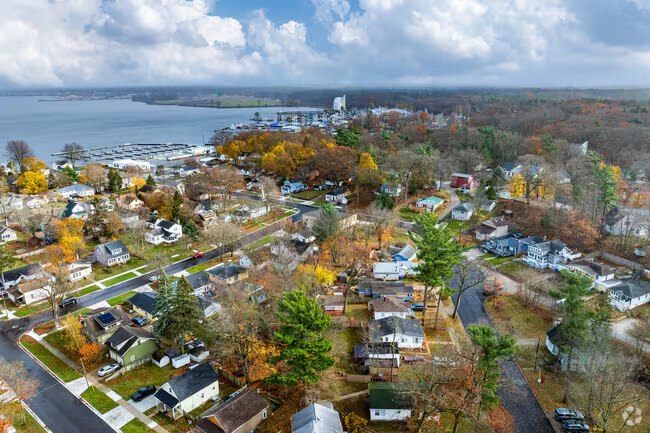
Muskegon County sits along more than 25 miles of Lake Michigan shoreline, and that lake-effect climate delivers over 90 inches of annual snowfall in some parts of the county. All that snow eventually becomes water - and water always finds the lowest point in a home.
Restoration work in Muskegon County covers far more than mopping up. Certified crews handle the full spectrum of property emergencies for homeowners, landlords, and commercial operators across the lakeshore.
- Water Damage Restoration - rapid extraction, structural drying, and repair after burst pipes, appliance failures, roof leaks, and storm intrusion.
- Flooded Basement Recovery - pump-out, sump failure response, and drying of below-grade living space and storage areas.
- Sewage Cleanup - safe removal of Category 3 contaminated water, antimicrobial treatment, and disposal of affected porous materials.
- Fire Damage Restoration - soot and char removal, content cleaning, board-up, and structural rebuild.
- Smoke Damage Restoration - odor neutralization, HVAC decontamination, and surface cleaning in rooms far from the flame source.
- Mold Removal - inspection, containment, HEPA filtration, and remediation of hidden colonies.
The benefit of acting quickly is straightforward: contained damage costs less, dries faster, and keeps families in their homes instead of in hotels. IICRC-certified technicians document every step for insurance carriers, which smooths the claims process considerably.
Common Damage Restoration Issues in Muskegon County, Michigan
Geography drives most property damage here. Sandy shoreline soils, a high water table near Muskegon Lake and Mona Lake, and aging municipal infrastructure combine into predictable problems.
Frequent Causes of Loss
- Frozen and burst supply lines in unheated crawl spaces during January and February deep freezes
- Sump pump failure during spring thaw, when groundwater rises fast in low-lying neighborhoods
- Sanitary sewer backups after heavy rain overwhelms combined lines in older city districts
- Roof and window leaks driven by lake-effect wind loads off Lake Michigan
- Chimney, wood stove, and space heater fires during long heating seasons
- Kitchen grease fires that push smoke through entire floor plans within minutes
- Mold blooming behind finished basement paneling and under vinyl flooring
Warning Signs Worth Investigating
- Musty or earthy odor that intensifies when the furnace or AC runs
- White chalky efflorescence or dark staining on block foundation walls
- Baseboards that swell, cup, or separate from drywall
- Tack strips lifting or carpet feeling cool and damp underfoot
- Persistent smoke odor weeks after a small fire was extinguished
- Gurgling floor drains or slow basement fixtures before a full backup
- Unexplained allergy or asthma flare-ups among household members
Damp materials begin supporting microbial growth within a day or two. A minor drip discovered early rarely becomes a mold remediation project - the same drip ignored for a month usually does.
Neighborhoods We Serve in Muskegon County
Coverage spans the entire county, from the shoreline dunes to the inland farm townships.
- City of Muskegon - Nims, Jackson Hill, Lakeside, McLaughlin, Angell, Marquette, and the Downtown district
- Muskegon Heights and Roosevelt Park - older housing stock with block basements
- Norton Shores - Mona Lake, Lake Harbor Road, and Harvey Street corridors
- North Muskegon and Whitehall - waterfront and White Lake properties
- Montague, Twin Lake, and Holton - rural properties on well and septic systems
- Fruitport, Ravenna, and Casnovia - farm homes and outbuildings
- Muskegon Township, Fruitland Township, Egelston, Dalton, and Laketon
Crews also respond to surrounding lakeshore communities in Ottawa and Oceana counties. Knowing which streets flood first after a hard rain - and which older districts still carry combined sewer segments - shapes how quickly equipment gets staged.
Seasonal Damage Patterns in Muskegon County
Winter (December - February)
- Burst pipes in crawl spaces, garages, and vacant seasonal cottages
- Ice dams forcing meltwater under shingles and into ceilings
- Peak fire season from furnaces, wood stoves, and portable heaters
- Smoke damage spreading through closed-up, poorly ventilated homes
Spring (March - May)
- Snowmelt plus rain producing the year's heaviest flooded basement volume
- Sump pump burnout and sewage backups during saturated ground conditions
- First mold discoveries as temperatures climb above 60 degrees
Summer (June - August)
- Severe thunderstorms, wind-driven rain, and power outages that disable sump pumps
- Humidity-fueled mold growth in basements and crawl spaces
- Air conditioning condensate line clogs causing ceiling and closet leaks
Fall (September - November)
- Gale-force lake winds tearing shingles and flashing loose
- Clogged gutters directing roof runoff against foundations
- Early heating season fires from unswept chimneys and dusty furnaces
Housing Characteristics & Restoration Considerations
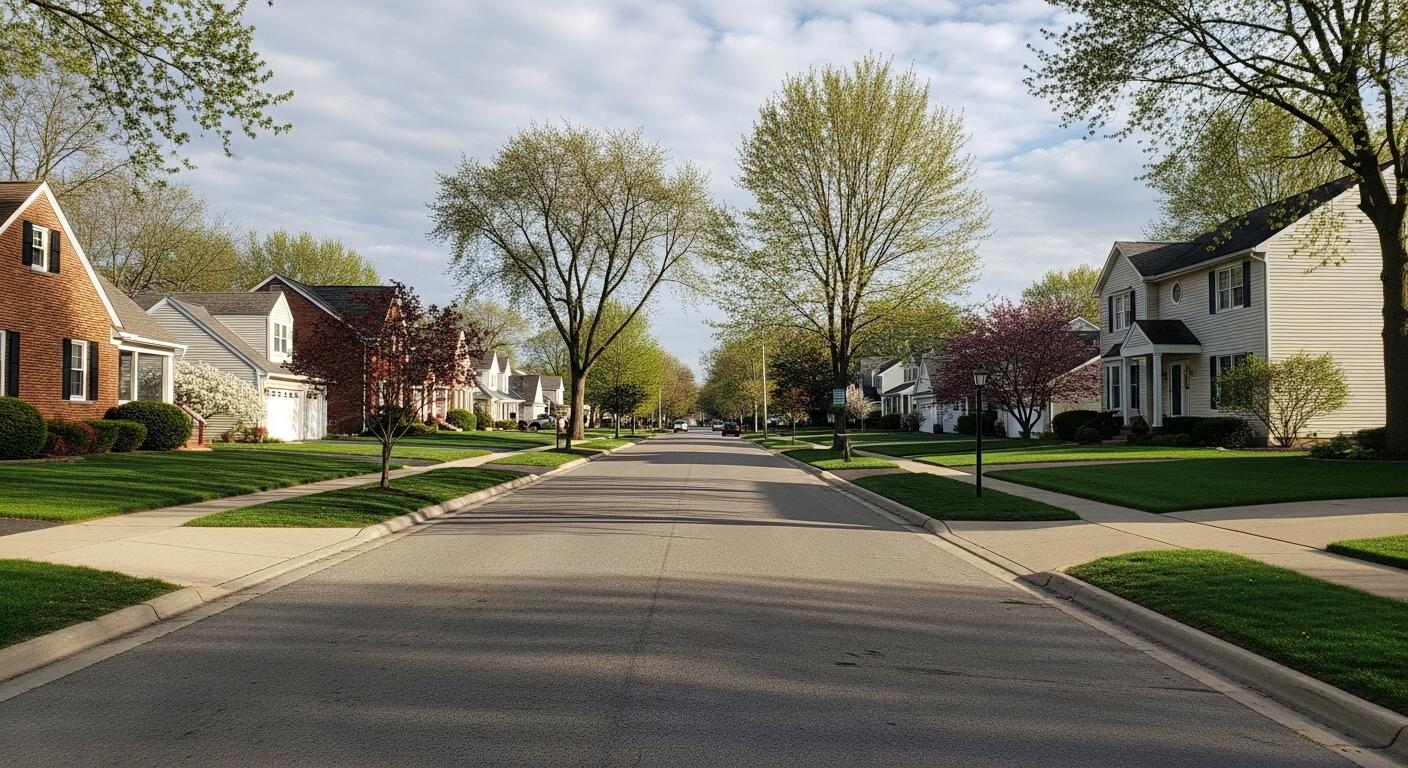
A large share of Muskegon County housing predates 1970, and the industrial-era neighborhoods near the lakefront include homes built in the early 1900s. Age shapes nearly every restoration decision.
Common Construction Types
- Early 1900s wood-frame homes with plaster and lath, balloon framing, and stone or brick foundations
- Post-war ranches and Cape Cods with poured or block basements
- 1970s-1990s subdivisions in Norton Shores and Fruitport with finished lower levels
- Lakeshore cottages converted to year-round use, often with shallow crawl spaces
- Rural farmhouses on septic systems with fieldstone or dirt-floor basements
How Age Affects the Work
- Balloon framing creates open wall cavities that carry fire, smoke, and water vertically between floors - thermal imaging is used to trace the full path.
- Plaster and lath holds moisture longer than drywall and needs slower, more controlled drying to avoid cracking.
- Block foundations wick groundwater through mortar joints, so drying requires wall cavity ventilation, not just surface air movement.
- Pre-1980 materials may contain asbestos or lead paint, which requires testing before demolition on fire and water losses.
- Finished basements with carpet pad, paneling, and framed walls hide moisture and become mold reservoirs after any flooding event.
- Septic properties in Holton and Casnovia face sewage backup risk when drain fields saturate.
Environmental Conditions & Damage Implications
The lake governs the local climate. Muskegon County averages roughly 35 inches of rain and heavy lake-effect snow, with humidity that stays elevated through the warm months.
Climate and Moisture
- Summer indoor humidity frequently exceeds the 60 percent threshold where mold thrives
- Freeze-thaw cycling cracks foundation mortar and driveway-adjacent grade, creating new water entry points each year
- Lake-effect snowpack releases large volumes of water into soil over short thaw windows
Soil and Groundwater
- Sandy shoreline soils drain quickly but sit above a high water table near Muskegon, Mona, and White Lakes
- Inland clay pockets hold water against foundations and slow perimeter drainage
- Elevated water tables push hydrostatic pressure through floor cracks and cove joints
Air and Water Quality Factors
- The county's industrial legacy means sediment and legacy contaminants can appear in flood water from certain areas
- Hard well water in rural townships accelerates pipe scaling and fitting failures
- Winter homes sealed tight trap smoke particulate and mold spores in HVAC systems
These conditions push restoration beyond simple extraction. Post-loss work regularly includes dehumidification targets verified by moisture meters, HEPA air scrubbing, antimicrobial application, and clearance testing before any rebuild begins.
Advanced Drying and Odor Technology for Lakeshore Properties
Restoring a home two blocks from Lake Michigan is not the same as restoring one in a dry inland climate. Ambient humidity off the water works against every drying effort, which is why equipment selection matters here.
Technology Used on Muskegon County Losses
- Low-grain refrigerant and desiccant dehumidifiers that pull moisture from air already saturated by lake humidity
- Thermal imaging cameras to map water migration behind plaster, under hardwood, and inside balloon-framed walls
- Penetrating and non-invasive moisture meters for daily documented readings against dry standards
- Injectidry and wall cavity drying systems that save plaster and hardwood instead of tearing it out
- Negative air machines with HEPA filtration for mold containment and sewage cleanup zones
- Hydroxyl generators and thermal fogging for smoke odor bonded into framing and textiles
- Ozone chambers and ultrasonic cleaning for salvageable contents and soft goods
How a Typical Response Unfolds
- Emergency call intake with immediate safety guidance - shut off power to flooded areas, avoid contact with sewage water
- On-site inspection, moisture mapping, and photo documentation for the insurance file
- Source control, water extraction, or board-up and tarping after fire
- Controlled demolition of unsalvageable materials with containment barriers in place
- Structural drying with monitored equipment placement and daily readings
- Antimicrobial treatment, soot removal, and odor neutralization
- Clearance verification, then reconstruction of drywall, flooring, trim, and paint
Documented drying logs matter as much as the equipment itself. Carriers reviewing a Muskegon County claim want proof that materials reached dry standard - and homeowners want confidence that nothing was buried behind new drywall.