Damage Restoration in St. Joseph County, MI
- Damage Restoration Services Overview
- Common Damage Restoration Issues in St. Joseph County, Michigan
- Neighborhoods We Serve in St. Joseph County
- Seasonal Damage Patterns in St. Joseph County
- Housing Characteristics & Restoration Considerations
- Environmental Conditions & Damage Implications
- Why Hidden Moisture Is the Real Threat in St. Joseph County Homes
Damage Restoration Services Overview
You come home to a Three Rivers farmhouse after a February thaw and hear water running where no faucet is open. Or you wake in Sturgis to the smell of smoke long after the kitchen fire was put out. These moments move fast, and what happens in the first hours often decides how much of the structure and contents can be saved.
Our Michiana-based crews respond around the clock across St. Joseph County with a full range of restoration work:
- Water Damage Restoration - extraction, structural drying, moisture mapping, and documentation for insurance
- Flooded Basement Cleanup - sump failure recovery, groundwater removal, and drying of block and poured foundations
- Sewage Cleanup - containment, removal of contaminated materials, antimicrobial treatment, and deodorizing
- Fire Damage Restoration - board-up, debris removal, soot cleaning, and rebuilding of affected areas
- Smoke Damage Restoration - odor neutralization, HVAC cleaning, and content restoration
- Mold Removal - containment, HEPA filtration, affected material removal, and moisture source correction
Homeowners, farm operators, and business owners between Centreville, Constantine, and Colon get the same benefit: a documented process, careful attention to hidden moisture, and a single team from the first phone call through final walkthrough.
Common Damage Restoration Issues in St. Joseph County, Michigan
The county sits at the confluence of several waterways - the St. Joseph, Portage, Rocky, Fawn, and Prairie Rivers - with dozens of inland lakes scattered through Fabius, Sherman, and Colon townships. That water is beautiful, and it also puts a lot of basements close to the water table.
Frequent Causes We See
- Sump pump failure during spring runoff or after power loss in a thunderstorm
- Frozen and burst supply lines in unheated crawl spaces and older farmhouse additions
- Rising groundwater near Klinger Lake, Corey Lake, and low-lying river frontage
- Sewer backups when heavy rain overwhelms municipal lines in Three Rivers and Sturgis
- Septic system saturation on rural properties with clay-heavy or seasonally wet soils
- Failed water heaters, washing machine hoses, and ice maker lines
- Wood stove, fireplace, and space heater fires during long winters
- Lightning strikes and electrical fires in barns and outbuildings
Warning Signs Worth Acting On
- Musty odor in a basement or crawl space that returns after rain
- Efflorescence, white powdery residue, or dark staining on block walls
- Buckling hardwood, cupped laminate, or soft spots in subfloor
- Peeling paint or bubbling drywall tape near baseboards
- Persistent smoke odor that intensifies with humidity or when the furnace runs
- Slow drains and gurgling fixtures signaling a partial sewer blockage
- Unexplained allergy symptoms that ease when you leave the house
Any of these deserve a moisture reading before the problem spreads behind finished surfaces.
Neighborhoods We Serve in St. Joseph County
Our response area covers the entire county and the surrounding Michiana communities.
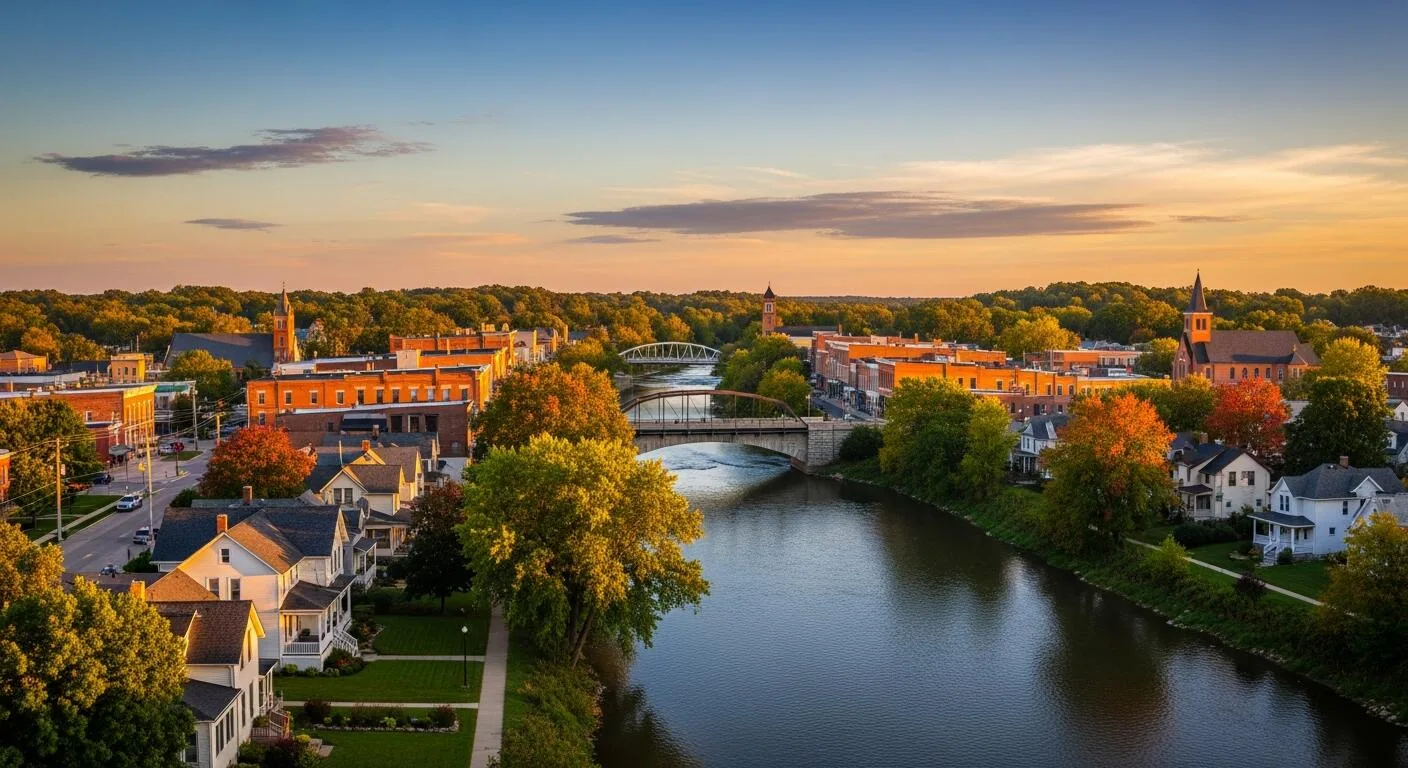
- Three Rivers - historic district homes, riverfront properties, and downtown commercial buildings
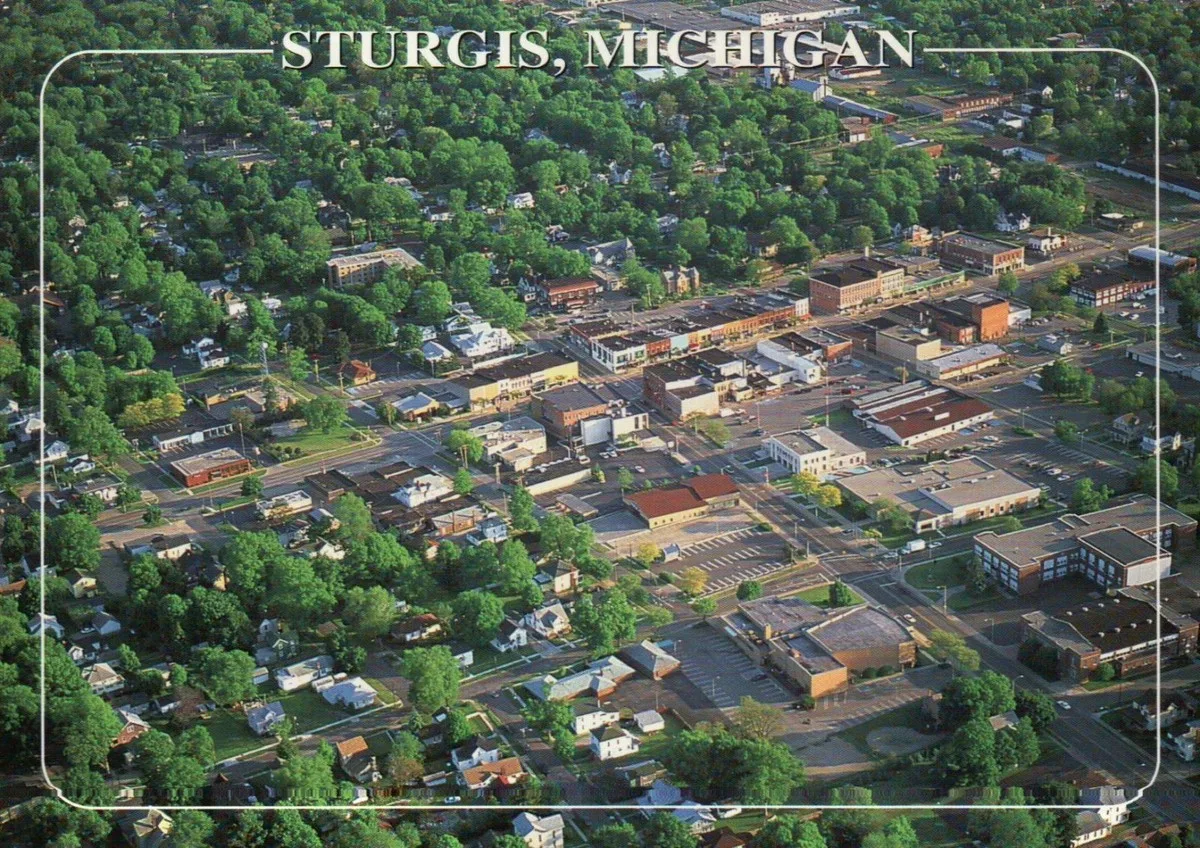
- Sturgis - established residential neighborhoods and light industrial facilities
- Centreville - county seat properties and surrounding farmland
- Constantine and White Pigeon - older village housing stock near the river corridor
- Colon, Mendon, and Burr Oak - small-town residences and agricultural buildings
- Leonidas, Nottawa, Fabius, Florence, and Park Township - rural homes on well and septic systems
- Lake communities - Klinger Lake, Corey Lake, Sturgis Lake, Palmer Lake, and Portage Lake seasonal and year-round homes
We also work throughout neighboring Berrien and Cass Counties in Michigan and across the state line in St. Joseph, Elkhart, Marshall, and LaPorte Counties, Indiana.
Seasonal Damage Patterns in St. Joseph County
- December through February - Frozen pipe breaks peak during hard cold snaps, especially in vacant lake cottages and homes with plumbing on exterior walls. Heating equipment and fireplace fires rise, bringing soot and smoke odor work.
- March and April - Snowmelt combines with spring rain to raise the water table. Flooded basements, sump pump overload, and groundwater seepage dominate our call volume along the St. Joseph and Portage River corridors.
- May through July - Severe thunderstorms bring wind-driven rain, roof leaks, power outages that disable sump pumps, and sewer backups when stormwater surges through municipal systems.
- July through September - Humidity climbs and mold growth accelerates in basements, crawl spaces, and closed-up seasonal properties. Small unnoticed leaks from spring become visible colonies.
- October and November - Furnace startup pushes stale smoke and mold spores through ductwork. Leaf-clogged gutters send water against foundations, and the first hard freeze catches unwinterized outdoor plumbing.
Year round, appliance failures and septic issues happen without warning, which is why crews stay mobilized 24/7.
Housing Characteristics & Restoration Considerations
St. Joseph County housing spans well over a century of building practices, and each era responds differently to water, fire, and mold.
Common Construction Types
- Pre-1940 farmhouses and village homes - balloon framing, plaster and lath, stone or unmortared block foundations, and dirt-floor cellars
- Mid-century ranches - poured or block basements, hardwood over plank subfloor, original cast iron drain lines
- 1970s-1990s subdivisions - finished basements, drywall, carpeted lower levels, and fiberglass batt insulation
- Lake cottages - crawl space foundations, seasonal shutoffs, and additions built in stages
- Newer builds - tighter envelopes that trap moisture and slow natural drying
How Age Shapes the Work
- Balloon framing lets water and smoke travel vertically between floors through open wall cavities, so we inspect well beyond the visible damage
- Plaster holds moisture longer than drywall and requires patient, monitored drying rather than immediate demolition
- Stone and unsealed block foundations wick groundwater continuously, calling for dehumidification alongside extraction
- Finished basements hide saturated insulation behind paneling, a leading cause of repeat mold problems
- Older homes may contain asbestos-bearing materials or lead paint, which changes how contaminated materials are handled
- Aging cast iron and clay sewer laterals crack and back up, making sewage cleanup a recurring rural and in-town issue
We document moisture readings room by room and re-check daily until materials reach dry standard.
Environmental Conditions & Damage Implications
Southwest Michigan's humid continental climate creates a wide swing between frozen winters and muggy summers, and both extremes stress buildings.
Local Conditions That Matter
- Lake-effect precipitation - heavy winter snowfall loads roofs and creates substantial spring melt volume
- Summer dew points - sustained high humidity keeps basement surfaces near dew point, feeding mold on joists and stored contents
- Prairie sand and outwash soils - much of the county drains quickly, yet pockets of clay and glacial till hold water against foundations
- High water table - properties near rivers, lakes, and wetlands see hydrostatic pressure push moisture through block joints and floor cracks
- Agricultural surroundings - field runoff, fertilizer, and livestock waste can contaminate floodwater, raising the category of a loss
- Private wells and septic - rural systems can be compromised during flooding, requiring disinfection and testing
- Hard, mineral-rich groundwater - scale accelerates pinhole leaks in older copper supply lines
Restoration Implications
- Drying plans must account for outdoor humidity - open windows often slow progress rather than help
- Floodwater from fields or backed-up septic is treated as contaminated, with removal of porous materials
- Smoke residues bond more aggressively to surfaces in humid conditions, requiring appropriate cleaning agents rather than general-purpose products
- Crawl space vapor barriers and foundation drainage are reviewed as part of long-term mold prevention
Why Hidden Moisture Is the Real Threat in St. Joseph County Homes
The visible water is the easy part. What determines whether a home stays dry - or grows mold three weeks later - is the moisture sitting inside wall cavities, under floating floors, beneath cabinet toe kicks, and in the insulation of a rim joist. In a county with as much river frontage, lakeshore, and older housing stock as this one, that hidden moisture is the single most common reason a repaired home has problems again.
Our Detection and Drying Process
- Initial assessment - infrared cameras and penetrating meters map the true extent of migration, not just the wet spots you can see
- Category and class determination - clean water, gray water, or sewage, each with a different handling protocol
- Containment - plastic barriers and negative air machines keep contaminants and odors out of unaffected rooms
- Extraction - truck-mounted and portable units pull standing water from basements, carpet, and pad
- Controlled demolition - only saturated, non-salvageable materials come out, with cuts made at clean lines
- Structural drying - air movers and low-grain refrigerant dehumidifiers sized to the actual cubic footage
- Daily monitoring - readings logged from the same reference points until materials meet dry standard
- Antimicrobial application - applied where contamination or elevated mold risk exists
- Final verification and reconstruction - documented dry readings before any wall closes back up
Details That Get Overlooked
- Insulation behind finished basement paneling in Sturgis and Three Rivers ranches
- Subfloor beneath tile and vinyl that appears undamaged from above
- Ductwork carrying smoke odor and spores through the whole house
- Contents in storage boxes, which often hold moisture longer than the structure
- Crawl space soil under lake cottages, a persistent moisture source
Thorough documentation also supports your insurance claim. Call or text and a crew heads your way.