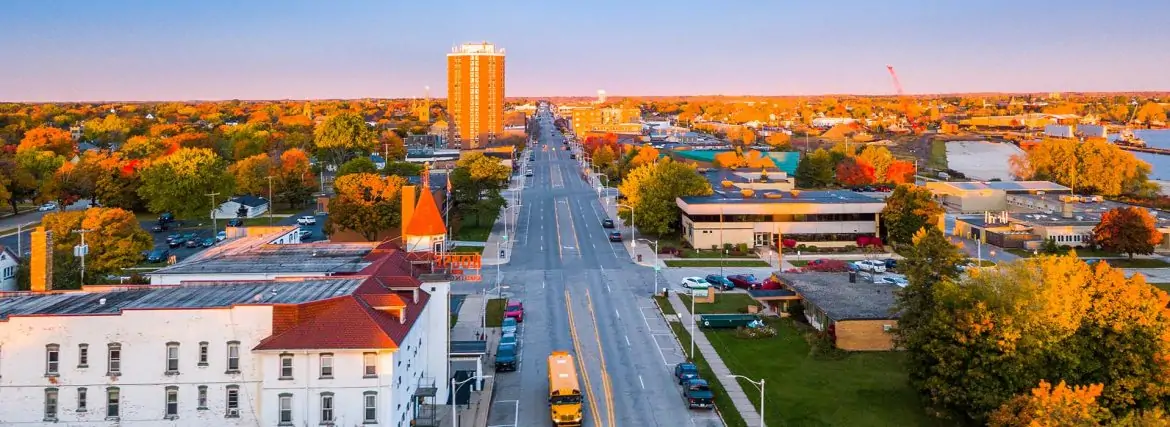
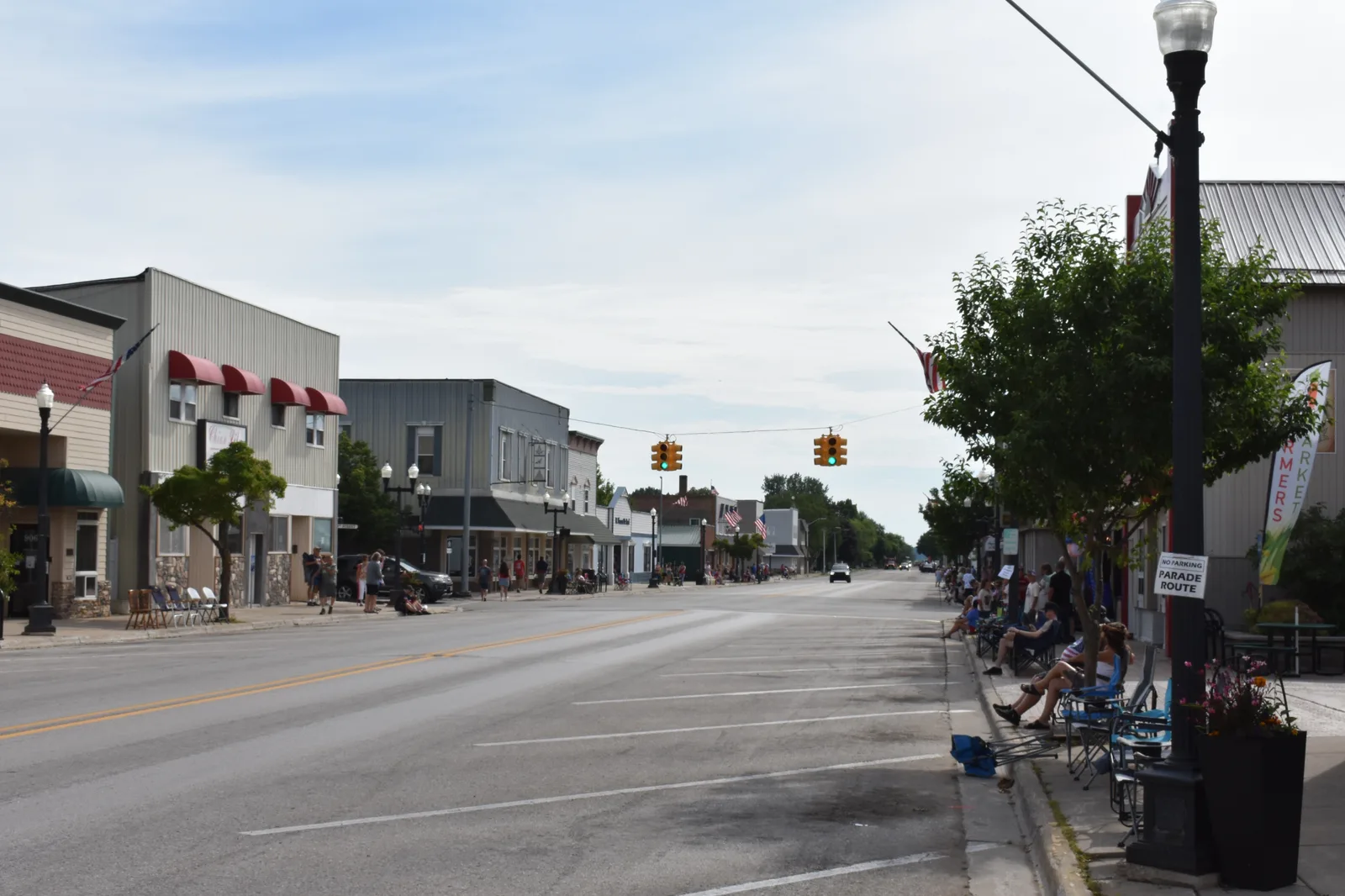
Damage Restoration in Delta County, MI
- Damage Restoration Services Overview
- Common Damage Restoration Issues in Delta County, Michigan
- Neighborhoods We Serve in Delta County
- Seasonal Damage Patterns in Delta County
- Housing Characteristics & Restoration Considerations
- Environmental Conditions & Damage Implications
- Handling Frozen Pipe Breaks and Ice Dam Water Damage in Upper Peninsula Homes
Damage Restoration Services Overview
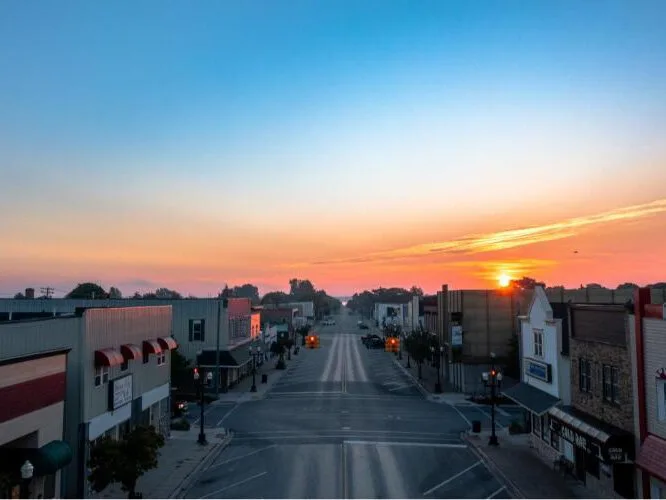
Delta County sits where Lake Michigan's Big and Little Bay de Noc meet the southern edge of the Upper Peninsula - a location that brings heavy lake-effect snow, long freeze cycles, and spring thaws that push groundwater against foundations from Escanaba to Garden. Property damage here rarely arrives politely. A pipe splits behind a wall during a January cold snap, a sump pump quits during an April melt, or a wood stove chimney fire fills a farmhouse with smoke.
Restoration work in this county covers a connected set of services, and most losses involve more than one:
- Water Damage Restoration - extraction, structural drying, and moisture mapping after burst pipes, appliance failures, ice dams, and roof leaks
- Flooded Basement cleanup - pump-out, contents triage, and drying of block and stone foundations common across older UP homes
- Sewage Cleanup - containment and decontamination after septic or municipal backups that carry bacteria and viruses into living space
- Fire Damage Restoration - stabilization, debris removal, and reconstruction planning after structure fires
- Smoke Damage Restoration - soot removal, thermal fogging, and odor neutralization in framing, ductwork, and soft goods
- Mold Removal - containment, HEPA filtration, and material removal where moisture lingered
Fast response protects framing, insulation, and indoor air quality - and keeps a manageable loss from becoming a rebuild.
Common Damage Restoration Issues in Delta County, Michigan
The county's mix of lakeshore humidity, deep frost, and older housing stock creates predictable failure points. Knowing them helps homeowners catch trouble early.
What Causes Most Losses Here
- Frozen and burst supply lines in crawl spaces, unheated cottages along the bays, and exterior walls of pre-1960 homes
- Ice dams on low-slope roofs and dormers, forcing meltwater under shingles and into ceilings
- Spring thaw hydrostatic pressure pushing water through block joints and cove seams in Escanaba and Gladstone basements
- Sump pump and check valve failure during heavy rain or power outages from storms rolling off Lake Michigan
- Septic backups in rural townships where saturated drain fields cannot accept flow
- Heating-related fires from wood stoves, chimneys, and space heaters during long heating seasons
- Hidden mold behind paneling, under carpet pad, and inside insulated rim joists
Warning Signs Worth Acting On
- Musty odor that strengthens when the furnace or dehumidifier runs
- Efflorescence, chalky white staining, or bubbling paint on basement walls
- Cupping hardwood, soft drywall at baseboards, or tack-strip rust lines
- Slow floor drains, gurgling toilets, or sewage odor near a laundry area
- Persistent smoke smell weeks after a small kitchen or chimney fire, which usually means soot residue settled inside ductwork
- Condensation on window frames and cold-side wall surfaces through winter
Neighborhoods We Serve in Delta County
Coverage spans the shoreline cities, inland townships, and the peninsulas that reach into Lake Michigan.
- Escanaba - downtown, the Ludington Street corridor, North Shore, and older residential blocks near Ludington Park
- Gladstone - Van Cleve Park area, hillside homes, and Little Bay de Noc waterfront properties
- Wells and Ford River - mixed residential and rural parcels south of Escanaba
- Bark River and Harris - farmsteads, well-and-septic properties, and newer builds
- Rapid River, Nahma, and Isabella - shoreline cottages and seasonal camps
- Stonington Peninsula - remote lakefront homes with limited access in winter
- Garden Peninsula, Garden, and Fayette - historic structures and vacation properties
- Cornell, Perkins, Rock, and Brampton - inland townships with private wells and gravel-road access
Surrounding Menominee, Schoolcraft, and Marquette county lines are within reach for larger losses.
Seasonal Damage Patterns in Delta County
- December through February - peak season for frozen pipe breaks, ice dam leaks, and heating fires. Smoke damage calls climb as wood stoves and furnaces run continuously. Vacant camps are especially vulnerable when heat fails unnoticed.
- March and April - snowmelt plus frozen ground drives flooded basement work. Sump pumps run around the clock, and failures show up fast. Septic systems in saturated soils back up during this window.
- May and June - thunderstorms bring roof leaks, wind-driven rain, and power outages that disable pumps. Mold growth begins in basements that stayed damp through the thaw.
- July and August - humidity off the bays keeps crawl spaces and basements near dew point. This is the busiest stretch for mold removal and dehumidification.
- September and October - heavy rain events and the first heating cycles reveal chimney problems, cracked heat exchangers, and lingering moisture.
- November - pre-freeze plumbing failures and early lake-effect snow loads on aging roofs.
Housing Characteristics & Restoration Considerations
A large share of Delta County housing predates 1960, with a strong concentration of early-1900s stock in Escanaba and Gladstone built during the lumber and shipping era. That age shapes every restoration decision.
Common Construction Types
- Stone, brick, and concrete block basements - porous, prone to seepage at the cove joint, and slow to dry without targeted airflow
- Balloon-framed walls in older homes - allow water and smoke to travel vertically between floors with no fire blocking
- Plaster and lath - holds moisture longer than drywall and requires different drying and demolition methods
- Wood paneling and drop ceilings in finished basements - frequently conceal mold growth on the back side
- Seasonal cottages and camps with pier foundations, shallow plumbing, and intermittent heat
- Newer subdivision homes in Harris, Bark River, and outer Gladstone with poured walls and engineered flooring
How Age Affects the Work
- Homes built before 1980 may contain asbestos in floor tile, pipe wrap, or joint compound - testing precedes demolition
- Lead-safe practices apply to pre-1978 painted surfaces during fire and water repairs
- Original cast iron and clay sewer laterals are more likely to crack, root-invade, and back up
- Blown-in and batt insulation in old walls holds contaminated water and typically must be removed after sewage or Category 3 losses
- Wood floors over unheated crawl spaces need controlled drying to avoid cupping and permanent gapping
Environmental Conditions & Damage Implications
Delta County's climate and ground conditions influence how quickly damage spreads and how drying is planned.
Climate and Moisture
- Annual snowfall well above the Michigan average, with lake-effect bands off Lake Michigan loading roofs and drainage systems
- Frost depth commonly reaching four feet or more, freezing shallow lines and heaving foundations
- Summer dew points near the bays keeping relative humidity high in below-grade spaces
- Rapid spring temperature swings that release large volumes of meltwater in short periods
Soil, Water, and Air
- Soils - clay-heavy till in inland townships drains slowly and holds water against foundations, while sandy shoreline soils shift and allow fast infiltration
- Limestone bedrock near the Stonington and Garden peninsulas creates shallow-soil conditions and hard, mineral-rich groundwater that stains and scales surfaces
- Private wells and septic systems across rural areas mean sewage cleanup must protect drinking water sources as well as interiors
- Indoor air - tightly closed winter homes concentrate soot particles, VOCs from fire residue, and mold spores, making HEPA filtration and air scrubbing central to both smoke and mold work
Drying plans account for these variables with moisture meters, thermal imaging, and documented psychrometric readings rather than fixed timelines.
Handling Frozen Pipe Breaks and Ice Dam Water Damage in Upper Peninsula Homes
Few problems cost Delta County homeowners more than winter water. A single unheated crawl space or an ice dam on a north-facing eave can release water for hours before anyone notices, and the cold slows evaporation while the damage keeps spreading.
Immediate Steps After a Winter Water Loss
- Shut off the main water supply and cut power to affected circuits if water reached outlets or panels.
- Document conditions with photos before moving contents - insurers expect this record.
- Relieve trapped water in sagging ceilings from a safe position rather than waiting for collapse.
- Move furniture, boxes, and stored items off wet flooring to limit staining and wicking.
- Call for professional extraction before adding household fans, which can push moisture into dry cavities.
What Professional Response Involves
- Category and class determination under IICRC S500 standards, which dictates whether materials can be dried or must be removed
- Thermal imaging and moisture mapping to trace water inside balloon-framed walls and under plaster
- Controlled demolition - flood cuts, insulation removal, and drilled weep holes rather than blanket tear-out
- Low-grain refrigerant dehumidifiers and air movers sized to the affected cubic footage, with daily moisture logs
- Antimicrobial application to slow mold colonization while drying continues
- Mold containment under IICRC S520 protocols if growth is already established
Prevention That Actually Helps Locally
- Insulate and heat-trace lines in crawl spaces, rim joists, and exterior walls
- Air-seal attic bypasses and add ventilation to reduce ice dam formation
- Install a battery backup sump pump before spring melt
- Add a backwater valve where sewer or septic backups have occurred before
- Keep vacant camps heated above freezing or fully winterized with lines drained