Damage Restoration in St. Clair County, MI
- Damage Restoration Services Overview
- Common Damage Restoration Issues in St. Clair County, Michigan
- Neighborhoods We Serve in St. Clair County
- Seasonal Damage Patterns in St. Clair County
- Housing Characteristics & Restoration Considerations
- Environmental Conditions & Damage Implications
- Insurance Documentation and Clear Communication for St. Clair County Property Owners
Damage Restoration Services Overview
Standing in a basement filled with water, or walking into a home that smells of smoke, ranks among the hardest moments a property owner faces. The damage rarely stops at what you can see - moisture wicks into drywall, soot bonds to surfaces, and contaminants spread through porous materials within hours.
Great Lakes Services LLC provides restoration across St. Clair County, Michigan, handling the full progression of damage from the first extraction through reconstruction.
- Water Damage Restoration - extraction, structural drying, moisture mapping, and repair of affected framing, flooring, and drywall
- Flooded Basement - pump-out, sump and drain assessment, foundation moisture control, and content recovery
- Sewage Cleanup - removal of contaminated water and materials, disinfection, and odor neutralization following safe handling protocols
- Fire Damage Restoration - board-up, debris removal, structural stabilization, and rebuild of burned areas
- Smoke Damage Restoration - soot removal from walls and HVAC systems, thermal fogging, and treatment of textiles and contents
- Mold Removal - containment, air filtration, removal of colonized materials, and correction of the moisture source
The benefit of a single restoration team is continuity. One crew documents the loss for your insurance carrier, controls moisture and contamination, and stays with the project until the property is livable again. Call (586) 615-5744 for emergency assistance anywhere in St. Clair County.
Common Damage Restoration Issues in St. Clair County, Michigan
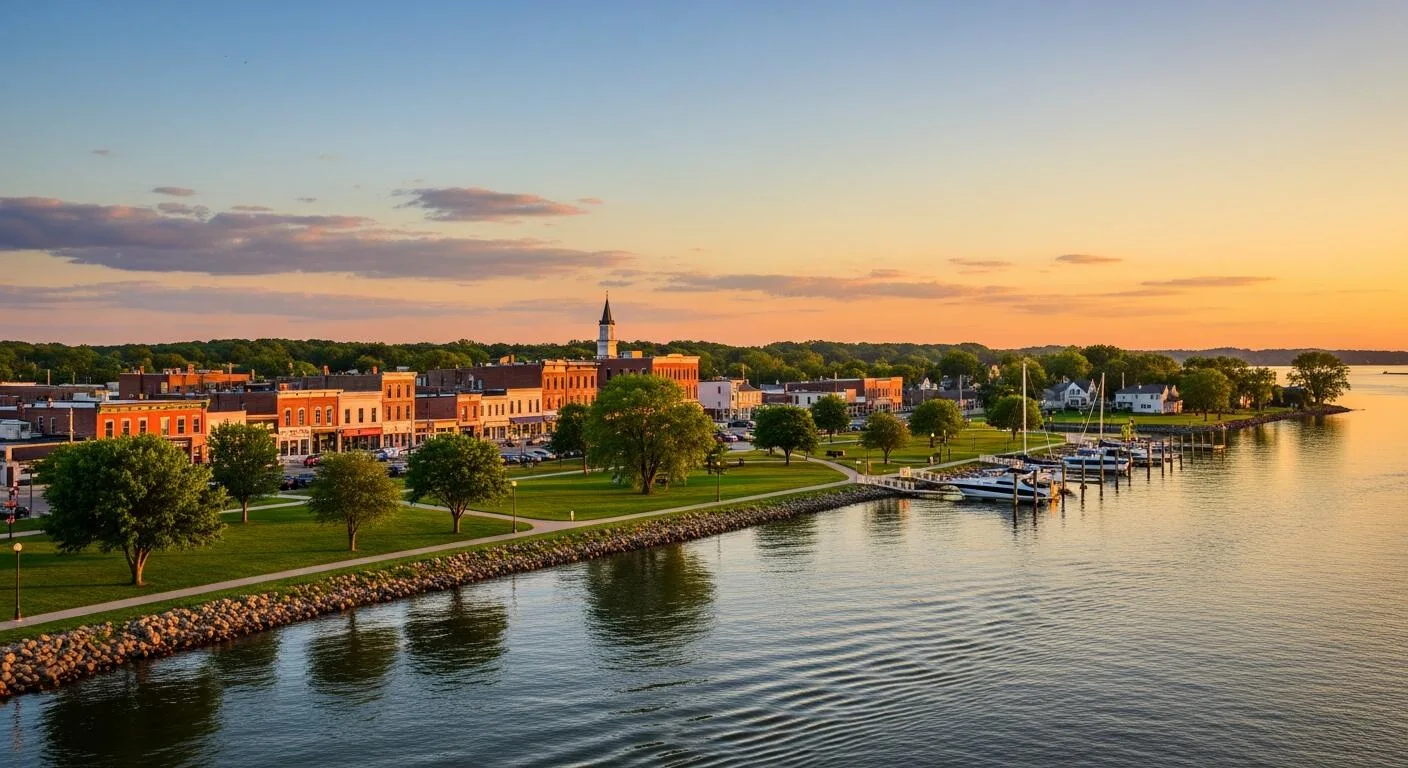
St. Clair County sits between Lake Huron and the St. Clair River, and that geography shapes nearly every restoration call we take. High groundwater, clay-heavy soils, and aging municipal infrastructure combine to push water where it does not belong.
Frequent Causes We Respond To
- Heavy spring rain overwhelming sump pumps in Port Huron, Marysville, and Algonac basements
- Combined sewer surcharge pushing wastewater back through floor drains during downpours
- Frozen and burst supply lines in unheated crawl spaces and vacation cottages along the shoreline
- Ice damming on older rooflines that drives meltwater behind fascia and into ceiling cavities
- Wood stove, chimney, and space heater fires during long winters in rural townships
- Kitchen grease fires that spread smoke and soot far beyond the room of origin
- Hidden mold behind finished basement paneling and under vinyl flooring
Warning Signs Worth Acting On
- A musty odor that intensifies in humid weather or after rainfall
- Efflorescence - white chalky deposits - on block foundation walls
- Baseboards that cup, separate, or feel soft near the floor line
- Staining rings on ceiling tiles or drywall seams
- Gurgling floor drains or slow-draining fixtures during storms
- Soot film reappearing on walls weeks after a small fire was cleaned
Catching these early keeps a drying job from becoming a mold remediation and reconstruction project.
Neighborhoods We Serve in St. Clair County
Based in Almont, our crews reach St. Clair County communities quickly for emergency response.
- Port Huron and Port Huron Township - older housing stock, basement flooding, and sewer backups
- Marysville and St. Clair - riverfront properties with groundwater and seepage concerns
- Fort Gratiot and Lakeport - lakeside homes facing wind-driven rain and roof leaks
- Marine City, Algonac, and Clay Township - low-lying areas near the delta and canals
- Yale, Capac, Emmett, and Memphis - rural properties on well and septic systems
- Richmond, Columbus Township, and Kimball Township - mixed newer subdivisions and farmsteads
- China Township, Casco, Ira Township, and Goodells
We also serve neighboring Macomb, Oakland, and Lapeer Counties, which lets us shift equipment and manpower when a widespread storm hits multiple counties at once.
Seasonal Damage Patterns in St. Clair County
Damage in this county follows a predictable annual rhythm. Knowing it helps you prepare before the call becomes an emergency.
- December through February - burst pipes in exterior walls and crawl spaces, ice damming on north-facing roofs, and the highest volume of heating-related fire and smoke damage calls
- March and April - snowmelt combined with saturated clay soil produces flooded basements, sump pump failures, and hydrostatic seepage through foundation cracks
- May and June - severe thunderstorms bring wind damage, roof leaks, and sewer backups when rainfall outpaces municipal capacity
- July and August - humidity near the lake drives mold growth in basements, attics, and any space that was dried incompletely in spring
- September and October - remnant tropical systems and sustained lake-effect rain cause window and roof intrusion; sump pumps run hard again
- November - the first hard freeze exposes unwinterized cottages, outdoor spigots, and vacant properties to pipe failure
Seasonal awareness pays off. A sump pump checked in February and a chimney inspected in October prevent two of the most common losses we see.
Housing Characteristics & Restoration Considerations
St. Clair County housing spans well over a century of construction, and each era brings its own restoration challenges.
Older Homes - Pre-1950
- Common in Port Huron, Marine City, and St. Clair's historic districts
- Fieldstone and unsealed block foundations allow chronic seepage that feeds mold
- Plaster over wood lath holds moisture far longer than drywall and requires extended drying
- Balloon framing lets smoke and fire travel vertically through wall cavities
- Cast iron and clay sewer laterals crack and root-intrude, leading to backups
Mid-Century Homes - 1950s to 1980s
- Finished basements with wood paneling, carpet, and studs set directly against block
- Original galvanized supply lines prone to pinhole leaks
- Limited insulation and vapor barriers, encouraging condensation and hidden mold
- Ductwork in basements that distributes soot and spores throughout the home
Newer Construction
- Tight building envelopes trap humidity when ventilation is inadequate
- Engineered floor joists lose strength quickly under fire or prolonged saturation
- Deep, fully finished basements mean larger content losses when flooding occurs
Our crews adjust drying strategy, containment, and demolition scope based on what a home is actually built from - not a one-size template. Rural properties on septic also receive additional attention during sewage cleanup, since system failure can be the source rather than the symptom.
Environmental Conditions & Damage Implications
Local climate and ground conditions directly influence how damage develops and how long restoration takes.
Climate and Humidity
- Proximity to Lake Huron keeps summer dew points elevated, which slows evaporative drying and accelerates mold colonization
- Freeze-thaw cycling widens foundation cracks each winter, creating new water entry paths
- Lake-effect precipitation extends the wet season well into late fall
Soil and Groundwater
- Heavy clay soils across much of the county drain slowly and hold water against foundation walls
- Low-lying areas near the St. Clair River delta and Anchor Bay sit close to the water table year-round
- Hydrostatic pressure pushes moisture through block joints even without visible flooding
Water and Air Quality Factors
- Hard water with high mineral content leaves scale that stresses fixtures and water heaters, contributing to leaks
- Iron bacteria in some well systems create odors easily mistaken for sewage or mold
- Winter's sealed-up homes concentrate smoke odor and mold spores in indoor air, making post-fire and post-flood air scrubbing important
Because of these conditions, we monitor with moisture meters and hygrometers rather than assuming a space is dry. Dehumidification is sized to the actual grain depression needed for lakeside humidity - a step that prevents secondary mold growth after water damage or sewage cleanup work is finished.
Insurance Documentation and Clear Communication for St. Clair County Property Owners
One of the biggest sources of frustration after a loss is not the damage itself - it is the uncertainty of dealing with a carrier while your home is torn apart. Many St. Clair County homeowners discover mid-claim that sewer backup or seepage coverage works differently from a burst pipe claim.
How We Document a Loss
- Photograph and video the affected areas before any material is moved or removed
- Record moisture readings by room and material type, then log daily progress until dry standards are met
- Note category of water - clean, gray, or black - since this determines what can be dried versus discarded
- Inventory affected contents separately from structural damage
- Provide itemized scope documentation your adjuster can review directly
- Share updates with you at each phase, including any change in scope
What Transparency Looks Like on Our Jobs
- You are told what we found, what we recommend removing, and why - before demolition starts
- Equipment placement and expected drying phases are explained rather than left as mystery machinery
- Mold remediation containment areas and air filtration are described in plain language
- Smoke and soot cleaning methods are matched to surface type and disclosed up front
- No pressure to expand a project beyond what the damage actually justifies
Because Great Lakes Services LLC handles both restoration and reconstruction, you avoid the gap where mitigation ends and no one takes responsibility for putting the house back together. From flooded basements in Algonac to fire damage in Yale, one team carries the project through. Call (586) 615-5744 and let us make sure your space is restored safely.