
Damage Restoration in Port Huron, MI
- Damage Restoration Services Overview
- Common Damage Restoration Issues in Port Huron, Michigan
- Neighborhoods We Serve in Port Huron
- Seasonal Damage Patterns in Port Huron
- Housing Characteristics & Restoration Considerations
- Environmental Conditions & Damage Implications
- The First 48 Hours: What Port Huron Property Owners Should Do After Water, Fire, or Sewage Damage
Damage Restoration Services Overview
Water that sits for a weekend behaves very differently than water extracted within hours. In Port Huron homes, delayed response turns a manageable cleanup into structural rot, warped subfloors, ruined drywall, and colonies of mold hiding behind baseboards - problems that surface months later as musty odors, stained ceilings, and insurance disputes.
Restoration companies serving St. Clair County, including SERVPRO of Port Huron, Doan Restoration of Michigan on Minnie Street, and Roto-Rooter, handle the full range of property disasters:
- Water Damage Restoration - extraction, structural drying, and moisture mapping after burst pipes, appliance failures, and roof leaks
- Flooded Basement cleanup - pump-out, content triage, and dehumidification for below-grade spaces
- Sewage Cleanup - containment, removal of contaminated porous materials, and antimicrobial treatment after backups
- Fire Damage Restoration - board-up, debris removal, soot cleaning, and structural rebuild coordination
- Smoke Damage Restoration - odor neutralization, HVAC cleaning, and treatment of surfaces far from the burn area
- Mold Removal - containment barriers, HEPA filtration, and removal of colonized materials
The benefit for Port Huron property owners is straightforward: faster drying means fewer materials thrown in a dumpster, lower reconstruction scope, and a home that smells clean rather than merely looking clean.
Common Damage Restoration Issues in Port Huron, Michigan
Port Huron sits where Lake Huron narrows into the St. Clair River, and that geography drives much of the damage local restoration crews see. High groundwater, lake-effect precipitation, and an aging combined sewer network create predictable failure points.
Frequent Causes of Loss
- Frozen and burst supply lines in unheated crawl spaces, garages, and vacant rental units
- Sump pump failure during spring thaw or a power outage from a Lake Huron wind event
- Sanitary sewer backups pushing wastewater into floor drains and basement bathrooms
- Ice dams on older gable roofs forcing meltwater under shingles and into attic insulation
- Space heater, wood stove, and chimney fires during extended cold snaps
- Kitchen grease fires that spread smoke and soot through entire floor plans
- Hidden mold behind finished basement paneling and beneath vinyl flooring
Warning Signs Worth Acting On
- Efflorescence - white chalky residue - on block foundation walls
- Persistent earthy or musty odor that intensifies when the furnace runs
- Floor drains that gurgle when a washing machine discharges
- Tack strips lifting or carpet edges curling near exterior walls
- Yellowish staining on ceilings below bathrooms or attic spaces
- Soot film reappearing on walls weeks after a small fire was cleaned
Any one of these signals moisture or contamination that has already moved past what a shop vacuum and fan can address.
Neighborhoods We Serve in Port Huron
Coverage extends across the city and into the surrounding St. Clair County communities that share the same weather patterns and infrastructure age.
- Downtown Port Huron and the Military Street corridor - historic commercial buildings and converted upper-floor apartments
- Olde Town / Northside - century-old wood-frame homes with stone and block basements
- South Park and the Southside - postwar bungalows near the Black River
- Gratiot Park and Pine Grove - lakefront-adjacent properties exposed to wind-driven rain
- Blue Water Area neighborhoods near the bridge and Thomas Edison Parkway
- Fort Gratiot Township - newer subdivisions with finished basements and sump systems
- Port Huron Township, Marysville, St. Clair, Kimball, Burtchville, and Lakeport
Response times matter most for sewage cleanup and active water losses, so local crews staging equipment in and around Port Huron reach most addresses quickly.
Seasonal Damage Patterns in Port Huron
Restoration call volume in the Blue Water Area follows the calendar closely.
- December through February - frozen pipe breaks peak, especially in vacation properties and unoccupied rentals. Furnace puffbacks and heating-related fires spike, generating heavy smoke damage restoration work.
- March and April - snowmelt combined with saturated clay soil overwhelms sump pumps and drain tile. Flooded basement calls dominate, followed by sewage backups when the sanitary system surcharges.
- May and June - lingering spring moisture plus rising temperatures triggers mold growth in basements and crawl spaces that were never fully dried.
- July and August - thunderstorms and lake-driven downpours cause roof leaks and window well flooding. Humidity above 70 percent indoors accelerates mold removal demand.
- September and October - grilling, fire pit, and early wood stove use lead to fire damage restoration calls. Falling leaves clog gutters and downspouts, redirecting water toward foundations.
- November - first hard freeze exposes unprotected hose bibs and poorly insulated exterior walls.
Housing Characteristics & Restoration Considerations
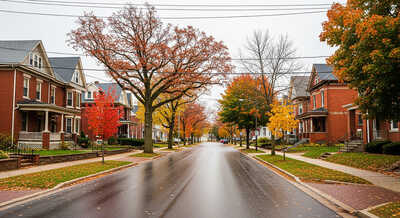
Port Huron's housing stock skews older than the Michigan average, with a large share of homes built before 1960 and a meaningful number dating to the late 1800s and early 1900s along the river and in Olde Town.
How Local Construction Shapes the Work
- Stone and unreinforced block foundations absorb water readily, so drying a flooded basement requires wall cavity ventilation, not just surface air movement
- Plaster over wood lath holds moisture longer than drywall and can often be saved with controlled drying rather than demolition
- Balloon framing in pre-1930 homes lets water - and fire, and smoke - travel vertically through open stud bays from basement to attic
- Cast iron and clay sewer laterals crack and root-intrude, making sewage cleanup a recurring rather than one-time event without line repair
- Knob-and-tube or early wiring raises fire risk and complicates equipment power staging during restoration
- Finished basements with paneling, carpet, and drop ceilings conceal mold growth for months
Materials That Demand Extra Caution
- Asbestos-containing floor tile, mastic, and pipe insulation in mid-century homes
- Lead-based paint on trim and window sashes in pre-1978 properties
- Vermiculite attic insulation that becomes a concern after roof leaks or fire
Newer builds in Fort Gratiot and Marysville dry faster but often feature tighter envelopes, which trap humidity and shift the challenge from extraction to dehumidification and air exchange.
Environmental Conditions & Damage Implications
Port Huron's environment is defined by proximity to Lake Huron, a humid continental climate, and heavy clay soils - each of which influences how damage develops and how restoration is approached.
Climate Factors
- Annual precipitation in the low-to-mid 30-inch range, plus substantial lake-influenced snowfall
- Summer dew points regularly pushing indoor relative humidity above the 60 percent mold threshold
- Deep winter frost lines that heave foundations and stress buried drain lines
- Strong onshore winds that drive rain horizontally into siding, window frames, and soffits
Soil and Groundwater
- Dense lacustrine clay drains slowly, holding water against foundation walls after every storm
- Shallow water tables near the St. Clair River and Black River increase hydrostatic pressure on basement slabs
- Clay expansion and contraction cracks block walls, creating direct seepage paths
Air and Water Quality Impacts
- Municipal water is treated Lake Huron supply - clean, but mineral content leaves residue that complicates soot and smoke cleaning on glass and fixtures
- Category 3 sewage water carries bacteria and viruses, requiring removal of carpet, pad, and lower drywall rather than cleaning in place
- Smoke particulates from fires travel through HVAC ductwork and settle in cold spots, so odor control requires duct cleaning and often thermal fogging or hydroxyl treatment
- Industrial and cross-border traffic emissions add to particulate loading, making HEPA filtration valuable during any containment work
The First 48 Hours: What Port Huron Property Owners Should Do After Water, Fire, or Sewage Damage
What happens before a restoration truck arrives often determines whether flooring, cabinetry, and framing survive. These steps apply whether the source is a burst pipe in an Olde Town two-story or a sewer backup in a Fort Gratiot ranch.
Immediate Priorities
- Make the space safe. Shut off power to affected circuits at the panel if water is near outlets or the furnace. Do not wade into a flooded basement with live electrical service.
- Stop the source. Close the main water shutoff, kill the supply to a failed appliance, or stop using plumbing entirely if sewage is backing up.
- Document everything. Photograph and video every room, wall, and damaged item before moving anything. Insurance adjusters rely on this record.
- Call a restoration provider before demolition. Local crews carry moisture meters and thermal cameras that reveal how far water traveled inside walls.
- Notify your insurer. Open the claim early and note whether you carry sewer backup and sump pump failure endorsements - standard Michigan policies frequently exclude both.
- Protect contents. Lift furniture on foil or blocks, remove textiles and paper goods, and move electronics out of humid areas.
What Not to Do
- Do not run household fans across sewage or heavy mold - it aerosolizes contaminants throughout the home
- Do not wipe soot with a wet cloth; moisture bonds smoke residue permanently to painted surfaces
- Do not discard damaged items before documentation is complete
- Do not assume a dry-feeling floor means dry framing beneath it
Reputable Port Huron restoration firms coordinate directly with adjusters, provide drying logs and moisture readings, and separate salvageable materials from those that must be removed - keeping the project scope honest and the rebuild manageable.





