Damage Restoration in Ingham, MI
- Damage Restoration Services Overview
- Common Damage Restoration Issues in Ingham, Michigan
- Neighborhoods We Serve in Ingham
- Seasonal Damage Patterns in Ingham
- Housing Characteristics & Restoration Considerations
- Environmental Conditions & Damage Implications
- Storm Damage Response and Emergency Preparedness
Damage Restoration Services Overview
When disaster strikes your Ingham property, rapid response makes the difference between minor repairs and extensive reconstruction. Property damage from water, fire, smoke, sewage, or mold spreads quickly, turning manageable situations into major restoration projects within hours.
Our comprehensive damage restoration services address every type of emergency Ingham County residents face:
- Water Damage Restoration - Burst pipes, appliance leaks, and storm flooding
- Flooded Basement - Groundwater intrusion and sump pump failures
- Sewage Cleanup - Sanitary system backups and contamination removal
- Fire Damage Restoration - Structural repairs and content recovery
- Smoke Damage Restoration - Odor elimination and surface cleaning
- Mold Removal - Complete remediation and prevention strategies
Each service follows industry protocols for safety, containment, and restoration. Our technicians use advanced moisture detection equipment, air filtration systems, and specialized cleaning products to return your property to pre-damage condition.
The benefits of professional restoration extend beyond immediate repairs. Proper remediation prevents secondary damage, protects your family's health, maintains property values, and provides documentation for insurance claims. Quick action also minimizes business interruption for commercial properties throughout Ingham County.
Common Damage Restoration Issues in Ingham, Michigan
Ingham County's location in south-central Michigan creates specific challenges for property owners. The region's clay-heavy soil retains moisture, contributing to basement flooding and foundation issues.
Local factors that commonly require restoration services include:
- Spring flooding from rapid snowmelt overwhelming drainage systems
- Severe thunderstorms causing roof damage and water intrusion
- Aging infrastructure leading to sewage backups in older neighborhoods
- High humidity levels promoting mold growth in basements and crawl spaces
- Ice dams creating water damage in attics and upper floors
- Furnace malfunctions during harsh winters causing smoke and fire damage
Warning signs that require immediate attention:
- Musty odors indicating hidden moisture or mold growth
- Water stains on walls, ceilings, or floors
- Peeling paint or wallpaper from water damage
- Persistent smoke smells after fires
- Standing water in basements or crawl spaces
- Sewage odors from backup situations
- Visible mold growth on surfaces
The region's freeze-thaw cycles stress building materials, creating entry points for water. Combined with Michigan's humid summers, these conditions accelerate damage progression, making swift professional intervention necessary for effective restoration.
Neighborhoods We Serve in Ingham
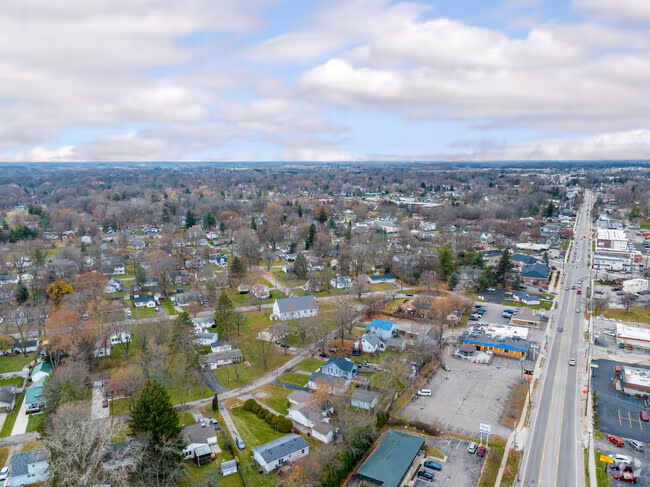
Our damage restoration teams provide emergency services throughout Ingham County's diverse communities. We serve residential and commercial properties in all local areas:
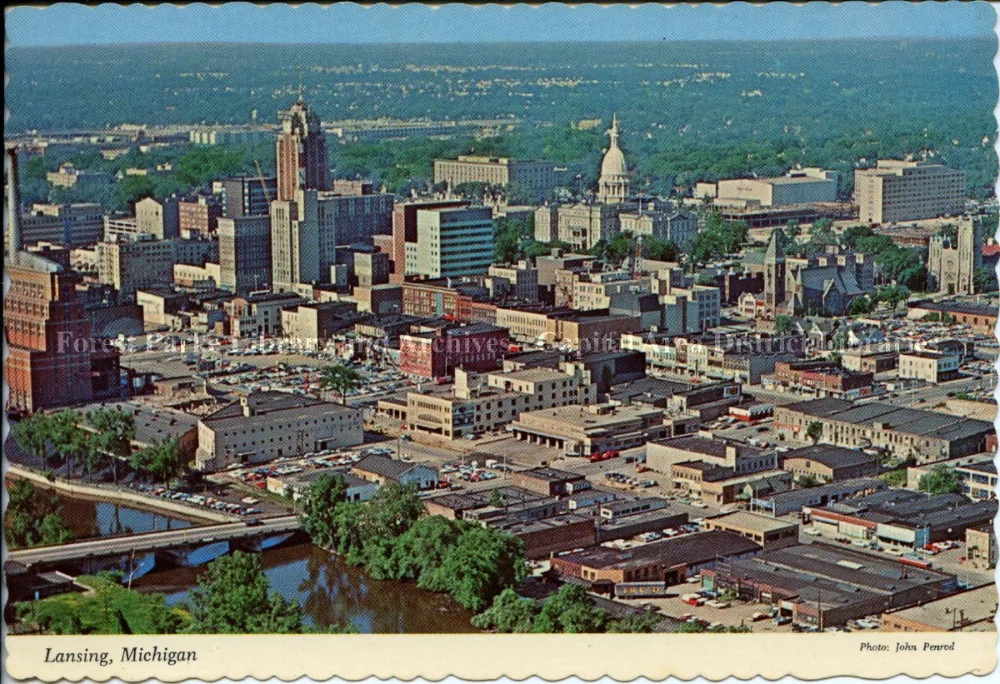
- Lansing - Downtown, Old Town, and surrounding residential districts
- East Lansing - University area and established neighborhoods
- Mason - Historic downtown and suburban developments
- Williamston - Rural properties and village center
- Webberville - Agricultural areas and residential zones
- Stockbridge - Lakefront properties and rural homes
- Dansville - Small town residences and commercial buildings
Our service area extends to unincorporated townships including Meridian, Delhi, Alaiedon, and Vevay. We maintain rapid response capabilities for properties near major waterways like the Grand River and smaller tributaries that frequently flood during spring runoff.
Each neighborhood presents unique restoration challenges, from historic homes in Mason requiring specialized techniques to modern developments in Meridian Township with complex HVAC systems. Our technicians understand local construction patterns and environmental factors affecting each community.
Seasonal Damage Patterns in Ingham
Ingham County experiences distinct seasonal patterns that influence damage restoration needs throughout the year.
Spring (March-May) brings the highest risk for water damage and flooded basements. Rapid snowmelt combined with spring rains overwhelms drainage systems, while freeze-thaw cycles damage roofing materials.
Summer (June-August) increases fire damage risks from electrical storms and outdoor activities. High humidity levels accelerate mold growth in previously damaged areas. Severe thunderstorms cause immediate water intrusion through damaged roofs.
Fall (September-November) presents unique challenges:
- Clogged gutters from falling leaves create ice dam conditions
- Heating system startups after summer dormancy sometimes cause smoke damage
- Increased indoor humidity from closed windows promotes mold development
- Early freezes burst exposed pipes in unheated areas
Winter (December-February) generates specific restoration needs:
- Ice dams causing water damage in attics and walls
- Furnace malfunctions creating smoke and fire emergencies
- Frozen pipe bursts requiring immediate water extraction
- Poor ventilation leading to moisture accumulation and mold growth
Understanding these patterns helps property owners prepare for seasonal risks and respond quickly when damage occurs.
Housing Characteristics & Restoration Considerations
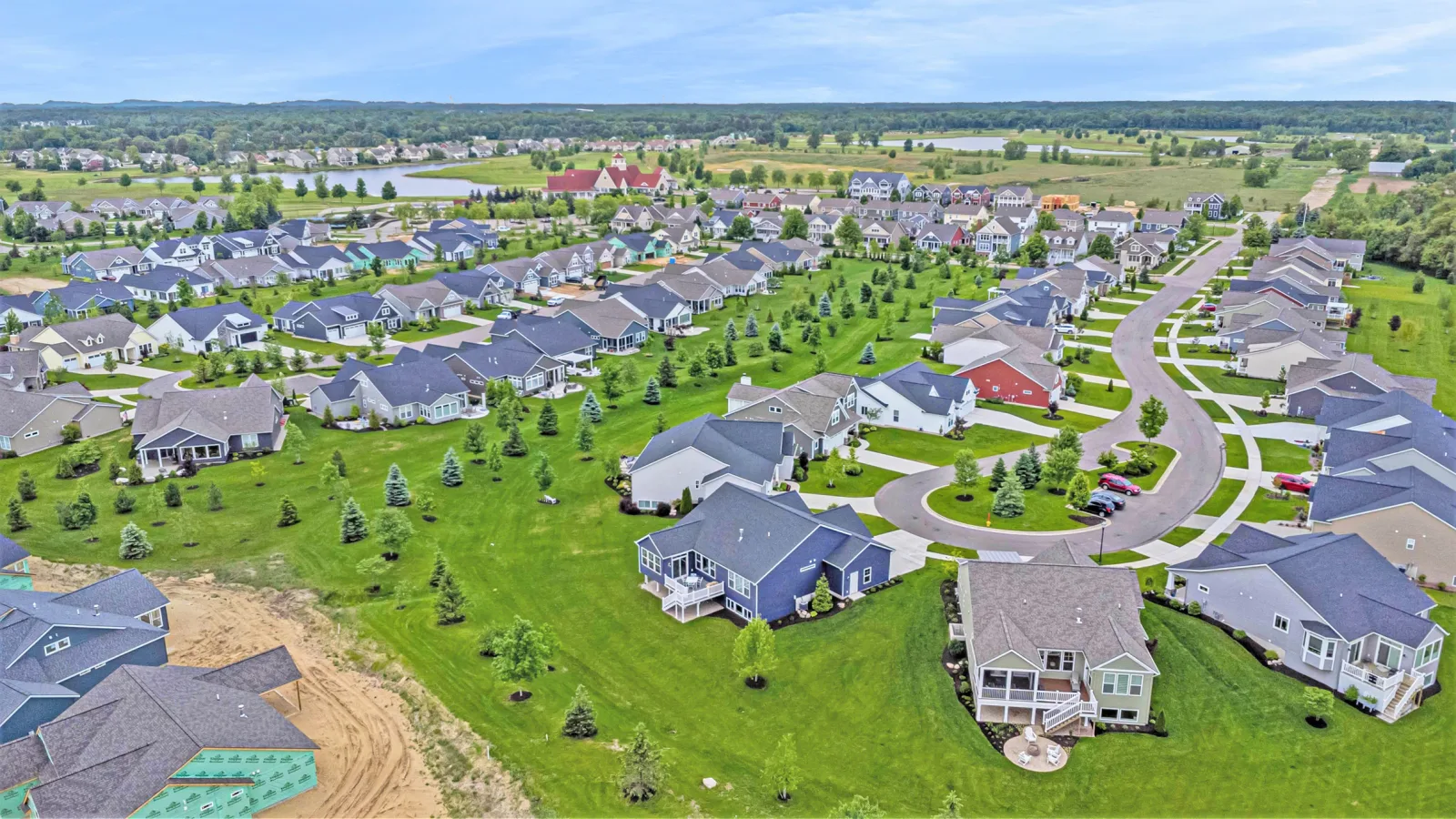
Ingham County's housing stock reflects decades of development, with properties ranging from pre-1940 farmhouses to modern subdivisions. Each construction era presents specific restoration challenges.
Older homes (pre-1970) commonly feature:
- Basement construction with stone or block foundations prone to water intrusion
- Plaster walls requiring specialized drying techniques during water damage restoration
- Knob-and-tube wiring increasing fire risks and complicating electrical repairs
- Asbestos materials requiring certified removal during fire and smoke damage restoration
- Poor insulation creating condensation issues that promote mold growth
Modern properties (1980s-present) typically include:
- Drywall construction that absorbs water quickly during flooding events
- Complex HVAC systems that can spread smoke and contaminants throughout structures
- Finished basements vulnerable to sewage backup damage
- Engineered lumber that requires careful assessment after water exposure
- Synthetic materials producing toxic smoke during fires
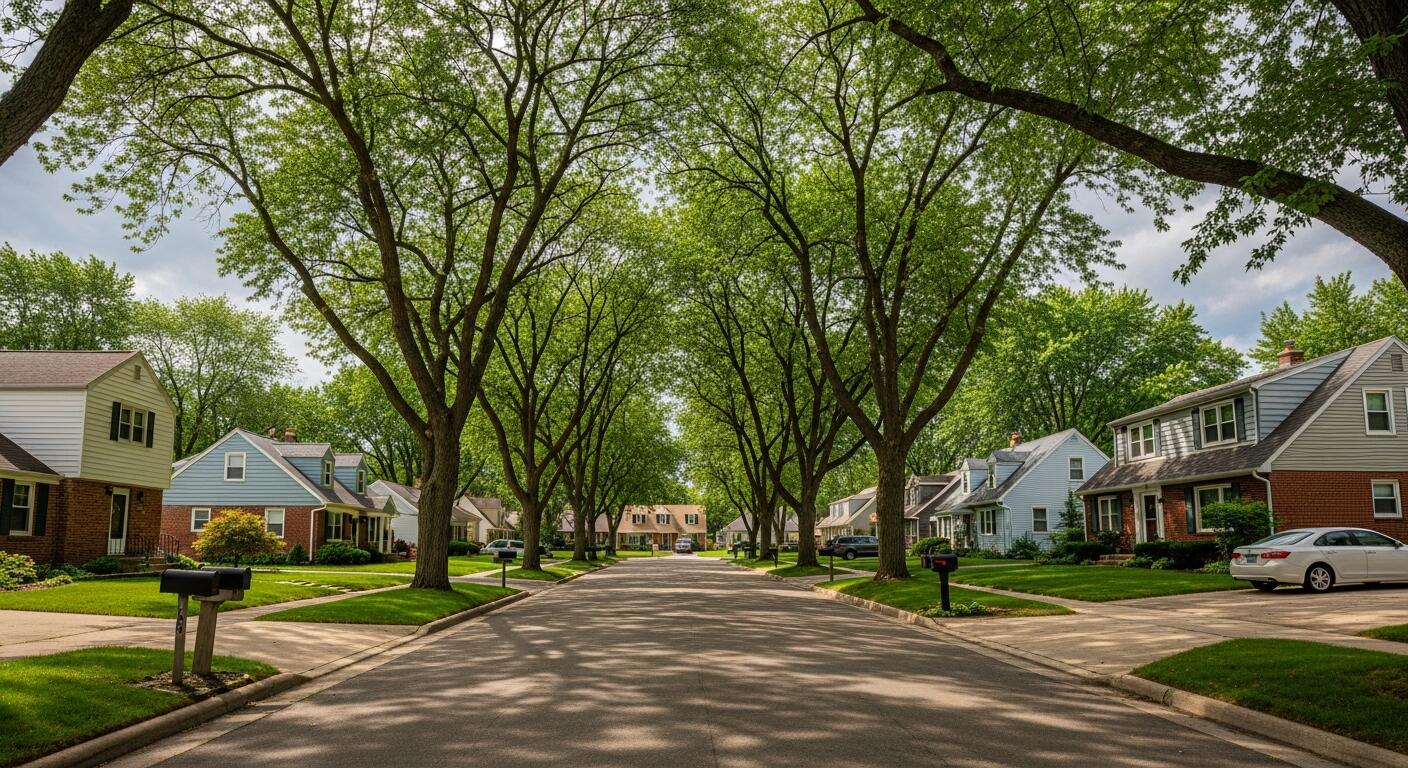
Ranch-style homes dominate many Ingham neighborhoods, with slab-on-grade construction that channels water toward living spaces during flooding. Two-story colonials often experience smoke damage on upper levels due to heat and smoke rise patterns.
Understanding these construction characteristics allows restoration professionals to select appropriate equipment, materials, and techniques for each property type, ensuring thorough remediation while preserving structural integrity.
Environmental Conditions & Damage Implications
Ingham County's continental climate creates specific environmental conditions that influence damage restoration processes. The region experiences hot, humid summers and cold winters with significant precipitation variation.
Climate factors affecting restoration include:
- Average humidity levels of 70-80% during summer months accelerating mold growth
- Temperature fluctuations between -10°F and 85°F stressing building materials
- Annual precipitation of 30-32 inches concentrated in spring and fall
- Frequent freeze-thaw cycles creating expansion and contraction damage
Soil composition throughout Ingham County consists primarily of clay and loam, which retains moisture and creates hydrostatic pressure against foundation walls. This leads to chronic basement moisture issues and increases sewage backup risks during heavy rainfall.
Local water quality factors include:
- Hard water with high mineral content leaving deposits that complicate cleaning
- Agricultural runoff affecting groundwater in rural areas
- Municipal water systems with chlorine treatment requiring neutralization during restoration
- Well water in outlying areas potentially containing bacteria requiring specialized sanitization
Air quality considerations impact restoration timing and techniques. Pollen levels peak in late spring, requiring HEPA filtration during mold removal projects. Winter inversions trap smoke and odors, extending fire damage restoration timelines.
These environmental factors require restoration professionals to adjust drying times, select appropriate antimicrobial treatments, and modify containment strategies based on seasonal conditions and local environmental characteristics.
Storm Damage Response and Emergency Preparedness
Ingham County's position in Michigan's severe weather corridor exposes properties to multiple storm-related damage scenarios requiring immediate restoration response. The region experiences an average of 30-40 thunderstorm days annually, with peak activity between May and September.
Common storm damage scenarios include:
- Straight-line winds exceeding 70 mph damaging roofs and creating water intrusion points
- Hail storms puncturing roofing materials and breaking windows
- Flash flooding from intense rainfall overwhelming drainage systems
- Lightning strikes causing electrical fires and power surges
- Tornado activity creating widespread structural damage requiring comprehensive restoration
Emergency response protocols for storm damage begin within the first hour after impact. Professional restoration teams assess structural integrity, establish temporary weather protection, and begin water extraction to prevent secondary damage. Speed remains critical as Michigan's humid conditions accelerate mold growth within 24-48 hours.
Multi-phase restoration approach:
- Emergency stabilization and safety assessment
- Water extraction and structural drying for flood damage
- Debris removal and content protection
- Smoke and fire damage assessment if lightning caused ignition
- Mold prevention through dehumidification and antimicrobial treatment
- Reconstruction planning and insurance coordination
Local emergency management coordinates with restoration professionals during widespread events affecting multiple properties. Understanding Ingham County's emergency response network helps property owners access resources quickly and begin restoration processes while maintaining safety protocols. Professional teams maintain 24/7 availability recognizing that storm damage requires immediate intervention to minimize long-term impacts on residential and commercial properties throughout the county.