
Damage Restoration in Okemos, MI
- Damage Restoration Services Overview
- Common Damage Restoration Issues in Okemos, Michigan
- Neighborhoods We Serve in Okemos
- Seasonal Damage Patterns in Okemos
- Housing Characteristics & Restoration Considerations
- Environmental Conditions & Damage Implications
- Michigan State University Area Restoration Challenges
Damage Restoration Services Overview
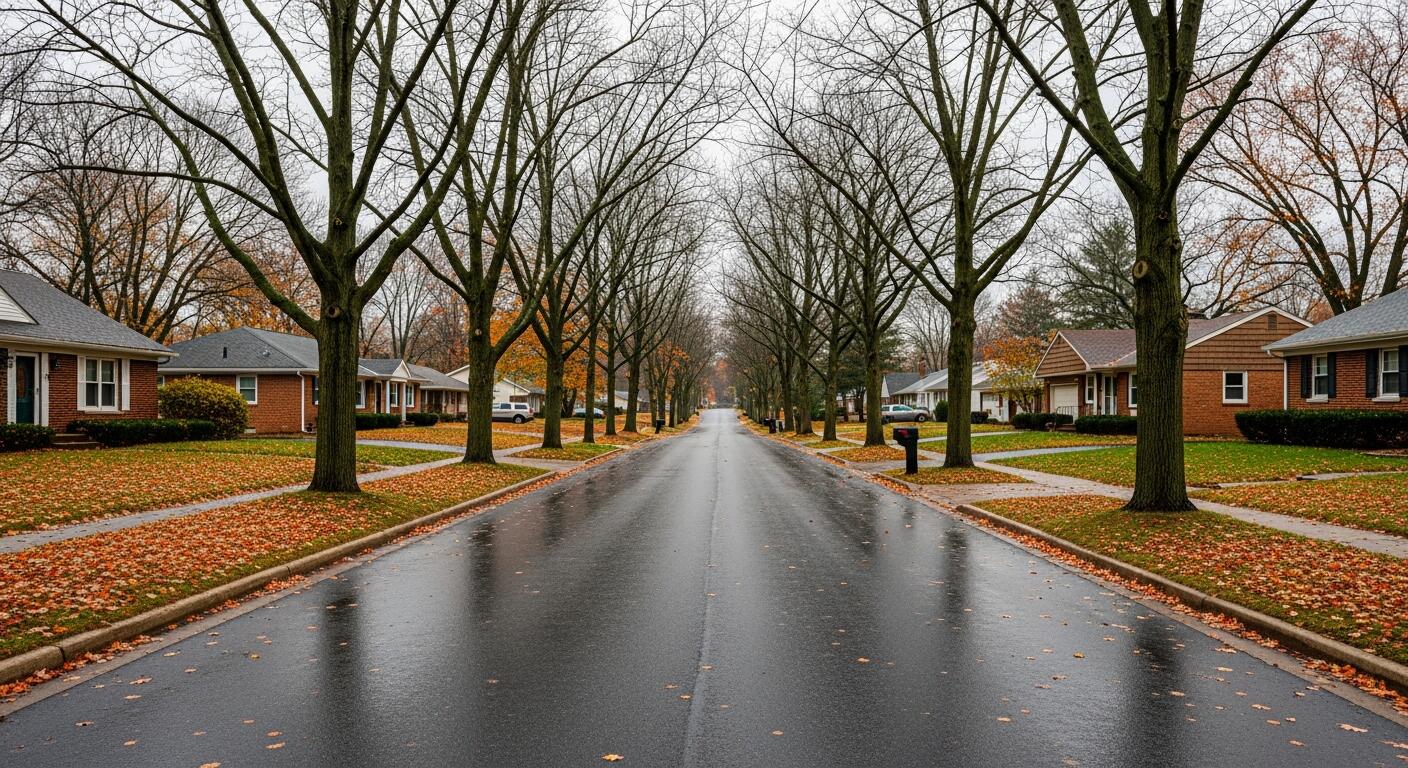
Okemos experiences over 40 inches of precipitation annually, making water damage one of the most frequent property threats facing homeowners in this Michigan State University community. When disaster strikes your property, professional restoration services become the difference between minor repairs and catastrophic loss.
McCardel Restoration, LLC provides comprehensive emergency restoration services throughout Okemos with proven expertise across multiple damage types:
- Water damage restoration for burst pipes, appliance failures, and storm flooding
- Flooded basement cleanup and structural drying solutions
- Sewage cleanup with proper sanitization and health protocols
- Fire damage restoration including structural repairs and content cleaning
- Smoke damage restoration to eliminate odors and residue
- Mold removal with advanced containment and remediation techniques
Professional restoration teams respond within 30 minutes to minimize secondary damage and begin immediate stabilization. This rapid response prevents minor incidents from becoming major reconstruction projects, protecting both your property value and family safety.
Common Damage Restoration Issues in Okemos, Michigan
Okemos properties face unique restoration challenges due to the area's climate patterns and housing characteristics. The combination of heavy snowfall, spring thaws, and summer storms creates multiple opportunities for water intrusion throughout the year.
Most frequent damage scenarios include:
- Basement flooding from poor drainage around older foundations
- Ice dam formation causing roof leaks and interior water damage
- Frozen pipe bursts during harsh winter months
- Sump pump failures during heavy rain events
- Kitchen and bathroom water damage from aging plumbing systems
- Mold growth in crawl spaces and basements due to high humidity
Fire and smoke damage often result from:
- Fireplace and chimney malfunctions in older homes
- Kitchen fires from cooking accidents
- Electrical fires in properties with outdated wiring
- Space heater incidents during cold weather
Warning signs requiring immediate professional attention include musty odors, visible water stains, warped flooring, peeling paint, or any signs of mold growth. Early intervention prevents extensive structural damage and reduces restoration costs significantly.
Neighborhoods We Serve in Okemos
Our restoration teams serve all Okemos neighborhoods and surrounding communities with equal expertise and rapid response capabilities. Service areas include the historic downtown district, established residential neighborhoods near Michigan State University, and newer developments throughout the region.
Primary service areas encompass:
- Central Okemos residential districts
- Meridian Township communities
- Haslett border areas
- East Lansing adjacent neighborhoods
- Rural properties along Grand River corridor
- Commercial districts along Grand River Avenue
- University-adjacent housing developments
Each neighborhood presents unique restoration challenges based on housing age, construction methods, and environmental factors. Our local expertise ensures appropriate restoration approaches for every property type.
Seasonal Damage Patterns in Okemos
Okemos experiences distinct seasonal damage patterns that property owners should anticipate and prepare for throughout the year. Understanding these cycles helps homeowners recognize potential risks and respond quickly when problems arise.
Winter months bring the highest risk for:
- Frozen pipe bursts and ice dam formation
- Basement flooding from snow melt and poor drainage
- Heating system malfunctions leading to fire risks
- Carbon monoxide issues requiring immediate evacuation
Spring season typically involves:
- Rapid snowmelt causing foundation water intrusion
- Storm damage from severe weather systems
- Sump pump failures during heavy rain periods
- Mold growth from increased humidity levels
Summer and fall periods see increased incidents of severe weather damage, electrical storms causing power surges and fires, and humidity-related mold problems in poorly ventilated areas. Each season requires different prevention strategies and restoration approaches.
Housing Characteristics & Restoration Considerations
Okemos housing stock reflects diverse construction periods, from early 20th-century homes near downtown to modern developments built within the last two decades. This variety creates unique restoration challenges requiring specialized approaches for different property types.
Older homes built before 1970 commonly feature:
- Stone or block foundations prone to water seepage
- Galvanized steel plumbing susceptible to corrosion and leaks
- Knob-and-tube electrical systems creating fire hazards
- Limited insulation allowing moisture infiltration
- Hardwood flooring requiring specialized water damage restoration
Modern construction typically includes:
- Poured concrete foundations with better waterproofing
- PVC plumbing systems with longer lifespans
- Updated electrical systems meeting current safety codes
- Improved vapor barriers and moisture control
- Engineered materials requiring specific restoration techniques
Each construction type demands different restoration approaches for water damage, fire damage, and mold remediation. Professional assessment determines appropriate techniques based on building materials, age, and damage severity. Restoration teams must understand these differences to prevent further damage during cleanup and repair processes.
Environmental Conditions & Damage Implications
Okemos sits in a humid continental climate zone with significant seasonal temperature variations and abundant precipitation. These environmental factors directly influence damage patterns and restoration requirements throughout the area.
Climate characteristics affecting restoration needs include:
- Annual precipitation exceeding 30 inches, creating persistent moisture challenges
- Winter temperatures dropping below freezing for extended periods
- Summer humidity levels reaching 70-80%, promoting mold growth
- Frequent freeze-thaw cycles damaging building materials
- Severe thunderstorms with high winds and hail potential
Soil conditions in the region consist primarily of clay-based materials with poor drainage characteristics. This creates basement water intrusion problems during heavy rain events and snowmelt periods. Many properties experience hydrostatic pressure against foundation walls, requiring specialized waterproofing and drainage solutions.
Air quality factors include seasonal pollen that can complicate smoke damage restoration and mold spore levels that increase during humid periods. These environmental conditions require restoration teams to use advanced filtration systems and containment procedures during cleanup operations.
Water table levels fluctuate seasonally, affecting basement moisture levels and sewage backup risks. Professional restoration teams must account for these environmental factors when developing comprehensive remediation plans.
Michigan State University Area Restoration Challenges
Properties near Michigan State University present unique restoration challenges due to high-density housing, aging infrastructure, and diverse property ownership patterns. Student housing areas experience higher than average water damage incidents from appliance misuse, delayed maintenance reporting, and seasonal vacancy periods that mask developing problems.
Common university-area restoration scenarios include:
- Washing machine overflow damage in rental properties
- Delayed discovery of leaks during summer break periods
- Inadequate heating during winter causing frozen pipes
- Kitchen fires from inexperienced cooking attempts
- Mold growth in poorly maintained rental units
- Sewage backups in older multi-unit buildings
Rental property restoration requires coordination between tenants, property managers, and insurance companies. Professional restoration teams navigate these complex relationships while ensuring rapid response and thorough remediation. Documentation becomes especially important for liability and insurance claim purposes.
Student housing often features older buildings with deferred maintenance issues that complicate restoration efforts. Water damage may reveal underlying structural problems, electrical hazards, or plumbing deficiencies requiring extensive repairs beyond basic restoration work.
Restoration teams serving university-area properties must understand academic calendars, coordinate with multiple stakeholders, and provide flexible scheduling to minimize disruption to student housing. Emergency services remain available 24/7 to address urgent safety concerns regardless of academic schedules or property ownership arrangements.





