Damage Restoration in Lenawee County, MI
- Damage Restoration Services Overview
- Common Damage Restoration Issues in Lenawee County, Michigan
- Neighborhoods We Serve in Lenawee County
- Seasonal Damage Patterns in Lenawee County
- Housing Characteristics & Restoration Considerations
- Environmental Conditions & Damage Implications
- Sewage Backups, Septic Failures, and Basement Flooding in Lenawee County
Damage Restoration Services Overview
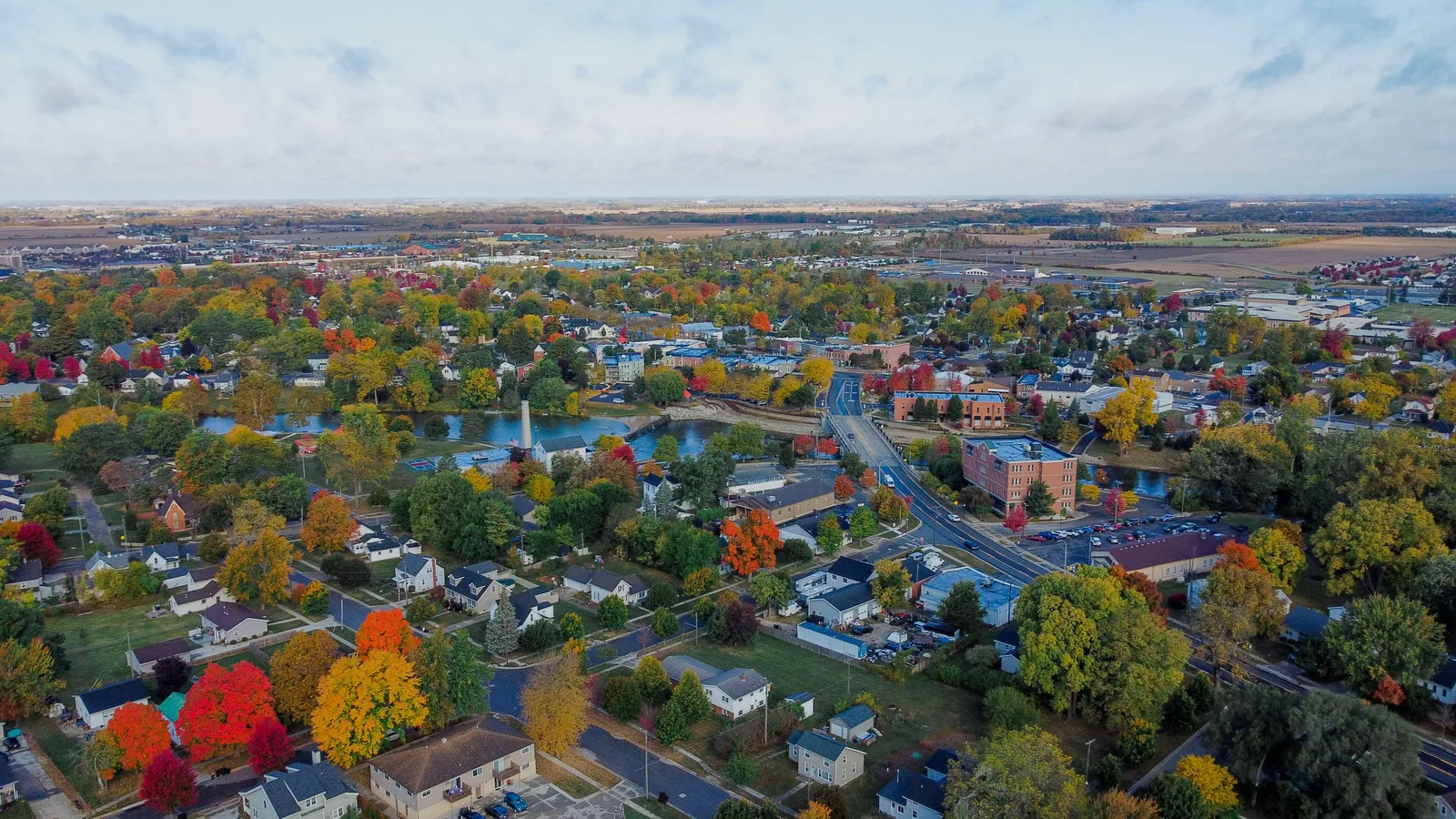
Lenawee County sits atop a landscape shaped by glacial activity, leaving behind clay-heavy soils and more than 100 lakes and ponds - conditions that push groundwater against basement walls after every heavy rain. That geology, combined with a housing stock where many homes predate modern drainage standards, keeps restoration crews busy year-round from Adrian to Hudson.
Washovia Services provides full-scope property recovery for homeowners, landlords, and business owners across the county:
- Water Damage Restoration - burst supply lines, failed water heaters, appliance leaks, ice dam intrusion, and roof leaks
- Flooded Basement Cleanup - sump pump failures, foundation seepage, storm surge, and window well overflow
- Sewage Cleanup - main line backups, septic system failures, and Category 3 contamination requiring full sanitization
- Fire Damage Restoration - structural cleaning, soot removal, contents recovery, and rebuild coordination
- Smoke Damage Restoration - odor neutralization, HVAC decontamination, and surface deodorizing after even minor kitchen or furnace incidents
- Mold Removal - containment, controlled removal, and moisture source correction
The benefit for local residents is straightforward: faster drying means fewer materials torn out, lower secondary mold risk, and less disruption to the household while insurance documentation is handled properly from the first hour.
Common Damage Restoration Issues in Lenawee County, Michigan
Local conditions create predictable patterns of property loss. Understanding them helps you catch problems before they spread.
What Drives Damage Locally
- Clay soil drainage - water pools against foundations rather than percolating away, forcing hydrostatic pressure through cracks and cove joints
- Aging sanitary infrastructure - older combined and clay-tile sewer laterals in established neighborhoods crack, root-intrude, and back up during downpours
- Rural septic systems - saturated drain fields in spring cause backups into lower-level fixtures
- Freeze-thaw cycling - January and February swings burst pipes in crawl spaces, unheated garages, and exterior walls
- Furnace and wood stove use - puff-backs and chimney fires cause soot and smoke damage during long heating seasons
- Agricultural dust and humidity - fine particulate combined with summer humidity feeds mold growth in ductwork and attics
Warning Signs Worth Acting On
- Musty odor in a basement, closet, or crawl space that lingers after ventilation
- Tide lines, efflorescence, or bubbling paint on foundation walls
- Buckling laminate, cupping hardwood, or soft spots in subfloor
- Gurgling drains or a floor drain that backs up when the washing machine empties
- Sooty film on walls near registers, or an oily smell after the furnace runs
- Unexplained allergy symptoms that ease when you leave the house
- Sump pump running constantly - or not running at all during rain
Any of these signal that moisture, contamination, or combustion residue is already spreading beyond the visible area.
Neighborhoods We Serve in Lenawee County
Coverage spans the full county, from the Michigan-Ohio border north toward the Jackson County line:
- Adrian - downtown historic districts, Siena Heights and Adrian College areas, and surrounding subdivisions
- Tecumseh - riverfront properties along the River Raisin and older residential streets
- Hudson, Morenci, and Blissfield - village centers with mature housing and rural acreage
- Clinton, Britton, and Ridgeway - agricultural corridors with well and septic systems
- Onsted, Cement City, and the Irish Hills - lakefront and seasonal cottages near Devils Lake, Wamplers Lake, and Sand Lake
- Deerfield, Palmyra, Addison, and Manitou Beach
Surrounding communities in Monroe, Washtenaw, Jackson, and Hillsdale counties are also served, along with nearby northwest Ohio properties.
Seasonal Damage Patterns in Lenawee County
Winter (December - February)
- Frozen and burst pipes in exterior walls, crawl spaces, and vacant lake properties
- Ice dams pushing meltwater under shingles into ceilings
- Furnace puff-backs and heating-related fire and smoke damage
Spring (March - May)
- Peak flooded basement season as snowmelt meets saturated clay soils
- Sump pump overload and failure during multi-day rain events
- Sewer and septic backups when systems exceed capacity
- Mold colonies activating in damp crawl spaces as temperatures climb
Summer (June - August)
- Severe thunderstorms, wind-driven rain, and power outages that disable sump pumps
- Elevated humidity accelerating mold growth in basements and attics
- Air conditioning condensate line clogs causing slow, hidden water damage
- Grill, fire pit, and electrical fires
Fall (September - November)
- Clogged gutters redirecting roof runoff to foundations
- First furnace startups revealing smoke and soot problems
- Chimney and wood stove fires as heating season begins
- Pre-freeze pipe vulnerabilities in unheated outbuildings
Housing Characteristics & Restoration Considerations
Lenawee County housing skews older than the Michigan average. Many homes in Adrian, Tecumseh, Hudson, and Blissfield date to the late 1800s through the mid-1900s, with newer subdivisions built out from the 1970s onward and rural farmhouses scattered between.
Construction Types and Their Restoration Impact
- Fieldstone and brick foundations - porous, irregular surfaces that hold moisture and require extended drying with targeted air movement
- Plaster and lath walls - absorb water deeply and hide saturation behind intact surfaces; moisture meters and thermal imaging guide selective removal
- Balloon-frame construction - open wall cavities allow water, smoke, and fire to travel between floors quickly, widening the affected zone
- Knob-and-tube or early wiring - requires careful power isolation before any water or sewage extraction begins
- Finished basements - carpet, pad, drywall, and framing added over block walls trap moisture and are frequent mold sources
- Crawl spaces with dirt floors - common in farmhouses and cottages; a persistent humidity source that feeds mold above
- Post-1990 subdivisions - tighter envelopes and engineered materials dry differently, and OSB subfloor and MDF trim swell permanently once wet
Materials That Change the Approach
- Asbestos-containing floor tile, mastic, and pipe insulation in pre-1980 homes
- Lead paint on original trim and windows in historic districts
- Original hardwood floors that often justify specialized drying rather than replacement
Every scope accounts for these variables before demolition decisions are made.
Environmental Conditions & Damage Implications
The county's climate and geology influence how quickly damage develops and how restoration is executed.
Climate
- Roughly 33 - 36 inches of annual precipitation, with spring and early summer producing the heaviest single-event rainfall
- Summer relative humidity frequently exceeding 70 percent - well above the 60 percent threshold where mold thrives
- Sub-freezing stretches with repeated thaw cycles that stress plumbing and roofing
- Lake-effect and Great Lakes moisture influence extending drying times without mechanical dehumidification
Soil and Groundwater
- Glacial till with high clay content that drains slowly and expands when saturated
- Shallow water tables near the River Raisin, Bean Creek, and the Irish Hills lakes
- Hydrostatic pressure that finds cove joints, tie rods, and cold-pour seams in block foundations
Water and Air Quality
- Hard well water throughout rural areas, contributing to scale buildup and premature water heater and supply line failure
- Iron and sulfur content that leaves staining requiring specialized cleaning after a loss
- Agricultural runoff and fertilizer in floodwater, which raises contamination category and dictates disposal of porous materials
- Seasonal field dust and pollen that load HVAC systems and complicate smoke odor removal
These factors shape drying targets, containment design, antimicrobial selection, and how long equipment stays on site.
Sewage Backups, Septic Failures, and Basement Flooding in Lenawee County
Few losses are as disruptive as contaminated water in a lower level. Between municipal sewer surcharge in Adrian and Tecumseh and rural septic drain fields saturated by spring rain, Category 3 water events are among the most frequent calls in the county.
Why Local Systems Back Up
- Heavy rainfall overwhelming older sewer laterals and combined lines
- Tree root intrusion into clay tile pipes common in mature neighborhoods
- Drain fields sitting in clay soil that cannot absorb effluent once waterlogged
- Failed or undersized sump pumps with no battery backup during outages
- Floor drains without backflow prevention on the lowest level
How a Contaminated Loss Is Handled
- Safety and isolation - power is shut down to affected circuits, occupants are kept clear, and containment is established
- Bulk extraction - truck-mounted and portable equipment remove standing water and solids
- Controlled removal - carpet, pad, saturated drywall, insulation, and other porous materials are cut out and bagged for disposal
- Cleaning and sanitizing - hard surfaces, framing, and concrete receive detergent cleaning followed by EPA-registered antimicrobial application
- Structural drying - air movers, low-grain refrigerant dehumidifiers, and daily moisture readings bring materials back to dry standard
- Verification and deodorizing - readings are documented, odors neutralized, and clearance confirmed before reconstruction
Reducing Your Risk
- Install a backwater valve on the main sewer line
- Add a battery or water-powered backup sump pump and test both quarterly
- Extend downspouts at least six feet from the foundation
- Have septic tanks pumped on a regular schedule and keep vehicles off the drain field
- Store valuables on shelving rather than directly on basement floors
Washovia Services documents every step for insurance carriers, so claims move forward while your property dries.