Damage Restoration in Washtenaw, MI
Damage Restoration Services Overview
When disaster strikes your Washtenaw County property, immediate action prevents minor damage from becoming major problems. Every minute counts when dealing with water intrusion, fire damage, or contamination that threatens your home or business.
Our comprehensive damage restoration services address the full spectrum of emergencies affecting Ann Arbor and surrounding communities:
- Water Damage Restoration - Rapid extraction and drying to prevent structural damage
- Flooded Basement - Complete basement water removal and moisture control
- Sewage Cleanup - Safe sanitization of contaminated areas
- Fire Damage Restoration - Structural repair and content recovery
- Smoke Damage Restoration - Odor elimination and surface cleaning
- Mold Removal - Professional remediation and prevention
Washtenaw residents benefit from our 24/7 emergency response and local expertise. We understand the unique challenges posed by Michigan's climate and the diverse housing stock throughout the county.
Common Damage Restoration Issues in Washtenaw, Michigan
Washtenaw County's varied geography and climate create specific restoration challenges. The Huron River watershed increases flood risks, while older neighborhoods face aging infrastructure problems.
Frequent damage scenarios include:
- Basement flooding from spring snowmelt and heavy rains
- Burst pipes during harsh winter freezes
- Sewer backups in older Ann Arbor neighborhoods
- Ice dam water damage affecting rooflines and attics
- Furnace malfunctions causing smoke and fire damage
- Humidity-related mold growth in poorly ventilated spaces
Warning signs requiring immediate attention:
- Standing water or persistent moisture
- Musty odors indicating hidden mold
- Discolored walls or ceilings
- Smoke residue on surfaces
- Sewage odors or visible contamination
- Warped flooring or peeling paint
Local factors like clay soil composition can worsen basement flooding, while the university population creates unique restoration needs in rental properties. Quick response prevents secondary damage and reduces restoration costs.
Neighborhoods We Serve in Washtenaw
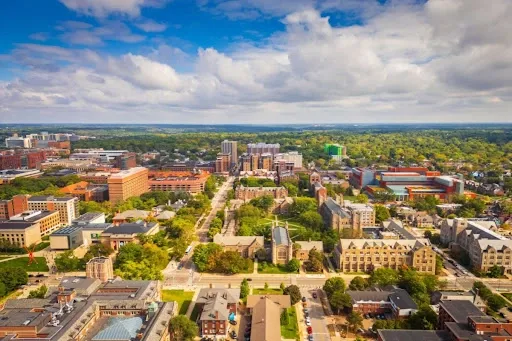
Our damage restoration services cover all Washtenaw County communities, from urban Ann Arbor to rural townships. We maintain rapid response capabilities throughout the region.
Primary service areas include:
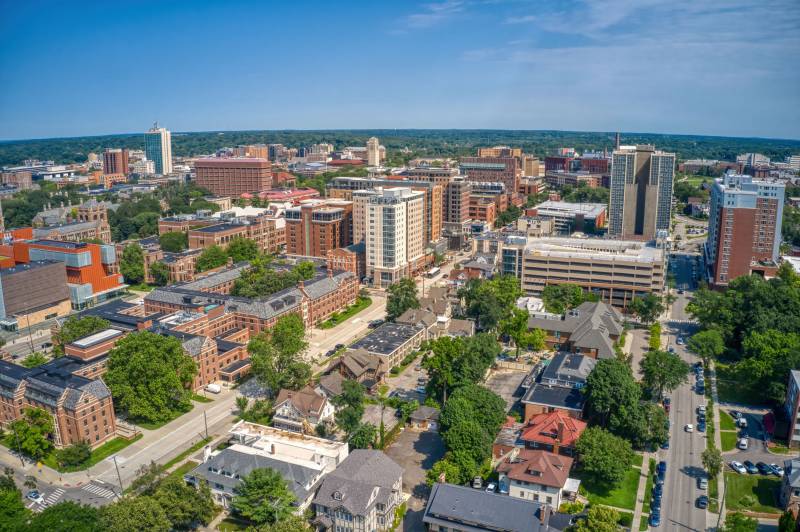
- Ann Arbor - Downtown, campus area, and residential districts
- Ypsilanti - Historic downtown and Eastern Michigan University area
- Saline - Established neighborhoods and new developments
- Chelsea - Rural properties and village center
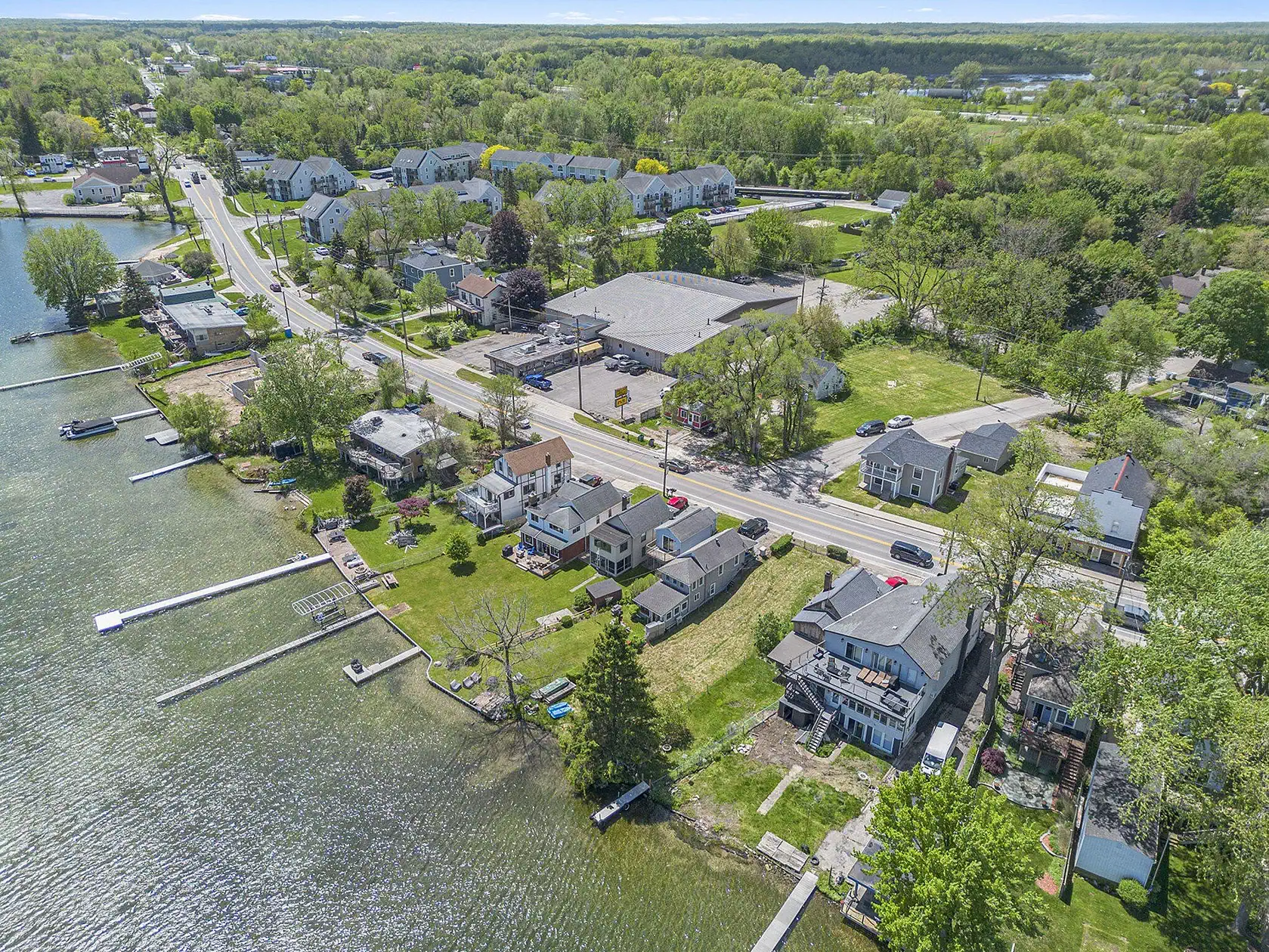
- Dexter - Lake communities and surrounding townships
- Milan - Residential and agricultural areas
We also serve surrounding townships including Pittsfield, Scio, Superior, Webster, and Northfield. Our technicians understand the specific challenges facing each community, from historic home restoration in Ann Arbor to lakefront property issues near Dexter.
Seasonal Damage Patterns in Washtenaw
Michigan's four-season climate creates predictable damage patterns throughout the year. Understanding these cycles helps property owners prepare for common restoration needs.
Spring (March-May):
- Snowmelt flooding affects basements and crawl spaces
- Ice dam damage becomes apparent as temperatures rise
- Mold growth accelerates in humid conditions
Summer (June-August):
- Severe thunderstorms cause water damage and flooding
- High humidity promotes mold development
- Sewer backups increase during heavy rainfall
Fall (September-November):
- Heating system startup can cause fire or smoke damage
- Clogged gutters lead to water intrusion
- Preparation for winter reveals hidden damage
Winter (December-February):
- Frozen pipes burst causing extensive water damage
- Ice dams create roof leaks
- Furnace malfunctions result in smoke damage
Housing Characteristics & Restoration Considerations
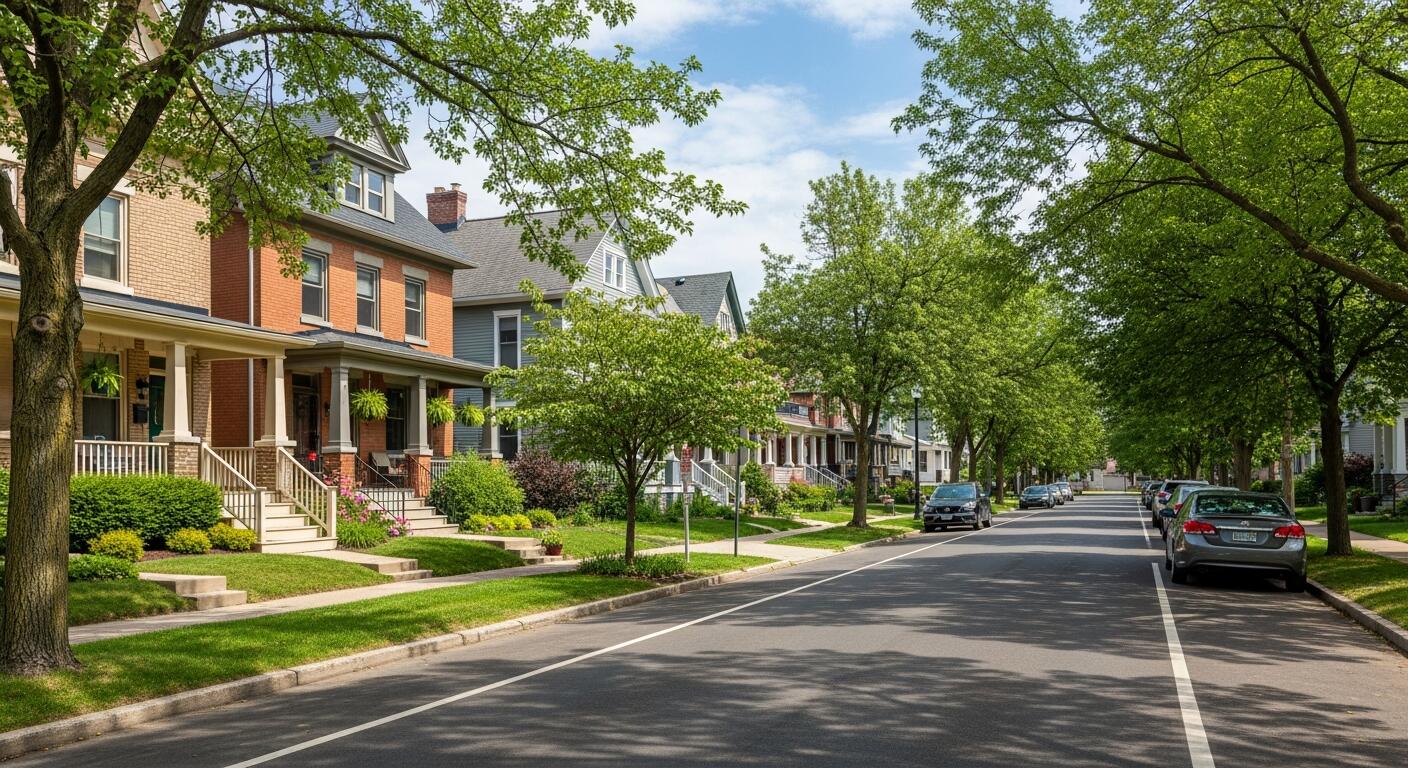
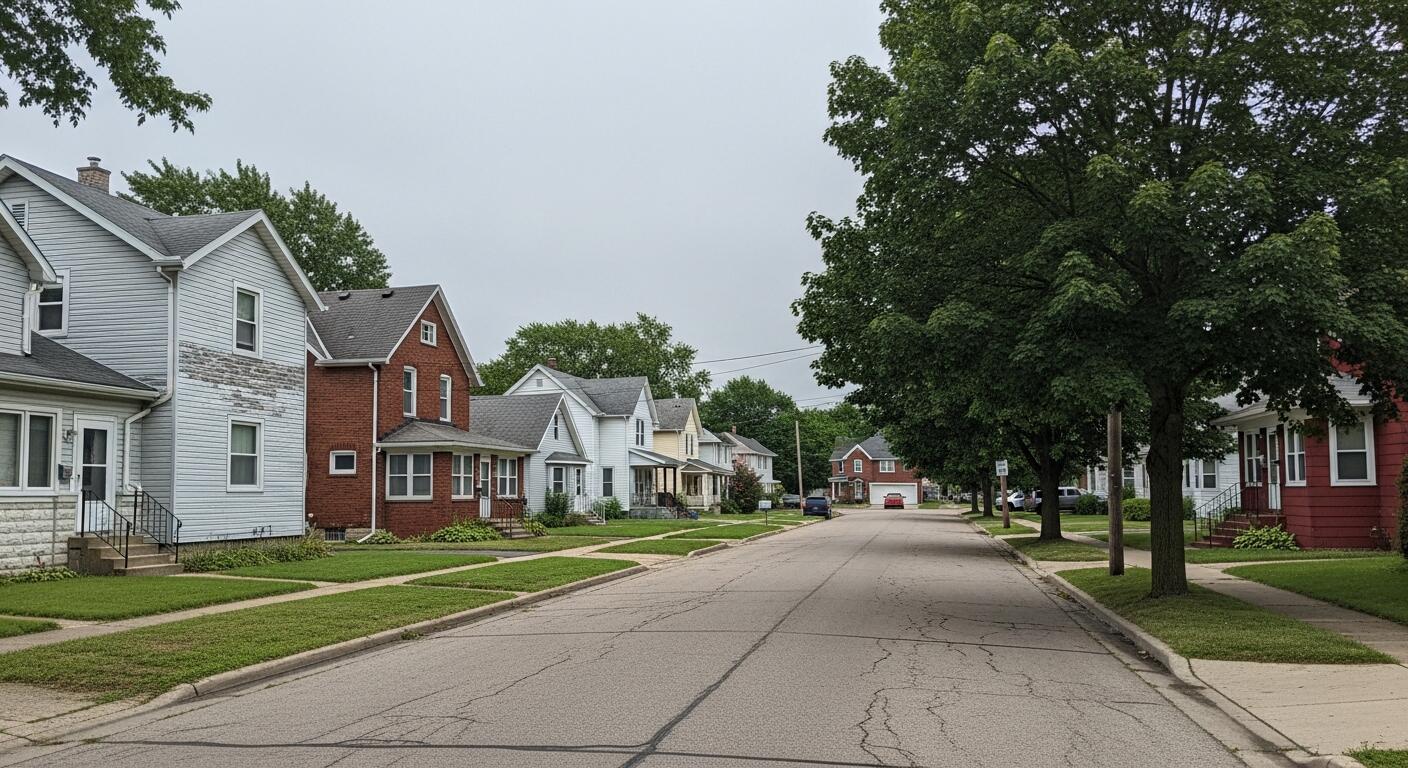
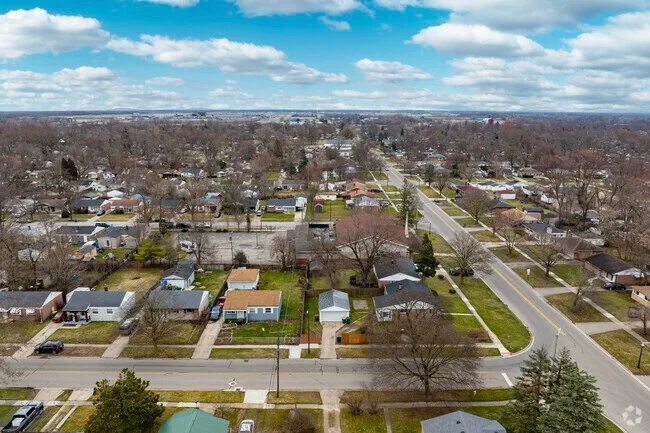
Washtenaw County's diverse housing stock requires specialized restoration approaches. From Victorian homes in Ann Arbor to modern developments in Saline, each property type presents unique challenges.
Common housing characteristics affecting restoration:
- Age distribution: Many homes built before 1970 lack modern moisture barriers
- Foundation types: Stone and block basements are prone to water intrusion
- Construction materials: Older homes feature plaster walls and hardwood floors requiring careful drying
- Basement configurations: Michigan basements are common and vulnerable to flooding
Historic properties in downtown Ann Arbor need specialized fire and smoke damage restoration to preserve original materials. University area rentals often suffer from deferred maintenance, making water damage more severe.
Modern homes face different challenges:
- Tighter construction can trap moisture and promote mold growth
- Complex HVAC systems require specialized smoke damage cleaning
- Finished basements increase water damage restoration costs
- Open floor plans allow smoke and fire damage to spread quickly
Our restoration approach adapts to each property's construction type, age, and specific vulnerabilities.
Environmental Conditions & Damage Implications
Washtenaw County's environmental conditions significantly impact damage restoration needs. The region's continental climate, soil composition, and water sources create specific challenges for property owners.
Climate factors affecting restoration:
- Average annual precipitation of 32 inches increases flood risk
- Humidity levels fluctuate dramatically between seasons
- Temperature swings cause freeze-thaw cycles damaging structures
- Severe weather events bring wind, hail, and flooding
Soil and drainage considerations:
- Clay-rich soil retains water and increases basement flooding
- Poor drainage in low-lying areas creates persistent moisture problems
- Seasonal water table fluctuations affect foundation integrity
Water quality impacts:
- Hard water accelerates pipe corrosion leading to leaks
- Municipal water pressure variations stress plumbing systems
- Well water contamination requires specialized cleanup procedures
Air quality concerns include seasonal pollen that can complicate smoke damage restoration and indoor humidity that promotes mold growth. Our restoration protocols account for these environmental factors to ensure thorough remediation and prevent recurring problems.
University Area Restoration Challenges
The University of Michigan's presence creates unique damage restoration scenarios throughout Washtenaw County. Student housing, research facilities, and campus-adjacent properties face distinct challenges requiring specialized expertise.
Student housing restoration issues:
- High-occupancy buildings experience frequent water damage from overuse
- Delayed damage reporting allows mold growth to establish
- Cooking fires and smoke damage occur more frequently
- Sewage backups affect multiple units simultaneously
Rental properties near campus often suffer from deferred maintenance, making restoration more complex. Landlords need rapid response to minimize vacancy periods, while tenants require safe, healthy living conditions during restoration.
Academic calendar considerations:
- Summer break allows for extensive restoration projects
- Move-in periods reveal hidden damage from vacant months
- Winter break provides opportunities for major repairs
- Semester transitions require expedited restoration timelines
Research facilities face additional challenges with specialized equipment requiring careful smoke damage restoration and contamination control. Laboratory spaces need thorough decontamination after sewage backups or chemical incidents.
Our team understands these unique demands and provides flexible scheduling to accommodate academic calendars. We work with property managers to minimize disruption while ensuring complete restoration of fire, water, mold, and sewage damage.