
Damage Restoration in Muskegon Heights, MI
- Damage Restoration Services Overview
- Common Damage Restoration Issues in Muskegon Heights, Michigan
- Neighborhoods We Serve in Muskegon Heights
- Seasonal Damage Patterns in Muskegon Heights
- Housing Characteristics & Restoration Considerations
- Environmental Conditions & Damage Implications
- Emergency Response and Insurance Coordination for Muskegon Heights Property Owners
Damage Restoration Services Overview
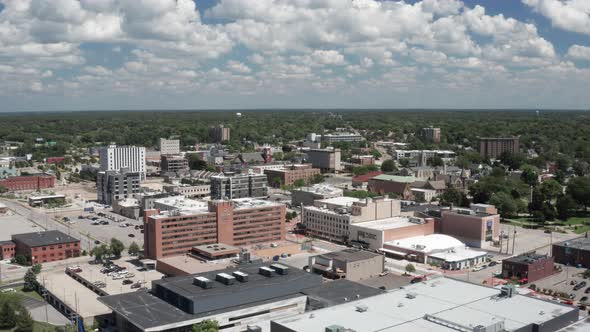
You head down to the basement on a rainy April morning and hear water before you see it - a supply line has let go, and two inches of standing water now covers the floor, the furnace, and the boxes you meant to move last spring. In Muskegon Heights, that scenario plays out year-round, and the response in the first hours shapes how much of your property can be saved.
Property damage rarely stays in one category. Water leads to mold. Fire leaves behind smoke, soot, and the water used to extinguish it. A backed-up sewer line contaminates everything it touches. Restoration work in Muskegon Heights covers the full range:
- Water Damage Restoration - extraction, structural drying, dehumidification, and repairs after pipe breaks, appliance failures, roof leaks, and storm intrusion
- Flooded Basement - pumping, sump and drain evaluation, content removal, and drying of below-grade masonry
- Sewage Cleanup - containment, removal of contaminated materials, antimicrobial treatment, and sanitizing of affected surfaces
- Fire Damage Restoration - emergency board-up, roof tarping, debris removal, structural cleaning, and rebuild
- Smoke Damage Restoration - soot removal from surfaces and HVAC systems, odor neutralization, and contents cleaning
- Mold Removal - containment barriers, HEPA filtration, removal of colonized materials, and moisture source correction
The benefit for local homeowners is simple: one coordinated response instead of chasing separate trades while damage spreads.
Common Damage Restoration Issues in Muskegon Heights, Michigan
Sitting just inland from Lake Michigan, Muskegon Heights absorbs the same lake-effect weather that hits the broader Muskegon County area - heavy snowfall, wind-driven rain, and stretches of high summer humidity.
Local Causes of Damage
- Severe thunderstorms and straight-line winds - the June 2024 storm line that crossed Western Lower Michigan brought gusts of 70 mph or more, downing trees and power lines across Muskegon County and tearing open roofs
- Rapid snowmelt over frozen ground - meltwater has nowhere to go and pushes against foundation walls
- Aging clay and cast-iron sewer laterals - root intrusion and joint failures cause backups into floor drains
- Frozen and burst pipes - common in uninsulated crawl spaces, exterior walls, and vacant properties
- Space heaters, furnaces, and kitchen fires - concentrated in the coldest months
- Combined and undersized storm drainage - heavy rain overwhelms street drains and backs into low-lying basements
Warning Signs Worth Acting On
- Musty odor in the basement or on the lowest floor, even when everything looks dry
- Efflorescence - white powdery deposits - on block foundation walls
- Slow-draining floor drains or gurgling from fixtures when the washer empties
- Peeling paint, bubbling drywall tape, or cupping hardwood near exterior walls
- Soot film on the tops of door casings or around HVAC registers after a small fire
- Persistent smoke odor that returns when the furnace or air conditioning runs
- Rust staining at the base of the water heater or furnace
Each of these points to a moisture or contamination source that will keep progressing until the source itself is corrected.
Neighborhoods We Serve in Muskegon Heights
Restoration crews cover the full city and the surrounding lakeshore communities, including:
- Central Muskegon Heights along Broadway Avenue and Peck Street
- Residential blocks near Hoyt Street, Getty Street, and Sanford Street
- The Sherman Boulevard and Hackley Avenue corridors
- Neighborhoods surrounding Rowan Park and Mona View
- Areas near the Muskegon Heights Academy campus and Sixth Street
Service also extends to neighboring communities across the county:
- Muskegon and downtown Muskegon
- Norton Shores and Roosevelt Park
- North Muskegon and Lakeside
- Fruitport, Egelston Township, and Muskegon Township
- Whitehall, Montague, and the White Lake area
Because Muskegon Heights is compact and centrally located within the county, crews can reach most addresses quickly with extraction and drying equipment - a meaningful advantage when contaminated water or an active leak is spreading by the hour.
Seasonal Damage Patterns in Muskegon Heights
Damage calls in Muskegon Heights follow a fairly predictable annual rhythm shaped by lake-effect weather.
- December through February - frozen and burst pipes, ice dams on north-facing roof slopes, heating-related fire damage, and smoke damage from furnaces, chimneys, and space heaters
- March and early April - snowmelt combined with spring rain drives flooded basements, foundation seepage, and sump pump failures
- April through June - severe thunderstorms bring wind damage, roof breaches, and storm-driven water intrusion requiring board-up and tarping
- June through August - high humidity off Lake Michigan accelerates mold growth in basements and crawl spaces; heavy downpours overwhelm sewer laterals and cause backups
- July and August - grill, fire pit, and electrical fires increase alongside heavier air conditioning loads
- September through November - clogged gutters and falling leaves push water toward foundations; the first heating cycles reveal smoke and soot problems in dormant systems
Mold removal requests peak in late summer and again in early spring, typically tracing back to a water event that was dried incompletely months earlier.
Housing Characteristics & Restoration Considerations
Muskegon Heights developed largely around mid-century industrial employment, and much of the housing stock reflects that era. Restoration methods have to match how these homes were actually built.
Common Construction Features
- Single-family homes built roughly between the 1910s and 1960s, many with wood-frame construction and lap or asbestos-cement siding
- Full basements with poured concrete or concrete block foundation walls
- Plaster-and-lath interior walls in older homes, drywall in postwar and remodeled properties
- Original hardwood floors, often covered by later layers of vinyl or carpet
- Galvanized or cast-iron supply and drain lines still in service in some properties
- Knob-and-tube or early cloth-sheathed wiring in unrenovated homes
How This Shapes the Work
- Block foundations hold moisture - water travels through hollow cores, so drying requires targeted equipment rather than surface fans alone
- Plaster behaves differently than drywall - it can sometimes be dried in place, but saturated lath behind it needs verification with moisture meters
- Layered flooring traps water - vinyl over hardwood over subfloor creates a vapor barrier that hides saturation and breeds mold
- Older wiring raises fire risk - post-fire assessments frequently trace ignition to overloaded legacy circuits
- Limited insulation in exterior walls - increases freeze risk for supply lines and slows drying in winter
- Uncapped or shared sewer laterals - older lines make backflow prevention a priority after any sewage cleanup
Homes with additions or partial renovations often combine several of these conditions in one structure, which is why moisture mapping precedes demolition on every project.
Environmental Conditions & Damage Implications
Proximity to Lake Michigan defines the local restoration environment more than anything else.
Climate and Moisture
- Lake-effect snowfall well above the state average, producing heavy spring melt volumes
- Elevated relative humidity through summer, keeping indoor dew points high in unconditioned basements
- Frequent freeze-thaw cycling that opens cracks in foundation walls and mortar joints
- Onshore winds that drive rain horizontally into siding, window frames, and roof penetrations
Soil and Groundwater
- Sandy lakeshore soils drain quickly but shift and settle, stressing foundations and buried drain lines
- Areas with clay lenses or compacted fill hold water against basement walls after heavy rain
- Seasonally high water tables in low-lying blocks push moisture up through slab floors and floor drains
What This Means for Restoration
- Drying plans must account for outdoor humidity - open windows often make conditions worse, so sealed dehumidification is standard
- Mold removal has to address the moisture source, not just the visible growth, or colonies return within a season
- Sewage cleanup requires full removal of porous materials, since sandy backfill allows contaminated groundwater to migrate
- Fire and smoke damage restoration includes HVAC cleaning, because humid air carries soot odor back into living spaces
- Post-drying verification with moisture meters and thermal imaging confirms materials reached dry standard before rebuilding
Industrial legacy sites nearby also mean air quality testing is sometimes advisable after significant fire or demolition work.
Emergency Response and Insurance Coordination for Muskegon Heights Property Owners
The hours immediately after discovery matter more than any other part of the process. Water migrates into wall cavities within minutes, and microbial growth can begin in a day or two under Muskegon County's humid conditions. Sewage contamination and smoke residues become progressively harder to reverse as they set into porous materials.
What to Do Before Crews Arrive
- Shut off the water supply at the main valve if a pipe or appliance is the source
- Cut power to affected areas at the breaker panel - only if the panel is dry and safely reachable
- Stay out of standing water that may contain sewage, and keep children and pets away entirely
- Move small valuables, electronics, and documents to a dry upper level
- Photograph the damage from multiple angles before anything is moved or removed
- Avoid running the HVAC system after a fire, which spreads soot through every register
How the Restoration Process Unfolds
- Assessment - moisture mapping, thermal imaging, and classification of water or contamination category
- Stabilization - board-up, roof tarping, and debris removal to secure the structure
- Extraction and removal - pumping standing water and removing unsalvageable porous materials
- Drying and treatment - air movers, dehumidifiers, HEPA filtration, and antimicrobial application
- Cleaning - soot and odor removal, contents cleaning, and emergency laundry when needed
- Verification and rebuild - documented dry readings followed by drywall, flooring, paint, and finish work
Working With Your Insurer
- Detailed moisture logs and daily readings support claim documentation
- Itemized scope of work aligns with common adjuster software and estimating standards
- Photo records of pre-existing conditions help separate covered loss from prior wear
- Direct communication with your adjuster reduces delays between approval and rebuild
Sewer backup and flood coverage often sit outside a standard homeowners policy, so reviewing your endorsements before storm season is worth an afternoon.





