
Damage Restoration in Palmyra, PA
- Damage Restoration Services Overview
- Common Damage Restoration Issues in Palmyra, Pennsylvania
- Neighborhoods We Serve in Palmyra
- Seasonal Damage Patterns in Palmyra
- Seasonal Damage Patterns in Palmyra
- Housing Characteristics & Restoration Considerations
- Environmental Conditions & Damage Implications
- Insurance Documentation and the Restoration Timeline in Lebanon County
Damage Restoration Services Overview
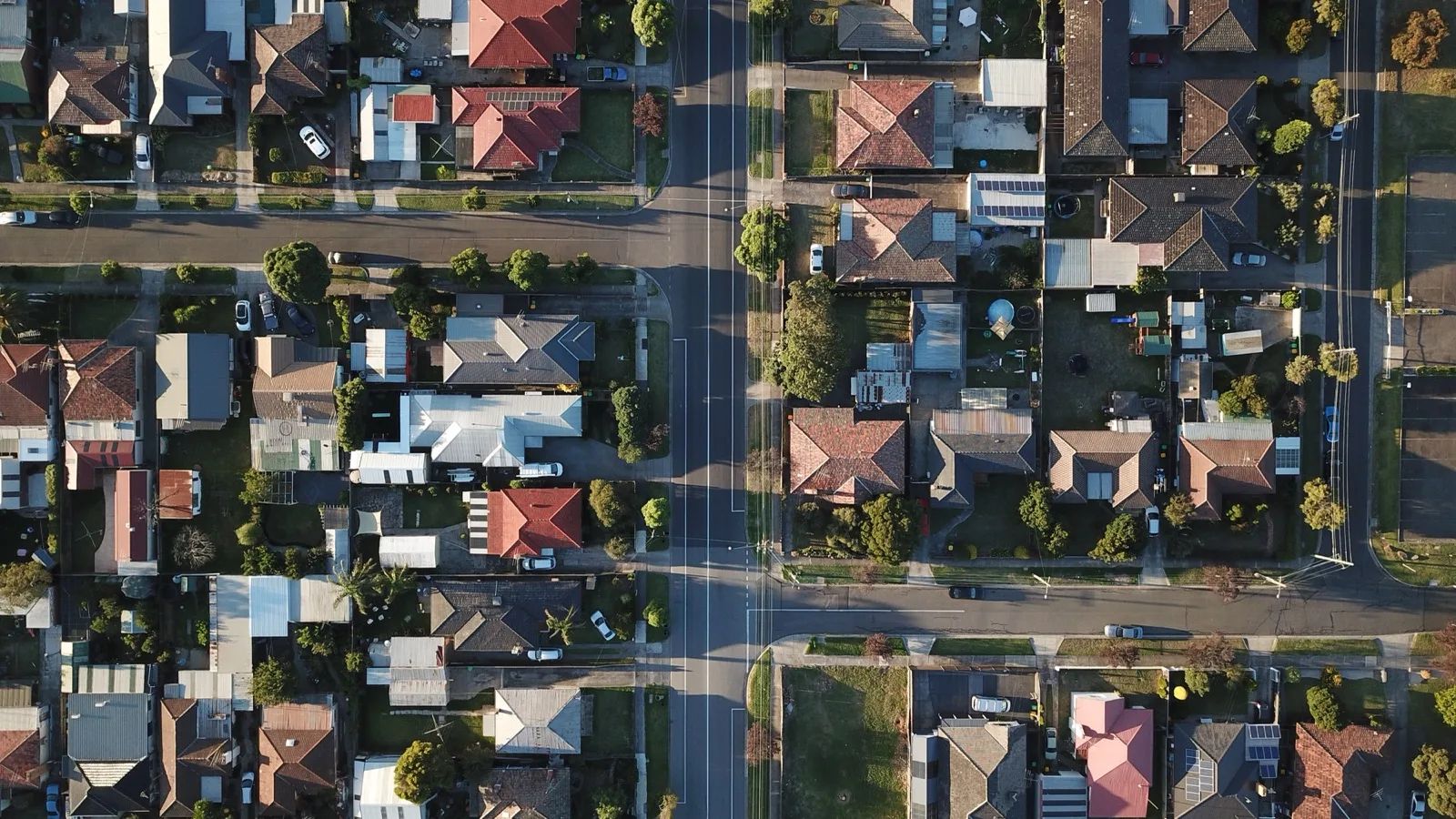
Palmyra sits in the Quittapahilla Creek watershed, where limestone bedrock and a high seasonal water table mean many borough basements take on water even when no storm has passed through. That geology, combined with a housing stock that includes homes built well before modern waterproofing standards, keeps restoration crews busy year-round in Lebanon County.
Local homeowners and business owners have access to a full range of mitigation and rebuild services, typically dispatched around the clock:
- Water Damage Restoration - extraction, structural drying, moisture mapping, and documentation for insurance claims
- Flooded Basement - pump-out, sump and drain evaluation, contents handling, and dehumidification of below-grade spaces
- Sewage Cleanup - removal of contaminated material, antimicrobial treatment, and safe disposal following Category 3 protocols
- Fire Damage Restoration - board-up, debris removal, soot cleaning, and reconstruction of damaged framing and finishes
- Smoke Damage Restoration - surface cleaning, HVAC decontamination, thermal fogging, and odor neutralization
- Mold Removal - containment, HEPA filtration, affected material removal, and moisture-source correction
The benefit of acting quickly is straightforward: contained damage stays small. Water that is extracted the same day rarely becomes a mold problem, and soot removed before it sets rarely requires replacing cabinetry or drywall. IICRC-certified technicians familiar with Palmyra properties know where hidden moisture collects and how local insurers expect claims documented.
Common Damage Restoration Issues in Palmyra, Pennsylvania
Palmyra's position between the Blue Mountain ridge and the Lebanon Valley floor creates a distinct pattern of property damage. Heavy convective summer storms, frozen winter service lines, and aging clay lateral sewer pipes account for a large share of emergency calls.
Local Causes of Damage
- Rapid runoff from clay-heavy valley soil that pushes hydrostatic pressure against foundation walls
- Combined stormwater surcharge that backs sewage into floor drains during downpours
- Frozen and burst supply lines in unheated crawl spaces and porch walls during January cold snaps
- Failed sump pumps during extended power outages from ice storms and summer thunderstorms
- Kitchen and chimney fires in older homes with original flue liners or dated wiring
- Water heater and washing machine hose failures in finished basements
Warning Signs Worth Investigating
- Musty odors near basement stairs, especially after rain - a common early mold indicator
- Efflorescence, chalky white staining, or bubbling paint on block foundation walls
- Gurgling floor drains or slow-clearing basement fixtures, which often precede a sewage backup
- Ceiling stains directly below second-floor bathrooms
- Soot film on window glass, lampshades, or HVAC registers after a small kitchen or furnace incident
- Cupping hardwood or lifting laminate seams, signaling subfloor moisture
Catching these signals early usually means targeted drying or spot remediation instead of full demolition and reconstruction.
Neighborhoods We Serve in Palmyra
Restoration crews cover the full borough and the surrounding townships, with response areas that include:
- Downtown Palmyra along West Main Street and the East Main Street corridor
- Residential blocks near Palmyra Area High School and Forge Road
- North Londonderry Township and the developments off Route 422
- South Londonderry Township, Campbelltown, and Lawn
- Bellegrove, Bindnagle, and neighborhoods bordering Quittapahilla Creek
- Annville, Cleona, Hershey, Hummelstown, and greater Lebanon
Each area brings its own quirks. Older borough rowhomes share party walls, which means smoke and water can migrate between adjoining structures and require coordinated inspection. Newer subdivisions in North Londonderry often have deep poured-concrete basements with finished living space, where a single sump failure can saturate carpet, padding, and drywall in hours. Rural properties toward Lawn and Bellegrove frequently rely on private wells and on-lot septic systems, which changes how sewage cleanup and post-flood sanitizing are handled.
Seasonal Damage Patterns in Palmyra
Seasonal Damage Patterns in Palmyra
Damage in Palmyra follows a fairly predictable calendar shaped by Pennsylvania's four distinct seasons.
- December through February: Frozen and burst pipes lead the list, along with ice damming on north-facing roof slopes. Furnace puffbacks and chimney fires drive smoke damage calls, and heating-season fires spike around the holidays.
- March and April: Snowmelt combined with spring rain saturates soil, producing the year's heaviest volume of flooded basement and foundation seepage work. Sump pumps run continuously and often fail from overuse.
- May through August: Thunderstorms and remnants of tropical systems bring flash flooding and stormwater surcharge, which triggers sewage backups through basement floor drains. Humidity above 70 percent accelerates mold growth in any space that stayed damp from spring.
- September and October: Hurricane remnants tracking up the Susquehanna Valley can drop several inches in a day. Early furnace startups produce smoke and soot events from dust burn-off and neglected flues.
- November: First hard freezes catch outdoor spigots and unprotected crawl space lines, restarting the water damage cycle.
Scheduling gutter cleaning, sump testing, and chimney inspection ahead of each transition point reduces emergency calls substantially.
Housing Characteristics & Restoration Considerations
Palmyra's housing mix spans well over a century of construction, and each era responds differently to water, fire, and mold.
Common Construction Types
- Pre-1940 brick and frame homes: Found throughout the borough core, often with stone or brick foundations, plaster-and-lath walls, balloon framing, and knob-and-tube remnants. Plaster holds moisture longer than drywall, and balloon-framed wall cavities let fire and smoke travel vertically between floors.
- Mid-century ranches and split-levels: Block foundations with cove joints that seep under hydrostatic pressure. Many have original galvanized supply lines nearing failure.
- 1980s-2000s two-story colonials: Poured foundations, finished basements, and extensive HVAC ductwork that distributes smoke odor throughout the structure.
- Recent construction in the townships: Tight building envelopes and spray-foam or blown insulation that trap moisture when a leak occurs behind finished surfaces.
How Age Affects the Work
- Homes built before 1980 warrant asbestos and lead testing before demolition of flooring, insulation, or plaster.
- Stone foundations require slower, controlled drying to avoid mortar damage and repeated moisture readings over several days.
- Hardwood floors common in older Palmyra homes often respond to specialty drying mats rather than replacement.
- Finished basements need cavity drying behind paneling and framing, not just surface dehumidification.
- Shared party walls in rowhomes call for inspection of neighboring units after fire or major water loss.
Environmental Conditions & Damage Implications
Palmyra averages roughly 42 inches of precipitation annually, spread fairly evenly across the year, with summer dew points routinely in the upper 60s. That combination of steady rainfall and humid warm-season air is close to ideal for mold colonization once any material stays wet past a couple of days.
Conditions That Shape Restoration Work
- Limestone geology: The Lebanon Valley's carbonate bedrock produces hard groundwater and, in places, solution channels that redirect water toward foundations unpredictably.
- Clay and silt loam soils: Slow infiltration means water pools against basement walls rather than draining away, sustaining seepage for days after a storm.
- Radon-prone geology: Sub-slab depressurization systems are common locally, and their piping must be protected and re-sealed during basement remediation.
- Seasonal humidity swings: Winter indoor air can drop below 30 percent relative humidity while summer basements sit above 65 percent - both extremes complicate drying targets.
- Agricultural surroundings: Field runoff can introduce organic contaminants into floodwater, raising the sanitation standard for cleanup.
- Well and septic properties: Rural sites need water testing and septic evaluation after any flooding or sewage event.
Technicians account for these variables by setting drying goals against a dry standard measured in unaffected parts of the same home, rather than applying a generic benchmark. Air quality is monitored throughout mold and fire work with HEPA filtration and negative-pressure containment so that particulate does not migrate into clean areas.
Insurance Documentation and the Restoration Timeline in Lebanon County
The single biggest source of frustration after a loss in Palmyra is not the damage itself - it is the claims process. Careful documentation from the first hour changes the outcome, and thorough crews treat record-keeping as part of the job rather than an afterthought.
What Detailed Documentation Includes
- Photographs and video of every affected room before any material is removed
- Moisture readings logged daily by location, with thermal imaging of wall and ceiling cavities
- Written scope tied to industry-standard line items insurers recognize
- Inventory of damaged contents, separated into salvageable, cleanable, and non-restorable
- Air sampling results for mold claims, with pre- and post-remediation comparison
- Source-of-loss identification, which often determines whether a claim is covered
How the Process Generally Unfolds
- Emergency contact and dispatch - crews mobilize around the clock for active water, sewage, or fire losses.
- Safety assessment - electrical hazards, structural stability, and contamination category are evaluated before entry.
- Mitigation - extraction, board-up, or containment stops the damage from spreading.
- Removal of unsalvageable material - saturated drywall, insulation, carpet padding, and charred framing come out.
- Drying and cleaning - air movers, dehumidifiers, HEPA vacuuming, soot sponging, and odor treatment.
- Verification - moisture and, where relevant, clearance testing confirms the space meets standards.
- Reconstruction - drywall, paint, flooring, trim, and cabinetry restore the property.
Working directly with your carrier's adjuster shortens the gap between mitigation and rebuild. Palmyra homeowners benefit when the same team handles both phases, since nothing gets lost in the handoff and the people who opened the wall are the ones who close it back up.





