
Damage Restoration in Ellwood City, PA
- Damage Restoration Services Overview
- Common Damage Restoration Issues in Ellwood City, Pennsylvania
- Neighborhoods We Serve in Ellwood City
- Seasonal Damage Patterns in Ellwood City
- Housing Characteristics & Restoration Considerations
- Environmental Conditions & Damage Implications
- Emergency Response and the Insurance Claim Process for Ellwood City Property Owners
Damage Restoration Services Overview
You come downstairs on a wet March morning and hear water running where no water should be. The basement carpet squishes underfoot, the sump pump sits silent, and the box of family photos on the bottom shelf is already soaked. In Ellwood City, that scene plays out every spring - and it rarely waits for business hours.
Restoration work covers far more than pumping out water. Borough homes and Lawrence County businesses call for help across a full range of emergencies:
- Water damage restoration - burst supply lines, failed water heaters, roof leaks and appliance overflows
- Flooded basement recovery - hydrostatic seepage, foundation cracks, sump pump failures and storm surcharge
- Sewage cleanup - main line backups, lateral collapses and Category 3 contamination requiring full sanitation
- Fire damage restoration - structural cleaning, contents recovery and rebuilding after kitchen, chimney or electrical fires
- Smoke damage restoration - soot removal, odor neutralization and HVAC decontamination, including puffback cleanup
- Mold removal - containment, remediation and moisture-source correction in crawl spaces, attics and finished basements
The benefit of moving quickly is straightforward. Fast extraction limits secondary damage, keeps mold from taking hold within days, protects hardwood and drywall that would otherwise be demolished, and gives you clean documentation for an insurance claim.
Common Damage Restoration Issues in Ellwood City, Pennsylvania
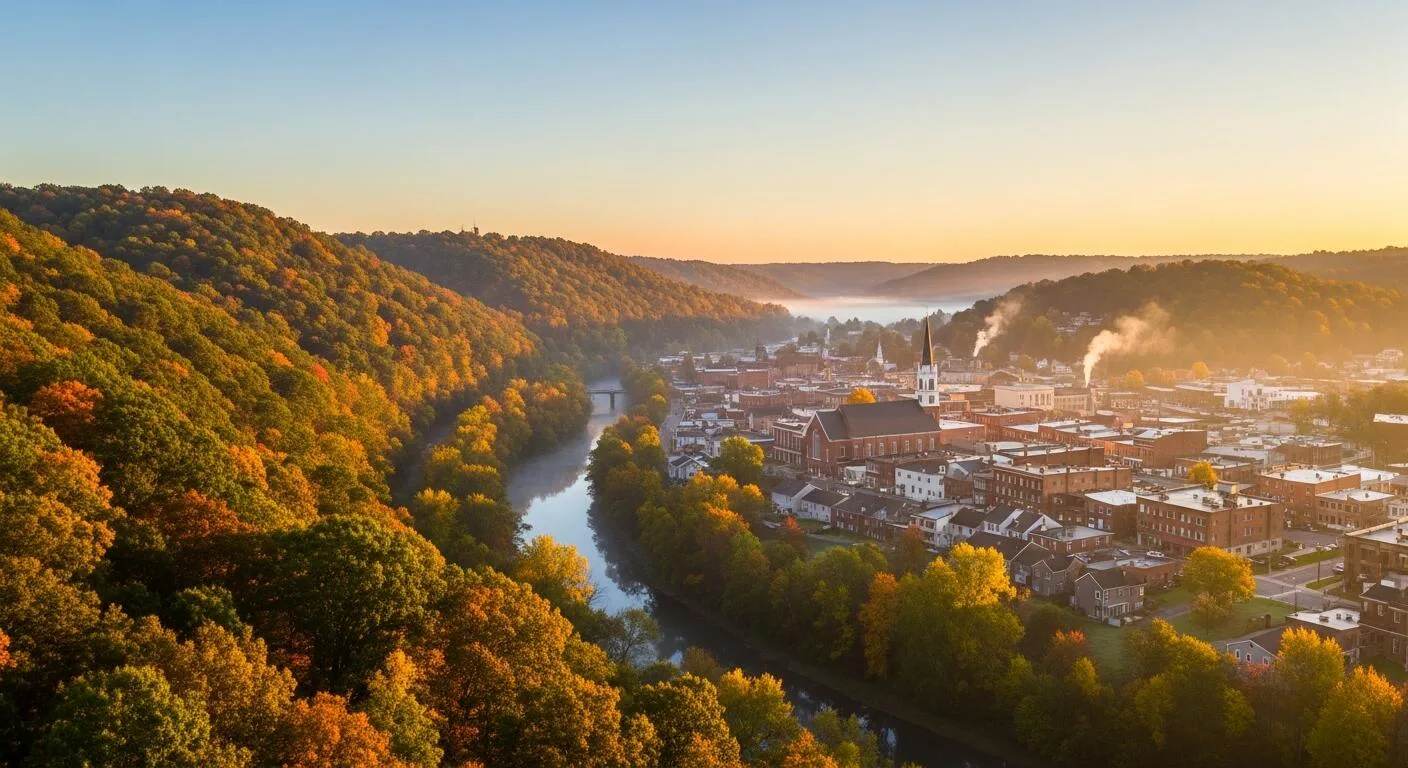
Ellwood City sits along the Connoquenessing Creek in a valley of older housing stock, clay-heavy soil and aging municipal infrastructure. That combination produces predictable damage patterns.
Local Causes We See Repeatedly
- Creek and stormwater backup - heavy rain overwhelms combined lines and pushes water into low-lying basements near the creek and along Lawrence Avenue
- Sump pump failure during power outages - western Pennsylvania thunderstorms knock out power exactly when the pump is needed most
- Frozen and burst pipes - uninsulated lines in unheated basements and crawl spaces let go during January cold snaps
- Clay tile and cast iron sewer laterals - root intrusion and joint failure on decades-old lines cause raw sewage backups
- Chimney and furnace fires - older heating systems and wood stoves in century homes
- Puffbacks from oil-fired boilers - fine oily soot spread through every room by the duct system
Warning Signs Worth Acting On
- Musty odor in the basement or on the stairs, even when floors look dry
- Efflorescence - white chalky residue - on block foundation walls
- Slow floor drains, gurgling toilets or backup when the washer discharges
- Peeling paint, cupping hardwood or stained ceiling tiles below a bathroom
- Soot ghosting on walls near outlets and around HVAC registers
- Persistent smoke odor that returns whenever humidity rises
Any one of these signals hidden moisture or contamination behind finished surfaces. Moisture meters and thermal imaging find it before demolition begins.
Neighborhoods We Serve in Ellwood City
Crews respond throughout the borough and the surrounding Lawrence and Beaver County communities.
- Downtown Ellwood City - Lawrence Avenue storefronts, upper-floor apartments and mixed-use buildings
- North Side and Fifth Street corridor - dense older residential blocks with block foundations
- Ewing Park area - hillside homes with drainage and grading concerns
- Wurtemburg Road and outlying Perry Township - septic systems and well water considerations
- Franklin Township and Wayne Township - rural properties with longer sewer laterals
- Koppel, Big Beach, New Beaver and Wampum - neighboring boroughs along the Beaver River
- Portersville, Zelienople and Slippery Rock Township - eastern service reach
Commercial clients include restaurants, churches, medical offices, schools and light industrial facilities. Crews stage equipment locally so response to Ellwood City addresses stays quick around the clock, weekends and holidays included.
Seasonal Damage Patterns in Ellwood City
Damage calls follow the western Pennsylvania calendar closely.
Winter - December through February
- Frozen and burst supply lines in exterior walls and crawl spaces
- Ice damming on low-slope roofs, driving water into ceilings
- Peak fire season - space heaters, chimneys, overloaded circuits and holiday cooking
- Furnace puffbacks and heavy smoke odor in closed-up houses
Spring - March through May
- Snowmelt plus rain saturates clay soil and floods basements
- Sump pumps run continuously and fail from overuse
- Sewer surcharge during sustained downpours
- Mold growth accelerates as temperatures climb above 60 degrees
Summer - June through August
- Severe thunderstorms with wind-driven rain and power outages
- High humidity fuels crawl space and attic mold
- Air conditioner condensate line clogs damaging ceilings below
- Grill and outdoor fire damage to decks and siding
Fall - September through November
- Clogged gutters from leaf fall push water against foundations
- Remnants of tropical systems bring flash flooding
- First furnace startup exposes soot and combustion issues
- Best window for waterproofing and mold prevention work
Housing Characteristics & Restoration Considerations
Ellwood City grew around the steel and tin industries, and much of the housing stock reflects that era. A large share of homes were built before 1950, with a second wave of postwar construction on the outskirts.
What We Encounter in Local Homes
- Stone and concrete block foundations - porous, prone to lateral seepage and efflorescence
- Balloon-frame construction - open wall cavities let fire, smoke and water travel between floors quickly
- Plaster and wood lath - holds moisture far longer than drywall and requires slower, controlled drying
- Original hardwood over plank subfloor - salvageable with mat drying if addressed within a day or two
- Knob-and-tube or early cloth wiring - a fire risk and a safety concern during water extraction
- Asbestos and lead-era materials - insulation wrap, floor tile and painted trim requiring testing before demolition
- Low-clearance crawl spaces - dirt floors that pump humidity into living areas year-round
How Age Changes the Approach
- Test suspect materials before cutting into pre-1980 assemblies
- Use targeted cavity drying to preserve original plaster and trim rather than gutting
- Contain smoke odor early - open framing channels carry soot to the attic
- Sanitize block cores and sill plates after any sewage intrusion
- Correct the moisture source before rebuilding, or mold returns to the same wall
Newer builds in the townships have their own issues: tight envelopes trap humidity, and finished basements hide leaks behind vinyl plank and insulated framing.
Environmental Conditions & Damage Implications
Local climate and geology shape almost every restoration decision made in this part of Lawrence County.
Climate and Moisture
- Roughly 40 inches of annual rainfall plus significant lake-effect snow
- Summer relative humidity often above 70 percent, keeping indoor dew points high
- Freeze-thaw cycling that widens foundation cracks each winter
- Dehumidification, not just air movement, is what actually dries a basement here
Soil and Groundwater
- Clay-rich glacial soils drain slowly and hold water against foundations
- Hillside lots channel runoff toward downhill neighbors and walkout basements
- High water tables near the Connoquenessing Creek raise hydrostatic pressure
- Exterior grading and downspout extensions often matter more than interior sealants
Air and Water Quality Effects
- Regional particulate levels mean HVAC systems already carry a soot and dust load - fire cleanup must include full duct work
- Hard water accelerates water heater and supply line failure
- Well-served rural properties need water testing after any sewage or flood event
- Radon is common in the region, and basement drying with negative pressure should be managed carefully
Mold species common to this climate - Cladosporium, Aspergillus and Penicillium - colonize damp cellulose within 24 to 48 hours. That is why containment and dehumidification start on the first visit, not after demolition.
Emergency Response and the Insurance Claim Process for Ellwood City Property Owners
Most people call a restoration company once or twice in a lifetime. Knowing what happens next removes a lot of stress from a bad night.
What Happens After You Call
- Dispatch and safety check - crews confirm power status, gas shutoff and structural safety before entering
- Source control - stop the leak, cap the line, tarp the roof or board the opening
- Inspection and mapping - moisture meters and thermal cameras define the wet perimeter, which is almost always larger than it looks
- Extraction - truck-mounted or portable units remove standing water and slurry
- Category and class determination - clean water, gray water or sewage dictates what gets dried versus removed
- Controlled demolition - only unsalvageable materials come out, with containment for mold or contamination
- Drying and monitoring - air movers and dehumidifiers run with daily readings logged
- Cleaning and deodorization - antimicrobial application, HEPA vacuuming, hydroxyl or thermal fog for smoke odor
- Reconstruction - drywall, flooring, paint and trim to return the space to pre-loss condition
Documentation That Protects Your Claim
- Photograph everything before moving items, including serial numbers on damaged appliances
- Keep damaged contents until the adjuster has seen them, unless they pose a health hazard
- Save receipts for temporary lodging, fans, wet vacs and emergency repairs
- Request daily moisture logs and equipment records from your restoration contractor
- Ask whether your policy includes sewer and drain backup coverage - many standard policies exclude it
What You Can Do Before Crews Arrive
- Shut off the main water valve if the source is a supply line
- Cut power to affected circuits only if the panel is dry and accessible
- Stay out of sewage-affected areas entirely
- Move small valuables, rugs and electronics to a dry floor
- Prop furniture legs on foil or blocks to prevent staining
- Do not run the HVAC after a fire - it spreads soot through the whole house
Documented, standards-based work makes the difference between a claim that moves and one that stalls. Clear records also give you confidence the structure is genuinely dry before walls close back up.





