
Damage Restoration in North Fond du Lac, WI
- Damage Restoration Services Overview
- Common Damage Restoration Issues in North Fond du Lac, Wisconsin
- Neighborhoods We Serve in North Fond du Lac
- Seasonal Damage Patterns in North Fond du Lac
- Housing Characteristics & Restoration Considerations
- Environmental Conditions & Damage Implications
- Sewer Backups and Basement Water: What North Fond du Lac Homeowners Should Know
Damage Restoration Services Overview
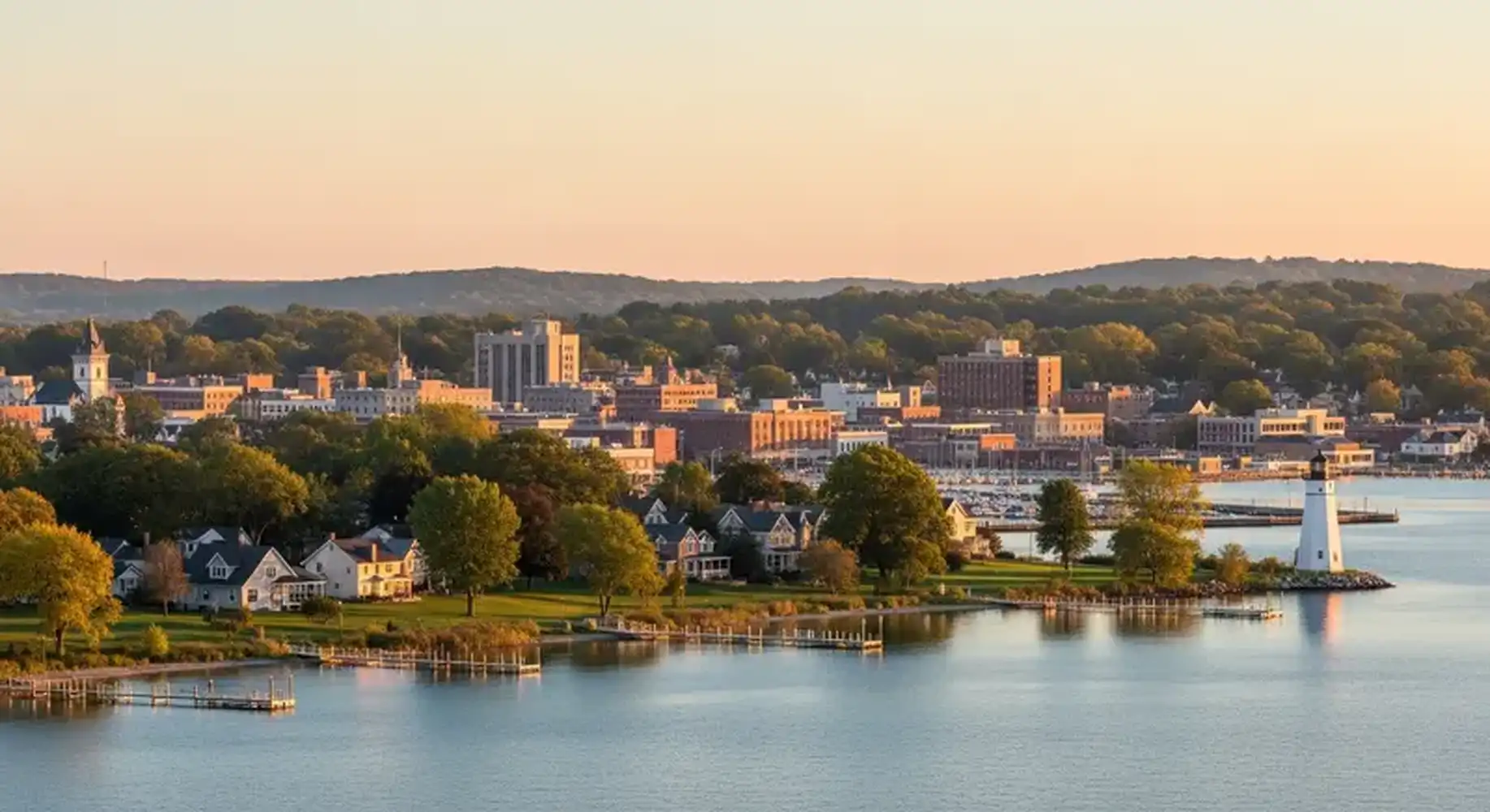
North Fond du Lac sits just north of the Fond du Lac River and within reach of Lake Winnebago, a position that shapes nearly every restoration call in the village. High groundwater, aging clay sewer laterals, and freeze-thaw cycles create conditions where a small leak becomes a saturated basement in hours.
Property owners here rely on a full range of emergency and recovery work, including:
- Water damage restoration - extraction, structural drying, and moisture mapping after burst pipes, appliance failures, and roof leaks
- Flooded basement recovery - sump pump failure response, pump-out, and drying of finished lower levels
- Sewage cleanup - containment, removal of contaminated materials, and antimicrobial treatment after backups
- Fire damage restoration - board-up, debris removal, structural cleaning, and content recovery
- Smoke damage restoration - soot removal from framing and HVAC systems plus odor neutralization
- Mold removal - inspection, containment barriers, HEPA filtration, and safe material disposal
Related work such as carpet cleaning, crawl space and attic cleanup, biohazard decontamination, and storm damage response often follows the same event. The benefit of a coordinated approach is simple: fewer materials torn out, faster reoccupancy, and clearer documentation for your insurance claim.
Common Damage Restoration Issues in North Fond du Lac, Wisconsin
The village's low elevation near the river and its mix of older housing stock drive most of the damage patterns technicians see year after year.
Frequent Causes of Loss
- Frozen and burst supply lines in uninsulated crawl spaces, exterior walls, and unheated garages during January and February cold snaps
- Sump pump failures during spring melt or when power drops out in a thunderstorm
- Municipal and lateral sewer backups after heavy rainfall overwhelms combined drainage capacity
- Foundation seepage through cracked block walls and cove joints in mid-century basements
- Kitchen and heating-appliance fires, plus chimney and space heater incidents in the coldest months
- Storm-driven water intrusion from wind-lifted shingles and ice dams along north-facing roof planes
Warning Signs Worth Acting On
- Musty odors in a basement, crawl space, or closet that persist after ventilation
- Efflorescence, white chalky residue, or dark staining on block foundation walls
- Floor tile lifting, baseboard swelling, or carpet tack strips rusting
- Recurring gurgling from floor drains or slow-clearing basement fixtures
- A smoky or acrid smell that returns when the furnace cycles - a sign soot has entered ductwork
- Visible growth on drywall paper, joists, or stored cardboard boxes
Left alone, any of these escalates. Water intrusion can support mold growth within a day or two, and sewage contamination affects porous materials almost immediately.
Neighborhoods We Serve in North Fond du Lac
Crews respond throughout the village and across the surrounding Fond du Lac County communities.
- Central North Fond du Lac along County Highway V and the Prospect Avenue corridor
- Residential blocks near North Fond du Lac High School and Friendship Learning Center
- Neighborhoods bordering the Fond du Lac River and the former rail yard district
- Areas adjacent to Winnebago Drive and the northern Lake Winnebago shoreline
- The city of Fond du Lac, including downtown, the Lakeside Park area, and the west side
- Surrounding villages and townships: Oakfield, Van Dyne, Eden, Rosendale, Taycheedah, Malone, and Mount Calvary
- Nearby commercial and industrial properties along US 41 and Highway 45
Coverage extends to single-family homes, duplexes, apartment buildings, churches, schools, and small commercial tenants. Local familiarity matters when a technician needs to know which streets historically back up and which subdivisions sit on tight clay soils.
Seasonal Damage Patterns in North Fond du Lac
Wisconsin's four distinct seasons each bring a predictable category of restoration work.
- December through February: Frozen pipes, ice dams, and furnace or fireplace fires dominate. Smoke damage calls climb as heating equipment runs continuously and homes stay sealed tight.
- March and April: Snowmelt combined with saturated, still-frozen ground pushes water toward foundations. Flooded basements and sump pump overload peak here, and sewage backups follow heavy melt events.
- May through July: Thunderstorms bring wind damage, roof leaks, and flash flooding. Rising humidity turns any lingering moisture into active mold growth in basements and crawl spaces.
- August and September: Mold remediation requests peak as summer humidity compounds spring water intrusion that was never properly dried.
- October and November: Gutter blockages and the first hard freezes create split hose bibs and outdoor spigot leaks. Chimney and heating system startup produces early-season smoke incidents.
Documented seasonal patterns help homeowners schedule preventive checks - sump pump testing in February, dryer vent and chimney inspection in October.
Housing Characteristics & Restoration Considerations
Much of North Fond du Lac's housing stock dates from the early-to-mid twentieth century, built during the village's rail and manufacturing era, with pockets of newer construction added over recent decades. That age mix directly changes how a restoration project unfolds.
Construction Traits That Affect Restoration
- Concrete block and rubble-stone foundations - porous and prone to lateral seepage, requiring longer drying cycles and often specialized wall-cavity drying equipment
- Plaster over wood lath - holds moisture behind the surface and hides mold growth until odor develops
- Balloon framing in older homes - open wall cavities let fire, smoke, and soot travel vertically from basement to attic
- Finished basements added later - stud walls set directly against block with no vapor barrier trap moisture behind paneling and carpet
- Clay or cast iron sewer laterals - root intrusion and joint separation cause repeat backups
- Knob-and-tube or early wiring remnants - a documented contributor to electrical fire risk in unrenovated properties
- Blown-in or batt attic insulation - absorbs smoke odor and must often be removed rather than cleaned
What This Means for Your Project
- Asbestos and lead-paint screening may be required before demolition on pre-1980 homes
- Drying plans are built around material type, not a fixed schedule - plaster and block behave differently than modern drywall
- Content and structural cleaning after fire frequently extends beyond the room of origin because of open framing paths
Environmental Conditions & Damage Implications
Local geography and climate explain why moisture-related losses outnumber every other category in this part of Fond du Lac County.
Climate and Water Table
- Cold continental winters with sustained sub-freezing stretches that push frost deep into the soil
- Humid summers where indoor dew points regularly support mold growth in unconditioned basements
- Proximity to Lake Winnebago and the Fond du Lac River keeps the regional water table high, especially in spring
- Annual precipitation arrives in concentrated thunderstorm events, straining storm and sanitary systems
Soil and Drainage
- Heavy clay and silty loam soils drain slowly and hold water against foundation walls
- Clay expansion and contraction through freeze-thaw cycles widens existing foundation cracks
- Flat lot grading in older platted blocks directs runoff toward structures rather than away
- Shallow bedrock in parts of the county limits infiltration and increases surface pooling
Air Quality and Indoor Effects
- Tightly sealed winter homes concentrate soot particles and combustion byproducts after any fire event
- Summer humidity keeps porous materials from self-drying, so professional dehumidification is the only reliable path
- Hard groundwater with high mineral content leaves scale in plumbing, accelerating pinhole leaks in copper supply lines
Each condition shapes equipment selection - desiccant versus refrigerant dehumidifiers, negative air containment, and moisture readings taken at multiple depths.
Sewer Backups and Basement Water: What North Fond du Lac Homeowners Should Know
Basement water events are the single most common restoration call in the village, and how the water is categorized determines the entire response.
Water Categories and Why They Matter
- Clean water from a supply line or water heater - most materials can be dried in place if response is fast
- Gray water from washing machines, dishwashers, or sump overflow - carries contaminants and degrades to gray-to-black status over time
- Black water from sewer backups or river flooding - requires removal of porous materials, full containment, and antimicrobial treatment under IICRC S500 guidelines
The Professional Response Sequence
- Safety assessment - electrical hazards, structural stability, and contamination level identified before entry
- Source control and standing water extraction using truck-mounted or portable units
- Removal of unsalvageable materials such as saturated carpet pad, insulation, and drywall cut above the waterline
- Cleaning and antimicrobial application to all affected surfaces, including framing and subfloor
- Structural drying with air movers and dehumidifiers sized to the affected cubic footage
- Daily moisture monitoring with meters and thermal imaging until materials reach dry standard
- Documentation package prepared for the insurance carrier, including photos, readings, and scope
Reducing Repeat Events
- Install a battery backup or water-powered secondary sump pump
- Add a backwater valve on the sanitary lateral where local code permits
- Extend downspouts at least six feet from the foundation and regrade settled soil
- Schedule a camera inspection of clay laterals if backups recur
- Keep stored belongings on shelving rather than directly on basement slabs
Technicians certified through the IICRC in water restoration, applied structural drying, and mold remediation follow these standards on every North Fond du Lac project, whether the trigger was a burst pipe, a storm, or a fire suppression event that left the lower level soaked.





