
Damage Restoration in Fond du Lac, WI
- Damage Restoration Services Overview
- Common Damage Restoration Issues in Fond du Lac, Wisconsin
- Neighborhoods We Serve in Fond du Lac
- Seasonal Damage Patterns in Fond du Lac
- Housing Characteristics & Restoration Considerations
- Environmental Conditions & Damage Implications
- Working With Your Insurance Claim After Fond du Lac Storm, Fire, or Water Damage
Damage Restoration Services Overview
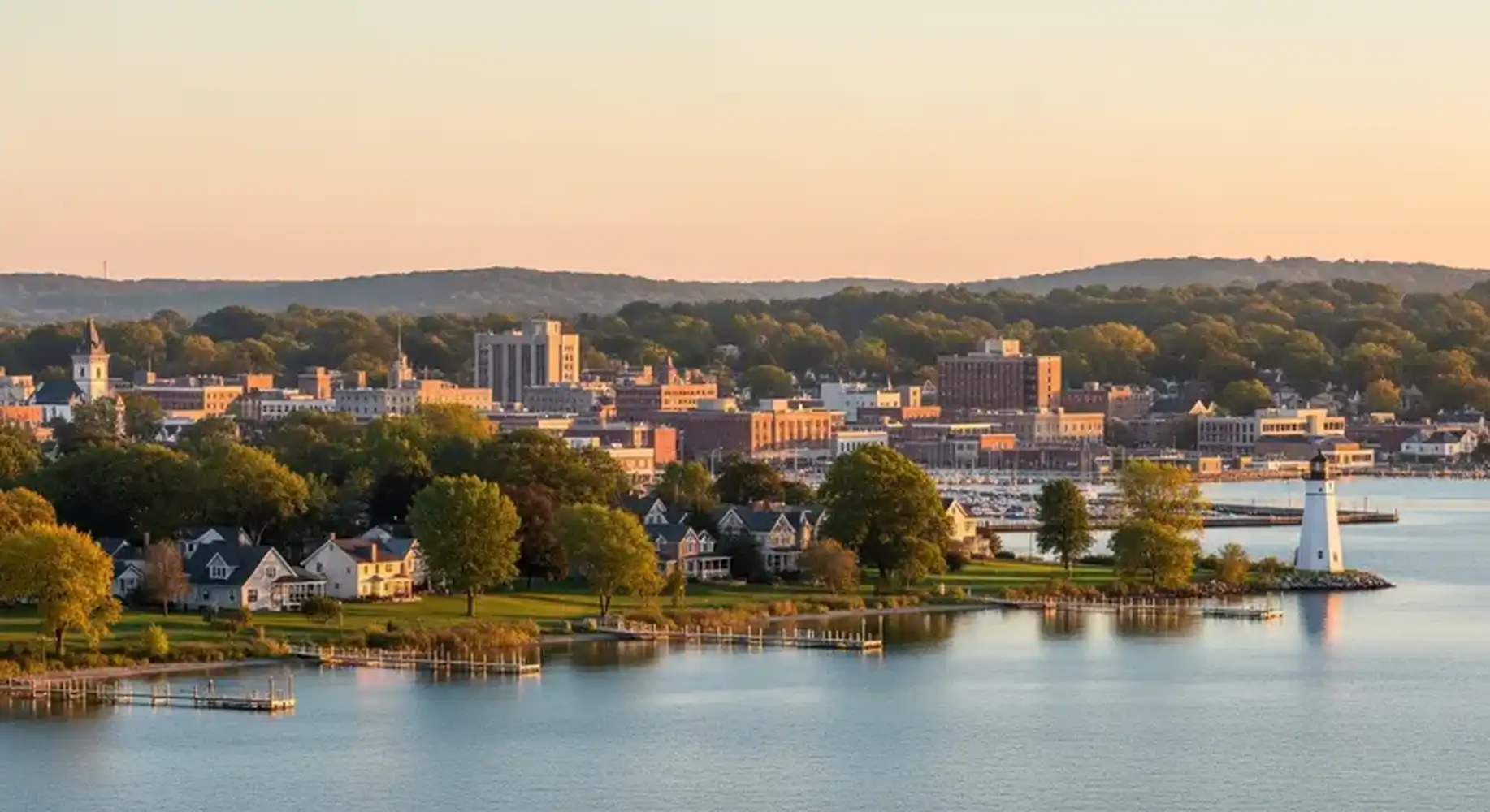
Sitting at the southern tip of Lake Winnebago, Fond du Lac faces a distinct mix of restoration challenges: lake-effect moisture, heavy spring melt, aging housing stock, and a stormy summer season that can drop several inches of rain in a single afternoon. Add long heating seasons that push furnaces, wood stoves, and space heaters to their limits, and the result is a community that needs both water and fire expertise close at hand.
Full-service restoration in the Fond du Lac area covers the entire damage spectrum:
- Water Damage Restoration - burst supply lines, failed water heaters, ice dam leaks, and appliance overflows
- Flooded Basement cleanup - sump pump failures, foundation seepage, and storm surcharge backups
- Sewage Cleanup - sanitary sewer backups, floor drain overflows, and contaminated Category 3 water
- Fire Damage Restoration - structural cleaning, content pack-out, and reconstruction after kitchen, chimney, or electrical fires
- Smoke Damage Restoration - soot removal, odor neutralization, and HVAC decontamination
- Mold Removal - containment, remediation, and moisture-source correction in basements, crawl spaces, and attics
The benefit to local homeowners and business owners is simple: one qualified team handles emergency mitigation, documentation for the insurance claim, and rebuild work - reducing delays and the risk of secondary damage.
Common Damage Restoration Issues in Fond du Lac, Wisconsin
Local geography drives most of the calls. Flat, clay-heavy ground near the lake basin drains slowly, and older neighborhoods sit on combined or undersized storm infrastructure that struggles during cloudbursts.
Frequent Causes of Damage
- Frozen and burst pipes in uninsulated crawl spaces, exterior walls, and unheated garages during subzero snaps
- Sump pump failure or power loss during thunderstorms - one of the leading causes of flooded basements here
- Sewer and floor drain backups when heavy rain surcharges municipal lines
- Ice dams along eaves that force meltwater under shingles and into ceilings
- Kitchen and heating-appliance fires, plus chimney and wood stove incidents in older homes
- Lightning strikes and electrical faults during severe summer storms
- Chronic humidity in fieldstone and block basements leading to mold colonization
Warning Signs Worth Acting On
- Musty odor in the basement, closets, or near the HVAC return
- Efflorescence, chalky white residue, or dark staining on foundation walls
- Buckled flooring, bubbling paint, or ceiling stains that grow after rain
- Persistent smoke odor that returns on humid days after a small fire
- Gurgling floor drains or slow-draining fixtures - often an early sewer backup signal
- Allergy-like symptoms that improve when you leave the house
Acting within the first 24 to 48 hours limits mold growth and often keeps materials restorable rather than replaceable.
Neighborhoods We Serve in Fond du Lac
Coverage extends across the city and surrounding Fond du Lac County communities, including:
- Downtown and the Main Street corridor, with its historic storefronts and upper-level apartments
- Near-lakeshore neighborhoods around Lakeside Park and Supple Marsh
- The Historic District and older west-side blocks with early-1900s homes
- North Fond du Lac and the Winnebago Drive area
- South-side and Fourth Street neighborhoods
- Newer subdivisions on the east and southwest edges of the city
- Surrounding communities: Oakfield, Van Dyne, Rosendale, Eden, Mount Calvary, Campbellsport, Malone, Ripon, Waupun, and Brandon
Rural properties on private wells and septic systems receive the same emergency response, with attention to the added contamination risks that come with septic backups and agricultural runoff.
Seasonal Damage Patterns in Fond du Lac
Winter (December - February)
- Burst pipes during deep freezes and wind chill events
- Ice dams causing ceiling and wall water damage
- Peak fire and smoke damage season - furnaces, dryers, candles, holiday cooking, and space heaters
Spring (March - May)
- Snowmelt combined with saturated clay soil pushing water through foundation cracks
- Flooded basements from sump pump overload
- Sewage backups when melt and rain surcharge sanitary lines
Summer (June - August)
- Severe thunderstorms, hail, and wind-driven rain
- Power outages that disable sump pumps
- High dew points fueling rapid mold growth in basements and crawl spaces
- Lightning-related fires and electrical damage
Fall (September - November)
- Clogged gutters and downspouts directing water toward foundations
- First-use heating system and chimney fires
- Hidden summer moisture surfacing as visible mold once windows close
Housing Characteristics & Restoration Considerations
Fond du Lac's housing stock skews older than the national average, with a large share of homes built before 1960 and a notable cluster of late-1800s and early-1900s residences near downtown and the historic district. Newer construction fills the outer subdivisions.
How Local Construction Shapes Restoration Work
- Fieldstone and rubble foundations - porous, irregular surfaces that hold moisture and complicate basement drying and mold removal
- Balloon-framed homes - open wall cavities allow smoke, soot, and water to travel between floors, requiring careful cavity inspection
- Plaster and lath walls - absorb odor and moisture differently than drywall and often need specialized drying rather than removal
- Clay lateral sewer lines in older neighborhoods - prone to root intrusion and backups that demand professional sewage cleanup
- Finished basements with carpet, paneling, and framed walls - trap water behind surfaces and hide mold growth
- Knob-and-tube or updated-in-layers wiring - a recurring fire origin in unrenovated older homes
- Newer tight-envelope builds - excellent efficiency, but reduced air exchange means moisture and smoke odor linger without mechanical intervention
Historic properties also call for restoration methods that preserve original trim, hardwood, and millwork wherever possible. Content cleaning, controlled demolition, and targeted drying protect character features that cannot be replaced off the shelf.
Environmental Conditions & Damage Implications
The city's position on Lake Winnebago and within a glacial lake plain shapes nearly every moisture-related problem local properties experience.
Climate and Moisture
- Roughly 32 to 34 inches of annual precipitation, much of it in intense summer storms
- Heavy seasonal snowfall that melts quickly during spring thaw cycles
- Summer dew points regularly in the 60s, pushing basement humidity past the 60 percent mold threshold
- Wide freeze-thaw swings that crack foundations, mortar joints, and slabs
Soil and Groundwater
- Dense clay and silty loam soils with poor percolation - water pools against foundations instead of draining away
- Naturally high water tables near the lake and low-lying areas, adding hydrostatic pressure on basement walls
- Shallow bedrock in parts of the county limiting drainage depth
Effect on Restoration Work
- Drying plans must account for humid outdoor air - dehumidification, not ventilation, does the heavy lifting
- Mold removal requires correcting the moisture source, or growth returns within a season
- Sewage cleanup near the lake and rural septic areas calls for full antimicrobial treatment and disposal of porous materials
- Smoke odor lingers longer in humid conditions, making thermal fogging, hydroxyl treatment, or ozone necessary
- Hard, mineral-rich water accelerates water heater and supply line failures that trigger sudden indoor flooding
Working With Your Insurance Claim After Fond du Lac Storm, Fire, or Water Damage
Most restoration projects in Fond du Lac run through a homeowners or commercial policy, and the documentation created in the first hours often determines how smoothly the claim moves. Local crews who understand regional adjusters, common policy language, and Wisconsin building requirements can keep that process on track.
What a Well-Documented Claim Includes
- Emergency contact and scope walk - technicians identify the water category, fire origin area, or mold extent before work begins
- Photo and moisture mapping - readings from walls, subfloor, and framing establish baseline conditions
- Written scope of work - itemized mitigation and reconstruction tasks shared with the adjuster
- Daily drying logs - humidity and material moisture records proving the structure reached dry standard
- Content inventory - salvageable versus non-salvageable items listed for fire and sewage losses
- Final documentation package - clearance information and completion photos submitted for the claim file
Things Fond du Lac Property Owners Should Know
- Standard policies often treat sewer backup and sump pump failure differently than a burst pipe - many carriers require a separate endorsement
- Groundwater seepage and surface flooding are typically excluded without flood coverage, a meaningful gap near the lake basin
- Mold coverage is frequently capped, which makes rapid drying after any water event financially smart
- Smoke odor claims benefit from early air quality documentation before cleaning begins
Local Experience That Matters
- Familiarity with Fond du Lac County permitting and inspection steps for reconstruction
- Knowledge of neighborhood-specific issues like historic district materials and older clay sewer laterals
- 24/7 availability during the storm events and deep freezes that generate simultaneous emergency calls across the county
- Direct communication with you and your adjuster so nothing stalls between mitigation and rebuild





