
Damage Restoration in Eau Claire, WI
- Damage Restoration Services Overview
- Common Damage Restoration Issues in Eau Claire, Wisconsin
- Neighborhoods We Serve in Eau Claire
- Seasonal Damage Patterns in Eau Claire
- Housing Characteristics & Restoration Considerations
- Environmental Conditions & Damage Implications
- What to Expect During a 24/7 Emergency Response in the Chippewa Valley
Damage Restoration Services Overview
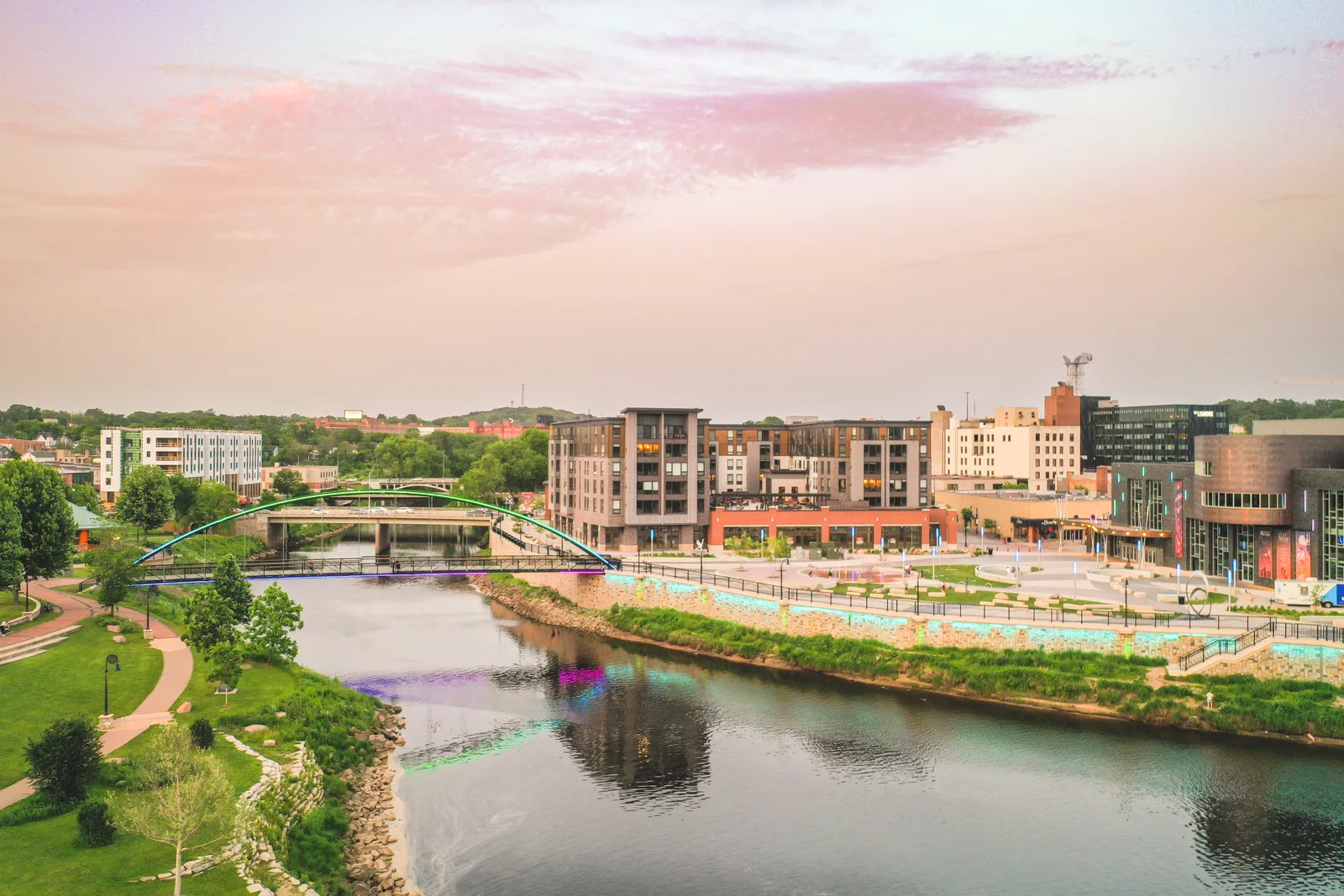
Water spreads through drywall, subfloor, and insulation within minutes, and smoke residues become acidic enough to etch metal and glass within hours. In Eau Claire, where the Chippewa and Eau Claire Rivers meet and winter stretches on for months, a fast response is the difference between drying a room and rebuilding one.
Restoration work here covers a full range of property emergencies:
- Water Damage Restoration - burst supply lines, failed water heaters, leaking appliances, roof and ice dam intrusion
- Flooded Basement - sump pump failures, foundation seepage, river backwater, and spring melt saturation
- Sewage Cleanup - toilet overflows, clogged laterals, and municipal backups that carry biohazards into living space
- Fire Damage Restoration - structural cleaning, soot removal, content pack-out, and reconstruction
- Smoke Damage Restoration - odor neutralization, HVAC decontamination, and residue removal from porous surfaces
- Mold Removal - containment, air filtration, material removal, and moisture source correction
Benefits for Eau Claire property owners are straightforward: less demolition, fewer replaced materials, salvaged belongings, and clear documentation for insurance carriers. Crews work around the clock because basements rarely flood at a convenient hour - and each day of delay multiplies microbial growth risk in a humid Wisconsin summer or a tightly sealed winter home.
Common Damage Restoration Issues in Eau Claire, Wisconsin
Geography and climate drive most losses in the Chippewa Valley. Homes near the river confluence, along Half Moon Lake, and in low-lying older neighborhoods face repeated groundwater pressure, while every home in the county faces sub-zero plumbing risk.
Local Causes
- Frozen and burst pipes in uninsulated crawl spaces, exterior walls, and unheated garages
- Ice dams forcing meltwater under shingles and into ceilings and wall cavities
- Rapid spring snowmelt raising the water table and overwhelming sump systems
- Heavy summer thunderstorms sending surface water toward foundations and window wells
- Sanitary sewer surcharges during intense rainfall, pushing waste into floor drains
- Heating season fires from furnaces, wood stoves, space heaters, and dryer vents
- Kitchen grease fires that deposit smoke film through entire homes via ductwork
Warning Signs Worth Acting On
- Musty odors in basements or near bathroom plumbing walls
- Staining, bubbling paint, or soft spots on baseboards and drywall seams
- Efflorescence - white powdery residue - on block foundation walls
- Gurgling floor drains or slow drainage in multiple fixtures at once
- Soot lines around ceiling fixtures, outlets, and register vents after a small fire
- Persistent smoke odor that intensifies with humidity or when the furnace runs
- Condensation on rim joists or visible growth on stored cardboard boxes
Any of these signals a hidden moisture source. Meters and thermal imaging locate it before demolition begins.
Neighborhoods We Serve in Eau Claire
Response covers the full city and the surrounding Chippewa Valley communities:
- Third Ward and Randall Park - historic homes with stone and block basements
- Downtown and the Water Street district - mixed residential and commercial properties
- East Hill and Putnam Heights - older housing stock near campus
- North Side, Sherman Heights, and Mount Washington
- Princeton Valley and Westridge - newer subdivisions on the west side
- Cannon Hill, Shawtown, and the Half Moon Lake area
Service extends beyond city limits to Altoona, Chippewa Falls, Lake Hallie, Eleva, Fall Creek, Augusta, Osseo, Menomonie, and rural Eau Claire County properties on private wells and septic systems. Crews stage equipment locally so dehumidifiers, air movers, and extraction units reach a flooded basement in Altoona or a sewage backup in Shawtown without waiting on out-of-area dispatch.
Seasonal Damage Patterns in Eau Claire
Restoration demand in Eau Claire follows a predictable annual rhythm:
- December through February - peak frozen pipe season. Sub-zero stretches split supply lines and outdoor spigots. Ice dams form on north-facing roofs. Heating equipment and holiday cooking drive fire and smoke damage calls.
- March and April - snowmelt combined with still-frozen ground sends water toward foundations. Flooded basements and sump pump failures dominate. River levels rise near the confluence.
- May through August - thunderstorms, wind-driven rain, and power outages knock out sump pumps. High dew points push indoor humidity up, triggering mold growth in basements and crawl spaces. Sewer surcharges follow cloudburst rainfall.
- September and October - steady rainfall exposes grading and gutter problems. First furnace startups release smoke odor and occasionally cause fires in neglected systems.
- November - freeze-thaw cycles begin. Vacant cabins and seasonal properties are especially vulnerable to undetected leaks.
Mold removal requests trail water events by two to four weeks, which is why documented drying beats surface cleanup every time.
Housing Characteristics & Restoration Considerations
Eau Claire's housing stock spans well over a century, and each era brings its own restoration challenges.
Pre-1940 Homes
- Common in the Third Ward, Randall Park, and East Hill
- Stone or unreinforced block foundations that wick moisture and seep under hydrostatic pressure
- Plaster and lath walls that hold water differently than drywall and need slower, monitored drying
- Balloon framing that lets smoke, soot, and water travel vertically between floors
- Possible asbestos-containing materials and lead paint requiring testing before demolition
Mid-Century Ranches and Split-Levels
- Finished lower levels with carpet, paneling, and framed walls directly against concrete
- Cast iron drain lines nearing end of service life, increasing sewage backup risk
- Older galvanized supply piping prone to pinhole failures
Newer Construction on the West Side
- Tight building envelopes that trap moisture and concentrate smoke odor
- Engineered wood subfloor and I-joists that degrade quickly when saturated
- Deep egress-window basements that collect surface water during heavy rain
Restoration planning accounts for these differences. A flooded basement in a 1910 stone-foundation home may need controlled demolition of plaster and wall cavity drying, while the same event in a 2005 build often centers on removing wet insulation behind vapor barriers before mold takes hold. Rental duplexes near campus add occupancy and scheduling considerations that affect how quickly containment and drying equipment can be set.
Environmental Conditions & Damage Implications
Local climate and ground conditions shape how damage develops and how restoration is executed.
Climate Factors
- Long, severe winters with extended sub-zero periods that freeze plumbing in poorly insulated spaces
- Substantial annual snowfall that loads roofs and feeds ice dam formation
- Humid continental summers with dew points that keep basements above the 60 percent relative humidity threshold where mold thrives
- Sharp freeze-thaw cycling that cracks foundations, driveways, and exterior mortar joints
Water and Soil Conditions
- Sandy and loamy soils over glacial outwash near the rivers - fast infiltration but a high seasonal water table
- Clay pockets in outlying areas that hold water against foundation walls
- Proximity to the Chippewa and Eau Claire Rivers raising groundwater levels during melt and heavy rain
- Hard municipal water that accelerates scale buildup and water heater failure
- Rural properties on wells and septic systems where backups introduce heavier contamination
Indoor Air Implications
Tight winter homes with limited ventilation concentrate smoke particulates, VOCs from fire residues, and mold spores. That is why restoration includes HEPA air scrubbing, negative-pressure containment, and HVAC cleaning rather than surface wiping alone. Sewage cleanup adds bacterial and viral concerns, requiring removal of porous materials, antimicrobial application, and post-remediation verification before reconstruction starts.
What to Expect During a 24/7 Emergency Response in the Chippewa Valley
Emergencies here rarely arrive on schedule. Basements flood on Saturday nights, pipes let go at three in the morning during a cold snap, and furnace puff-backs coat a house in soot before anyone smells it. Round-the-clock dispatch exists because the first hours determine how much can be saved.
The Response Sequence
- Call and dispatch - basic details are gathered, safety instructions given, and a crew routed to your address.
- Safety and source control - electrical hazards addressed, water shut off, structure evaluated, and board-up or roof tarping installed if the building is open to weather.
- Inspection and documentation - moisture meters, thermal cameras, and photos map the affected area and establish the loss category for your insurer.
- Extraction and removal - standing water pumped out, unsalvageable porous materials removed, contaminated contents separated during sewage losses.
- Drying and stabilization - air movers, dehumidifiers, and specialty drying equipment placed with daily moisture readings recorded until materials reach dry standard.
- Cleaning and deodorization - soot removal, antimicrobial treatment, HVAC cleaning, and odor neutralization using hydroxyl or thermal fogging methods as the situation requires.
- Reconstruction - drywall, flooring, trim, paint, and cabinetry restored so the space matches its pre-loss condition.
How to Help Before Crews Arrive
- Shut off water at the main valve if a supply line has failed
- Keep everyone out of standing water near outlets or panels
- Stay out of sewage-affected areas entirely
- Photograph damage and keep receipts for emergency purchases
- Do not run the furnace or air handler after a fire - it spreads soot
- Move small valuables and photos to a dry upper level if it is safe to do so
Daily monitoring visits continue until readings confirm the structure is dry, and the same team can carry the job through pack-out, storage, and rebuild so you are not coordinating multiple contractors during an already difficult week.





