
Damage Restoration in DeForest, WI
- Damage Restoration Services Overview
- Common Damage Restoration Issues in DeForest, Wisconsin
- Neighborhoods We Serve in DeForest
- Seasonal Damage Patterns in DeForest
- Housing Characteristics & Restoration Considerations
- Environmental Conditions & Damage Implications
- Lake Proximity and Seasonal Flooding Challenges
Damage Restoration Services Overview
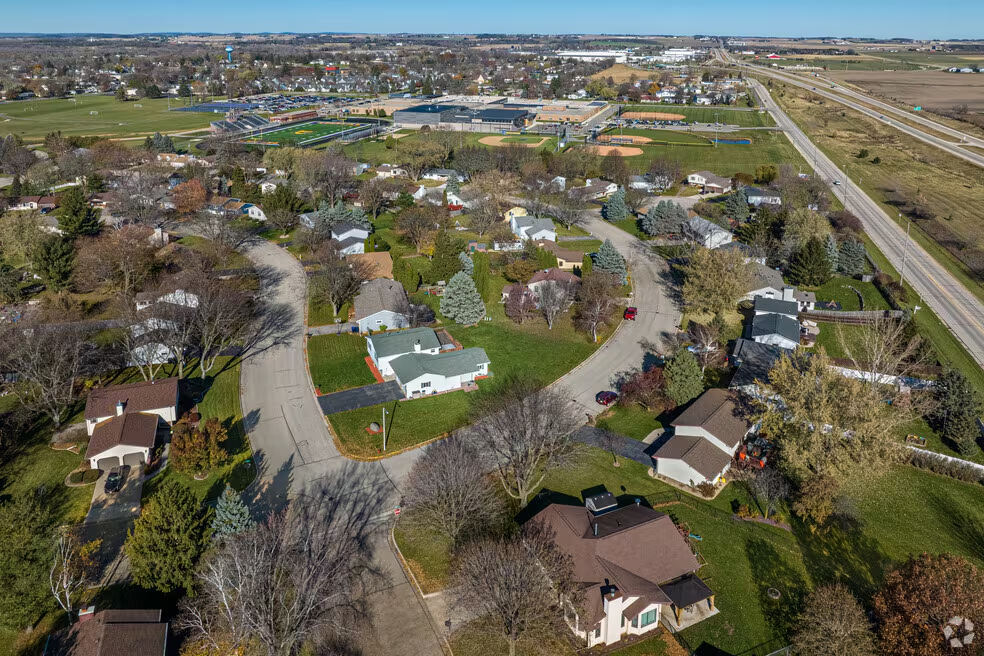
When disaster strikes your DeForest property, how quickly can you restore normalcy to your life? Property damage from water, fire, or contamination can disrupt everything you hold dear, but professional restoration services can help you reclaim your space efficiently and safely.
A&J Property Restoration provides comprehensive damage restoration services throughout DeForest, Wisconsin, addressing the full spectrum of property emergencies. Our specialized services include:
- Water damage restoration for burst pipes, flooding, and storm damage
- Flooded basement cleanup and structural drying
- Sewage cleanup and sanitization for health protection
- Fire damage restoration from emergency board-up to complete reconstruction
- Smoke damage restoration including odor elimination
- Mold removal and remediation for safer indoor air quality
DeForest residents benefit from our rapid response times and local expertise. We understand the unique challenges posed by Wisconsin's climate and housing characteristics, allowing us to tailor restoration approaches to your specific situation.
Our restoration process combines advanced equipment with proven techniques to minimize damage spread and reduce recovery time. From initial assessment through final reconstruction, we handle every aspect of property restoration, helping you navigate insurance claims while focusing on returning your property to pre-loss condition.
Common Damage Restoration Issues in DeForest, Wisconsin
DeForest's location in south-central Wisconsin creates specific conditions that contribute to various property damage scenarios. The area's proximity to Lake Mendota and numerous wetlands increases moisture-related challenges throughout the year.
Water damage frequently occurs from multiple sources:
- Basement flooding during spring snowmelt and heavy rainfall periods
- Frozen pipe bursts during harsh winter months
- Storm damage from severe thunderstorms and occasional tornadoes
- Foundation seepage due to high water tables near lake areas
- Appliance failures in older homes with aging plumbing systems
Fire and smoke damage incidents often stem from:
- Heating system malfunctions during extended winter heating periods
- Electrical issues in homes with outdated wiring
- Chimney fires from wood-burning stoves and fireplaces
- Kitchen accidents and grease fires
Mold growth becomes problematic due to Wisconsin's humid summers and poor ventilation in basements. Sewage backups occur frequently during heavy rain events when municipal systems become overwhelmed.
Warning signs requiring immediate attention include musty odors, visible water stains, peeling paint, warped flooring, and unexplained increases in utility bills. Early detection prevents minor issues from becoming major restoration projects.
Neighborhoods We Serve in DeForest
Our restoration services cover all areas of DeForest and surrounding communities throughout Dane County. We regularly respond to calls in established neighborhoods near Highway 51 and newer developments along the expanding residential corridors.
Service areas include:
- Downtown DeForest historic district with older commercial buildings
- Residential subdivisions near DeForest Area High School
- Rural properties along County Road V and surrounding farm areas
- New construction developments in the northern expansion zones
- Lakefront properties near Lake Waubesa and surrounding waterways
We also serve nearby communities including Windsor, Dane, and parts of northern Madison. Our local presence means faster response times and familiarity with area-specific challenges like soil conditions, municipal water systems, and local building codes that affect restoration procedures.
Seasonal Damage Patterns in DeForest
DeForest experiences distinct seasonal damage patterns that property owners should anticipate throughout the year. Understanding these cycles helps with prevention and preparedness planning.
Spring damage typically involves:
- Basement flooding from rapid snowmelt and spring rains
- Foundation issues as ground thaws and shifts
- Roof damage from ice dam formations and winter weather stress
Summer brings different challenges:
- Storm damage from severe thunderstorms and potential tornadoes
- Mold growth in humid conditions, especially in basements
- Air conditioning failures leading to moisture problems
Fall preparation period sees:
- Heating system issues as furnaces restart after summer dormancy
- Chimney and fireplace problems from accumulated debris
- Plumbing stress as temperatures begin dropping
Winter damage includes:
- Frozen pipe bursts during sub-zero temperature periods
- Fire incidents from increased heating system usage
- Carbon monoxide issues from blocked vents and chimneys
Peak restoration periods occur during spring thaw and mid-winter freeze cycles when temperature fluctuations stress building systems most severely.
Housing Characteristics & Restoration Considerations
DeForest's housing stock reflects Wisconsin's building traditions and climate adaptations, with most homes constructed between 1970 and 2010. This mix of established and newer properties creates specific restoration considerations for different damage types.
Older homes (1950s-1980s) commonly feature:
- Basement construction with poured concrete or concrete block foundations
- Original plumbing systems requiring careful water damage assessment
- Older electrical systems increasing fire risk potential
- Limited insulation contributing to ice dam formation and pipe freezing
- Original hardwood flooring susceptible to water damage
Newer construction (1990s-present) typically includes:
- Improved moisture barriers but potential for construction defect issues
- Modern HVAC systems requiring specialized smoke damage cleaning
- Engineered flooring materials with different restoration requirements
- Better insulation but potential for trapped moisture problems
Ranch-style homes dominate the area, with full basements that require specific flood restoration techniques. Two-story homes present unique challenges for smoke damage restoration due to heat and smoke rise patterns.
Many properties feature attached garages, creating potential pathways for fire and smoke spread. Restoration planning must account for these architectural features to prevent secondary damage during cleanup and reconstruction phases.
Environmental Conditions & Damage Implications
DeForest's environmental conditions significantly influence damage restoration approaches and long-term property protection strategies. The area's continental climate creates temperature extremes that stress building materials and systems throughout the year.
Climate factors affecting restoration include:
- Average annual precipitation of 32 inches creating consistent moisture challenges
- Winter temperatures dropping to -10°F causing pipe freeze risks
- Summer humidity levels reaching 80% promoting mold growth
- Temperature swings of 60+ degrees stressing building materials
Soil conditions around DeForest feature clay-rich compositions that retain moisture and contribute to basement seepage problems. The high water table near lake areas increases hydrostatic pressure against foundation walls, making waterproofing essential for flood prevention.
Air quality considerations include:
- Seasonal pollen affecting indoor air quality during restoration
- Agricultural dust from surrounding farm operations
- Occasional smoke from prescribed burns in nearby natural areas
Water quality from municipal sources generally rates excellent, but well water in rural areas may contain minerals that affect cleaning processes during sewage cleanup and water damage restoration. Iron content in some wells can cause staining issues during restoration work.
These environmental factors require specialized equipment and techniques for effective moisture control, air purification, and contamination removal during all phases of damage restoration.
Lake Proximity and Seasonal Flooding Challenges
DeForest's proximity to Lake Waubesa and numerous wetlands creates unique restoration challenges that require specialized local expertise. The area's position in the Yahara River watershed means properties face elevated flood risks during spring snowmelt and severe storm events.
Seasonal flooding patterns affect restoration approaches significantly:
- Spring runoff from surrounding agricultural areas carries sediment and contaminants
- Storm water management systems can become overwhelmed during heavy rainfall
- Groundwater levels fluctuate seasonally, affecting basement moisture control
- Ice formation on nearby water bodies can cause unusual drainage patterns
Properties near water features require enhanced moisture monitoring and specialized drying techniques. Basement flooding often involves contaminated water from overwhelmed storm sewers, requiring comprehensive sewage cleanup protocols even when the source appears clean.
Mold remediation becomes particularly challenging in lake-adjacent properties due to consistently elevated humidity levels. Standard drying timeframes often extend by 24-48 hours to account for ambient moisture from nearby water sources.
Fire damage restoration near water areas presents unique considerations:
- Higher humidity slows natural drying processes
- Smoke particles settle differently in moist air conditions
- Water access for firefighting can cause secondary water damage
- Corrosion rates increase due to moisture exposure
Successful restoration in these environments requires moisture management strategies that account for external humidity sources. Dehumidification equipment must work harder and longer, while air circulation patterns need adjustment for lakefront properties. Understanding these local conditions helps property owners prepare for potential damage scenarios and enables restoration professionals to develop effective recovery strategies tailored to DeForest's unique environmental challenges.





