
Damage Restoration in DuBois, PA
- Damage Restoration Services Overview
- Common Damage Restoration Issues in DuBois, Pennsylvania
- Neighborhoods We Serve in DuBois
- Seasonal Damage Patterns in DuBois
- Seasonal Damage Patterns in DuBois
- Housing Characteristics & Restoration Considerations
- Environmental Conditions & Damage Implications
- Emergency Response and the Full Restoration Timeline in DuBois
Damage Restoration Services Overview
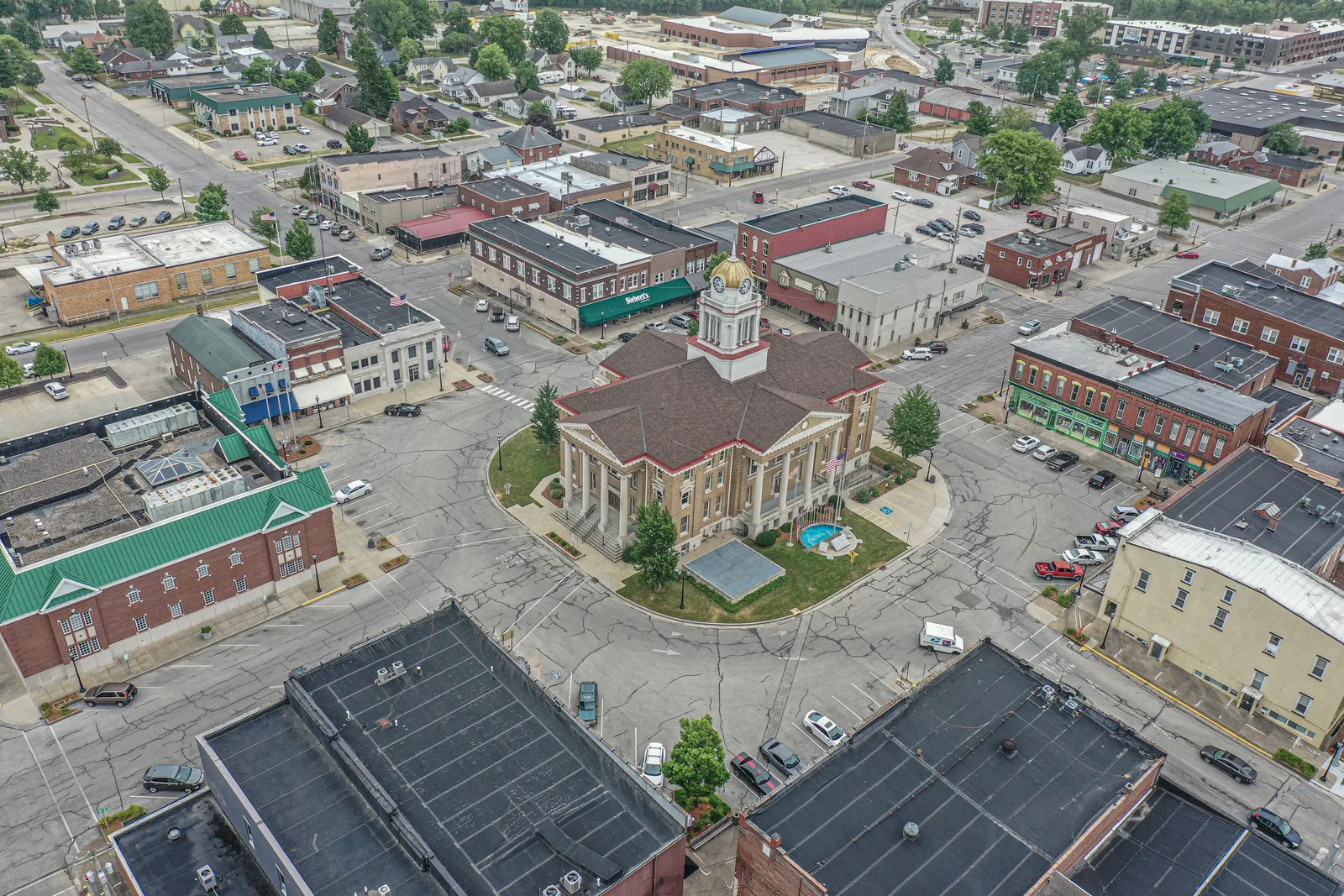
You wake up to the sound of running water in the basement, or you smell something acrid drifting through the hallway after a kitchen mishap. In DuBois, where freeze-thaw cycles, aging pipes, and heavy Clearfield County rainfall all put pressure on homes, these moments arrive without warning. Fast, organized response is what keeps a bad morning from becoming a months-long rebuild.
Restoration work in this part of central Pennsylvania covers a connected set of problems, and most emergencies involve more than one:
- Water Damage Restoration - burst supply lines, failed water heaters, roof leaks, and appliance overflows
- Flooded Basement - sump pump failures, hydrostatic pressure through block foundations, and storm runoff
- Sewage Cleanup - main line backups, septic surcharge, and contaminated black water removal
- Fire Damage Restoration - structural cleaning, debris removal, board-up, and reconstruction
- Smoke Damage Restoration - soot removal from surfaces, contents, and HVAC systems plus odor neutralization
- Mold Removal - containment, remediation, and correction of the moisture source feeding growth
The benefit of handling these under one roof is continuity. One team documents the loss, dries the structure, cleans contaminated materials, and rebuilds - so DuBois homeowners are not chasing separate contractors while insurance deadlines tick by.
Common Damage Restoration Issues in DuBois, Pennsylvania
DuBois sits on the Allegheny Plateau at roughly 1,400 feet, with hilly terrain, clay-heavy soils, and a housing stock that includes many pre-1960 homes. That combination produces predictable failure points.
Local Causes of Damage
- Freeze-thaw pipe bursts - unheated crawl spaces, garage walls, and older uninsulated exterior runs split during January and February cold snaps
- Hillside runoff - properties below grade collect stormwater that overwhelms footer drains and window wells
- Sump pump failure - power outages during summer thunderstorms leave basements unprotected exactly when groundwater peaks
- Combined and aging sewer lines - heavy rain can surcharge municipal mains, pushing wastewater back through floor drains and basement fixtures
- Heating equipment fires - wood stoves, coal furnaces, and space heaters used through long winters are frequent ignition sources
- Puffback events - misfiring oil furnaces coat interiors in fine, greasy soot
Warning Signs Worth Acting On
- Musty odor in the basement or lowest level, especially after rain
- White efflorescence or dark staining along block foundation walls
- Slow floor drains, gurgling toilets, or sewer gas smells
- Peeling paint, cupped hardwood, or soft drywall near baseboards
- Persistent smoke odor that returns on humid days after a small fire
- Visible mold at window sills, behind furniture on exterior walls, or in closets
Catching any of these early usually means drying and cleaning rather than demolition and reconstruction.
Neighborhoods We Serve in DuBois
Service extends across the City of DuBois and the surrounding townships of Clearfield, Jefferson, and Elk counties.
- Downtown DuBois - older brick commercial buildings and converted upper-floor apartments
- West End and Sandy Township - mid-century ranches and split-levels with finished basements
- Treasure Lake - lakefront and wooded properties with crawl spaces, wells, and seasonal use patterns
- Falls Creek and Reynoldsville - older borough housing with stone and block foundations
- Luthersburg, Rockton, and Penfield - rural homes on septic systems and private wells
- Brockway, Sykesville, and Big Run - established neighborhoods with aging sewer laterals
- Punxsutawney and Clearfield corridors along Route 219 and Interstate 80
Rural addresses off Shaffer Road, Beaver Drive, and the back roads toward Parker Dam get the same response priority as in-town properties.
Seasonal Damage Patterns in DuBois
Seasonal Damage Patterns in DuBois
Each season brings a different dominant emergency in this region, and knowing the pattern helps homeowners prepare.
- December through February - Peak pipe freeze and burst season. Heating system fires and chimney fires cluster here, along with smoke and soot damage from wood stoves and furnace puffbacks.
- March and April - Snowmelt over still-frozen ground drives flooded basements and foundation seepage. Sump pumps run continuously, and failures are common.
- May through July - Thunderstorms bring flash runoff, power outages, and sewage backups when storm volume overwhelms lines. Rising humidity accelerates mold growth in any space that stayed damp through spring.
- August and September - Warm, humid air plus cool basement surfaces creates condensation. This is the heaviest window for mold remediation calls and lingering musty odors.
- October and November - Leaf-clogged gutters and downspouts redirect water to foundations. Heating equipment restarts after months idle, producing the first soot and smoke incidents of the season.
Scheduling gutter cleaning in late October, testing the sump pump in early March, and having the furnace serviced before the first hard freeze eliminates a large share of these losses.
Housing Characteristics & Restoration Considerations
A large share of DuBois housing predates 1960, with a significant cluster built during the lumber and coal boom of the early 1900s. Construction style directly shapes how a restoration project unfolds.
Common Construction Types and What They Mean
- Stone and rubble foundations - porous and prone to seepage; drying requires longer dehumidification cycles and often interior drainage correction
- Concrete block basements - hollow cores hold water invisibly, so cavity drying equipment is used rather than surface fans alone
- Balloon-frame walls in older homes - open stud bays let water travel down and smoke travel up between floors, requiring inspection well beyond the visible damage area
- Plaster and lath - holds moisture longer than drywall and can often be saved with controlled drying instead of removal
- Knob-and-tube or early wiring - demands careful de-energizing before water extraction begins
- Finished basements with carpet and paneling - common in 1970s and 1980s Sandy Township homes and among the highest mold-risk assemblies after any flooding
Restoration Adjustments
- Moisture mapping with meters and thermal imaging before any demolition decision
- Asbestos and lead-safe protocols on pre-1978 materials disturbed during fire or water repairs
- Sealing and encapsulating porous masonry after sewage contact rather than surface wiping
- HVAC and ductwork cleaning in older homes where soot circulates through a single return system
Environmental Conditions & Damage Implications
DuBois receives well over 40 inches of precipitation annually plus substantial snowfall, and the humid continental climate keeps summer dew points high. Those conditions define how quickly damage escalates.
Climate and Moisture
- Long, cold winters with repeated freeze-thaw cycles that crack foundations and split pipes
- Humid summers where indoor relative humidity easily exceeds the 60 percent threshold that supports mold colonization
- Heavy spring snowmelt combined with saturated ground and limited absorption capacity
Soil and Groundwater
- Clay and silt loam soils drain slowly and expand when wet, increasing hydrostatic pressure against basement walls
- Plateau topography channels runoff downhill toward homes sited on slopes
- Historic mining activity in parts of the region can affect groundwater chemistry and iron content, staining materials during flooding
- Rural properties on septic systems face surcharge risk when saturated drain fields cannot accept flow
Air Quality Effects
- Tight, weatherized homes trap smoke odor and moisture without adequate ventilation
- Wood and coal heating contributes particulate that settles on surfaces and reactivates odor after fire events
- Mold spore counts rise in late summer, worsening symptoms for residents with asthma or allergies
Restoration plans account for all of it - HEPA filtration during demolition, negative air containment for mold and sewage work, and dehumidification sized to the actual moisture load rather than a generic room count.
Emergency Response and the Full Restoration Timeline in DuBois
The gap between discovering damage and starting mitigation determines how much of a home survives. Water migrates into subfloors within hours, sewage contamination spreads with every footstep, and smoke residue becomes acidic and corrosive to metal and finishes within a day or two. A single provider managing the entire sequence removes the delays that cause secondary damage.
What a Complete Project Looks Like
- Emergency contact and dispatch - crews reach DuBois addresses and outlying townships around the clock, including during storms and outages
- Safety assessment - electrical hazards, structural stability, and contamination category are established before entry
- Extraction and stabilization - standing water pumped out, sewage-affected porous materials removed, fire debris cleared, and openings boarded or tarped
- Documentation - moisture readings, photographs, and inventory recorded for the insurance claim from day one
- Drying and cleaning - air movers, commercial dehumidifiers, antimicrobial treatment, soot removal, and content cleaning
- Odor and air treatment - hydroxyl or ozone processing, thermal fogging where appropriate, and duct cleaning
- Mold remediation - containment barriers, HEPA filtration, removal of colonized material, and correction of the underlying moisture source
- Reconstruction - drywall, flooring, trim, paint, and cabinetry restored to pre-loss condition
Why Continuity Matters Here
- Rural DuBois properties may have well and septic systems needing coordinated inspection after flooding
- Insurance adjusters work faster with one consistent set of moisture logs and photos
- Preventive upgrades - battery backup sump pumps, backflow valves, exterior grading - can be built into the repair phase
- Homeowners deal with one point of contact instead of coordinating four trades
The result is a home returned to a dry, clean, odor-free condition with the vulnerability that caused the loss addressed rather than covered back up.





