
Damage Restoration in Tyrone, PA
- Damage Restoration Services Overview
- Common Damage Restoration Issues in Tyrone, Pennsylvania
- Neighborhoods We Serve in Tyrone
- Seasonal Damage Patterns in Tyrone
- Housing Characteristics & Restoration Considerations
- Environmental Conditions & Damage Implications
- Working With Insurance and Understanding Your Restoration Scope in Tyrone
Damage Restoration Services Overview
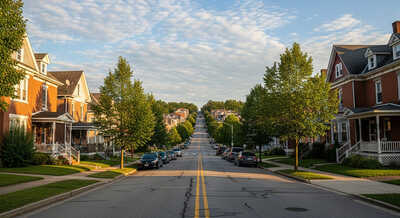
Water spreads through a Tyrone home in minutes, but the damage it leaves behind can take months to correct if the response is slow. Every hour that passes after a burst pipe, chimney fire, or sewer backup increases the chance that porous materials absorb contamination and that mold colonies take hold behind walls.
Restoration work in Blair County covers a connected set of specialties, each addressing a different type of loss:
- Water Damage Restoration - extraction, structural drying, and moisture mapping after supply line breaks, appliance failures, and roof leaks
- Flooded Basement - pumping standing water, drying block foundations, and correcting drainage that let water in
- Sewage Cleanup - removal of Category 3 contamination, disinfection, and safe disposal of affected porous materials
- Fire Damage Restoration - debris removal, structural stabilization, and cleaning of charred surfaces
- Smoke Damage Restoration - soot removal from framing and contents, plus odor treatment for lingering smells
- Mold Removal - containment, HEPA filtration, and removal of colonized drywall, insulation, and wood
Local benefits for Tyrone households include faster arrival times from crews familiar with borough housing stock, documentation formatted for insurance adjusters, and free estimates from locally owned, licensed and insured providers who understand older Pennsylvania construction.
Common Damage Restoration Issues in Tyrone, Pennsylvania
Tyrone's position along the Little Juniata River, combined with its ridge-and-valley terrain, drives most of the property damage local crews respond to. Runoff from surrounding hillsides collects quickly during heavy rain, pushing water toward foundations that were never sealed against hydrostatic pressure.
Frequent Causes of Loss
- Frozen and burst supply lines in uninsulated crawlspaces and basement rim joists
- Sump pump failure during power outages tied to summer thunderstorms
- Sanitary sewer backups when combined stormwater overwhelms borough lines
- Chimney and flue fires in homes still using wood stoves or supplemental heat
- Kitchen grease fires that push smoke and soot through entire floor plans
- Slow plumbing leaks under sinks that feed hidden mold growth
- Roof and gutter overflow saturating attic insulation and exterior walls
Warning Signs Worth Acting On
- Musty, earthy odors in basements or closets that persist after cleaning
- Efflorescence, the white chalky residue on block walls, signaling ongoing moisture
- Cupping or buckling hardwood floors near exterior walls
- Tide lines or discoloration on drywall a few inches above the floor
- Gurgling floor drains or slow-draining fixtures before a full sewer backup
- Soot film on window glass, curtains, or the tops of door frames after any fire
- Recurring allergy symptoms that improve when occupants leave the house
Catching any of these early usually narrows the scope of work from full reconstruction to targeted drying and cleaning.
Neighborhoods We Serve in Tyrone
Coverage extends across the borough and the rural townships that surround it, with crews familiar with both dense in-town streets and outlying properties on well and septic systems.
- Downtown Tyrone - Pennsylvania Avenue, Logan Avenue, and the older brick commercial and residential blocks
- Adams and Snyder Township areas - larger lots, private wells, and septic-related cleanup needs
- Tyrone Heights and the hillside streets - homes affected by slope runoff and grading issues
- Ironville and the river-adjacent neighborhoods - properties near the Little Juniata prone to basement seepage
- Grazierville, Bald Eagle, and Warriors Mark
- Sandy Ridge, Port Matilda, and Bellwood
- Birmingham, Tipton, and surrounding Blair and Huntingdon County communities
Response also reaches Altoona and the greater I-99 corridor when larger losses require additional equipment and manpower.
Seasonal Damage Patterns in Tyrone
Each season in central Pennsylvania brings a distinct restoration pattern, and knowing the cycle helps homeowners prepare before the call becomes an emergency.
- December through February - Frozen pipes dominate. Deep cold snaps split supply lines in crawlspaces and exterior walls, while ice dams push meltwater under shingles. Heating equipment and wood stove use drive the year's peak in fire and smoke damage calls.
- March and April - Snowmelt combined with spring rain saturates soil, producing the heaviest volume of flooded basement and foundation seepage work. Sump pumps run continuously and often fail.
- May through August - Humidity climbs and thunderstorms deliver intense short-duration rainfall. Mold growth accelerates in basements and crawlspaces, and storm-driven sewer surcharges cause backups into floor drains.
- September and October - Remnants of tropical systems occasionally track through the region, bringing sustained rain and roof leaks. This is prime season for pre-winter moisture inspections.
- November - First heating season fires appear as furnaces, flues, and chimneys are restarted after months idle.
Housing Characteristics & Restoration Considerations
Tyrone's housing stock skews older than the national average, with a large share of homes built before 1940 during the borough's paper mill and railroad era. That age directly shapes how restoration is approached.
Construction Features That Affect the Work
- Stone and rubble foundations - permeable by design, they wick moisture and complicate basement drying
- Balloon framing - open wall cavities let water travel down and smoke travel up between floors
- Plaster over wood lath - holds moisture longer than drywall and requires slower, controlled drying
- Dirt-floor or partial crawlspaces - a constant source of ground moisture feeding mold in the floor system above
- Cast iron and galvanized drain lines - corrosion and root intrusion increase sewage backup risk
- Knob-and-tube or aged wiring - a recognized ignition source and a safety concern during any fire assessment
- Row homes and shared walls downtown - smoke and water migrate between attached units
What This Means for Restoration
- Pre-1978 homes require lead-safe practices during demolition; pre-1980 materials may contain asbestos in tile, insulation, and duct wrap
- Historic trim and millwork often justify cleaning and restoration rather than replacement
- Older insulation, once wet, rarely dries in place and typically needs removal
- Drying plans must account for low ceiling heights, limited access, and narrow stairwells when placing equipment
Environmental Conditions & Damage Implications
The local climate keeps indoor humidity high for much of the year, which is why mold remediation and water damage work are so closely linked in this part of Pennsylvania.
Climate and Moisture
- Roughly 40 inches of annual precipitation plus meaningful winter snowfall, both feeding basement infiltration
- Summer dew points regularly in the 60s, pushing basement relative humidity past the 60 percent threshold where mold thrives
- Sharp freeze-thaw cycling that cracks foundation mortar and concrete, creating new entry points each spring
Soil and Water Conditions
- Clay-heavy and shale-derived soils drain slowly and hold water against foundation walls
- Limestone bedrock in parts of the valley creates unpredictable subsurface water movement
- Hard, mineral-rich water accelerates pinhole leaks in copper lines and scale buildup in fixtures
- Rural properties on septic systems face backup risk when saturated drain fields cannot accept flow
Air Quality Factors
- Elevated seasonal pollen and the region's history of radon require attention to how air is moved during drying
- Wood smoke from supplemental heating settles into soft goods and HVAC systems
- Negative air machines with HEPA filtration keep spores and soot from spreading beyond the work area
These conditions favor drying plans that address the source of moisture, not just the visible water, and remediation that includes crawlspace encapsulation or drainage correction when appropriate.
Working With Insurance and Understanding Your Restoration Scope in Tyrone
The biggest source of frustration after a loss is not the damage itself - it is not knowing what is covered, what is being removed, and why. Clear documentation from the first walkthrough prevents disputes later.
What a Transparent Process Looks Like
- Free on-site estimate - a technician inspects affected areas, uses moisture meters and thermal imaging, and explains findings in plain language before any work begins
- Written scope - line-item documentation of what will be extracted, removed, cleaned, and dried, with photos of pre-existing conditions
- Water category and damage class - identifying whether the loss is clean water, gray water, or sewage determines what can be salvaged and what must be discarded
- Daily monitoring logs - moisture readings recorded each day so drying progress is measurable rather than assumed
- Insurance coordination - estimates prepared in industry-standard formats adjusters recognize, with direct communication when questions arise
- Clearance documentation - post-remediation verification for mold projects and final moisture readings for water losses
Coverage Points Tyrone Homeowners Should Confirm
- Standard policies typically cover sudden and accidental water discharge, such as a burst pipe, but not gradual seepage
- Groundwater flooding usually requires separate flood coverage, which matters for properties near the Little Juniata
- Sewer and drain backup is often an endorsement that must be added, not automatic coverage
- Fire and smoke damage is generally well covered, including smoke odor treatment and contents cleaning
- Mold coverage is frequently capped, which makes documenting the originating water event important
Ask any contractor to explain their drying plan, their equipment placement, and their criteria for calling a structure dry. Reputable local companies - including licensed and insured operations serving Tyrone and surrounding areas, along with 24-hour providers reachable at 814-433-2223 - should welcome those questions and answer them before the first piece of equipment is set.





