
Damage Restoration in Hollidaysburg, PA
- Damage Restoration Services Overview
- Common Damage Restoration Issues in Hollidaysburg, Pennsylvania
- Neighborhoods We Serve in Hollidaysburg
- Seasonal Damage Patterns in Hollidaysburg
- Seasonal Damage Patterns in Hollidaysburg
- Housing Characteristics & Restoration Considerations
- Environmental Conditions & Damage Implications
- Sewage Backups and Basement Flooding in Hollidaysburg's Older Sewer Areas
Damage Restoration Services Overview
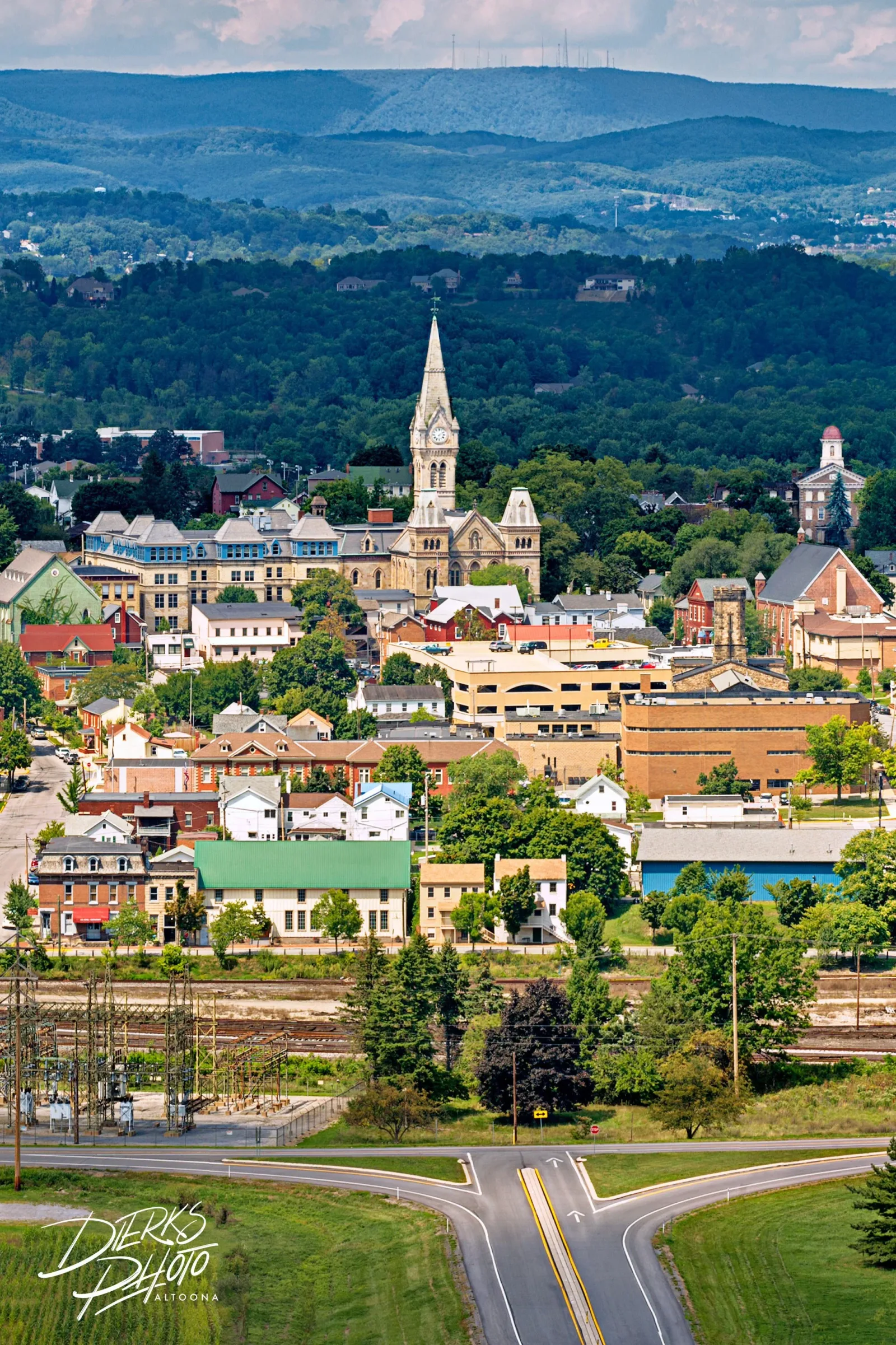
Water that sits for a weekend becomes a mold problem that lingers for years. Smoke residue left on drywall keeps releasing odor long after the flames are out, and untreated sewage backups leave bacteria in subfloors and framing that no amount of surface cleaning will reach. In Hollidaysburg, where many homes sit on older stone or block foundations, delayed response often turns a contained loss into a full structural rebuild.
Havok Restoration handles the full spectrum of property damage across Blair County with one team and one process:
- Water Damage Restoration - extraction, structural drying, and moisture mapping after burst pipes, appliance failures, and roof leaks
- Flooded Basement Cleanup - pumping standing water, drying block walls and slabs, and treating affected contents
- Sewage Cleanup - removal of contaminated material, antimicrobial treatment, and disinfection of affected surfaces
- Fire Damage Restoration - debris removal, soot cleaning, structural stabilization, and reconstruction
- Smoke Damage Restoration - residue removal from surfaces and HVAC systems plus odor neutralization
- Mold Removal - containment, source correction, and safe removal of colonized materials
Benefits for Hollidaysburg homeowners include faster drying times, fewer materials lost to demolition, documented moisture readings for insurance claims, and a healthier indoor environment once work is finished.
Common Damage Restoration Issues in Hollidaysburg, Pennsylvania
Hollidaysburg sits where the Beaverdam Branch and Frankstown Branch meet to form the Juniata River, and that low ground shapes most of the damage calls in the borough.
Local Causes We See Repeatedly
- Heavy summer thunderstorms overwhelming downspouts and window wells on Allegheny Street area homes
- Spring snowmelt combined with rain saturating soil around older stone foundations
- Municipal and private sewer line surcharges during intense rainfall, pushing waste back into basement floor drains
- Frozen and burst supply lines in unheated crawl spaces and second-floor bathrooms during January cold snaps
- Chimney and wood stove fires in older homes still using original flues
- Kitchen grease fires that spread smoke residue through open stairwells and forced-air ductwork
Warning Signs Worth Acting On
- Efflorescence - white chalky powder - on basement block walls, signaling ongoing moisture migration
- A musty odor that strengthens when the HVAC system runs, often pointing to mold in ducts or under carpet pad
- Sewer gas smell near floor drains, which frequently precedes a full backup
- Bubbling paint, soft baseboards, or cupped hardwood on first floors above crawl spaces
- Soot streaks above outlets and door frames after a small fire, indicating residue traveled further than expected
- Persistent smoke odor that returns on humid days even after cleaning
Neighborhoods We Serve in Hollidaysburg
Our crews respond throughout the borough and the surrounding townships of Blair County.
- Downtown Hollidaysburg - historic brick rowhomes and commercial buildings near the Diamond and the Blair County Courthouse
- Gaysport - riverside properties with elevated basement flooding exposure
- Newry and Duncansville - older single-family homes along Route 22 and Route 764
- Frankstown Township - larger lots, private wells, and septic systems
- Blair Township and Geeseytown - rural properties with sump-dependent basements
- Foot of Ten and Chimney Rocks area - hillside homes with slope drainage concerns
- Roaring Spring, Claysburg, and Martinsburg - southern Blair County communities
- Altoona, Bellwood, and Tyrone - full service coverage across the greater Altoona region
Seasonal Damage Patterns in Hollidaysburg
Seasonal Damage Patterns in Hollidaysburg
Central Pennsylvania's four distinct seasons each bring their own restoration workload.
- December through February - frozen pipe bursts peak, ice damming pushes meltwater into attics and exterior walls, and heating equipment fires rise sharply. Space heaters and overloaded circuits drive many smoke damage calls.
- March and April - snowmelt plus spring rain saturates soil, producing the year's heaviest volume of flooded basements and sump pump failures. Sewer backups follow the same storms.
- May through August - severe thunderstorms bring wind-driven rain, roof leaks, and flash flooding along the Juniata branches. High humidity accelerates mold growth in any space that stays damp more than a day or two.
- September and October - remnants of tropical systems occasionally track through the ridge and valley region, producing prolonged rainfall. Mold discovered during fall cleaning is common as summer moisture reveals itself.
- November - first heating cycles push dust and residue through ductwork, and chimney fires increase as wood stoves return to use.
Scheduling gutter cleaning, sump pump testing, and chimney inspection ahead of each seasonal shift prevents a large share of these losses.
Housing Characteristics & Restoration Considerations
Hollidaysburg's housing stock skews old by national standards, with a large share of homes built before 1940 and a meaningful cluster of nineteenth-century structures tied to the canal and railroad era.
Common Construction Types
- Brick and stone rowhomes near the borough center, often sharing party walls that let water and smoke travel between units
- Balloon-framed Victorians where open wall cavities allow fire, smoke, and moisture to move from basement to attic unchecked
- Post-war ranches and Cape Cods in Blair and Frankstown Townships with block foundations and finished basements
- Newer subdivisions with poured concrete walls, sump systems, and engineered floor trusses
How Age Affects Restoration
- Plaster and lath holds water far longer than drywall and requires extended drying or selective removal.
- Stone foundations wick groundwater continuously, so basement drying must address the source, not just the puddle.
- Homes built before the late 1970s may contain asbestos in floor tile, pipe wrap, and mastic, plus lead paint - testing comes before demolition.
- Original hardwood floors often can be dried in place with specialized floor drying mats rather than replaced.
- Knob-and-tube or updated-in-patches wiring raises fire risk and complicates post-fire reconstruction.
- Older cast iron and clay sewer laterals crack and root-intrude, driving repeat sewage backups until the line itself is repaired.
Environmental Conditions & Damage Implications
Hollidaysburg's setting in the ridge and valley province of central Pennsylvania creates conditions that both cause damage and complicate drying.
Climate and Humidity
- Roughly 40 inches of annual precipitation, spread fairly evenly across the year
- Summer dew points frequently in the 60s, which slows evaporation and makes dehumidification the controlling factor in structural drying
- Freeze-thaw cycling from November into March that opens mortar joints and foundation cracks
- Winter heating that drops indoor humidity, driving smoke odor deep into porous materials before it is treated
Soil, Water, and Air
- Limestone bedrock and karst features in parts of the valley create unpredictable groundwater movement and occasional sinkhole-related drainage problems
- Clay-heavy fill around many foundations holds water against walls after storms instead of draining away
- High groundwater near the Juniata branches keeps basement slabs damp year-round in low-lying areas
- Hard, mineral-rich water shortens the life of water heaters and supply fittings, a frequent source of sudden interior flooding
- Valley air stagnation traps smoke and combustion odor indoors longer after a fire, making air scrubbing and duct cleaning necessary rather than optional
These conditions mean drying plans here often run longer than a textbook schedule and require desiccant or low-grain refrigerant dehumidification to reach target moisture content in dense, older materials.
Sewage Backups and Basement Flooding in Hollidaysburg's Older Sewer Areas
Few losses are more disruptive than contaminated water in a finished basement, and the combination of aging laterals, combined storm flow in older sections, and a high water table makes this a recurring issue in and around the borough.
Why Backups Happen Here
- Clay and cast iron laterals installed decades ago crack under freeze-thaw pressure and attract tree roots
- Intense rainfall surcharges the system faster than it can drain, forcing water back through the lowest opening in the house - usually a basement floor drain
- Sump pumps improperly tied into sanitary lines add volume during exactly the wrong storms
- Missing or failed backwater valves leave nothing between the main and the basement floor
Our Response Process
- Safety assessment - shut off power to affected circuits, confirm gas appliance safety, and set containment before entry
- Extraction - remove contaminated water and solids with truck-mounted and portable equipment
- Controlled demolition - discard porous materials that cannot be disinfected, including carpet pad, drywall bottoms, and insulation
- Cleaning and disinfection - HEPA vacuuming and antimicrobial application to framing, slab, and remaining hard surfaces
- Structural drying - air movers and dehumidifiers set to documented moisture targets, with daily readings logged
- Deodorization and air scrubbing - remove residual odor and airborne particulate before reconstruction
- Rebuild - restore walls, flooring, and finishes, with mold-resistant materials recommended for below-grade spaces
Prevention Steps Worth Taking
- Install a backwater valve on the main lateral
- Add a battery backup or water-powered secondary sump pump
- Have the lateral camera-inspected if the home predates 1970 or has mature trees near the line
- Store valuables on shelving at least a foot above the slab
- Extend downspouts well away from the foundation and regrade settled soil
Our 24/7 emergency team covers Hollidaysburg and the surrounding Blair County communities, and every job includes moisture documentation your insurance adjuster can work from.





