
Damage Restoration in Altoona, PA
- Damage Restoration Services Overview
- Common Damage Restoration Issues in Altoona, Pennsylvania
- Neighborhoods We Serve in Altoona
- Seasonal Damage Patterns in Altoona
- Seasonal Damage Patterns in Altoona
- Housing Characteristics & Restoration Considerations
- Environmental Conditions & Damage Implications
- Insurance Claims and Documentation for Blair County Property Owners
Damage Restoration Services Overview
Few moments rattle a homeowner like walking downstairs into ankle-deep water or opening a door to the smell of smoke. Professional restoration replaces that panic with a clear plan, trained hands, and equipment built to reverse damage before it spreads.
Havok Restoration serves Altoona and Blair County with round-the-clock emergency response and a full range of property recovery services:
- Water Damage Restoration - extraction of standing water, structural drying, moisture mapping, and monitoring until materials reach dry standard
- Flooded Basement Cleanup - pump-out, contents triage, sump and drainage assessment, and drying of foundation walls and slabs
- Sewage Cleanup - containment, removal of contaminated porous materials, antimicrobial treatment, and disinfection of affected surfaces
- Fire Damage Restoration - debris removal, structural stabilization, soot and char cleaning, and coordination with your insurance adjuster
- Smoke Damage Restoration - odor neutralization, HVAC cleaning, thermal fogging, and treatment of residue that settles in walls and fabrics
- Mold Removal - containment barriers, HEPA filtration, safe material removal, and correction of the moisture source
Key benefits for Altoona property owners include faster drying that limits secondary damage, documented moisture readings that support insurance claims, and a single team handling mitigation through reconstruction so nothing falls through the cracks.
Common Damage Restoration Issues in Altoona, Pennsylvania
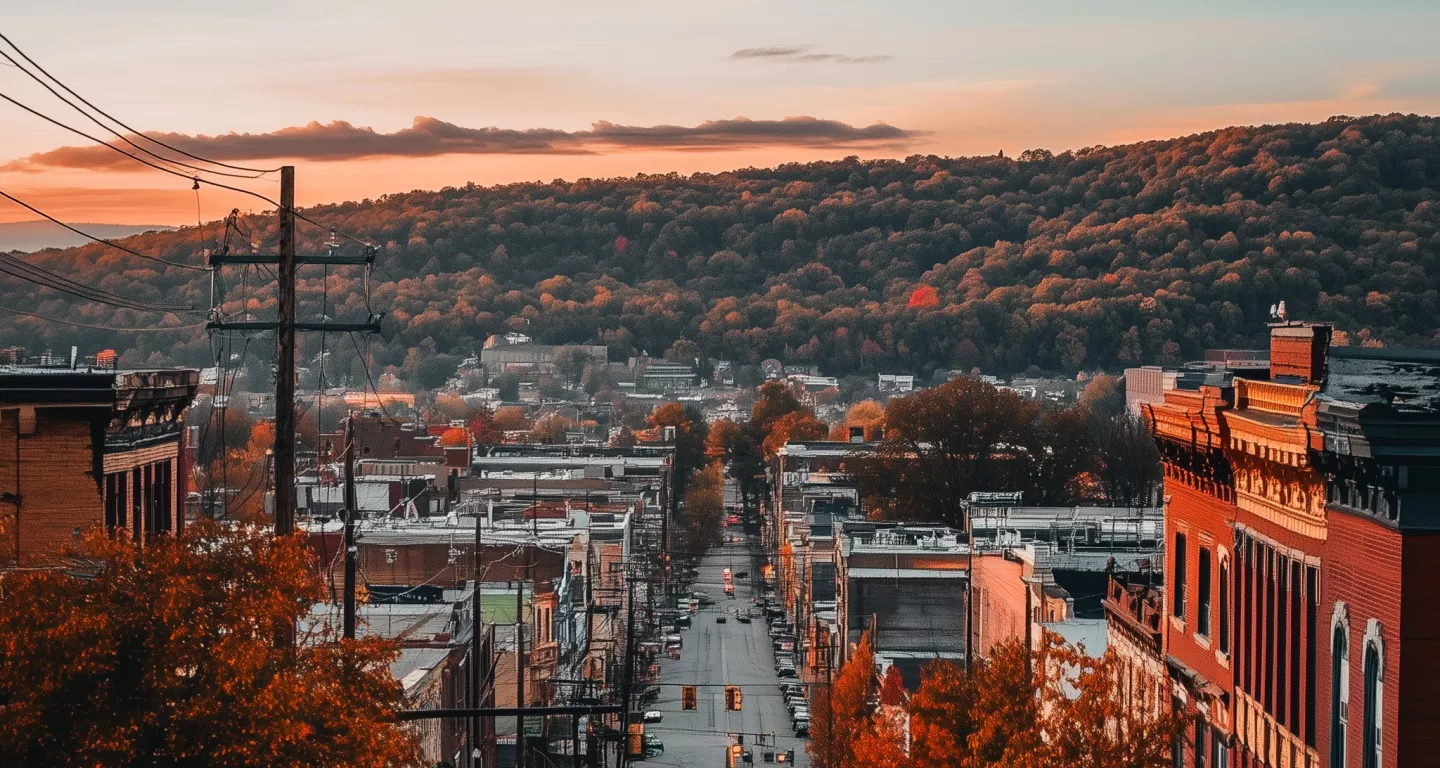
Sitting in a valley between Brush Mountain and the Allegheny Front, Altoona collects runoff quickly during heavy rain. Combine that terrain with housing stock built during the railroad boom and you get a predictable set of restoration calls.
Local Causes We See Most
- Flash flooding along Mill Run, Spring Run, and low-lying streets after summer thunderstorms
- Combined and aging sewer laterals that back up into basements during downpours
- Frozen and burst supply lines in uninsulated crawl spaces and exterior walls
- Ice damming on steep older roofs, pushing meltwater behind fascia and into ceilings
- Failed sump pumps during multi-day rain events or power outages
- Chimney, wood stove, and space heater fires during long central Pennsylvania winters
- Hidden mold behind paneling, in stone foundations, and under carpeting in finished basements
Warning Signs Worth Acting On
- Musty odors that intensify after rain or when the furnace runs
- Efflorescence, white chalky residue, or dark staining along basement walls
- Buckling hardwood, cupping laminate, or soft spots in subflooring
- Peeling paint, bubbled drywall tape, or rust at the base of appliances and water heaters
- Lingering smoke odor weeks after a small kitchen or furnace puffback
- Gurgling floor drains or slow basement fixtures, an early hint of sewer backup
- Recurring allergy symptoms that improve when you leave the house
Catching any of these early usually means drying and cleaning rather than demolition and rebuild.
Neighborhoods We Serve in Altoona
Our crews know the streets, the housing styles, and the drainage quirks across the city and the wider county.
- Altoona city neighborhoods - Fairview, Eldorado, Juniata, Pleasant Valley, Lakemont, Llyswen, Greenwood, Wehnwood, Mansion Park, and the Downtown/Sixth Ward corridor
- Blair County communities - Hollidaysburg, Duncansville, Bellwood, Tyrone, Newry, Roaring Spring, Martinsburg, Claysburg, and Williamsburg
- Nearby areas - Logan Township, Allegheny Township, Antis Township, Frankstown Township, and the Sinking Valley region
Hillside properties in Eldorado and Wehnwood often deal with surface runoff pressing against foundations, while flat-lot homes near Lakemont and Juniata see more sewer surcharge and sump pump strain. Response times stay short because we dispatch locally rather than routing crews in from outside the region.
Seasonal Damage Patterns in Altoona
Seasonal Damage Patterns in Altoona
Restoration needs in Blair County shift with the calendar, and knowing the pattern helps you prepare before the phone call becomes urgent.
- December through February - burst pipes, ice dams, chimney and heating-related fires, and puffbacks from oil furnaces top the list
- March and April - snowmelt combined with spring rain saturates soil, driving groundwater through foundation cracks and overwhelming sump pumps
- May and June - steady rainfall raises basement humidity, and mold growth begins in poorly ventilated crawl spaces
- July and August - severe thunderstorms bring flash flooding, wind-driven rain, roof leaks, and sewer backups after intense short-duration downpours
- September and October - remnants of tropical systems occasionally reach central Pennsylvania, producing prolonged saturating rain
- November - the first hard freezes catch hose bibs and unheated lines off guard, and heating systems fire up after months of dust accumulation
Mold remediation calls tend to lag water events by two to six weeks, which is why we schedule follow-up moisture checks after every drying project rather than assuming the job ended when the equipment left.
Housing Characteristics & Restoration Considerations
Altoona's housing stock skews old. A large share of homes date to the railroad era between the 1890s and 1940s, with post-war expansion filling in neighborhoods like Pleasant Valley and Greenwood. That age shapes every restoration decision.
Construction Features That Affect Recovery
- Stone and rubble foundations - porous, irregular, and prone to seepage; drying requires targeted airflow rather than standard placement
- Balloon-framed walls - open cavities let water and smoke travel vertically from basement to attic, so inspection must go well beyond the visible damage
- Plaster and lath - holds moisture far longer than drywall and can often be saved with controlled drying instead of demolition
- Knob-and-tube or updated-in-patches wiring - requires careful electrical isolation before extraction begins
- Cast iron and clay sewer laterals - vulnerable to root intrusion and cracking, a frequent source of basement sewage backups
- Finished basements added decades later - carpet, paneling, and framing directly against masonry create ideal mold conditions
- Asbestos-containing tile, insulation, and mastic - common in pre-1980 homes and requires proper handling during fire and water repairs
Row homes and twins along the older city blocks add another wrinkle: shared walls mean water or smoke in one unit often affects the neighbor. We coordinate containment and communication with adjoining owners so drying is complete on both sides of the party wall.
Environmental Conditions & Damage Implications
Altoona's humid continental climate delivers roughly 40 inches of precipitation annually plus meaningful snowfall, and the surrounding ridges concentrate runoff into the valley floor.
Conditions That Shape Restoration Work
- Summer humidity - dew points regularly climb high enough that open windows slow drying instead of helping; sealed containment with dehumidification works far better
- Clay-heavy and shale-derived soils - drain slowly, hold water against foundation walls, and increase hydrostatic pressure after storms
- Steep valley topography - sheet flow from uphill lots targets basement windows, stairwells, and garage entries
- Hard mineral-rich water - leaves scale that stresses supply lines, water heaters, and appliance hoses, contributing to sudden failures
- Winter inversions - trap wood smoke and combustion particulates in the valley, worsening indoor air quality after any fire event
- Radon-prone geology - sub-slab work during flooded basement repairs should account for existing mitigation systems
These factors influence how we approach each job. Mold spores are naturally abundant in this wooded region, so remediation focuses on removing moisture and food sources rather than chasing spore counts. After fire and smoke damage, valley air conditions mean odor can re-emerge on damp days if soot residue was only surface-cleaned, so we treat framing, ductwork, and insulation as well. Sewage cleanup accounts for both bacteria and the saturated masonry that holds contamination long after visible waste is gone.
Insurance Claims and Documentation for Blair County Property Owners
The restoration itself is only half the job. Getting a claim approved and fully paid depends on documentation created in the first hours, and that is where many Altoona homeowners lose ground handling things alone.
What Proper Documentation Includes
- Time-stamped photos and video of every affected room before any material is removed
- Moisture meter and thermal imaging readings recorded at intake and at each daily check
- Psychrometric logs showing temperature, humidity, and grain depression throughout drying
- Category and class designations for water losses, which determine what can be dried versus what must be discarded
- A written inventory of damaged contents with condition notes
- Equipment placement records demonstrating that drying met industry standards
Steps to Take After a Loss
- Get everyone out of harm's way and shut off water or power at the source if it is safe to do so
- Call for emergency response before you begin removing anything
- Photograph conditions as you found them, including standing water depth and soot lines
- Notify your insurance carrier and open a claim number
- Save receipts for temporary lodging, tarps, or emergency supplies
- Let the restoration team communicate technical findings directly with the adjuster
Coverage Points Worth Knowing
- Standard homeowners policies generally exclude surface flooding - separate flood coverage applies to rising water
- Sewer and drain backup is often an add-on endorsement rather than automatic protection
- Sudden pipe bursts are typically covered, while long-term seepage may not be
- Mold coverage is frequently capped, which makes fast drying financially important
Our team works claims across Altoona, Hollidaysburg, Tyrone, and Bellwood regularly, and we provide the reports adjusters expect so decisions move forward instead of stalling. Call (814) 809-9833 anytime or request a free estimate.





