
Damage Restoration in Marion, IL
- Damage Restoration Services Overview
- Common Damage Restoration Issues in Marion, Illinois
- Neighborhoods We Serve in Marion
- Seasonal Damage Patterns in Marion
- Housing Characteristics & Restoration Considerations
- Environmental Conditions & Damage Implications
- Emergency Response and the First 24 Hours After Damage in Marion
Damage Restoration Services Overview
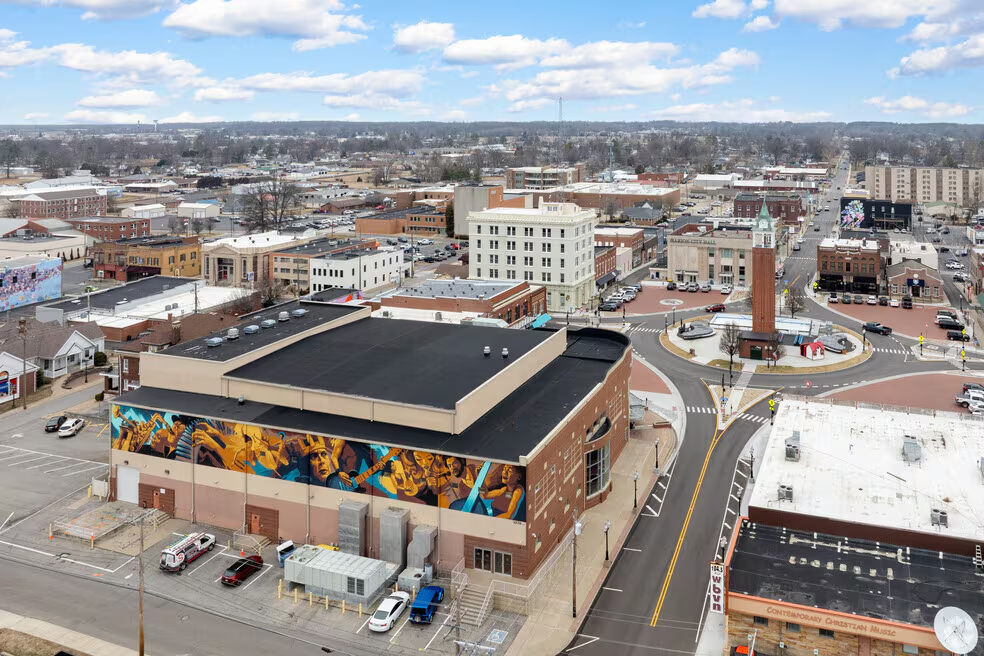
Marion sits in the heart of Williamson County, where humid Southern Illinois summers, spring storm systems, and aging municipal infrastructure combine to create restoration challenges you won't find in cooler, drier parts of the state. Homes near Route 13, the downtown square, and the older residential blocks off West Main all face their own mix of water intrusion, storm damage, and humidity-driven mold pressure.
Restoration work here covers a full spectrum of emergencies, and most property owners need more than one service at once:
- Water Damage Restoration - extraction, structural drying, and moisture mapping after burst pipes, appliance failures, and roof leaks
- Flooded Basement - pump-outs, sump failure response, and drying of below-grade walls and floors
- Sewage Cleanup - safe removal of contaminated water, disinfection, and disposal of porous materials
- Fire Damage Restoration - debris removal, structural cleaning, and rebuilding of damaged areas
- Smoke Damage Restoration - soot removal from surfaces, HVAC cleaning, and odor neutralization
- Mold Removal - containment, remediation, and correction of the moisture source feeding growth
The benefit of acting fast is straightforward: quick response limits secondary damage, protects belongings, and keeps a manageable loss from turning into a gut-and-rebuild project. Twenty-four-hour availability matters when a pipe bursts at 2 a.m. in February.
Common Damage Restoration Issues in Marion, Illinois
Southern Illinois weather swings hard, and Marion properties absorb the impact. Spring brings heavy rain bands and the occasional tornado-warned storm system; summer delivers heat and humidity that push indoor moisture levels up fast.
Frequent Causes of Damage
- Saturated clay soils pressing groundwater through basement walls and floor joints
- Sump pump failures during multi-day rain events
- Sewer line backups when municipal systems take on heavy stormwater volume
- Frozen and burst supply lines in crawl spaces and unheated garages during January cold snaps
- Wind-driven rain and hail damaging roofs, then leaking into attics and ceilings
- Kitchen fires, space heater incidents, and electrical faults in older wiring
- Lightning strikes during summer thunderstorm season
Warning Signs Marion Property Owners Should Watch For
- Musty odors in basements, closets, or near HVAC returns - often the first sign of hidden mold
- Discolored rings or sagging spots on ceilings and drywall
- Slow floor drains or gurgling toilets, which frequently precede a sewage backup
- Peeling paint, cupping hardwood, or lifting vinyl plank flooring
- Efflorescence - white chalky residue - on foundation walls
- Lingering smoke smell that returns on humid days after a small kitchen fire
- Visible soot film on window glass, light fixtures, or vent covers
Any of these signs deserves attention before the next storm cycle compounds the problem.
Neighborhoods We Serve in Marion
Restoration crews cover Marion and the surrounding Williamson County communities, responding to both residential and commercial losses.
- Downtown Marion and the historic square district
- West Main Street and Skyline Drive corridors
- Neighborhoods surrounding Marion High School and Marion Cultural and Civic Center
- Residential areas near Route 13 and the Illinois Star Centre
- Homes bordering Marion City Lake and Lake of Egypt
- Pittsburg, Crainville, Energy, and Cambria
- Herrin, Carterville, Johnston City, and Creal Springs
- Carbondale and the broader Southern Illinois region
Coverage extends to apartment complexes, medical offices, retail storefronts, restaurants, and warehouse space throughout the county. Rural properties on well and septic systems along the county roads outside city limits receive the same emergency response, with attention to the specific challenges septic backups and crawl space flooding present.
Seasonal Damage Patterns in Marion
Knowing what season brings helps property owners prepare before the call becomes urgent.
Winter (December - February)
- Frozen and burst pipes in crawl spaces, attics, and exterior walls
- Peak season for furnace, fireplace, and space heater fires
- Puffback events from oil and gas furnaces causing widespread smoke damage
- Ice dam meltwater entering attics and upper ceilings
Spring (March - May)
- Highest volume of flooded basements and sump pump failures
- Sewage backups during saturated ground conditions
- Storm and hail roof damage leading to interior water intrusion
- Mold growth beginning as temperatures climb above damp materials
Summer (June - August)
- Peak mold remediation season driven by high dew points and humidity
- Air conditioning condensate line clogs flooding closets and hallways
- Lightning-related electrical fires during thunderstorm activity
- Grill and outdoor cooking fires spreading to structures
Fall (September - November)
- Clogged gutters causing overflow into foundations and basements
- First-use heating system fires and smoke incidents
- Ideal window for waterproofing and mold prevention work
Housing Characteristics & Restoration Considerations
Marion's housing stock spans more than a century, from turn-of-the-century homes near the downtown square to subdivisions built through the 1990s and newer construction along the city's growing edges. That range means restoration approaches vary block by block.
Common Construction Types and Their Restoration Impact
- Pre-1950 frame homes - plaster and lath walls hold moisture longer than drywall and need extended drying; balloon framing lets smoke and fire travel between floors quickly
- Mid-century ranch homes - shallow crawl spaces and low-clearance ductwork complicate water extraction and mold access
- Homes with full basements - block foundations wick groundwater through mortar joints, making flooded basement calls common after spring rain
- Slab-on-grade builds - leaks under slabs go undetected until flooring warps or utility bills spike
- Manufactured and modular housing - underbelly insulation traps water and grows mold quickly if not opened and dried properly
Materials That Change the Approach
- Original hardwood floors that may be salvageable with specialty drying mats rather than removal
- Older cast iron and clay sewer laterals prone to root intrusion and backups
- Knob-and-tube or aluminum wiring that raises fire risk and demands electrical inspection after water exposure
- Asbestos-containing floor tile, mastic, and pipe wrap in pre-1980 homes requiring testing before demolition
- Blown-in attic insulation that loses R-value and holds smoke odor after fire events
Matching drying and cleaning methods to the actual building assembly protects original materials and shortens the overall project.
Environmental Conditions & Damage Implications
Marion's humid subtropical climate is the single biggest environmental factor in local restoration work. Summer dew points regularly climb into the seventies, meaning outside air alone will not dry a wet structure - it will add moisture to it.
Climate Factors
- Annual rainfall well above the national average, concentrated in spring months
- Extended humid stretches from May through September
- Freeze-thaw cycling in winter that stresses foundations and plumbing
- Severe weather season with straight-line winds, hail, and tornado potential
Soil and Groundwater
- Dense clay soils drain slowly, holding water against foundation walls after storms
- Clay expansion and contraction opens hairline foundation cracks that become seepage paths
- Relatively high water tables in low-lying areas keep basements and crawl spaces damp year-round
- Regional mining history contributes to subsidence in some areas, affecting foundation integrity
Air and Water Quality Implications
- Elevated indoor humidity supports mold colonization within 24 to 48 hours of water exposure
- Crawl space vapor drive pushes moisture and musty odor into living space through floor penetrations
- Hard water mineral content can accelerate appliance supply line failures
- Smoke particulate settles into porous surfaces faster in humid conditions, making prompt cleaning important
Controlled drying with commercial dehumidification, rather than open windows and box fans, is what actually removes moisture from Marion structures.
Emergency Response and the First 24 Hours After Damage in Marion
What happens in the first day after a loss determines how much of your property survives. Water spreads through building materials within minutes, mold begins colonizing within a day or two, and soot becomes acidic and permanently etches surfaces over the same window.
Steps to Take Before Crews Arrive
- Make safety the priority - leave the structure if there is fire damage, structural compromise, or sewage contamination
- Shut off the water main if the source is a burst pipe or failed supply line
- Cut power to affected areas at the breaker only if the panel is dry and safely reachable
- Photograph and video everything before moving items - insurance documentation starts here
- Move undamaged belongings, rugs, and furniture to a dry area of the home
- Avoid running the HVAC system after a fire, which spreads soot through every duct run
- Do not attempt cleanup of sewage water without proper protective equipment
What a Professional Response Involves
- Assessment - moisture meters and thermal imaging locate water behind walls and under flooring
- Extraction and stabilization - truck-mounted pumps remove standing water; board-up and tarping secure fire and storm-damaged structures
- Controlled drying - air movers and dehumidifiers set to a documented drying plan with daily moisture readings
- Cleaning and disinfection - antimicrobial application for water and sewage losses, soot removal and odor treatment for fire and smoke losses
- Remediation - containment barriers and negative air machines during mold removal to protect unaffected rooms
- Reconstruction - drywall, flooring, trim, and paint to return the property to pre-loss condition
Working With Your Insurance
- Contact your carrier as soon as the property is safe
- Keep receipts for temporary lodging, fans, or emergency supplies
- Request that documentation of moisture readings and drying logs be shared with your adjuster
- Ask which portions of the loss fall under your policy before demolition begins
Local crews familiar with Marion neighborhoods, Williamson County building stock, and Southern Illinois weather patterns can mobilize faster and anticipate the hidden damage that comes with each type of loss.





