
Damage Restoration in Rock Island, IL
- Damage Restoration Services Overview
- Common Damage Restoration Issues in Rock Island, Illinois
- Neighborhoods We Serve in Rock Island
- Seasonal Damage Patterns in Rock Island
- Housing Characteristics & Restoration Considerations
- Environmental Conditions & Damage Implications
- Mississippi River Flooding and Comprehensive Property Protection
Damage Restoration Services Overview
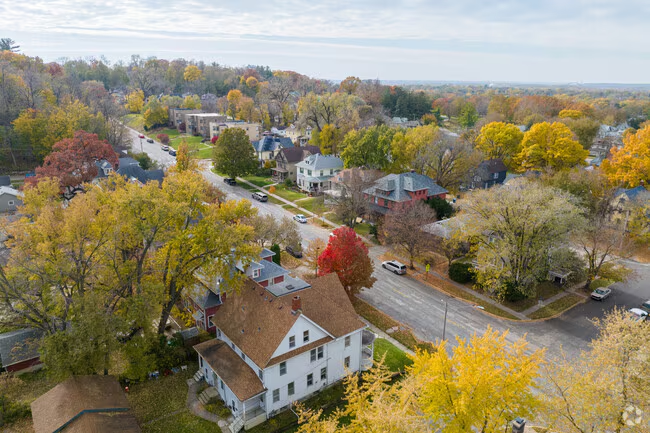
Professional damage restoration brings peace of mind when disaster strikes your Rock Island home or business. Quick response and expert techniques can mean the difference between minor repairs and major reconstruction costs.
Our comprehensive restoration services address every type of property damage Rock Island residents face:
- Water Damage Restoration - Emergency water extraction, structural drying, and moisture control
- Flooded Basement - Specialized basement water removal and waterproofing solutions
- Sewage Cleanup - Safe removal and sanitization of contaminated water
- Fire Damage Restoration - Structural repairs and debris removal after fire incidents
- Smoke Damage Restoration - Odor elimination and soot cleaning throughout affected areas
- Mold Removal - Complete remediation and prevention of mold growth
Rock Island's location along the Mississippi River and varied weather patterns create unique restoration challenges. Professional teams understand local building codes, insurance requirements, and environmental factors that affect recovery timelines.
The restoration process begins with immediate damage assessment and emergency stabilization. Certified technicians use advanced equipment for moisture detection, air quality testing, and structural evaluation to create targeted recovery plans.
Common Damage Restoration Issues in Rock Island, Illinois
Rock Island's Mississippi River location creates specific vulnerability to water-related damage. Spring flooding and heavy rainfall frequently overwhelm drainage systems, leading to basement flooding and foundation water intrusion.
The most frequent restoration issues affecting Rock Island properties include:
- Basement flooding from river overflow and storm water backup
- Sewage backups during heavy rain events when municipal systems become overwhelmed
- Burst pipes from freeze-thaw cycles during harsh Illinois winters
- Mold growth in humid basements and crawl spaces with poor ventilation
- Fire damage from heating system malfunctions during cold months
- Smoke damage from chimney problems and fireplace incidents
Warning signs Rock Island residents should monitor include:
- Musty odors indicating potential mold growth
- Water stains on basement walls or ceilings
- Increased utility bills suggesting hidden water leaks
- Peeling paint or wallpaper from moisture damage
- Lingering smoke odors after fireplace use
The area's older housing stock often lacks modern waterproofing and fire safety features. Many homes built before 1970 have outdated electrical systems that increase fire risk. Foundation settling common in river valley soil creates cracks that allow water penetration.
Neighborhoods We Serve in Rock Island
Our restoration teams serve all Rock Island neighborhoods, from historic districts to newer developments. We provide emergency response throughout the greater Rock Island area including:
- Downtown Rock Island - Historic commercial buildings and converted lofts
- The District - Entertainment area with mixed-use properties
- Highland Park - Established residential neighborhood
- Longview Park area - Mid-century homes near the golf course
- Blackhawk - Historic homes with unique restoration needs
- Waterman - Riverside properties prone to flooding
We also extend services to nearby communities including Moline, East Moline, Milan, and Coal Valley. Our local knowledge of each area's specific challenges helps us respond quickly with appropriate equipment and techniques.
Response times vary by location, but our strategically positioned teams can reach most Rock Island addresses within 60 minutes of initial contact during normal weather conditions.
Seasonal Damage Patterns in Rock Island
Rock Island experiences distinct seasonal patterns that affect different types of property damage throughout the year.
Spring (March-May) brings the highest risk for water damage and basement flooding. Mississippi River levels rise from snowmelt and increased rainfall. Storm systems frequently cause power outages that affect sump pumps.
Summer (June-August) creates ideal conditions for mold growth in humid basements and attics. Severe thunderstorms can cause flash flooding and sewage backups. Air conditioning failures can lead to moisture problems.
Fall (September-November) sees increased fire damage from heating system startups and chimney use. Leaf accumulation can block gutters, causing water damage. Early freezes can burst exposed pipes.
Winter (December-February) presents the greatest fire and smoke damage risks from heating systems and fireplaces. Frozen pipes commonly burst when temperatures fluctuate. Ice dams can cause roof leaks and water damage.
- Peak flooding season: April through June
- Highest mold risk: July through September
- Fire damage peak: December through February
- Pipe burst season: January through March
Housing Characteristics & Restoration Considerations
Rock Island's housing stock reflects over 150 years of development, with median home age around 70 years. This creates unique restoration challenges requiring specialized approaches for different construction eras.
Pre-1950 homes typically feature:
- Stone or brick foundations susceptible to water penetration
- Plaster walls that require careful mold remediation techniques
- Original hardwood floors that may need specialized water damage treatment
- Knob-and-tube wiring increasing fire damage risk
- Coal-burning fireplaces with potential chimney issues
Mid-century homes (1950-1980) commonly have:
- Concrete block foundations prone to settling and cracking
- Drywall construction allowing faster water damage spread
- Basement recreation rooms vulnerable to flooding
- Original electrical panels that may need updating after fire damage
Modern construction (post-1980) generally includes:
- Improved foundation waterproofing reducing flood damage
- Better insulation that can trap moisture if damaged
- Modern HVAC systems that help control humidity and mold growth
- Updated electrical systems with better fire safety features
Many Rock Island properties feature finished basements that require specialized restoration techniques when flooded. Historic district homes need restoration methods that preserve architectural integrity while meeting modern safety standards.
Environmental Conditions & Damage Implications
Rock Island's Mississippi River valley location creates a humid continental climate with significant implications for property damage and restoration processes.
Climate factors affecting restoration include:
- High humidity levels (70-80% summer average) accelerate mold growth and slow drying
- Temperature fluctuations from -10°F to 90°F stress building materials
- Annual precipitation of 36 inches increases water damage risk
- Severe weather events including tornadoes, hail, and flooding
Soil composition in the Rock Island area consists primarily of Mississippi River alluvium - fine-grained sediments that retain moisture and allow foundation settling. This creates ongoing challenges for basement waterproofing and can complicate sewage cleanup when ground saturation is high.
Air quality considerations include:
- River valley air trapping that can concentrate smoke during fire incidents
- Agricultural dust that can complicate air filtration during restoration
- Industrial emissions from nearby Quad Cities manufacturing
- Pollen and organic matter that can feed mold growth
Water table levels fluctuate seasonally with river conditions, affecting basement moisture and the effectiveness of sump pump systems. During high water periods, sewage systems can become overwhelmed, increasing the risk of backups into properties.
The area's flat topography means water doesn't drain quickly after storms, creating standing water conditions that can lead to extended moisture exposure and increased mold risk.
Mississippi River Flooding and Comprehensive Property Protection
Rock Island's position along the Mississippi River makes flood preparedness and recovery a year-round concern for property owners. The river's unpredictable nature means flooding can occur during any season, though spring presents the highest risk due to snowmelt and increased precipitation upstream.
Understanding flood patterns helps property owners prepare for potential damage:
- Minor flooding (14-foot stage) affects low-lying areas and can cause basement seepage
- Moderate flooding (15-17 foot stage) impacts riverside properties and storm drainage
- Major flooding (18+ foot stage) requires comprehensive evacuation and restoration planning
- Flash flooding from heavy rainfall can overwhelm municipal systems regardless of river levels
Comprehensive restoration after river flooding requires coordinated response across multiple service areas. Water damage restoration teams must address not only standing water removal but also contamination concerns when river water mixes with sewage systems. This creates complex cleanup scenarios requiring specialized equipment and safety protocols.
Basement flooding from river backpressure often leads to secondary mold issues if not properly addressed within 24-48 hours. The combination of organic river sediment and warm, humid conditions creates ideal mold growth environments that can affect entire properties if not contained quickly.
Fire damage restoration becomes more complex during flood seasons when access routes may be limited and utility services interrupted. Smoke damage cleanup must account for increased humidity levels that can set odors deeper into building materials.
Property owners near the river benefit from year-round monitoring systems that detect rising water levels and automatically alert restoration teams. Early warning systems allow for preventive measures like temporary flood barriers and emergency water removal equipment positioning.





