
Damage Restoration in Waterloo, IL
- Damage Restoration Services Overview
- Common Damage Restoration Issues in Waterloo, Illinois
- Neighborhoods We Serve in Waterloo
- Seasonal Damage Patterns in Waterloo
- Housing Characteristics & Restoration Considerations
- Environmental Conditions & Damage Implications
- Karst Geology, Sewer Backups, and Basement Water in Monroe County
Damage Restoration Services Overview
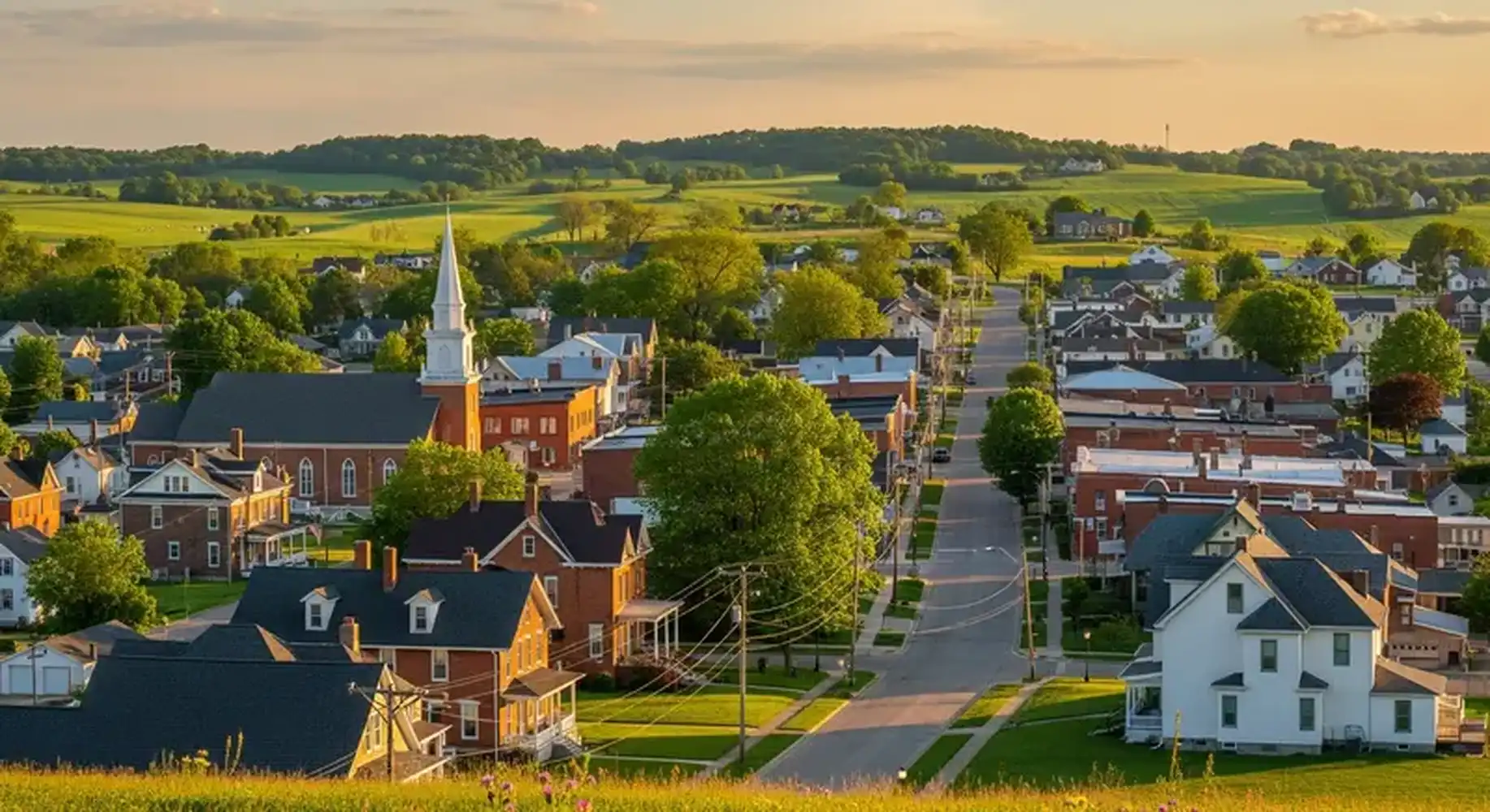
Waterloo sits atop one of the most cave-riddled karst landscapes in Illinois - the same limestone bedrock that gives Monroe County its sinkholes and springs also sends groundwater into basements after heavy Mississippi Valley rainstorms. That geology, combined with a housing stock that spans 1800s brick storefronts to new subdivisions off Route 3, means local property owners face a wide mix of water, fire, and mold problems.
Restoration work in Waterloo covers far more than pumping out water. A full-service response addresses the structure, contents, air quality, and the lingering odors and microbial growth that follow.
- Water Damage Restoration - extraction, structural drying, moisture mapping, and monitoring until materials return to dry standards.
- Flooded Basement Cleanup - sump failure, foundation seepage, and storm-driven groundwater intrusion.
- Sewage Cleanup - backups from saturated laterals and septic systems, handled as contaminated Category 3 water.
- Fire Damage Restoration - debris removal, drywall and ceiling repair, structural cleaning, and rebuild coordination.
- Smoke Damage Restoration - soot removal, smoke stain treatment, odor neutralization, carpet and duct cleaning.
- Mold Removal - containment, source correction, affected material removal, and post-remediation verification.
Fast response matters most in the first hours, when clean water is still clean and soot has not yet etched into finishes. Around-the-clock emergency service keeps small losses from becoming full reconstruction projects.
Common Damage Restoration Issues in Waterloo, Illinois
Local conditions drive predictable patterns. Waterloo's mix of clay-over-limestone soils, aging sanitary infrastructure in older neighborhoods, and humid summers creates recurring restoration calls.
Frequent Causes of Loss
- Sump pump failure or power loss during spring thunderstorms rolling in from the Mississippi bottoms
- Hydrostatic pressure pushing water through foundation cracks and cove joints in below-grade rooms
- Frozen and burst supply lines in unheated crawl spaces and garage walls during January cold snaps
- Sanitary sewer surcharge and septic backup after several inches of rain in a short window
- Kitchen grease fires, chimney and wood stove fires, and space heater incidents in older farmhouses
- Water heater and washing machine hose failures on upper floors of two-story subdivision homes
- HVAC condensate overflow feeding hidden mold in closets and finished basement walls
Warning Signs Worth Acting On
- Musty odor that intensifies when the air handler runs
- White powdery efflorescence or bubbling paint along basement walls
- Cupping or darkening at the edges of hardwood planks
- Slow floor drains, gurgling toilets, or backups in the lowest fixture in the house
- Soot filming on window glass, lampshades, or the return air register after a small fire
- Recurring allergy symptoms that improve when occupants leave the property
Ignoring these signals rarely ends well. Mold can establish within a day or two on damp drywall, and smoke residues become acidic and corrosive to metals and finishes within hours.
Neighborhoods We Serve in Waterloo
Coverage extends across the city and out into the surrounding Monroe County countryside, with emergency crews dispatched at any hour.
- Historic downtown and the Main Street district - masonry commercial buildings, upper-floor apartments, and shared party walls
- Neighborhoods near Waterloo High School and Zahnow Elementary - mid-century ranch homes with full basements
- Newer subdivisions off Route 3, HH Road, and Rogers Street - slab and poured-wall construction
- Konarcik Park and Lakeview area properties
- Rural acreage along Bluff Road, Kaskaskia Road, and the Illinois 156 corridor - well and septic systems
Nearby communities including Columbia, Valmeyer, Hecker, Fults, Maeystown, Millstadt, and Red Bud fall within the same response area. Familiarity with local building departments, septic contractors, and municipal utilities keeps projects moving without administrative delays.
Seasonal Damage Patterns in Waterloo
Restoration demand in Monroe County follows the calendar closely.
- December through February - Frozen pipe breaks lead the list, along with heating-related fires from furnaces, wood stoves, and portable heaters. Smoke damage calls peak alongside the holiday cooking season.
- March through May - Snowmelt and heavy spring rain saturate clay soils. Flooded basements, sump failures, and sewer backups dominate. Mississippi River backwater raises groundwater in low-lying areas.
- June through August - Humidity averaging well above comfortable levels feeds mold growth in basements and crawl spaces. Severe thunderstorms bring wind-driven rain, roof leaks, and lightning-strike fires.
- September through November - Leaf-clogged gutters push water against foundations. Fireplaces and chimneys return to service, often without cleaning, creating flue fires and smoke odor complaints.
Preventive Timing
- Test sump pumps and battery backups in late February
- Schedule chimney and dryer vent cleaning in early fall
- Run dehumidifiers below 50 percent relative humidity from June onward
- Insulate exposed pipes before the first hard freeze
Housing Characteristics & Restoration Considerations
Waterloo's building inventory is unusually varied for a city its size, and each construction era responds differently to water, smoke, and microbial damage.
Older Homes and Downtown Buildings
- Limestone and brick foundations with lime mortar that wicks moisture readily
- Plaster over wood lath, which holds water far longer than modern drywall and requires slower, gentler drying
- Balloon framing that lets smoke and heat travel vertically through wall cavities, spreading soot to attics
- Knob-and-tube remnants and older wiring that raise fire risk and complicate demolition
- Original hardwood floors worth specialized drying rather than replacement
Mid-Century Ranches
- Full basements finished decades later with paneling and carpet directly over concrete
- Cove joint seepage where floor meets wall during saturated ground conditions
- Original cast iron drain lines prone to scaling and backups
Newer Subdivision Construction
- Poured concrete walls with interior drain tile and sealed sumps
- Tight building envelopes that trap humidity and smoke odor, making odor removal and duct cleaning more involved
- Engineered wood products, OSB and I-joists, that delaminate quickly when wet
- Second-floor laundry rooms that send supply line failures through two levels of finishes
Restoration plans are built around these differences - drying a plaster wall in a 1890s Main Street building is a different project than drying a 2015 basement with vinyl plank flooring, and the demolition, drying equipment, and repair scope reflect that.
Environmental Conditions & Damage Implications
Waterloo's setting between the Mississippi bluffs and the Kaskaskia watershed shapes nearly every restoration decision.
Climate
- Roughly 40 inches of annual precipitation, much of it in intense spring and summer storms
- Summer dew points frequently in the upper 60s and 70s, pushing indoor humidity into mold-friendly territory
- Winter freeze-thaw cycling that opens foundation cracks and stresses supply plumbing
Soils and Geology
- Karst limestone with sinkholes, fractures, and rapid subsurface water movement
- Loess and clay-rich surface soils that shrink in drought and swell when wet, shifting foundations
- Perched water tables in bottomland areas near creeks and drainage swales
- Fast infiltration means contaminated water from sewage or septic events can migrate quickly - containment and sanitizing matter more than in tighter soils
Water and Air Quality
- Rural properties on private wells face contamination risk after flooding, requiring testing alongside cleanup
- Hard groundwater leaves mineral scale that accelerates water heater and fixture failures
- Agricultural dust, field burning, and seasonal pollen add to the particulate load that HVAC systems recirculate after a fire
These conditions mean drying targets, antimicrobial application, and post-remediation verification are set against local baseline humidity rather than a generic national standard. Equipment is sized for the actual load, and moisture readings guide when a structure is genuinely dry.
Karst Geology, Sewer Backups, and Basement Water in Monroe County
Few places in Illinois present the groundwater challenges Waterloo does. Water that falls on a field near Bluff Road can reach a home's foundation through limestone fractures in hours, not days. Property owners often describe basements that flood without any visible surface water - a signature of karst drainage.
Why Local Basement Water Behaves Differently
- Underground conduits deliver large volumes fast, overwhelming sump systems sized for slow seepage
- Water can enter through the floor slab rather than the walls, bypassing exterior waterproofing
- Sinkhole activity near a foundation can redirect flow toward a structure after nearby land use changes
- Sewer laterals in older neighborhoods take on infiltration during storms, causing backups unrelated to a household's own usage
How a Local Response Is Structured
- Emergency contact and dispatch - crews mobilize any hour, with equipment staged for immediate extraction.
- Assessment and hazard classification - water is categorized as clean, gray, or contaminated, which determines whether materials can be dried or must be removed.
- Extraction and containment - standing water is removed and contaminated zones isolated with negative air pressure.
- Controlled demolition - saturated carpet pad, base trim, paneling, and drywall are cut back to sound material.
- Drying and monitoring - air movers and dehumidifiers run with daily moisture readings logged for the insurance file.
- Sanitizing and odor control - antimicrobial treatment for sewage events, plus duct cleaning where contaminants entered the HVAC system.
- Repairs - drywall, wall and ceiling repair, flooring, and painting to return the space to pre-loss condition.
Recommendations frequently extend past cleanup: regrading, downspout extensions, backwater valves, and battery-backup sump systems are common fixes suggested after a Waterloo basement loss, because the same storm pattern will return next spring.





