
Damage Restoration in Normal, IL
- Damage Restoration Services Overview
- Common Damage Restoration Issues in Normal, Illinois
- Neighborhoods We Serve in Normal
- Seasonal Damage Patterns in Normal
- Seasonal Damage Patterns in Normal
- Housing Characteristics & Restoration Considerations
- Environmental Conditions & Damage Implications
- Insurance Claims and Emergency Response for Normal Property Owners
Damage Restoration Services Overview
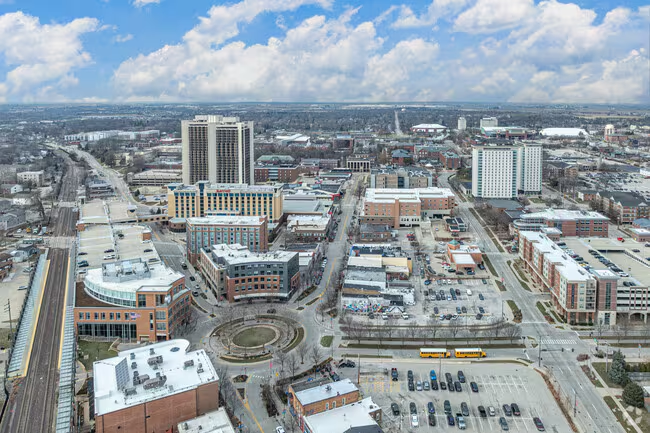
Water spreads through drywall, subfloor, and insulation within hours - not days. In Normal, Illinois, a burst supply line, a backed-up floor drain, or a kitchen fire can turn a routine evening into an emergency that requires trained restoration technicians on site the same day.
Restoration crews serving Normal and the wider McLean County area handle the full range of property emergencies:
- Water Damage Restoration - extraction, structural drying, moisture mapping, and reconstruction after pipe breaks, appliance failures, and roof leaks
- Flooded Basement Cleanup - pump-out, content removal, sanitizing of below-grade spaces after groundwater intrusion or sump pump failure
- Sewage Cleanup - containment and disinfection of Category 3 contaminated water from backed-up mains, floor drains, and septic systems
- Fire Damage Restoration - board-up, debris removal, structural cleaning, and rebuild
- Smoke Damage Restoration - soot removal from surfaces and HVAC systems, odor neutralization, and content cleaning
- Mold Removal - containment, air filtration, affected material removal, and antimicrobial treatment
Benefits for Normal homeowners include faster insurance documentation, reduced secondary damage, and a single point of contact from mitigation through final repairs. IICRC-certified technicians follow industry drying standards, which matters when adjusters review claims and when families need to know their home is genuinely dry - not just dry on the surface.
Common Damage Restoration Issues in Normal, Illinois
Central Illinois weather and housing stock create a predictable set of restoration calls throughout the year. Flat prairie terrain, clay-heavy soil, and a heavy freeze-thaw cycle all push water toward foundations and basements.
Frequent Causes
- Frozen and burst supply lines during January and February cold snaps, especially in crawl spaces and unheated garages
- Sump pump failures during spring thunderstorm clusters, leading to flooded basements near older neighborhoods
- Sanitary sewer surcharging after heavy rain, sending contaminated water up through basement floor drains and laundry standpipes
- Water heater, washing machine, and dishwasher supply hose failures - a leading cause of overnight water damage
- Aging roof systems and ice dams allowing water into attics, ceilings, and wall cavities
- Kitchen grease fires, space heater incidents, and electrical faults producing both fire and smoke damage
- Persistent basement humidity feeding mold growth behind paneling and under carpet pad
Warning Signs Worth a Same-Day Call
- Standing water or an active leak anywhere in the structure
- Staining, bubbling paint, or soft spots on ceilings, walls, or floors
- Any sewage odor or visible contaminated water
- Musty, earthy smells in a basement or near HVAC returns
- Visible mold growth of any size on drywall, framing, or stored items
- Water damage that has gone untreated for more than 24 hours
- Electrical hazards near wet areas - breakers tripping, outlets sparking
These conditions usually mean moisture has already migrated beyond what is visible, and surface drying alone will not resolve it.
Neighborhoods We Serve in Normal
Restoration crews respond across Normal and the connected Bloomington-Normal metro, typically reaching properties throughout McLean County quickly, day or night.
- Uptown Normal - mixed-use buildings, student rentals, and older residential blocks near the Illinois State University campus
- Historic Normal / Broadview and Fell Avenue areas - early-20th-century homes with stone and block foundations
- North Normal and Blackstone Trails - newer subdivisions with finished basements and modern mechanical systems
- Savannah Green, Ironwood, and Hershey Road corridor - established single-family neighborhoods
- Parkside and College Hills area - dense residential mixed with commercial property
- Surrounding communities - Bloomington, Towanda, Hudson, Carlock, Downs, Danvers, and Le Roy
Commercial, multi-unit, and campus-adjacent rental properties are served alongside single-family homes, including after-hours emergencies for property managers.
Seasonal Damage Patterns in Normal
Seasonal Damage Patterns in Normal
Restoration demand in Normal shifts noticeably with the central Illinois calendar.
- December - February: Frozen pipe breaks peak. Heating equipment, fireplaces, and space heaters drive fire and smoke damage calls. Ice dams push meltwater under shingles into ceilings.
- March - April: Snowmelt combines with spring rain over saturated clay soil. Flooded basements, sump pump overload, and foundation seepage dominate.
- May - June: Severe thunderstorms and straight-line winds bring roof damage, wind-driven rain intrusion, and sewer backups when rainfall outpaces the system.
- July - August: High heat and humidity accelerate mold growth in damp basements and crawl spaces. AC condensate line clogs cause hidden ceiling and closet water damage.
- September - October: Moderate weather is prime time for mold inspections, basement waterproofing follow-up, and repairs deferred from summer storms.
- November: First hard freezes catch unwinterized hose bibs and irrigation lines. Furnace startup can release soot and puff-back residue through ductwork.
Understanding this rhythm helps homeowners schedule preventive checks - sump pump testing in late winter, dryer vent and chimney cleaning in fall, and dehumidifier maintenance before July.
Housing Characteristics & Restoration Considerations
Normal's housing stock spans more than a century, and each era responds differently to water, fire, and mold.
Older Homes (pre-1960)
- Poured concrete or block foundations with limited waterproofing, prone to lateral seepage during spring saturation
- Plaster and lath walls that hold moisture longer than drywall and require careful drying to avoid delamination
- Cast iron and clay sewer laterals vulnerable to root intrusion and collapse, a frequent source of sewage backups
- Balloon framing that lets smoke and heat travel vertically through wall cavities during a fire
- Original wood flooring that often can be dried and saved with targeted mat systems rather than replaced
Mid-Century and 1970s-1990s Homes
- Finished basements with paneling, carpet, and framed walls that trap moisture out of sight
- Galvanized or early copper plumbing nearing end of service life
- Attic insulation levels that contribute to ice damming and attic condensation-driven mold
Newer Construction and Student Rentals
- Tighter building envelopes that hold humidity and require controlled drying with dehumidification rather than open-window ventilation
- Engineered wood subfloor and MDF trim that swell quickly and often need replacement
- PEX manifolds and multi-zone HVAC that can spread smoke residue through an entire unit
- High-occupancy rentals near campus where unreported leaks sit for days before discovery
Restoration plans account for these differences from the first moisture reading, which is why documentation and material-specific drying targets matter more than a standard fan-and-go approach.
Environmental Conditions & Damage Implications
Normal sits on the flat Illinois prairie with a humid continental climate - cold winters, hot muggy summers, and roughly 37 inches of annual precipitation. Those conditions shape nearly every restoration project in town.
Soil and Groundwater
- Heavy clay-rich glacial till drains slowly, holding water against foundation walls after storms
- Clay expansion and contraction through wet-dry cycles opens hairline foundation cracks that later become seepage points
- Shallow water tables in low-lying areas keep hydrostatic pressure on basement floors, straining sump systems
Climate and Humidity
- Summer dew points regularly climb into the 70s, pushing indoor relative humidity above the 60 percent threshold where mold thrives
- Cold-season temperature swings create condensation on rim joists, ductwork, and cold-water lines
- Freeze-thaw cycling stresses plumbing, masonry, and roof flashing
Air and Water Quality
- Agricultural dust and seasonal pollen load HVAC filters, worsening indoor air quality after a fire or mold event
- Moderately hard municipal water contributes to scale buildup in water heaters and appliance valves, a common failure point
- Smoke particulate is fine enough to settle in ductwork and porous contents, requiring HEPA filtration and thermal fogging rather than surface wiping
Because of this environment, drying goals in Normal often include controlling ambient humidity throughout the structure, not just the affected room - otherwise moisture simply migrates and mold reappears weeks later.
Insurance Claims and Emergency Response for Normal Property Owners
Most restoration work in Normal runs through a homeowners or commercial insurance claim, and how the first few hours are handled affects both the outcome of the claim and the condition of the property.
What Happens First
- Stop the source. Shut off the water main, kill power to affected circuits, or secure the structure after a fire before anything else.
- Document everything. Photograph standing water, damaged contents, and affected rooms before removal begins.
- Call for emergency dispatch. Crews positioned in the Bloomington-Normal area respond around the clock, including holidays.
- Notify your carrier. Open the claim early so the adjuster and restoration team can coordinate scope from the start.
- Allow inspection and moisture mapping. Thermal imaging and meters locate hidden moisture in walls, cavities, and subfloor.
- Approve the mitigation plan. Extraction, containment, drying equipment placement, and daily monitoring readings follow.
Why Documentation Matters Locally
- Sewage losses are frequently subject to separate sewer backup endorsements - confirming coverage early prevents surprises
- Mold coverage is often limited unless it results from a covered water event, making prompt reporting important
- Daily moisture logs and drying charts give adjusters the evidence they need to approve full material replacement
- Contents inventories for smoke damage support cleaning-versus-replacement decisions on furniture, clothing, and electronics
- Pre-existing conditions common in older Normal homes - old stains, prior seepage - should be identified and separated from new damage
Working With Your Restoration Team
Ask for IICRC certification details, a written scope, and direct insurance billing where available. A single contractor handling mitigation, mold remediation, and reconstruction reduces handoffs and keeps the rebuild aligned with what was actually removed - especially valuable for Normal rental owners working against tenant turnover dates and families trying to get back into their homes.





