
Damage Restoration in Geneseo, IL
- Damage Restoration Services Overview
- Common Damage Restoration Issues in Geneseo, Illinois
- Neighborhoods We Serve in Geneseo
- Seasonal Damage Patterns in Geneseo
- Housing Characteristics & Restoration Considerations
- Environmental Conditions & Damage Implications
- Sump Pumps, Sewer Backups, and Basement Protection in Geneseo
Damage Restoration Services Overview
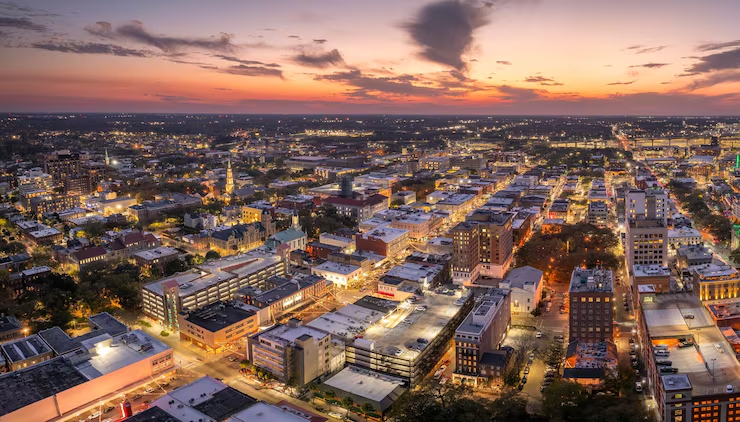
Geneseo sits just a few miles from the Green River and within the Rock River watershed - a location that gives the city its farmland charm and, during heavy spring rain, a very real reason to keep a sump pump in working order. Many Henry County homes were built before modern foundation waterproofing was standard, which is why basement water intrusion remains one of the most frequent property emergencies reported locally.
Werner Restoration provides full-service property recovery across Geneseo, IL, backed by 45+ years of trusted experience and certified technicians available 24/7 at (309) 792-0912.
- Water Damage Restoration - extraction, structural drying, moisture mapping and monitoring
- Flooded Basement Cleanup - pump-outs, content removal, dehumidification and sanitizing
- Sewage Cleanup - biohazard containment, waste removal, antimicrobial treatment of affected materials
- Fire Damage Restoration - board-up, debris removal, structural cleaning and rebuild coordination
- Smoke Damage Restoration - soot removal, odor neutralization, HVAC and duct cleaning
- Mold Removal - containment, source correction, safe removal of affected building materials
Benefits for Geneseo homeowners include faster drying that limits secondary mold growth, documentation that supports insurance claims, and a single team handling everything from emergency response through final repairs. Most projects run 1-8 weeks depending on structural repairs, cleaning scope, and air quality restoration.
Common Damage Restoration Issues in Geneseo, Illinois
Northwestern Illinois weather swings hard between frozen winters and humid summers, and Geneseo properties absorb that stress year after year.
Frequent Causes of Damage
- Sump pump failure or power loss during spring thunderstorms, leading to flooded basements
- Frozen and burst supply lines in unheated crawl spaces, garages, and older additions
- Saturated clay soils pushing groundwater through foundation cracks and cove joints
- Municipal sewer surcharge and backflow into floor drains during heavy rain events
- Aging galvanized or polybutylene plumbing behind walls in mid-century homes
- Kitchen grease fires, wood stove and fireplace issues, and space heater use in winter
- Roof ice damming that forces meltwater into attics, ceilings, and exterior walls
Warning Signs Worth Acting On
- Musty or earthy odors in basements, closets, or near HVAC returns
- Bubbling paint, stained drywall seams, or warped baseboards and flooring
- White chalky efflorescence on block foundation walls
- Slow floor drains or gurgling fixtures - often the first hint of a sewer problem
- Persistent smoke odor that returns on humid days after a small fire
- Allergy symptoms that ease when family members leave the house
Sewage backups deserve special caution. Category 3 water carries bacteria and pathogens that require professional containment, not a mop and household cleaner. The same urgency applies to smoke residue, which is acidic and can etch metal, glass, and finishes within days if left untreated.
Neighborhoods We Serve in Geneseo
Our crews respond throughout Geneseo and the surrounding Henry County countryside, including:
- Downtown Geneseo and the historic State Street corridor
- Older residential blocks near Geneseo High School and Central Grade School
- Subdivisions off North and South Oakwood Avenue
- Homes along and near Chicago Street and East and West Main
- Newer developments on the north and east edges of town near Route 82
- Rural acreages and farmsteads along Green River Road and county highways
We also serve nearby communities including Atkinson, Colona, Cambridge, Annawan, Orion, Hillsdale, and the greater Quad Cities region stretching into Moline, East Moline, Silvis, and across the river toward the Muscatine, IA area. Whether a property sits on a city sewer line downtown or relies on a rural septic system, our team adjusts the response plan to match the site conditions.
Seasonal Damage Patterns in Geneseo
Restoration calls in Geneseo follow a fairly predictable annual rhythm.
- December - February: Frozen and burst pipes dominate. Heating equipment, fireplaces, and space heaters drive fire and smoke damage calls. Ice dams push water into attics and upper ceilings.
- March - April: Snowmelt combines with spring rain, saturating clay soil. Flooded basements, sump pump overload, and foundation seepage peak during this window.
- May - June: Severe thunderstorms and straight-line winds bring roof damage, wind-driven rain, and sewer surcharge backups into basement floor drains.
- July - August: High humidity turns any lingering moisture into active mold growth. Air conditioning condensate lines clog and overflow. Lightning strikes cause attic and structure fires.
- September - October: Steady autumn rain finds gutter and grading problems. Furnace startup often reveals puff-back soot or dormant duct contamination.
- November: First freeze exposes uninsulated plumbing. Holiday cooking and candles increase kitchen fire and smoke incidents.
Mold remediation requests never fully stop - they simply shift from summer humidity issues to winter condensation on cold exterior walls and window frames.
Housing Characteristics & Restoration Considerations
Geneseo's housing stock spans more than a century and a half, and each construction era responds differently to water, fire, and mold.
Common Construction Types
- Victorian and early 1900s homes near downtown - balloon framing, plaster over wood lath, limestone or brick foundations, and knob-and-tube remnants in some attics
- Post-war and mid-century ranches - concrete block basements, hardwood under carpet, original cast iron drain lines
- 1970s-1990s split-levels and two-stories - finished lower levels, poured foundations, fiberglass batt insulation
- Recent subdivision construction - engineered lumber, tight building envelopes, and OSB sheathing that swells quickly when wet
- Rural farmhouses - stone cellars, additions built in stages, septic systems, and outbuildings
How Age Affects the Work
- Balloon framing gives fire and smoke a vertical chase from basement to attic, widening the cleaning footprint
- Plaster and lath holds water far longer than drywall and needs extended drying with careful monitoring
- Pre-1980 homes may contain asbestos in floor tile, mastic, or pipe wrap - testing comes before demolition
- Finished basements with carpet pad, paneling, and framed walls trap moisture behind the surface, making mold likely without full inspection
- Tight modern homes trap smoke odor and humidity, so air scrubbing and controlled ventilation matter more
- Stone and block foundations wick groundwater through mortar joints, requiring drying plans that address the masonry itself
Documenting these details early helps insurance adjusters understand scope and keeps the rebuild phase moving.
Environmental Conditions & Damage Implications
Local geology and climate shape nearly every restoration project in Geneseo.
Soil and Groundwater
- Illinois till plain soils are heavy in clay and silt loam, holding water against foundations rather than draining it away
- Clay expands when wet and shrinks when dry, opening hairline foundation cracks over repeated cycles
- Flat topography around the Green River corridor slows surface runoff and raises seasonal water tables
- Rural properties on septic face additional backup risk when saturated soil prevents field absorption
Climate and Air Quality
- Summer dew points regularly climb into the upper 60s and low 70s, pushing indoor humidity past the 60 percent threshold where mold thrives
- Annual precipitation near 37 inches, concentrated in spring and early summer storms
- Winter temperatures well below freezing create ice dams and pipe ruptures
- Regional agricultural dust, pollen, and seasonal field burning add particulate load to HVAC systems already stressed by smoke residue
- Hard well and municipal water leaves mineral scale that can hide slow supply-line leaks behind fixtures
What This Means for Restoration
Drying plans here must account for humid outside air - simply opening windows in July makes basement conditions worse. Our teams rely on sealed containment, commercial dehumidification, and HEPA air scrubbing rather than passive ventilation. After fire events, the same humidity accelerates soot corrosion, so rapid stabilization and cleaning of metals, electronics, and finishes takes priority. Post-remediation moisture readings confirm materials reach dry standard before any rebuild begins.
Sump Pumps, Sewer Backups, and Basement Protection in Geneseo
If there is one restoration topic that matters most to Geneseo homeowners, it is basement water. Clay soil, a shallow water table, and combined-era drainage infrastructure put a lot of pressure on a single mechanical device most people never think about.
Before Water Arrives
- Test the sump pump quarterly by pouring water into the pit and confirming the float engages
- Install a battery backup or water-powered backup pump - spring storms and power outages arrive together
- Add a backwater valve on the main sewer line to reduce municipal surcharge backups
- Extend downspouts at least six feet from the foundation and regrade soil to slope away
- Keep window wells covered and clear of leaves and debris
- Avoid storing irreplaceable items directly on basement floors - use shelving and sealed bins
When the Basement Floods
- Shut off power to the affected area at the breaker if it can be reached safely and dry
- Stay out of standing water that may contain sewage or contact energized wiring
- Call Werner Restoration at (309) 792-0912 for 24/7 emergency dispatch
- Photograph conditions and damaged contents before anything is moved
- Contact your insurance carrier and report the loss
- Let technicians extract, remove unsalvageable materials, and set drying equipment
- Allow monitoring to continue until moisture meters confirm dry standard
Why Clean Water Turns Into a Mold Problem
A basement that seems dry on the surface can hold significant moisture in block cavities, sill plates, carpet pad, and behind paneling. In Geneseo's humid climate, hidden moisture can support visible growth within days. That is why professional drying includes cavity ventilation, controlled demolition where needed, and antimicrobial application - not just fans on a wet floor. Sewage events raise the stakes further, requiring containment barriers, personal protective equipment, and disposal of porous materials that cannot be safely disinfected. Handling the job correctly the first time keeps a one-week drying project from turning into a multi-week remediation and rebuild.





