
Damage Restoration in Oak Brook, IL
- Damage Restoration Services Overview
- Common Damage Restoration Issues in Oak Brook, Illinois
- Neighborhoods We Serve in Oak Brook
- Seasonal Damage Patterns in Oak Brook
- Housing Characteristics & Restoration Considerations
- Environmental Conditions & Damage Implications
- Oak Brook's Corporate District and Commercial Restoration Needs
Damage Restoration Services Overview
Oak Brook experiences over 40 inches of annual precipitation, making it particularly susceptible to water-related property damage throughout the year. When disasters strike your property, professional restoration services become essential for protecting your investment and ensuring your family's safety.
Our comprehensive damage restoration services address the full spectrum of property emergencies that Oak Brook residents face:
- Water Damage Restoration - From burst pipes to storm flooding, rapid water extraction and structural drying
- Flooded Basement - Complete basement water removal, dehumidification, and flood damage repair
- Sewage Cleanup - Safe removal of contaminated water with proper sanitization and odor elimination
- Fire Damage Restoration - Structural repairs, debris removal, and complete property reconstruction
- Smoke Damage Restoration - Soot removal, odor treatment, and air quality restoration
- Mold Removal - Professional remediation with containment protocols and prevention strategies
Professional restoration services provide 24/7 emergency response, advanced equipment, and certified technicians who understand Oak Brook's unique environmental challenges. Quick action prevents secondary damage, reduces restoration costs, and gets your life back to normal faster.
Common Damage Restoration Issues in Oak Brook, Illinois
Oak Brook's location in DuPage County creates specific vulnerability patterns that property owners should recognize. The area's clay-heavy soil and proximity to Salt Creek contribute to unique drainage challenges during heavy rainfall periods.
Water damage issues frequently stem from:
- Spring snowmelt overwhelming drainage systems and causing basement flooding
- Summer thunderstorms producing rapid water accumulation
- Aging sump pump systems failing during peak demand periods
- Ice dam formation on roofs during winter freeze-thaw cycles
Fire and smoke damage often results from:
- Kitchen fires spreading through older home ventilation systems
- Electrical issues in homes built during Oak Brook's 1960s development boom
- Fireplace and chimney problems during winter heating season
- Wildfire smoke infiltration during regional fire events
Mold growth accelerates due to:
- High humidity levels near Salt Creek and other waterways
- Poor ventilation in finished basements common to the area
- Hidden moisture from plumbing leaks in older construction
- Condensation issues in homes with inadequate insulation
Sewage backup problems increase during heavy rainfall when municipal systems become overwhelmed, particularly affecting lower-lying neighborhoods near the creek areas.
Neighborhoods We Serve in Oak Brook
Our restoration teams provide comprehensive services throughout Oak Brook's diverse residential communities and surrounding areas:
- Central Oak Brook - Including the historic village center and established neighborhoods
- Fullersburg Woods Area - Properties near the forest preserve and Salt Creek
- York Woods - Luxury homes and estates requiring specialized restoration approaches
- Maybrook - Mid-century developments with unique architectural considerations
- Oak Brook Hills - Golf course community properties with specific drainage patterns
We also serve adjacent communities including:
- Oak Brook Terrace
- Westmont
- Downers Grove
- Elmhurst
- Villa Park
- Lombard
Each neighborhood presents distinct challenges based on elevation, proximity to water sources, and housing characteristics that our local expertise addresses effectively.
Seasonal Damage Patterns in Oak Brook
Oak Brook's continental climate creates predictable seasonal damage patterns that property owners can anticipate:
Spring (March-May):
- Peak water damage season from snowmelt and spring rains
- Flooded basement emergencies increase dramatically
- Mold growth accelerates in damp conditions
Summer (June-August):
- Severe thunderstorms cause flash flooding and water intrusion
- Lightning strikes increase fire damage incidents
- High humidity promotes mold development in poorly ventilated areas
Fall (September-November):
- Heating system startup creates fire risks in older homes
- Leaf accumulation blocks drainage systems
- Early freeze events cause pipe bursting
Winter (December-February):
- Ice dams create roof leaks and water damage
- Fireplace usage increases smoke and fire damage risks
- Frozen pipes lead to catastrophic water damage when thawing
- Indoor air quality issues from sealed homes promote mold growth
Housing Characteristics & Restoration Considerations
Oak Brook's housing stock reflects the community's development during the 1960s and 1970s, with many homes now approaching 50-60 years of age. This creates specific restoration challenges that require specialized knowledge and techniques.
Common construction characteristics include:
- Split-level designs - Multiple floor levels create complex water flow patterns during flooding
- Finished basements - Recreational rooms with carpeting and drywall vulnerable to water damage
- Brick and wood frame construction - Materials that require different fire and water damage approaches
- Original plumbing systems - Aging pipes prone to failure and water damage
- Forced air heating - Ductwork systems that can spread smoke and contaminants throughout homes
These housing characteristics impact restoration needs:
- Water damage often affects multiple levels simultaneously
- Smoke damage travels quickly through open floor plans and ductwork
- Mold growth occurs rapidly in finished basement environments
- Sewage cleanup requires careful attention to porous materials like carpet and drywall
- Fire damage restoration must address both structural and cosmetic elements
Many homes also feature additions and renovations that create unique restoration challenges, requiring experienced professionals who understand both original construction methods and modern building standards.
Environmental Conditions & Damage Implications
Oak Brook's environmental conditions significantly influence property damage patterns and restoration requirements. The area's humid continental climate creates an average annual humidity of 65%, promoting mold growth when moisture intrusion occurs.
Key environmental factors include:
- Clay soil composition - Poor drainage leads to foundation water issues and basement flooding
- Salt Creek proximity - Higher groundwater levels and flood risk for nearby properties
- Urban heat island effects - Temperature variations that cause building material expansion and contraction
- Prevailing wind patterns - Southwest winds that drive rain against building facades
These conditions impact restoration services:
Water Damage and Flooded Basements:
- Clay soil prevents rapid water absorption, increasing surface runoff
- High water table levels complicate basement drying processes
- Extended drying times required due to humidity levels
Mold Removal:
- Optimal growing conditions exist year-round in damp environments
- Spore counts peak during spring and fall seasons
- Indoor humidity control becomes critical for prevention
Fire and Smoke Damage:
- Wind patterns affect smoke dispersal and infiltration
- Humidity levels impact soot adhesion to surfaces
- Temperature fluctuations affect restoration material performance
Oak Brook's Corporate District and Commercial Restoration Needs
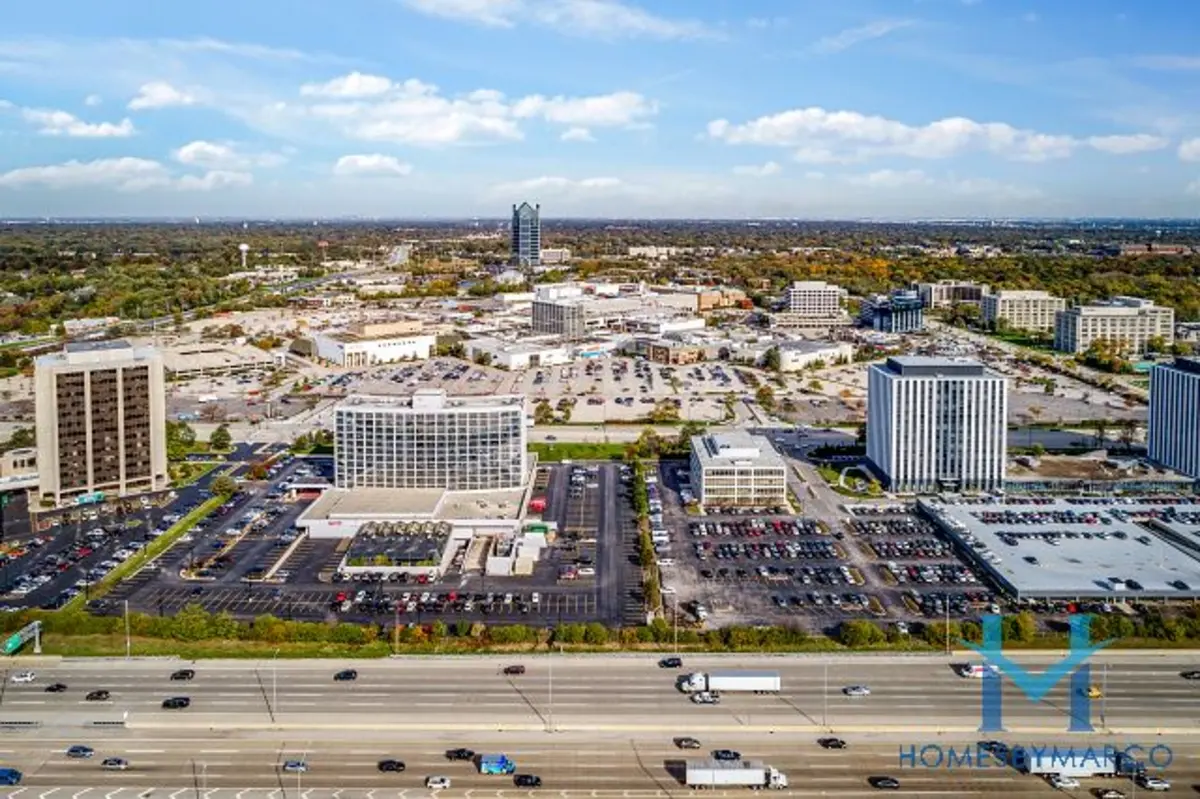
Oak Brook's unique position as a major corporate hub, home to McDonald's headquarters and numerous Fortune 500 companies, creates specialized restoration demands that extend beyond residential properties. The extensive commercial and office complex infrastructure requires rapid response capabilities and minimal business interruption protocols.
Commercial restoration challenges specific to Oak Brook include:
- High-rise office buildings - Multi-floor water damage from roof leaks or pipe failures
- Data center protection - Critical electronic equipment requiring specialized fire suppression cleanup
- Restaurant and food service facilities - Grease fire damage and complex ventilation system restoration
- Retail spaces - Inventory protection during water damage and smoke removal processes
- Underground parking structures - Flooding issues and mold prevention in below-grade areas
The corporate environment demands:
- 24/7 emergency response - Business continuity cannot wait for regular hours
- Coordinated restoration efforts - Multiple building systems require simultaneous attention
- Documentation protocols - Detailed reporting for insurance and corporate risk management
- Minimal disruption techniques - Restoration work during off-hours to maintain operations
- Specialized equipment - Industrial-grade dehumidifiers and air scrubbers for large spaces
This commercial density also affects residential restoration needs, as smoke from commercial fires can impact nearby homes, and municipal water system stress during emergencies can exacerbate residential flooding issues. Professional restoration services must understand these interconnected challenges to provide effective solutions for Oak Brook's diverse property landscape.





