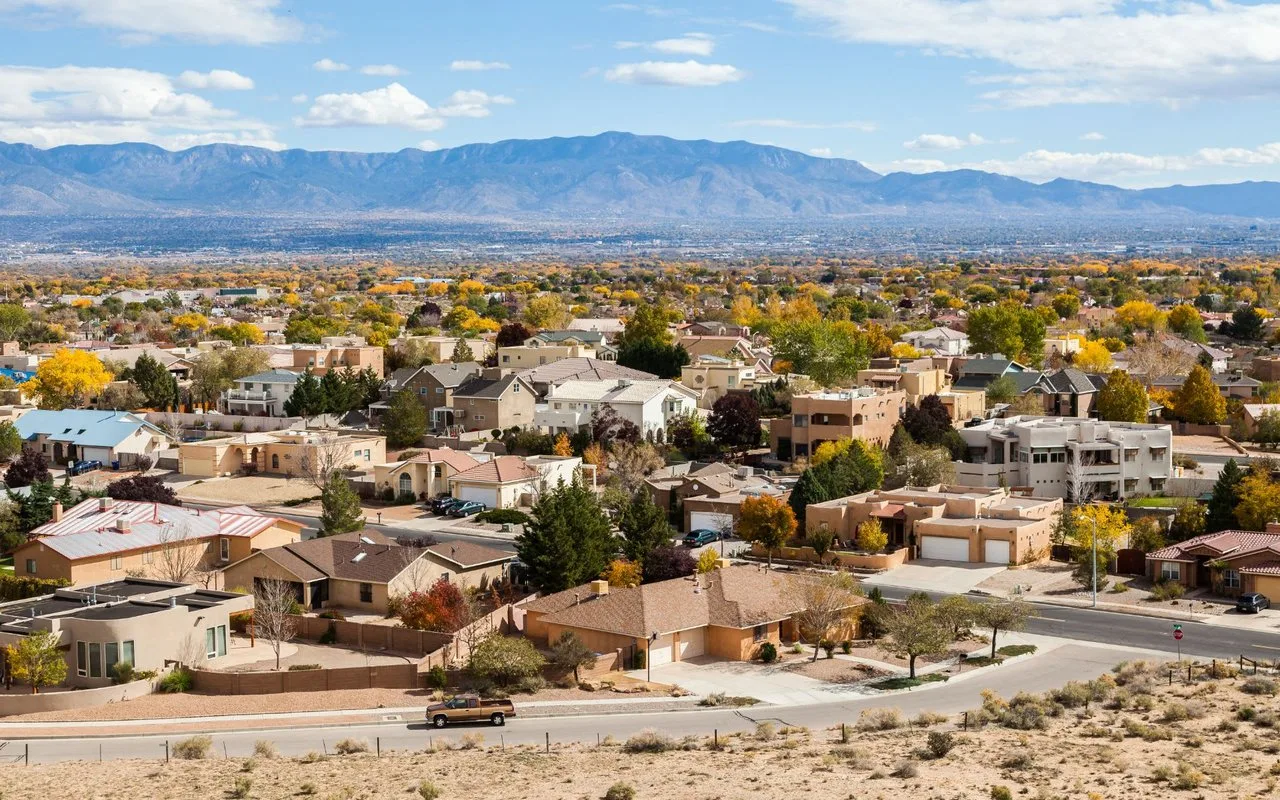
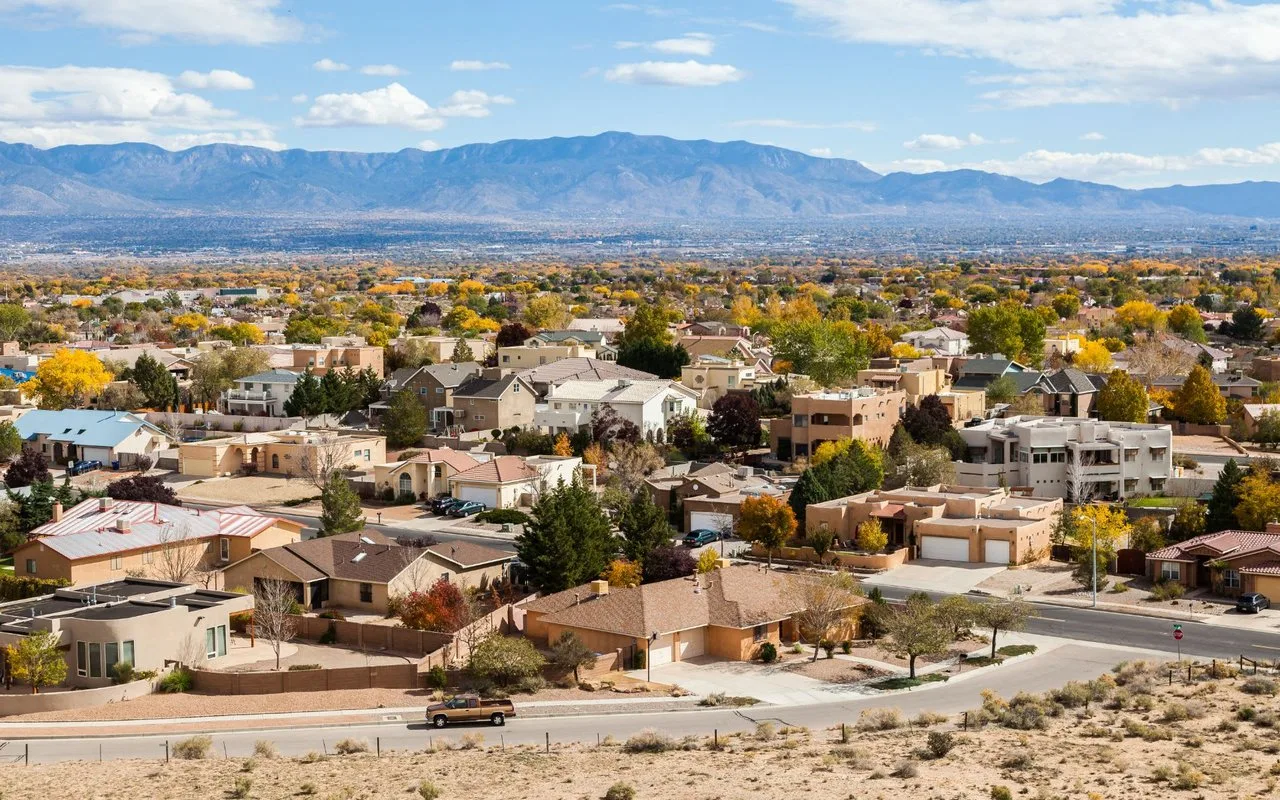
Damage Restoration in Valencia County, NM
- Damage Restoration Services Overview
- Common Damage Restoration Issues in Valencia County, New Mexico
- Neighborhoods We Serve in Valencia County
- Seasonal Damage Patterns in Valencia County
- Housing Characteristics & Restoration Considerations
- Environmental Conditions & Damage Implications
- Monsoon Flooding and Septic Backups: Emergency Response in the Rio Grande Valley
Damage Restoration Services Overview
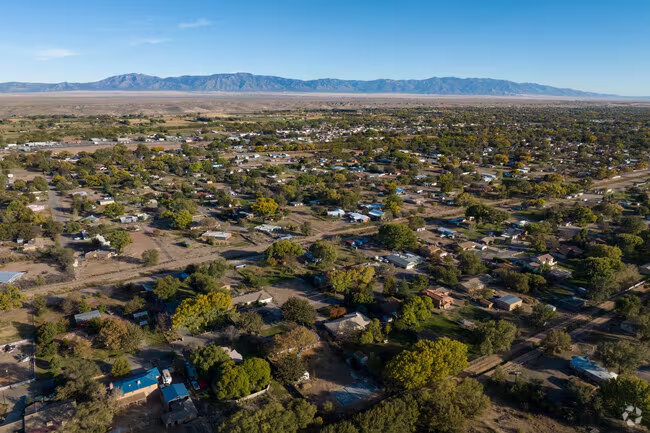
Walking into a flooded hallway, a smoke-stained living room, or a basement that smells like sewage is one of the worst moments a homeowner can have. The clock starts running immediately - water spreads, soot sets, and mold begins colonizing damp drywall within a day or two.
Our team serves Valencia County homes and businesses around the clock, handling every phase from emergency extraction through final reconstruction so you are not juggling multiple contractors.
- Water Damage Restoration - burst supply lines, failed water heaters, roof leaks, and appliance overflows, addressed with extraction, structural drying, and moisture mapping.
- Flooded Basement Cleanup - pump-outs, sump failure response, and drying of below-grade rooms, crawl spaces, and finished lower levels.
- Sewage Cleanup - safe removal of Category 3 contaminated water, disposal of porous materials, and antimicrobial treatment of affected surfaces.
- Fire Damage Restoration - board-up, debris removal, structural cleaning, contents handling, and rebuild of damaged framing and finishes.
- Smoke Damage Restoration - soot removal from walls, ceilings, ductwork, and belongings, plus odor neutralization that treats the source instead of masking it.
- Mold Removal - containment, air filtration, removal of contaminated materials, and correction of the moisture source that fed the growth.
Every project is documented for your insurance carrier, with IICRC-certified technicians handling the work and one point of contact guiding you through it.
Common Damage Restoration Issues in Valencia County, New Mexico
Valencia County sits along the Rio Grande corridor, where irrigation ditches, acequias, high water tables in bosque-adjacent areas, and monsoon runoff all shape the damage we respond to. Add a dry, dusty climate that stresses plumbing and roofing materials, and property damage often arrives without much warning.
What Causes Most Damage Calls Here
- Monsoon flash flooding - July through September downpours overwhelm arroyos, driveways, and window wells, pushing water into garages and lower levels.
- Freeze-thaw pipe failures - winter nights drop well below freezing, and uninsulated lines in crawl spaces, exterior walls, and unheated additions split.
- Evaporative cooler leaks - swamp coolers are common across Los Lunas and Belen, and a failed float valve or supply line can soak ceilings and interior walls for hours.
- Septic and sewer backups - rural properties on septic systems and older municipal laterals both back up when saturated soils and root intrusion collide.
- Wildfire and bosque smoke - regional fires push smoke and fine particulate into homes through HVAC intakes and gaps in older construction.
- Electrical and heating fires - aging panels, space heaters, and wood stoves account for a share of structure fires during cold months.
Warning Signs Worth Acting On
- Bubbling paint, sagging drywall, or brown ceiling rings beneath a cooler or bathroom
- Musty odors near baseboards, closets, or under-sink cabinets
- Gurgling drains, slow toilets, or wet spots in the yard above a septic field
- Lingering smoke odor that strengthens when the HVAC system runs
- Efflorescence or chalky white residue on block foundation walls
Neighborhoods We Serve in Valencia County
Our crews cover the entire county, from riverfront villages to rural properties well off the main highways.
- Los Lunas - subdivisions along Main Street, Huning Ranch, and newer developments east of I-25
- Belen - historic downtown homes, Rio Communities, and neighborhoods near the rail yard
- Bosque Farms - acreage properties, horse properties, and homes near irrigation ditches
- Peralta and Valencia - established rural residential corridors along NM 47
- Meadow Lake and El Cerro Mission - manufactured and site-built homes on larger lots
- Jarales, Tomé, Adelino, and Casa Colorada - agricultural and semi-rural properties south of Belen
- Rio Communities and Highland Meadows - east-side neighborhoods on the mesa
We also respond throughout the greater Albuquerque metro, Bernalillo County, Socorro, and the Torrance County communities just east of the Manzanos.
Seasonal Damage Patterns in Valencia County
Winter (December - February)
- Frozen and burst pipes in crawl spaces, garages, and exterior walls
- Flooded basements and lower levels from overnight line failures
- Heating-related fire and smoke damage from furnaces, wood stoves, and space heaters
Spring (March - May)
- Snowmelt and irrigation season raising groundwater near the bosque
- Hidden mold discovered as winter leaks are uncovered during spring cleaning
- Wind-driven roof damage that leads to slow ceiling leaks
Summer Monsoon (June - September)
- Peak flash flooding, arroyo overflow, and basement water intrusion
- Sewage and septic backups when saturated soils stop absorbing
- Evaporative cooler overflows during heavy-use months
- Wildfire smoke infiltration from regional and bosque fires
Fall (October - November)
- Cooler shutdown leaks when lines are not drained properly
- First-use furnace and chimney fires as temperatures drop
- Mold growth surfacing from summer moisture trapped behind finishes
Housing Characteristics & Restoration Considerations
Valencia County housing spans nearly a century of building styles, and each type reacts differently to water, fire, and mold.
Common Construction Types
- Adobe and traditional mud-brick homes - found in Tomé, Belen, and older village cores; these walls absorb moisture readily and require slow, controlled drying rather than aggressive heat.
- Mid-century frame homes on slab - carpet tack strips, subfloor gaps, and interior wall cavities trap water that spreads sideways from a single leak.
- Manufactured and modular homes - common on rural lots; belly wrap under the floor holds water for weeks and often needs opening and drying from below.
- Newer stucco subdivisions - tight building envelopes dry slowly and hold smoke odor in insulation and ductwork.
- Flat and low-slope roofs - a regional staple that ponds during monsoon storms and leaks at parapets and scuppers.
How That Shapes Our Approach
- Inspect with moisture meters and thermal imaging before opening any wall, since adobe and stucco hide saturation well.
- Match drying equipment to the material - dehumidification and airflow for masonry, cavity drying for framed walls, belly access for manufactured homes.
- Remove and dispose of porous materials contacted by sewage, including carpet pad, insulation, and particleboard cabinetry.
- Seal and clean HVAC systems after fire or smoke events so soot is not redistributed.
- Rebuild with materials and finishes that match the original construction, including stucco patching and plaster repair.
Older homes may also contain asbestos-era flooring or textured ceilings, so testing precedes demolition when age suggests it.
Environmental Conditions & Damage Implications
The high desert climate creates a misleading sense of safety. Low humidity does not prevent mold - it simply hides moisture behind materials until damage is advanced.
Climate and Air
- Roughly 4,700-foot elevation with wide daily temperature swings that stress plumbing joints and roof membranes
- Dry outdoor air that pulls moisture from surfaces while cavities stay saturated
- Blowing dust and seasonal wildfire smoke that load HVAC filters and combine with soot after a fire
- Strong spring winds that lift shingles and drive rain under flashing
Water and Soil
- Hard, mineral-rich water that corrodes water heaters, supply lines, and cooler components
- Shallow water tables near the Rio Grande and bosque, raising hydrostatic pressure on foundations and below-grade rooms
- Clay and caliche layers that shed monsoon runoff toward structures instead of absorbing it
- Sandy river-valley soils that shift and open foundation cracks over time
- Irrigation ditches and acequias that raise local groundwater during the growing season
What This Means for Restoration
- Mold remediation must address the moisture source, or growth returns each irrigation or monsoon cycle
- Drying plans account for elevation and low ambient humidity when sizing dehumidifiers
- Sewage cleanup includes soil and exterior considerations on septic properties
- Smoke odor control targets ductwork, attic insulation, and porous adobe or plaster surfaces
Monsoon Flooding and Septic Backups: Emergency Response in the Rio Grande Valley
Few things test a Valencia County property like a August monsoon cell parked over the valley. Water rises fast in arroyos, sheets across mesa lots, and finds every low doorway, window well, and garage threshold along the way.
What to Do in the First Hour
- Get people and pets out of standing water, especially if it may be contaminated or near electrical outlets.
- Shut off power to affected areas at the breaker if you can do so safely from a dry position.
- Close the main water valve if the source is a broken supply line or failed water heater.
- Stop using sinks, toilets, and washing machines if a sewer or septic backup is suspected.
- Photograph and video everything before moving contents - your carrier will want the documentation.
- Call for emergency response so extraction begins before water wicks up drywall and into framing.
How Our Emergency Process Works
- Rapid dispatch - crews mobilize 24/7 across Los Lunas, Belen, Bosque Farms, Peralta, and outlying rural addresses.
- Free inspection - moisture mapping and thermal scanning identify how far water traveled, including under cabinets and behind baseboards.
- Category assessment - clean water, gray water, and sewage each carry different removal and sanitation requirements.
- Extraction and containment - truck-mounted pumps clear standing water; containment barriers keep contamination out of clean areas.
- Structural drying - air movers and dehumidifiers run on a monitored schedule with daily readings logged.
- Sanitizing and deodorizing - antimicrobial application after sewage events, plus odor treatment for smoke-affected structures.
- Reconstruction - drywall, flooring, stucco, paint, and cabinetry restored by the same team that did the mitigation.
Because rural properties on septic and homes near acequias face repeat exposure, we also flag drainage, grading, and sump issues during the final walkthrough so the next storm does not repeat the same damage.